Traditions with paprika
Paprika, a powder ground from dried red peppers, is the national spice of Hungary and an important one in Spain and the Balkans.
Paprika, a powder ground from dried red peppers, is the national spice of Hungary and an important one in Spain and the Balkans. It ranges from sweet and mild to smoked and hot, and gives goulash, chicken paprikash and chorizo their colour. It arrived in Europe with the Ottoman Empire, and became the signature of Hungarian cooking. Strings of red peppers hanging to dry in autumn are a mark of village life. These pages explore its traditions.
Where it is used
In Hungary, paprika is in goulash, halaszle and paprikash, and the towns of Szeged and Kalocsa are known for their peppers, with a festival each autumn. In Spain, pimenton de la Vera, smoked over oak, flavours chorizo and pulpo a la gallega. In Serbia and Bulgaria, it is a basis of stews and ajvar relish, and in Morocco, a sweet pepper powder is used in tagines.
What it means
In Hungary, paprika stands for national identity and hospitality, and it is said that a Hungarian cook starts every dish with onions and paprika. The painted tins of Kalocsa and the embroidered folk motifs of paprika flowers decorate the home. In Spain, the smoky pimenton is part of the festival foods of Extremadura, and the autumn harvest of peppers is celebrated.
Written by the EveryParampara desk with AI assistance. Background on Paprika (spice). Customs differ from place to place and family to family. If this is your tradition and we have it wrong, tell us.
 🇦🇷 Argentina and 4 moreAsado
A slow fire, a grill and a shared table: how people gather to cook and eat meatTable custom · Feasts and festival meals
🇦🇷 Argentina and 4 moreAsado
A slow fire, a grill and a shared table: how people gather to cook and eat meatTable custom · Feasts and festival meals
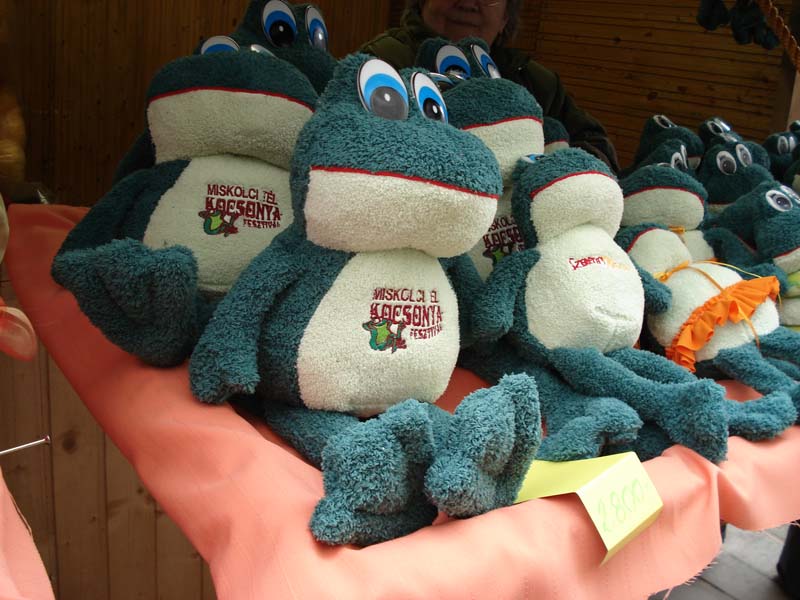 🇭🇺 Miskolc, HungaryKocsonya FestivalKocsonyafesztivál
An annual winter food and culture festival held in Miskolc, HungaryFestival · Feasts and festival meals
🇭🇺 Miskolc, HungaryKocsonya FestivalKocsonyafesztivál
An annual winter food and culture festival held in Miskolc, HungaryFestival · Feasts and festival meals
Photo credits on this page
The small pictures above come from Wikimedia Commons under free licences. Some are cropped to fit.
- Asado: Unknown author, CC BY-SA 2.5, source
- Kocsonya Festival: Szalax, CC BY-SA 3.0, source