Spiritual and religious
Rites, prayers, pilgrimages, fasts and sacred days.
Spiritual and religious traditions are the rites that people keep to connect with the sacred: prayers, pilgrimages, fasts, blessings, holy days and the ceremonies of temples, churches, mosques, synagogues and shrines. They are among the oldest traditions in the world and often the most deeply felt. Here they are described as those who keep them would describe them, with care for what is sacred, and without ranking one faith above another. Browse by country, faith or season to see how the same human need is met in many ways.
Worship in daily life
For many people, the spiritual life is lived at home and in small acts: a morning prayer, a lit lamp, grace before a meal, a head covered or shoes removed at a door. Shrines in the kitchen, a prayer mat, a mezuzah on the doorpost and a rosary in the pocket all belong here. The big public rites rest on this quiet daily practice, and it is often a grandmother or a parent who teaches it, by doing it every day without comment.
Sacred time and place
Every faith marks sacred time: a weekly day of rest or prayer, a month of fasting, a festival of light, a season of penitence. Each also marks sacred places, from a river bank to a mountain, a cathedral to a village shrine. Pilgrims travel to them, and the journey itself is part of the rite. Calendars differ, some tied to the moon, others to the sun, so the dates move from year to year and are listed on the EveryParampara calendar.
Meeting across faiths
People of different faiths live side by side, and many traditions overlap or borrow. Neighbours share each other's festival sweets, attend each other's weddings and join in public celebrations such as Christmas markets or Diwali fairs. EveryParampara writes about each tradition on its own terms and cites the people who keep it. Where beliefs are contested, the page says so, and sacred matters are treated with respect.
Written by the EveryParampara desk with AI assistance. Background on Spiritual and religious (kind of tradition). Customs differ from place to place and family to family. If this is your tradition and we have it wrong, tell us.

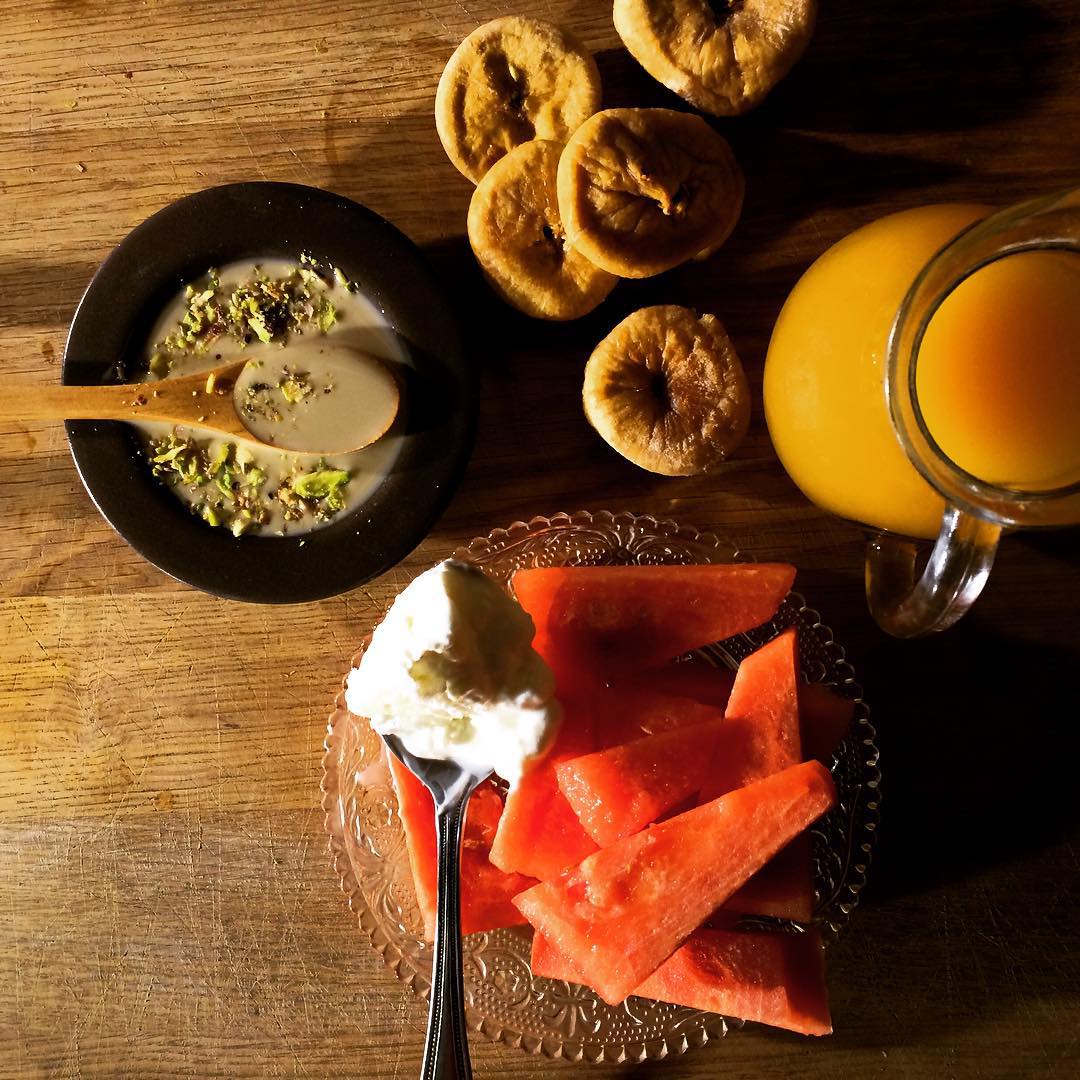
Photo credits on this page
The small pictures above come from Wikimedia Commons under free licences. Some are cropped to fit.
- Suhur: Hussein Alazaat, CC BY 2.0, source
- Naraka Chaturdashi: India (Delhi Agra area), Public domain, source