Fasting and breaking the fast
Ramadan iftar, Lent, Ekadashi: the rules of the fast and how it ends.
Fasting customs are the rules of what is given up, for how long and how the fast is ended: Ramadan from dawn to dusk, Lent and its Fridays, Ekadashi, Yom Kippur, Buddhist observance days. These pages describe the practice as those who keep it would, and say nothing about health.
Rules of the fast
Each tradition has its own: who is expected to fast and who is excused, what counts as breaking it, when it begins and ends. Children, the sick, travellers and pregnant women are often treated with specific exceptions.
Breaking the fast
The meal that ends a fast usually has its own ritual: a prayer, a first sip or date, a gathering of the family or neighbours, a shared table at the mosque or the temple. It is one of the most social moments of the year in many communities.
Written by the EveryParampara desk with AI assistance. Background on Fasting and breaking the fast (meal). Customs differ from place to place and family to family. If this is your tradition and we have it wrong, tell us.
 🇺🇸 United States and 1 moreVigil
A purposeful watch of prayer, mourning, or reflection kept through the nightSpiritual · Fasting and breaking the fast
🇺🇸 United States and 1 moreVigil
A purposeful watch of prayer, mourning, or reflection kept through the nightSpiritual · Fasting and breaking the fast
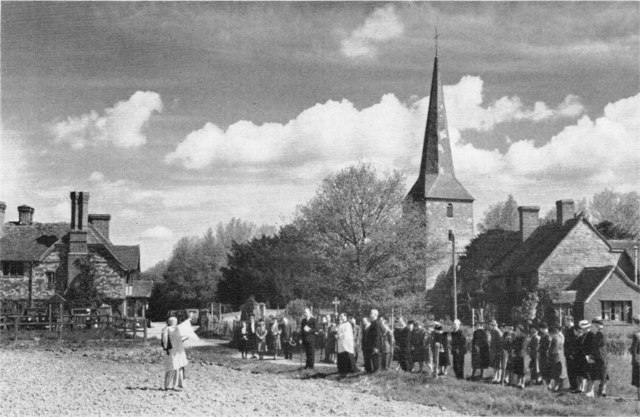 🇬🇧 United Kingdom and 3 moreRogation days
Springtime Christian days of prayer, fasting, and parish boundary walks.Spiritual · Fasting and breaking the fast
🇬🇧 United Kingdom and 3 moreRogation days
Springtime Christian days of prayer, fasting, and parish boundary walks.Spiritual · Fasting and breaking the fast
Photo credits on this page
The small pictures above come from Wikimedia Commons under free licences. Some are cropped to fit.
- Vigil: unknown master, Public domain, source
- Rogation days: Ray Trevena, CC BY-SA 2.0, source