Spiritual and religiousEuropeChristian
Rogation days
Springtime Christian days of prayer, fasting, and parish boundary walks.
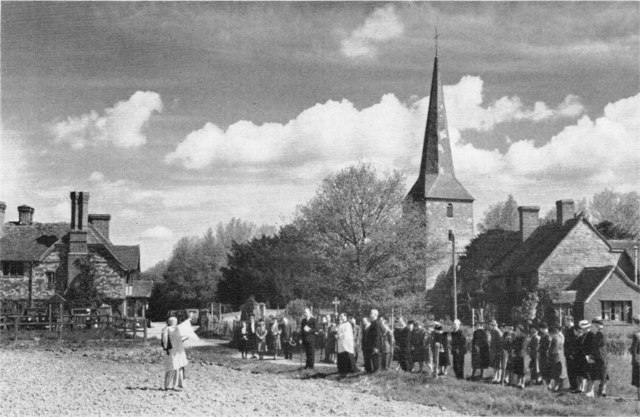
Rogation days are Christian observances of fasting, litanies, and outdoor processions held each spring. Established in late antiquity to seek divine protection against disaster and bless emerging crops, the tradition includes parish boundary walks across Catholic, Anglican, and Lutheran communities.
When is Rogation days marked?
Rogation days is kept as part of Easter, which runs from 28 to 29 March 2027.
Rogation days are traditional Western Christian observances set aside to seek divine favour and ask for fruitful fields. Named after the Latin word for asking, the season combines fasting, prayers, and communal processions. Clergy and parishioners walk through their local territory, chanting litanies and blessing farms. While rooted in ancient rural life, the custom connects spiritual petition with community care and the stewardship of creation.
Ancient origins and development
The major observance on 25 April originated as a replacement for Robigalia, an early Roman rite seeking protection against wheat rust. Later, around 470 CE, Bishop Mamertus of Vienne instituted the three minor days before Ascension Thursday after regional disasters. The Council of Orleans endorsed the practice in 511 CE, and Pope Leo III formally added it to the Roman liturgy centuries later. In the Ambrosian tradition of Milan, these days followed Ascension instead, leading up to Pentecost. Across Western Europe, the period became a time of fasting, solemn litanies, and violet vestments worn to implore safety and bountiful soil.
Beating parish bounds
A central custom in medieval Britain was the parish boundary walk, also known as gang-week or perambulation. Priests, choir members, and locals paced out the edges of their village territory to ask for agricultural blessing and confirm property markers. Medieval Sarum rituals featured giant torches, banners of saints, and figures of a lion and a dragon. During the English Reformation, processions were preserved under Queen Elizabeth I, though Catholic icons were set aside. Parishioners focused on community fellowship, reciting Psalms, maintaining public rights of way, and preserving communal peace by remembering lawful boundary lines.
Global spread and today
British settlement carried these springtime walks across the Atlantic to Bermuda, Barbados, Jamaica, and early North American colonies. Over time, modern liturgical revisions made the observances optional. The Roman Catholic calendar reform of 1969 left their scheduling to regional bishop conferences, though communities using earlier Latin missals retain them. Anglican and Lutheran bodies continue to offer liturgies with litanies and abstinence from meat. Many contemporary congregations have widened the prayers beyond farming, including blessings for industry, commerce, and broader environmental care.
How Rogation days is kept
Participants gather at church for litanies and penitential prayers before setting out on foot. Wearing violet vestments, clergy lead parishioners through local streets, fields, or parish perimeters. Along the route, the procession pauses at designated stations to chant antiphons, read scripture, and bless crops or community spaces. Historically, people carried banners and torches, while northern English towns decorated doorways with birch boughs. Observers observe personal fasting or meat abstinence, joining communal supplications for safe harvests and good governance.
When and where
The major observance takes place annually on 25 April. The minor observances occur on the Monday, Tuesday, and Wednesday immediately before Ascension Thursday, which falls between late April and late May depending on the date of Easter.
Begun in Western Europe, the tradition spread throughout the British Isles and Western Christendom. English colonization brought the practice to overseas territories including Bermuda, Barbados, Jamaica, and North America, where various Anglican, Catholic, and Lutheran parishes maintain it.
What Rogation days means
The Latin name means asking or entreating. The walks symbolize collective humility, protection against calamity, and gratitude for natural sustenance. Walking territorial borders reinforces communal bonds and honest stewardship of land, linking earthly labour with divine providence.
Days Rogation days is marked
Questions people ask about Rogation days
When is Rogation days marked?
Rogation days is kept as part of Easter, which runs from 28 to 29 March 2027.
What is the purpose of Rogation days?
Rogation days are Christian occasions for prayer, fasting, and litanies. Believers ask God for protection against natural disasters, peaceful communities, and fertile crops for the coming year.
What does beating the bounds mean?
It is a customary walk where clergy and parishioners walk the perimeter of their parish. The walk serves to bless the land, remember boundary lines, and protect public paths from encroachment.
How did the tradition start?
The April observance replaced the Roman Robigalia festival, while the pre-Ascension days began around 470 CE under Bishop Mamertus of Vienne in response to regional calamities.
See also
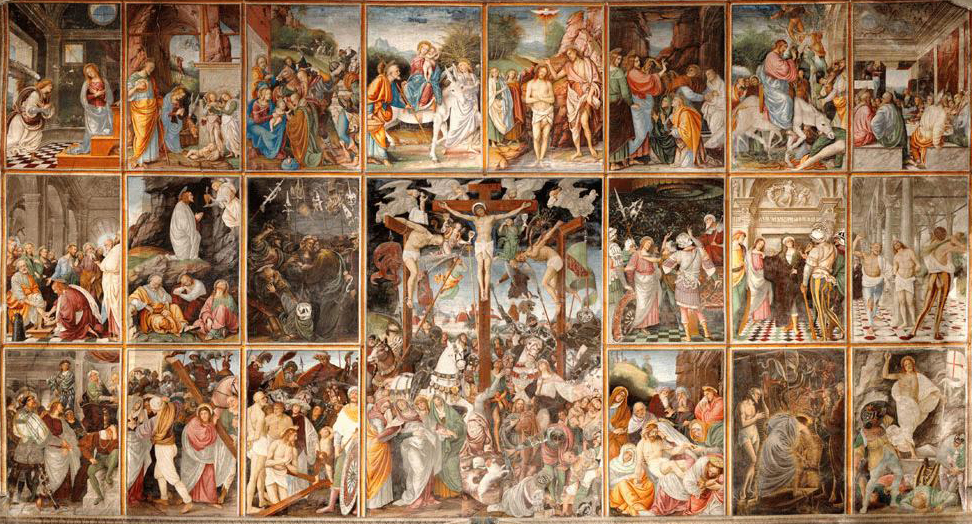 Presentation of Jesus at the TempleA February feast of candles and welcome, kept forty days after Christmas
 Saint George's DayA saint's feast on 23 April, kept by churches and patron nations from England to Georgia
 St John's EveBonfires, feasting and worship on the short night before John the Baptist's feast
 Saint Andrew's DayThe feast of Andrew the Apostle, kept on 30 November and Scotland's national day
Good reading and sources
- Rogation days on WikipediaEncyclopedia
- More photos on Wikimedia CommonsPhotos and video
- Wikidata recordOpen data
The facts on this page come from the Wikipedia article "Rogation days", written by its contributors and used under the CC BY-SA 4.0 licence, and from its Wikidata record (CC0). EveryParampara rewrote the text in its own words, with AI assistance, and compares every page with the article to make sure no passage is copied. It may be reused under the same CC BY-SA 4.0 licence with a link back.
It may contain mistakes. Traditions differ from one family, village and community to the next, and the people who keep them know them best. If something is wrong, tell us. Last refreshed 2026-10-06.
More from the United Kingdom
All the traditions of the United Kingdom
🇮🇱 Jerusalem, Israel and 5 morePresentation of Jesus at the TempleIn praesentatione Domini
A February feast of candles and welcome, kept forty days after ChristmasSpiritual
🇪🇸 Spain and 5 moreSt John's Eve
Bonfires, feasting and worship on the short night before John the Baptist's feastSpiritual
 🇩🇪 Germany and 7 moreSt. Martin's DayMartinstag
A November feast of lantern walks, bonfires, roast goose and new wineSpiritual
🇩🇪 Germany and 7 moreSt. Martin's DayMartinstag
A November feast of lantern walks, bonfires, roast goose and new wineSpiritual
 🇬🇧 United Kingdom and 5 moreTwelfth Night
The closing evening of the Christmas season, kept with cake, carols and wassailSpiritual · Feasts and festival meals
🇬🇧 United Kingdom and 5 moreTwelfth Night
The closing evening of the Christmas season, kept with cake, carols and wassailSpiritual · Feasts and festival meals
The same idea elsewhere
Fasting and feasting compared 🇮🇳 Jaipur, IndiaGangaurगणगौर
A North Indian spring festival honouring Shiva and Gauri with clay idols and processionsFestival · Fasting and breaking the fast
🇮🇳 Jaipur, IndiaGangaurगणगौर
A North Indian spring festival honouring Shiva and Gauri with clay idols and processionsFestival · Fasting and breaking the fast
 🇺🇸 United StatesGreen Corn CeremonyPuskita
A Southeastern harvest and new year ceremony of fasting, dancing and renewalSeasonal
🇺🇸 United StatesGreen Corn CeremonyPuskita
A Southeastern harvest and new year ceremony of fasting, dancing and renewalSeasonal
 🇮🇳 Ayodhya, India and 7 moreDiwaliदीपावली (Dīpāvalī)
A five-day festival of lights celebrated across India and its diaspora to mark the victory of light over darkness.Festival · Feasts and festival meals
🇮🇳 Ayodhya, India and 7 moreDiwaliदीपावली (Dīpāvalī)
A five-day festival of lights celebrated across India and its diaspora to mark the victory of light over darkness.Festival · Feasts and festival meals
 🇮🇱 Jerusalem, IsraelPassoverפסח
A Jewish spring festival celebrating freedom from slavery with ritual mealsSpiritual · Dinner
🇮🇱 Jerusalem, IsraelPassoverפסח
A Jewish spring festival celebrating freedom from slavery with ritual mealsSpiritual · Dinner