Lunch
The midday pause: the siesta, the shared table and the carried meal.
Lunch customs are about the midday pause: how long it lasts, who it is shared with and what the rest of the day does around it. This is not a guide to what is on the plate. For dishes and recipes, see Thali.
The pause itself
In Spain, Italy, Ethiopia and much of Latin America the midday meal is the long one, with a rest afterwards. In Japan and Korea it is shorter and often eaten with colleagues, in a set rhythm. In India, tiffin carriers still travel across cities to reach workers at midday, a custom as much as a service. The shape of the pause says a great deal about how a place thinks of work and family.
Carried and shared
Packing a meal for someone is a custom in its own right: a parent's care for a child's lunchbox, a farmer's meal carried to the field, workmates who share from each other's boxes. In many schools a shared midday meal teaches manners, turn-taking and gratitude along with everything else.
Written by the EveryParampara desk with AI assistance. Background on Lunch (meal). Customs differ from place to place and family to family. If this is your tradition and we have it wrong, tell us.
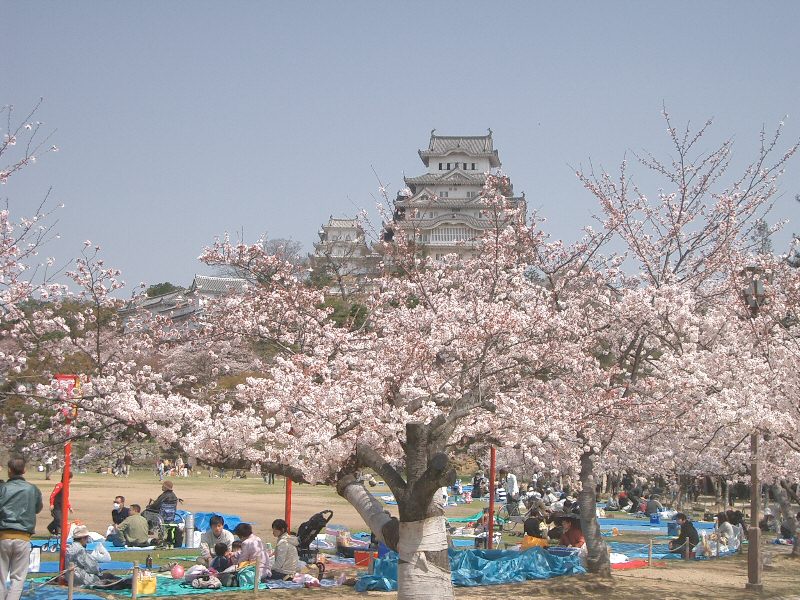 🇯🇵 Kyoto, Japan and 4 moreHanami花見
A Japanese spring custom of gathering under blooming cherry trees to eat, drink, and celebrate the fleeting beauty of thFestival · Lunch
🇯🇵 Kyoto, Japan and 4 moreHanami花見
A Japanese spring custom of gathering under blooming cherry trees to eat, drink, and celebrate the fleeting beauty of thFestival · Lunch
 🇳🇬 Oyo, Nigeria and 3 moreSango Festival
An annual Yoruba gathering in Nigeria honoring the deity of thunder and lightningFestival · Feasts and festival meals
🇳🇬 Oyo, Nigeria and 3 moreSango Festival
An annual Yoruba gathering in Nigeria honoring the deity of thunder and lightningFestival · Feasts and festival meals
Photo credits on this page
The small pictures above come from Wikimedia Commons under free licences. Some are cropped to fit.
- Hanami: Unknown author, CC BY-SA 3.0, source
- Sango Festival: Demola Ajayi, CC BY-SA 4.0, source