Festivals and celebrationsEast AsiaShinto, Taoist and folk Chinese
Hanami
In its own language: 花見
A Japanese spring custom of gathering under blooming cherry trees to eat, drink, and celebrate the fleeting beauty of th
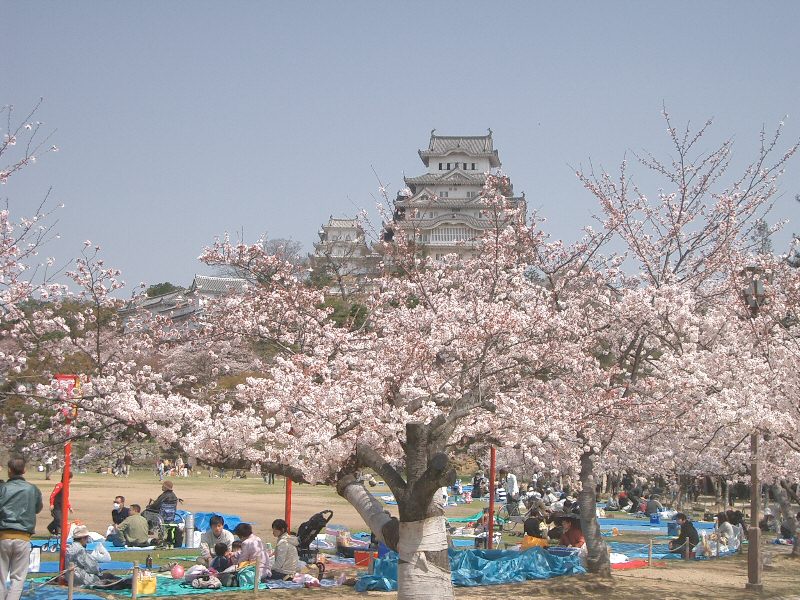
Hanami is a traditional Japanese practice of enjoying the transient beauty of flowers, primarily cherry blossoms. People gather in parks and gardens for daytime or nighttime feasts beneath the trees. The custom originated in the Nara period with plum viewing before shifting to cherry blossoms during the Heian era.
When is Hanami in 2027?
Hanami 2027 runs from 1 to 14 April 2027. The date follows the moon or a local calendar, so it can move by a day. Other years: 2026, 1 to 14 April 2026; 2028, 1 to 14 April 2028.
Hanami is the Japanese tradition of flower viewing, most often centered on cherry blossoms. Communities gather outdoors for picnics and parties beneath the blooming branches. This practice celebrates the brief but intense beauty of spring while honoring cultural roots.
Origins and history
The custom began in the Nara period when elites admired plum blossoms, influenced by Chinese poetry and wine rituals. By the Heian period, attention shifted to cherry blossoms, which became synonymous with hanami. Emperor Saga held imperial feasts under the trees, establishing the tradition as a courtly event. Over centuries, it spread from the aristocracy to samurai and eventually commoners. Tokugawa Yoshimune planted trees to encourage public participation.
How it is kept
People gather in parks and gardens during the bloom window. Daytime gatherings involve sharing food and sake under the trees. Nighttime viewing, known as yozakura, uses paper lanterns or electric lights to illuminate the branches. Participants reserve spots days in advance. The Japan Meteorological Agency tracks the blossom front, guiding where and when to celebrate as blooms move northward.
Food and drink
Feasting is central to the experience. Sake is commonly drunk alongside special dishes like dango and bento boxes. A proverb suggests that many attendees prioritize the food over the flowers themselves. Traditional treats such as sakuramochi are also enjoyed. The meal serves as a social anchor for friends, family, and coworkers celebrating together.
Global presence
Cherry trees were gifted to Washington D.C. in 1912, sparking an annual festival there. Similar celebrations occur in Toronto, Helsinki, Rome, and Paris. In Macon, Georgia, hundreds of thousands of trees support a major international festival. These events adapt the Japanese custom to local contexts, fostering international friendship through shared appreciation of spring blooms.
How Hanami is kept
Groups gather in parks beneath cherry trees during the short bloom window. They lay out tarps for picnics, sharing food and sake. Daytime feasts transition into nighttime viewing called yozakura, lit by lanterns. People often arrive early to secure good spots. The timing depends on the annual blossom forecast, which moves from south to north across the country.
When and where
It occurs from late March to early May on the main islands, and in January on Okinawa. Dates depend on the yearly blossom front, tracked by meteorological agencies. Blooms last only one to two weeks, creating urgency for participants.
The tradition is strongest in Japan, particularly in Kyoto and Tokyo. It is also observed in cities with significant cherry tree populations worldwide, including Washington D.C., Toronto, and Helsinki.
What Hanami means
Cherry blossoms symbolize the fleeting nature of life. Their brief bloom represents beauty that is luminous yet ephemeral. Ancient beliefs held spirits within the trees, linking the practice to Shinto reverence for nature. The custom encourages mindfulness of the present moment.
On the table
- dango
- bento
- sakuramochi
- sake


Hanami dates: 2026, 2027, 2028
| Year | Hanami date |
|---|---|
| 2026 | 1 to 14 April 2026 |
| 2027 | 1 to 14 April 2027 |
| 2028 | 1 to 14 April 2028 |
This date follows the moon or a local calendar and can move by a day, so check with a local source nearer the time.
Questions people ask about Hanami
When is Hanami in 2027?
Hanami 2027 runs from 1 to 14 April 2027. The date follows the moon or a local calendar, so it can move by a day. Other years: 2026, 1 to 14 April 2026; 2028, 1 to 14 April 2028.
What is hanami?
Hanami is a Japanese custom of flower viewing, primarily focusing on cherry blossoms. People gather outdoors for feasts and parties beneath the blooming trees to celebrate spring.
What do people eat during hanami?
Attendees typically share picnic foods like bento boxes and dango. Sake is a common drink. Special seasonal treats such as sakuramochi are also popular at these gatherings.
Where can I see hanami outside Japan?
Celebrations occur in Washington D.C., Toronto, Helsinki, Rome, and Paris. These cities host festivals featuring cherry trees gifted by Japan or grown locally.
See also
 ChristmasA festival of Jesus's birth, kept on 25 December with gifts, lights and shared meals
 HalloweenAn annual observance on 31 October marking the eve of All Saints' Day, rooted in Christian tradition and Celtic heritage
 Christmas treeA decorated evergreen or artificial tree placed indoors to mark the Christmas season.
 Day of the DeadA Mexican remembrance of deceased family and friends with altars, marigolds and feasts
Good reading and sources
- Japan cherry blossom season wilted by the coronavirus pandemicBBC, Article
- Japan cherry blossom season wilted by the coronavirus pandemicBBC, Article
- Hanami on WikipediaEncyclopedia
- More photos on Wikimedia CommonsPhotos and video
- Wikidata recordOpen data
The facts on this page come from the Wikipedia article "Hanami", written by its contributors and used under the CC BY-SA 4.0 licence, and from its Wikidata record (CC0). EveryParampara rewrote the text in its own words, with AI assistance, and compares every page with the article to make sure no passage is copied. It may be reused under the same CC BY-SA 4.0 licence with a link back.
It may contain mistakes. Traditions differ from one family, village and community to the next, and the people who keep them know them best. If something is wrong, tell us. Last refreshed 2026-10-04.
More from Japan
All the traditions of Japan
🇮🇪 Ireland and 5 moreHalloween
An annual observance on 31 October marking the eve of All Saints' Day, rooted in Christian tradition and Celtic heritageFestival · Sweets given and shared
 🇮🇳 India and 4 moreWater lantern
Small lamps floated on water to honour the dead and ask for good fortuneFestival
🇮🇳 India and 4 moreWater lantern
Small lamps floated on water to honour the dead and ask for good fortuneFestival
 🇮🇳 India and 6 moreBuddha's Birthday佛诞 (Fódàn)
A festival marking the birth of Siddhartha Gautama, observed across Asia with temple rituals and community gatherings.Festival
🇮🇳 India and 6 moreBuddha's Birthday佛诞 (Fódàn)
A festival marking the birth of Siddhartha Gautama, observed across Asia with temple rituals and community gatherings.Festival
 🇯🇵 JapanChildren's Dayこどもの日
A Japanese holiday on May fifth celebrating the happiness and growth of childrenFestival
🇯🇵 JapanChildren's Dayこどもの日
A Japanese holiday on May fifth celebrating the happiness and growth of childrenFestival
The same idea elsewhere
Spring and renewal compared 🇮🇷 Iran and 7 moreNowruzنوروز
The Iranian new year at the March equinox, kept with fire, greenery and picnicsSeasonal
🇮🇷 Iran and 7 moreNowruzنوروز
The Iranian new year at the March equinox, kept with fire, greenery and picnicsSeasonal
 🇮🇳 Mathura, India and 5 moreHoliहोली (Hindi)
A spring festival of colours and bonfires that marks the end of winter and the triumph of good over evil.Festival
🇮🇳 Mathura, India and 5 moreHoliहोली (Hindi)
A spring festival of colours and bonfires that marks the end of winter and the triumph of good over evil.Festival
 🇮🇳 Guwahati, IndiaBihu dance
A folk dance from Assam that celebrates spring, fertility and the new year with energetic movement and music.Performance
🇮🇳 Guwahati, IndiaBihu dance
A folk dance from Assam that celebrates spring, fertility and the new year with energetic movement and music.Performance
 🇺🇦 Ukraine and 5 moreKupala Night
A summer solstice folk festival marked by bonfires, water rituals and herbal gatherings across Eastern Europe.Festival
🇺🇦 Ukraine and 5 moreKupala Night
A summer solstice folk festival marked by bonfires, water rituals and herbal gatherings across Eastern Europe.Festival