Royal, civic and national ceremonyEurope
National Day of Sweden
In its own language: Sveriges nationaldag
A public holiday on 6 June marking the election of King Gustav Vasa in 1523.

The National Day of Sweden is a public holiday observed annually on 6 June. It honors the election of King Gustav Vasa as monarch in 1523 and the adoption of Swedish constitutions in 1809 and 1974. The day became an official public holiday in 2005, replacing Whit Monday.
When is National Day of Sweden kept?
National Day of Sweden is kept every year on 6 June.
The National Day of Sweden is a public holiday observed annually on 6 June. It commemorates the election of King Gustav Vasa as monarch in 1523 and the adoption of Swedish constitutions in 1809 and 1974. The day became an official public holiday in 2005, replacing Whit Monday. Celebrations often include flag flying and public visits to Stockholm Palace.
Origins and history
The tradition began in 1916 at the Stockholm Olympic Stadium to honor King Gustav Vasa's election in 1523. Some question the date's validity due to its age. The Swedish parliament officially named it the National Day in 1983. In 2005, it became a public holiday, replacing Whit Monday. This change reduced the number of days off from work because 6 June can fall on a weekend.
How it is kept
People celebrate by flying the Swedish flag. Public visits to Stockholm Palace are invited by the King, with no entry fees for large parts of the building. Celebrations take place across the country, with notable events in Stockholm. The day marks the election of Gustav Vasa and the adoption of constitutions in 1809 and 1974. It is a one-day annual observance.
Symbolism and meaning
The day honors the election of King Gustav Vasa as monarch in 1523. It also marks the adoption of Swedish constitutions in 1809 and 1974. The celebration reflects national identity and historical continuity. Some view the date as less significant due to its age. The holiday replaces Whit Monday, changing the calendar of public holidays.
How National Day of Sweden is kept
People fly the Swedish flag. The King invites the public to visit Stockholm Palace without fees. Celebrations occur nationwide, especially in Stockholm. The day marks the election of Gustav Vasa and constitutional adoptions. It is a one-day public holiday.
When and where
Observed annually on 6 June. The date was chosen to mark King Gustav Vasa's election in 1523. It replaced Whit Monday in 2005.
Celebrated throughout Sweden. Major events occur in Stockholm, including palace visits. The tradition began at the Stockholm Olympic Stadium in 1916.
What National Day of Sweden means
It honors the election of King Gustav Vasa in 1523 and the adoption of Swedish constitutions in 1809 and 1974. The day reflects national identity and historical continuity. Some question the date's significance due to its age.


Questions people ask about National Day of Sweden
When is National Day of Sweden kept?
National Day of Sweden is kept every year on 6 June.
What is the National Day of Sweden?
It is a public holiday observed annually on 6 June. It commemorates the election of King Gustav Vasa in 1523 and the adoption of Swedish constitutions in 1809 and 1974. The day became an official public holiday in 2005.
Where are the main celebrations held?
Celebrations take place across Sweden. Major events occur in Stockholm, including public visits to Stockholm Palace. The tradition began at the Stockholm Olympic Stadium in 1916. Flag flying is common nationwide.
See also
 Mardi GrasA festive day of parades and rich foods marking the final celebration before the Christian fasting season of Lent begins
 St John's EveBonfires, feasting and worship on the short night before John the Baptist's feast
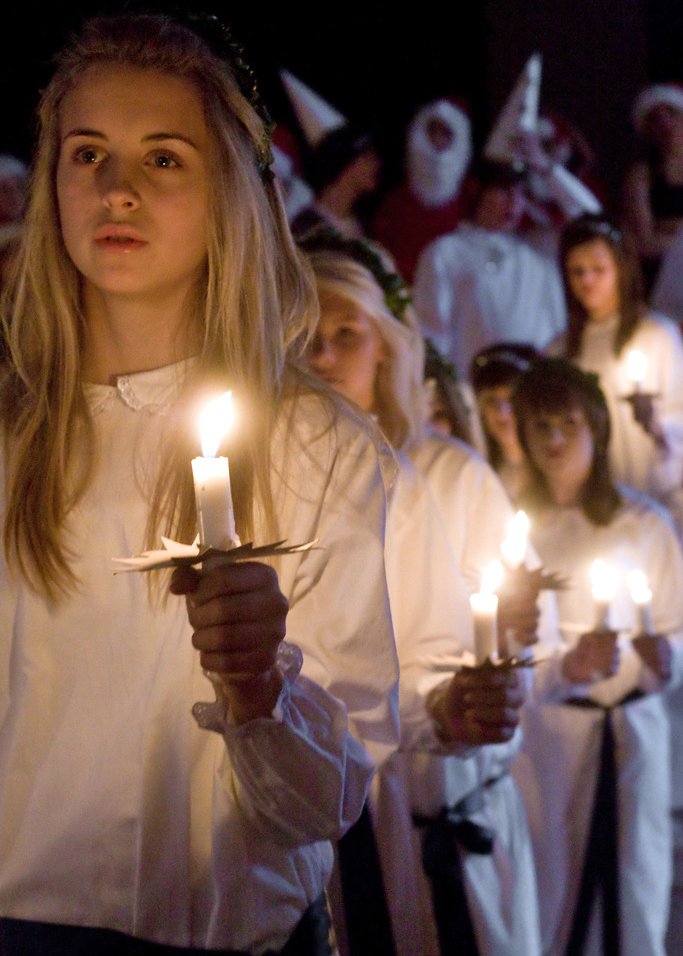 Saint Lucy's DayA December festival of light and song held across Scandinavia and Italy to honour a Christian martyr.
 Independence DayThe United States' national day of parades, barbecues and fireworks, kept each July 4
Good reading and sources
- National Day of Sweden on WikipediaEncyclopedia
- More photos on Wikimedia CommonsPhotos and video
- Wikidata recordOpen data
The facts on this page come from the Wikipedia article "National Day of Sweden", written by its contributors and used under the CC BY-SA 4.0 licence, and from its Wikidata record (CC0). EveryParampara rewrote the text in its own words, with AI assistance, and compares every page with the article to make sure no passage is copied. It may be reused under the same CC BY-SA 4.0 licence with a link back.
It may contain mistakes. Traditions differ from one family, village and community to the next, and the people who keep them know them best. If something is wrong, tell us. Last refreshed 2026-10-04.
More from Sweden
All the traditions of Sweden 🇨🇦 Canada and 5 moreBuy Nothing Day
An annual 24-hour pause on shopping to protest consumerism and overconsumptionCeremony
🇨🇦 Canada and 5 moreBuy Nothing Day
An annual 24-hour pause on shopping to protest consumerism and overconsumptionCeremony
 🇸🇪 Stockholm, Sweden and 2 moreGustavus Adolphus DayGustav Adolfsdagen
A Swedish flag day on 6 November, marked with a pastry topped with the king's likenessCeremony · Sweets given and shared
🇸🇪 Stockholm, Sweden and 2 moreGustavus Adolphus DayGustav Adolfsdagen
A Swedish flag day on 6 November, marked with a pastry topped with the king's likenessCeremony · Sweets given and shared
 🇵🇱 Poland and 2 morePolonaisePolonez
A traditional Polish partner dance in triple metre, kept as a national custom and UNESCO heritage.Performance
🇵🇱 Poland and 2 morePolonaisePolonez
A traditional Polish partner dance in triple metre, kept as a national custom and UNESCO heritage.Performance
 🇸🇪 Sweden and 3 moreAdventadventus
A four-week Christian season of waiting and preparation for Christmas and the Second Coming.Festival
🇸🇪 Sweden and 3 moreAdventadventus
A four-week Christian season of waiting and preparation for Christmas and the Second Coming.Festival
The same idea elsewhere
All of this kind
🇺🇸 Philadelphia, United States and 1 moreIndependence Day
The United States' national day of parades, barbecues and fireworks, kept each July 4Ceremony
 🇺🇸 Washington, United StatesState of the Union address
The US president's yearly report to Congress and the nation, given in the House chamberCeremony
🇺🇸 Washington, United StatesState of the Union address
The US president's yearly report to Congress and the nation, given in the House chamberCeremony
 🇮🇳 Kolkata, IndiaJana Gana Mana
India's national anthem, from a Bengali hymn of 1911, sung at civic occasionsCeremony
🇮🇳 Kolkata, IndiaJana Gana Mana
India's national anthem, from a Bengali hymn of 1911, sung at civic occasionsCeremony
 🇺🇸 United StatesTalking stick
A carved staff that shows who may speak at a Northwest Coast gatheringCeremony
🇺🇸 United StatesTalking stick
A carved staff that shows who may speak at a Northwest Coast gatheringCeremony