Music, dance and storytellingSub-Saharan Africa
Buraanbur
A traditional Somali poetic form composed by women, recited with drums and dance at weddings and gatherings.
Buraanbur is a lighter verse form in the long tradition of Somali poetry. It is usually composed by women to share thoughts on child-rearing, marriage, and social issues. The poems are often performed with drums and dancing at weddings and other community gatherings.
When is Buraanbur kept?
Buraanbur is kept at weddings and other community gatherings.
Buraanbur is a distinct poetic form within Somali culture, traditionally composed by women. It serves as a vital medium for expressing female experiences, from family life to political views. Often accompanied by drumming and dance, it is a lively part of weddings and social events.
What it is
Buraanbur is a specific type of Somali poetry known for its lighter rhythm compared to the epic gabay. While men typically compose the more formal gabay, buraanbur is the highest literary genre for women. It includes sub-forms like hoyal, hoobeeyo, and sitaat, which can be religious songs. This verse style allows women to articulate their personal and collective voices through structured rhyme and meter.
How it is kept
Women perform buraanbur at weddings and various community gatherings. The recitation is often paired with rhythmic drumming, clapping, and dancing. This performance style transforms the poetry into a shared cultural experience. The act of reciting these verses connects participants through music and movement, reinforcing social bonds and celebrating communal occasions in a lively and engaging manner.
Themes and meaning
The content of buraanbur poems centers on topics relevant to women, such as child-rearing and marital relations. However, the scope extends to broader social and political issues. Historically, it has been used to convey educational messages and raise awareness. Women use this art form to express their feelings, aspirations, and concerns about their country and society, making it a powerful tool for communication.
Historical role
During the independence movement against colonial authorities, buraanbur became a significant instrument for mobilization. Poets like Halima Godane, Raha Ayaanle Guled, and Hawa Jibril used their verses to inspire resistance and encourage women to step out of seclusion. These poems helped women take responsibility for expressing their views and showing concern for their nation's future, marking a pivotal moment in cultural history.
How Buraanbur is kept
Women compose and recite buraanbur poems at weddings and community gatherings. The performance typically involves drumming, clapping, and dancing. This rhythmic accompaniment enhances the recitation, creating a dynamic atmosphere. The practice allows women to share their perspectives on family, society, and politics in a public and celebratory setting.
When and where
It is kept at weddings and other community gatherings whenever women wish to share their poetic compositions.
It originates from Somalia and is practiced throughout Greater Somalia. It remains an important part of local culture in these regions.
What Buraanbur means
Buraanbur symbolizes the voice and agency of Somali women. It represents their ability to navigate both private domestic spheres and public political landscapes. By using this form, women assert their identity, challenge seclusion, and contribute to national discourse, turning personal experience into collective strength.
Questions people ask about Buraanbur
When is Buraanbur kept?
Buraanbur is kept at weddings and other community gatherings.
What is buraanbur?
Buraanbur is a traditional Somali poetic form composed primarily by women. It features a lighter measure than male-dominated epic poetry and covers themes like family, marriage, and social issues.
Who composes buraanbur?
Traditionally, buraanbur is composed by women. It serves as the highest literary genre for them, allowing them to express their unique perspectives and experiences.
What themes does it cover?
The poems focus on female-centric topics like child-rearing and marital relations. They also address broader social, political, and educational issues affecting the community.
See also
 DhaantoA Somali folk dance and music style used for morale and celebration in the Horn of Africa.
 Morris danceA rhythmic English folk dance performed in costume with bells, sticks and handkerchiefs
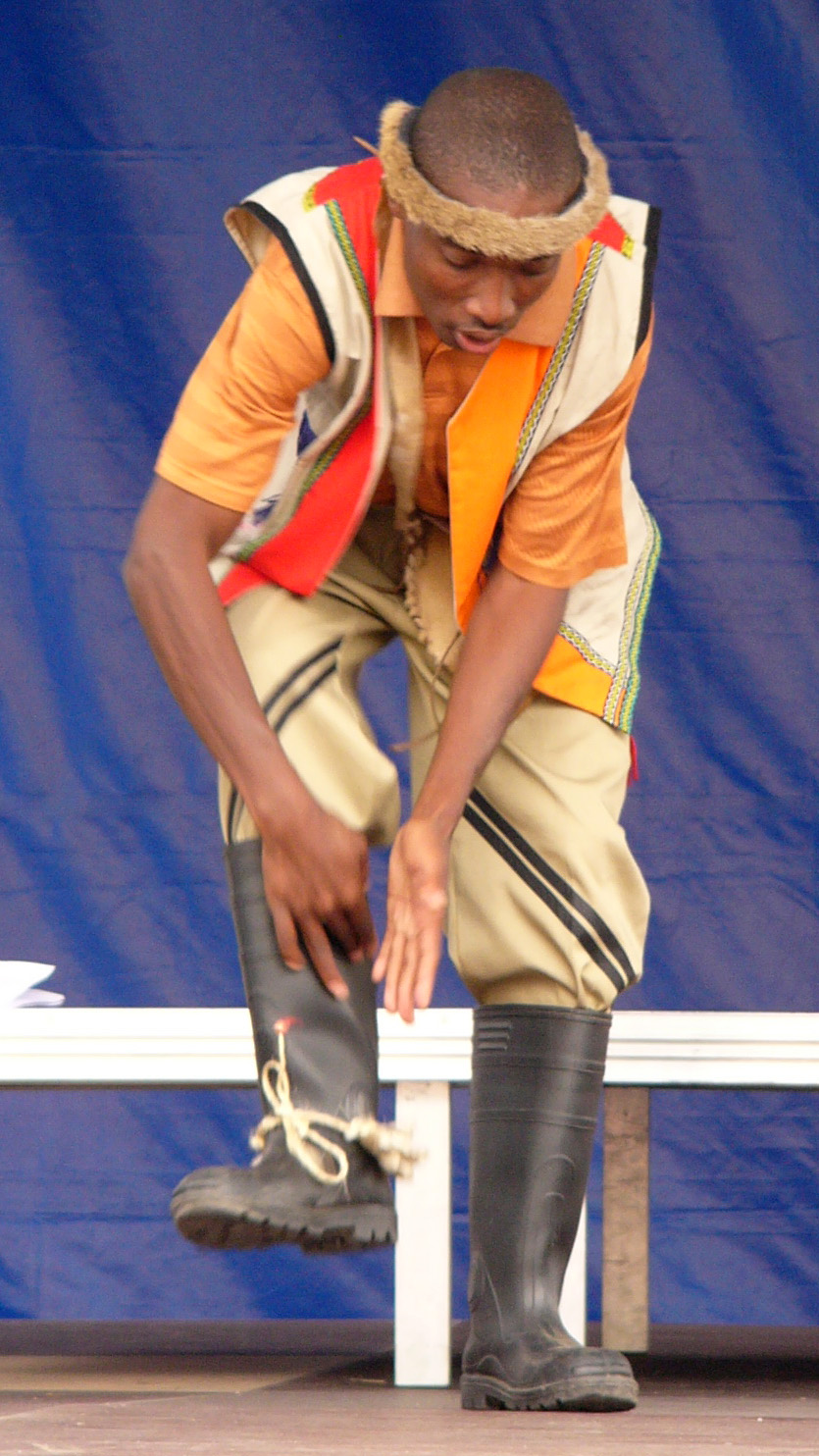 Gumboot danceA percussive South African dance born in the mines, performed in Wellington boots to communicate and celebrate.CuartetoAn upbeat partner dance and music tradition born in Córdoba, Argentina
Good reading and sources
The facts on this page come from the Wikipedia article "Buraanbur", written by its contributors and used under the CC BY-SA 4.0 licence, and from its Wikidata record (CC0). EveryParampara rewrote the text in its own words, with AI assistance, and compares every page with the article to make sure no passage is copied. It may be reused under the same CC BY-SA 4.0 licence with a link back.
It may contain mistakes. Traditions differ from one family, village and community to the next, and the people who keep them know them best. If something is wrong, tell us. Last refreshed 2026-10-05.

The same idea elsewhere
All of this kind 🇹🇷 Kayseri, Turkey and 4 moreHalay
A traditional line and circle folk dance kept across Turkey, Azerbaijan, Armenia, Iran, and Syria.Performance
🇧🇷 BrazilBaião
A syncopated folk rhythm and partnered dance from northeastern BrazilPerformance
🇹🇷 Kayseri, Turkey and 4 moreHalay
A traditional line and circle folk dance kept across Turkey, Azerbaijan, Armenia, Iran, and Syria.Performance
🇧🇷 BrazilBaião
A syncopated folk rhythm and partnered dance from northeastern BrazilPerformance
 🇺🇦 Kyiv, UkraineBanduraБандура
A Ukrainian plucked string instrument played to accompany epic songs and folk balladsPerformance
🇺🇦 Kyiv, UkraineBanduraБандура
A Ukrainian plucked string instrument played to accompany epic songs and folk balladsPerformance
 🇳🇿 Auckland, New ZealandPoi
A Māori performing art of swinging tethered weights in rhythmical patterns.Performance
🇳🇿 Auckland, New ZealandPoi
A Māori performing art of swinging tethered weights in rhythmical patterns.Performance