Music, dance and storytellingOceaniaIndigenous and traditional
Poi
A Māori performing art of swinging tethered weights in rhythmical patterns.

Poi is a traditional performance art and skill toy from New Zealand. Originating with the Māori people, it involves swinging tethered weights through geometric patterns. The practice has evolved into modern styles enjoyed globally.
When is Poi kept?
Poi is kept at cultural events and festivals.
Poi is a performing art where practitioners swing tethered weights in rhythmic patterns. It originated with the Māori people of New Zealand as a women's dance form. Today, it exists alongside modern variations practiced worldwide.
Origins and meaning
The word poi refers to both the objects and the choreography in the Māori language. Traditionally, women performed these routines at cultural gatherings. Legends suggest men once used similar movements to build wrist strength for weapons, though scholars find no proof. Performances often include singing and storytelling alongside other disciplines like haka.
Traditional construction
Historically, makers crafted poi from harakeke flax and raupō stems. They twisted flax fibres into cords and formed balls from the pithy center of raupō. Tassels made from muka adorned the ends. Some versions featured finely woven shells with diamond patterns. A tourist industry in Rotorua produced miniature versions for visitors in the nineteenth century.
Modern practice
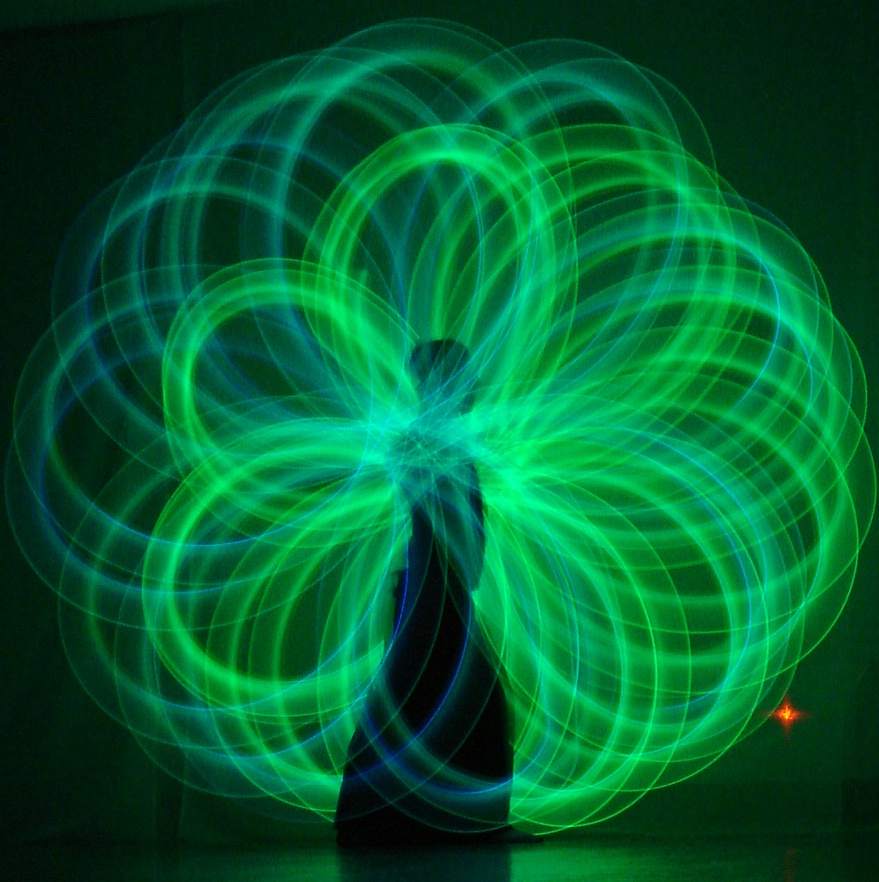
Contemporary poi uses durable materials like foam cores and plastic skins. Spinners often learn from peers or online resources rather than formal schools. While traditional groups perform together with music, modern artists usually spin alone without accompaniment. Styles vary widely, including fire spinning and glow poi using LED lights or chemical sticks.
Health and community
Research from the University of Auckland shows that regular practice improves grip strength, balance, and attention. The global community shares techniques at festivals and conventions. Beginners often start with soft practice tools like weighted socks before moving to professional equipment. This self-teaching culture keeps the art accessible and evolving.
How Poi is kept
Practitioners swing tethered weights through geometric patterns while maintaining rhythm. Traditional performances involve groups dancing with vocal accompaniment. Modern artists often spin solo, focusing on dexterity and visual effects. Learners typically start with soft practice tools before advancing to specialized equipment.
When and where
Performed at cultural events and festivals throughout the year.
Strongest in New Zealand among Māori communities. Also popular globally at juggling and arts festivals.
What Poi means
It serves as a method of storytelling and physical expression. The movements connect performers to their heritage and each other. The art emphasizes grace, coordination, and cultural identity within the Māori community.


Questions people ask about Poi
When is Poi kept?
Poi is kept at cultural events and festivals.
Where is Poi kept?
Poi belongs to the traditions of New Zealand, and is tied most closely to Auckland.
Who keeps Poi?
As our sources describe it, Poi is kept by Māori. Many other communities and families now share it too.
See also
 Siva SamoaA graceful Samoan dance marked by subtle, expressive arm and hand movementsFa'ataupatiA traditional Samoan dance performed by men who clap and slap their bodies to create rhythm.
 Morris danceA rhythmic English folk dance performed in costume with bells, sticks and handkerchiefs
 Fleadh CheoilAn annual gathering of Irish traditional music and dance, featuring competitions, public sessions, and concerts across I
Good reading and sources
- Poi (performance art) on WikipediaEncyclopedia
- More photos on Wikimedia CommonsPhotos and video
- Wikidata recordOpen data
The facts on this page come from the Wikipedia article "Poi (performance art)", written by its contributors and used under the CC BY-SA 4.0 licence, and from its Wikidata record (CC0). EveryParampara rewrote the text in its own words, with AI assistance, and compares every page with the article to make sure no passage is copied. It may be reused under the same CC BY-SA 4.0 licence with a link back.
It may contain mistakes. Traditions differ from one family, village and community to the next, and the people who keep them know them best. If something is wrong, tell us. Last refreshed 2026-10-05.
More from New Zealand
All the traditions of New Zealand
🇼🇸 Samoa and 3 moreSiva Samoa
A graceful Samoan dance marked by subtle, expressive arm and hand movementsPerformance
🇬🇧 United Kingdom and 5 moreMorris dance
A rhythmic English folk dance performed in costume with bells, sticks and handkerchiefsPerformance
🇮🇪 Ireland and 5 moreFleadh CheoilFleadh Cheoil na hÉireann
An annual gathering of Irish traditional music and dance, featuring competitions, public sessions, and concerts across IPerformance
The same idea elsewhere
All of this kind 🇹🇷 Kayseri, Turkey and 4 moreHalay
A traditional line and circle folk dance kept across Turkey, Azerbaijan, Armenia, Iran, and Syria.Performance
🇧🇷 BrazilBaião
A syncopated folk rhythm and partnered dance from northeastern BrazilPerformance
🇹🇷 Kayseri, Turkey and 4 moreHalay
A traditional line and circle folk dance kept across Turkey, Azerbaijan, Armenia, Iran, and Syria.Performance
🇧🇷 BrazilBaião
A syncopated folk rhythm and partnered dance from northeastern BrazilPerformance
 🇺🇦 Kyiv, UkraineBanduraБандура
A Ukrainian plucked string instrument played to accompany epic songs and folk balladsPerformance
🇺🇦 Kyiv, UkraineBanduraБандура
A Ukrainian plucked string instrument played to accompany epic songs and folk balladsPerformance
 🇵🇭 Philippines and 1 morePangalay
A traditional fingernail dance of the Tausūg and Bajau peoples in the Sulu Archipelago and Sabah.Performance
🇵🇭 Philippines and 1 morePangalay
A traditional fingernail dance of the Tausūg and Bajau peoples in the Sulu Archipelago and Sabah.Performance