Royal, civic and national ceremonyEuropeChristian
Church parade
A formal military procession held to attend a religious service
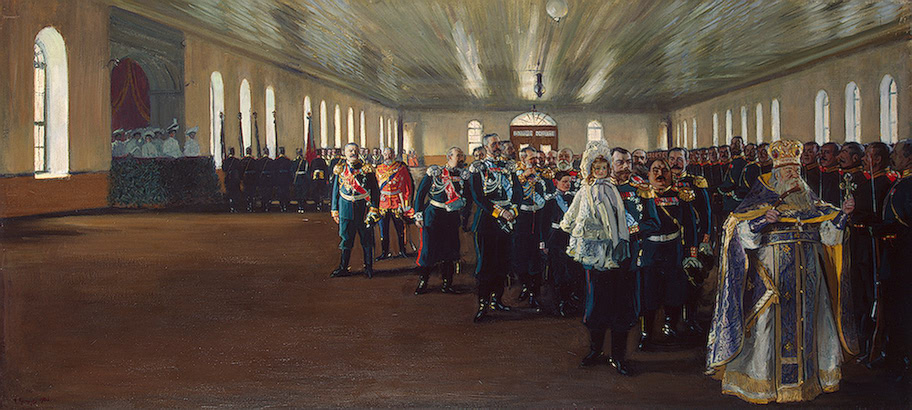
A church parade is a military procession where service personnel march together to attend a religious service. Common in the United Kingdom, it historically allowed chaplains to address an entire military unit at once.
When is Church parade kept?
Church parade is kept on occasions of national or local importance, or scheduled worship.
A church parade brings together members of the armed forces or other uniformed groups to march in formation to a place of worship. The gathering gives military units a structured way to participate in religious observances together. For military chaplains, these formal gatherings historically offered an opportunity to address an entire military formation at one time.
The military gathering
In a church parade, armed service members or members of uniformed bodies assemble and march in an organised formation to take part in religious services. Historically, chaplains relied on these compulsory gatherings to speak directly to whole military units at once. Over time, the nature of these assemblies changed as rules around mandatory attendance evolved, balancing military routine with the personal beliefs of individual service members.
Postwar changes in Britain
Compulsory worship in British forces saw major legislative shifts after the Second World War. Following parliamentary debate in October 1946, the King's Regulations were revised so that commanders could no longer command soldiers or officers to attend worship, nor force them to march before or after a service. The church reopened the matter in 1949. Following six years of discussion and review, updated provisions were formally introduced into the Queen's Regulations in 1955.
Modern regulations and rights
The updated British regulations protected personal conscience while allowing parades on notable occasions. High-ranking leaders, such as a Commander-in-Chief or General Officer Commanding, could still call a church parade for events of local or national significance. However, service members could not be forced into services outside their own faith group or into joint worship. Official rules also required respectful consideration for recognized non-Christian minorities, while permitting orders to attend services only for personnel under seventeen within their own denomination.
How Church parade is kept
Service personnel or members of uniformed bodies form up on parade and march as an organised unit to a religious service. Senior officers may call these parades for significant national or local events. During the assembly, personnel take part in designated worship, though regulations ensure soldiers are not compelled to join services outside their own faith or participate in joint religious ceremonies against their conscience.
When and where
Church parades take place when ordered by senior military commanders for notable national or local events, or during scheduled religious services for uniformed units.
The tradition is observed among British military forces and uniformed organizations, taking place at military stations, local places of worship, or civic parade grounds.
What Church parade means
A church parade represents unity and formal discipline among service members attending worship together. It historically served as a central moment for chaplains to offer moral guidance and communicate directly with an entire formation.
Questions people ask about Church parade
When is Church parade kept?
Church parade is kept on occasions of national or local importance, or scheduled worship.
What is a church parade?
A church parade is a military procession where armed forces personnel or uniformed organizations march in formation to attend a religious service. It historically allowed military chaplains to address an entire unit at one time.
Where are church parades held?
Church parades are held in the United Kingdom by military units and uniformed groups, typically on parade routes leading to military or civic places of worship.
Can British soldiers be forced to attend a church parade?
Under British regulations established in the mid-twentieth century, service members cannot generally be compelled to attend religious services against their will, nor forced to take part in worship outside their own denomination.
See also
 Beating RetreatA military ceremony of music and drill held at sunset to mark the end of a day or a festival.
 Lord Mayor's ShowAn annual civic parade in London marking the inauguration of the Lord Mayor with a procession and pageantry.
 Victory in Europe DayThe day Nazi Germany's surrender was accepted, marking the end of the war in Europe
 Buy Nothing DayAn annual 24-hour pause on shopping to protest consumerism and overconsumption
Good reading and sources
The facts on this page come from the Wikipedia article "Church parade", written by its contributors and used under the CC BY-SA 4.0 licence, and from its Wikidata record (CC0). EveryParampara rewrote the text in its own words, with AI assistance, and compares every page with the article to make sure no passage is copied. It may be reused under the same CC BY-SA 4.0 licence with a link back.
It may contain mistakes. Traditions differ from one family, village and community to the next, and the people who keep them know them best. If something is wrong, tell us. Last refreshed 2026-10-06.
More from the United Kingdom
All the traditions of the United Kingdom
🇬🇧 London, United KingdomLord Mayor's Show
An annual civic parade in London marking the inauguration of the Lord Mayor with a procession and pageantry.Ceremony
🇬🇧 United Kingdom and 5 moreBeating Retreat
A military ceremony of music and drill held at sunset to mark the end of a day or a festival.Ceremony
 🇬🇧 London, United KingdomTrooping the Colour
The annual British military parade marking the official birthday of the monarch.Ceremony
🇬🇧 London, United KingdomTrooping the Colour
The annual British military parade marking the official birthday of the monarch.Ceremony
 🇳🇿 Waitangi, New Zealand and 2 moreWaitangi DayTe Rā o Waitangi
New Zealand's national day remembering the 1840 founding agreement.Ceremony · Breakfast
🇳🇿 Waitangi, New Zealand and 2 moreWaitangi DayTe Rā o Waitangi
New Zealand's national day remembering the 1840 founding agreement.Ceremony · Breakfast
The same idea elsewhere
All of this kind 🇺🇸 Philadelphia, United States and 1 moreIndependence Day
The United States' national day of parades, barbecues and fireworks, kept each July 4Ceremony
🇺🇸 Philadelphia, United States and 1 moreIndependence Day
The United States' national day of parades, barbecues and fireworks, kept each July 4Ceremony
 🇺🇸 Washington, United StatesState of the Union address
The US president's yearly report to Congress and the nation, given in the House chamberCeremony
🇺🇸 Washington, United StatesState of the Union address
The US president's yearly report to Congress and the nation, given in the House chamberCeremony
 🇮🇳 Kolkata, IndiaJana Gana Mana
India's national anthem, from a Bengali hymn of 1911, sung at civic occasionsCeremony
🇮🇳 Kolkata, IndiaJana Gana Mana
India's national anthem, from a Bengali hymn of 1911, sung at civic occasionsCeremony
 🇺🇸 United StatesTalking stick
A carved staff that shows who may speak at a Northwest Coast gatheringCeremony
🇺🇸 United StatesTalking stick
A carved staff that shows who may speak at a Northwest Coast gatheringCeremony