Royal, civic and national ceremonySouth Asia
Defence Day
In its own language: یومِ دفاع
Pakistan's national day for its soldiers, kept each 6 September with parades and tributes
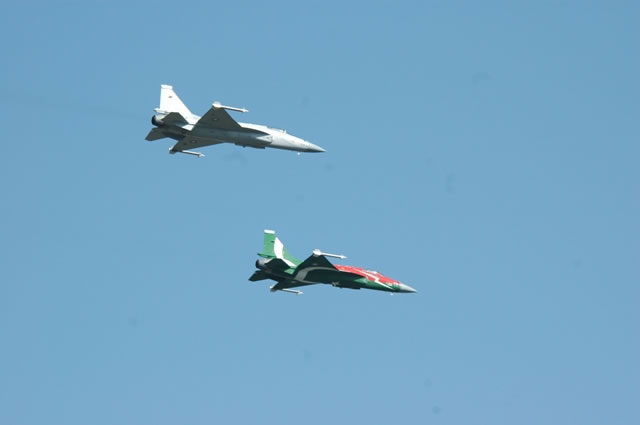
Defence Day is a national day in Pakistan, kept on 6 September. It remembers the soldiers who fought in the 1965 war with India, and it is marked by parades, flag ceremonies, military displays, patriotic songs and television tributes that the public can watch.
When is Defence Day kept?
Defence Day is kept every year on 6 September, for one day.
Every 6 September, Pakistan stops to remember its soldiers. The day is called Defence Day, or Youm-e-Difa in Urdu, and it is a national observance rather than a religious one. It looks back to the 1965 war with India. Flag ceremonies, parades and televised tributes fill the date across the country, and the armed forces open parts of their displays to the public.
What it is
Defence Day is a one-day national observance in Pakistan, held on the same date each year. It belongs to the country's civic calendar and honours the armed forces rather than a religious figure or event. The official account describes an unprovoked attack from India that Pakistani soldiers turned back, even though their army was smaller and had fewer weapons. Pakistani commentators have challenged that version, saying it presents false history and works as propaganda. Both readings are heard inside the country. State institutions, the military and a large part of the public keep the day, and it is a public holiday.
How the war began
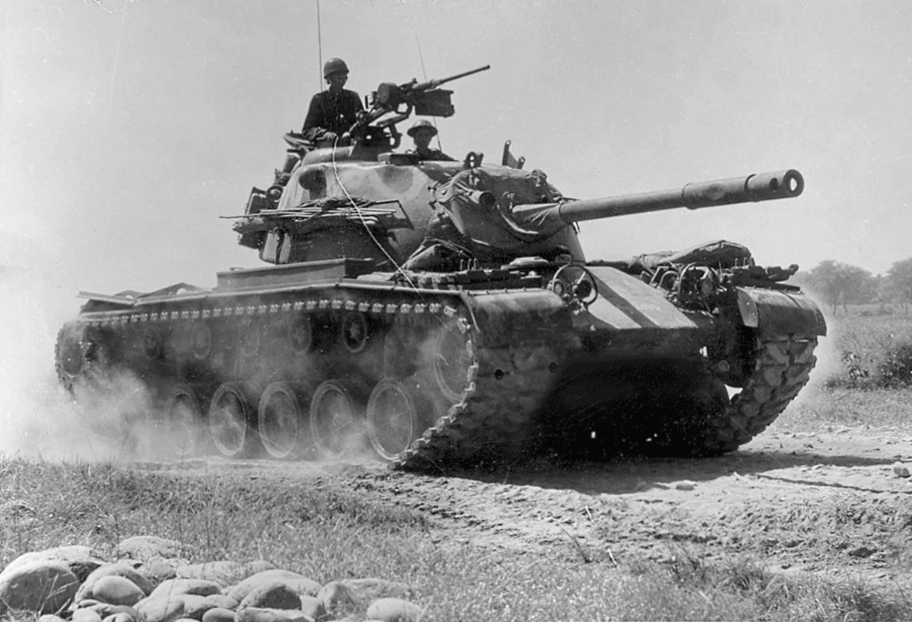
Pakistan first sent fighters known as Mujahideen into the Kashmir Valley, to stir rebellion and disrupt local installations. A second stage opened on 1 September, when tanks rolled towards the bridge at Akhnoor, in the Jammu Division, under the name Operation Grand Slam. The scholar Shuja Nawaz writes that the plan was to seize that bridge and turn towards Jammu, cutting India's road link with the Kashmir Valley. Pakistan had set aside warnings from India's prime minister, Lal Bahadur Shastri, that an attack on Kashmir would bring retaliation. The operation was meant to be short and swift, a fait accompli. On 6 September, Indian forces entered Punjab under a strategy of riposte announced beforehand.
Fighting and ceasefire
India's aims included cutting the Grand Trunk Road close to Lahore and taking the Lahore Cantonment. The move caught Pakistan's commanders by surprise. Air Marshal Nur Khan said later that on the second day of the war, Army Chief General Musa Khan reported to President Muhammad Ayub Khan that the army had used up its ammunition. Indian commanders questioned that account. Lt Gen Harwant Singh said the heaviest Pakistani firing came after the ceasefire, and that the army lost heavily. On 23 September, Pakistan accepted a ceasefire mandated by the United Nations.
How it is kept
The observances are run by the state and the armed forces, and ordinary Pakistanis join in as spectators. A flag raising opens the day, followed by a parade. Military exhibitions then display the newest missiles, tanks, guns and helicopters, together with equipment from the engineers, signals, air defence, service and medical corps. People may attend these events at particular places, and national television channels broadcast them. Screens also carry national songs, programmes about the 1965 conflict, and accounts of the people killed that day. Speeches and award ceremonies take place, and fireworks close the evening. In Karachi, cadets of the Pakistan Air Force Academy take over the guard at Mazar-e-Quaid.
Arguments about the day
Inside Pakistan the day carries pride in the armed forces and sorrow for those who died. The official story is of a smaller army holding its ground. Air Marshal Nur Khan, who served at the time, later called the conflict a wrong war and said the public had been misled by the idea that India, not Pakistan, provoked it. Indian commanders disputed parts of his account. Because the official version is questioned, the day also holds a debate about memory: what a country chooses to tell itself about a war.
How Defence Day is kept
The armed forces lead, and the public watches and takes part. The order is this: the flag goes up, a parade follows, and military hardware is then shown, including missiles, tanks, artillery and helicopters, with contributions from several army corps. Some displays are open at named venues, and national channels carry them live. Television fills the rest of the day with national songs, programmes about the war, and accounts of those who died in 1965. Speeches and award ceremonies come next. Fireworks end the evening. At Mazar-e-Quaid in Karachi, Pakistan Air Force Academy cadets take up the guard.
When and where
The observance is fixed to 6 September and lasts a single day. It falls on the same date each year, so nothing about it moves with the moon or the season, though the weekday changes. The date recalls 1965, when the fighting reached Pakistani Punjab.
It is kept across Pakistan, with the state, the armed forces and national television carrying it to households nationwide. Karachi has a fixed point in the day, the change of guard at Mazar-e-Quaid. The events of 1965 that the day recalls took place in Punjab, near Lahore, and towards Jammu.
What Defence Day means
For those who keep it, the day stands for a soldier's willingness to defend the country, and for grief at the losses of 1965. The flag, the parade and the guard ceremony turn that feeling into something visible. Because the official account of the war is disputed, the day also carries an argument about memory, about what the country tells itself over who began the fighting.
Questions people ask about Defence Day
When is Defence Day kept?
Defence Day is kept every year on 6 September, for one day.
What is Defence Day?
It is a national day in Pakistan, kept on 6 September. It remembers the soldiers who defended the country in the 1965 war with India. The state, the armed forces and much of the public take part. It is a civic observance, not a religious festival.
Where is it kept?
Across Pakistan, with the state and the armed forces leading. National television carries the ceremonies, so they reach households around the country. In Karachi, cadets of the Pakistan Air Force Academy take over the guard at Mazar-e-Quaid. The fighting recalled took place in Punjab, near Lahore, and towards Jammu.
What happens on the day?
A flag is raised, and a parade is held. The army shows missiles, tanks, guns and helicopters, and members of the public may watch at set places. Television carries national songs and programmes about the 1965 war. Speeches, award ceremonies and fireworks also feature.
Do all Pakistanis accept the official account of 1965?
No. Some Pakistani commentators, among them Air Marshal Nur Khan, who served in the war, have said the official version is false history and propaganda. He called it a wrong war and said the nation had been misled about who provoked it. Indian commanders disputed parts of his account.
See also
 JirgaA traditional consultative council of elders that settles disputes through consensus
 Pakistan Independence DayA nationwide summer holiday commemorating the birth of Pakistan on 14 August 1947
 Pakistan DayPakistan's national day on 23 March: the 1940 Lahore Resolution and the 1956 constitution
 Wagah Border CeremonyA daily flag-lowering ritual at the India-Pakistan border featuring high kicks and synchronized drills.
Good reading and sources
- September 6: A day to remember the sacrifices of Pakistan's martyrsDawn, Article
- Dear Pakistanis, this Defence Day, please stop celebrating hateAl Jazeera, Article
- September 6: A day to remember the sacrifices of Pakistan's martyrsDawn, Article
- Dear Pakistanis, this Defence Day, please stop celebrating hateAl Jazeera, Article
- Defence Day on WikipediaEncyclopedia
- More photos on Wikimedia CommonsPhotos and video
- Wikidata recordOpen data
The facts on this page come from the Wikipedia article "Defence Day", written by its contributors and used under the CC BY-SA 4.0 licence, and from its Wikidata record (CC0). EveryParampara rewrote the text in its own words, with AI assistance, and compares every page with the article to make sure no passage is copied. It may be reused under the same CC BY-SA 4.0 licence with a link back.
It may contain mistakes. Traditions differ from one family, village and community to the next, and the people who keep them know them best. If something is wrong, tell us. Last refreshed 2026-10-05.
More from Pakistan
All the traditions of Pakistan
🇦🇫 Kabul, Afghanistan and 1 moreJirgaجرګه
A traditional consultative council of elders that settles disputes through consensusCeremony
🇵🇰 Islamabad, PakistanPakistan Independence Dayیومِ آزادی
A nationwide summer holiday commemorating the birth of Pakistan on 14 August 1947Ceremony
🇮🇳 India and 1 moreWagah Border Ceremony
A daily flag-lowering ritual at the India-Pakistan border featuring high kicks and synchronized drills.Ceremony
🇵🇰 Islamabad, Pakistan and 1 morePakistan Dayیومِ پاکستان
Pakistan's national day on 23 March: the 1940 Lahore Resolution and the 1956 constitutionCeremony
The same idea elsewhere
All of this kind 🇺🇸 Philadelphia, United States and 1 moreIndependence Day
The United States' national day of parades, barbecues and fireworks, kept each July 4Ceremony
🇺🇸 Philadelphia, United States and 1 moreIndependence Day
The United States' national day of parades, barbecues and fireworks, kept each July 4Ceremony
 🇵🇱 Auschwitz-Birkenau, Poland and 1 moreMarch of the LivingMarsz Żywych (Polish) · מצעד החיים (Hebrew)
An annual two-week journey to Poland ending in a silent walk from Auschwitz to BirkenauCeremony
🇵🇱 Auschwitz-Birkenau, Poland and 1 moreMarch of the LivingMarsz Żywych (Polish) · מצעד החיים (Hebrew)
An annual two-week journey to Poland ending in a silent walk from Auschwitz to BirkenauCeremony
 🇺🇸 Washington, United StatesState of the Union address
The US president's yearly report to Congress and the nation, given in the House chamberCeremony
🇺🇸 Washington, United StatesState of the Union address
The US president's yearly report to Congress and the nation, given in the House chamberCeremony
 🇺🇸 United StatesTalking stick
A carved staff that shows who may speak at a Northwest Coast gatheringCeremony
🇺🇸 United StatesTalking stick
A carved staff that shows who may speak at a Northwest Coast gatheringCeremony