🇵🇰 Traditions of Pakistan
61 traditions from Pakistan, best known first, across 15 cities and towns.
Pakistan's living culture blends Central Asian, Persian, Arab, and South Asian roots within a shared Islamic framework. From communal Sufi shrines and celebratory wedding dances to regional cooking styles based on rice, bread, and aromatic spices, daily life balances local ethnic customs with strong family ties.
Everyday life in Pakistan reflects a meeting of diverse regional identities alongside deeply held Islamic practices. While extended households remain central to the social fabric, each province keeps its own distinctive heritage of music, movement, and hospitality. Across the country, communal life revolves around sacred calendar celebrations, shared family meals, and seasonal gatherings. From the quiet rituals of Sufi shrines to lively neighborhood weddings, traditions are preserved through communal devotion, spoken verse, and customary garments worn by both men and women.
Marking the sacred calendar
Religious observances structure much of the ceremonial year across Pakistan. The holy fasting month of Ramazan leads directly into the widespread celebrations of Eid-ul-Fitr, marked by communal prayers, visits, and shared food. Later in the year, families observe Eid-ul-Azha with ritual sacrifice and the sharing of meat. Alongside these primary Islamic milestones, minority communities openly celebrate their own sacred occasions, including Christian gatherings for Christmas and Easter as well as Hindu festivities during Holi and Diwali. These holidays gather extended families together, offering moments where traditional etiquette, gift giving, and festive hospitality take center stage in both cities and rural towns.
Dance and celebration
Movement and folk dance form an essential part of regional festivities and life milestones. In Punjab, women gather for the energetic Giddha, while men perform Jhumar and wedding parties dance the Luddi. Pashtun communities celebrate communal gatherings with the rhythmic steps of the Attan and the historical Khattak sword dance. Baloch celebrations feature the Chaap, which is performed at weddings. In Sindh, devotees perform the ecstatic Dhamal at Sufi shrines, where dervishes wear traditional robes, special rings, and embroidered caps to dance to rhythmic drum beats. Whether held at sacred shrines or private marriage halls, these dances maintain regional identity across generations.
Dress and family life
Social structure in Pakistan relies heavily on respect for hierarchy and strong ties within extended families, though nuclear households have become more common in growing cities. Across all regions and social groups, the shalwar kameez serves as the standard national dress for both men and women. This loose tunic and trouser set provides modesty and ease in varied climates, though men in urban areas also pair western shirts or jeans with casual wear. Etiquette emphasizes hospitality, filial devotion, and community solidarity. As middle-class communities expand, modern lifestyles blend smoothly with long-standing domestic customs and conventional dress codes.
Flavors at the table
Pakistani cooking follows Islamic dietary rules, focusing on halal meats such as beef, chicken, lamb, and fish while strictly excluding pork and alcohol. While rich meat dishes hold high prestige, everyday meals often rely on lentils, seasonal vegetables, and rice due to economic practicalities. Cooking is richly scented with spices like green and brown cardamom, cinnamon, cloves, cumin, and turmeric, alongside aromatic blends of garam masala. Clarified butter, or ghee, remains a valued cooking fat. Regional tastes differ markedly: northern Pashtun and western Balochi cooking favor milder, aromatic preparations such as roasted meat skewers, slow-cooked rosh, and fragrant rice pilafs.
Poetry and sacred sounds
Spoken verse and musical recitation hold a treasured place in public and private gatherings. The country maintains an enduring literary tradition across languages such as Urdu, Sindhi, Pashto, Punjabi, and Balochi. Mystical Sufi poets like Shah Abdul Latif and Bulleh Shah remain deeply popular, their verses passed down through generations and set to music. In musical performance, traditional forms like Qawwali create an atmosphere of intense devotion, while Ghazal singing provides refined poetic expression. Modern musicians frequently blend these classical styles with contemporary instruments. The visual arts also reflect this background through intricate Arabic calligraphy and decorative painting styles.
Architecture and sacred spaces
The country's architectural history spans several millennia, moving from ancient Bronze Age settlements to intricate Islamic monuments. Early ruins like Mohenjo Daro and the Buddhist monastery of Takht-i-Bahi illustrate early regional craft. With the arrival of Islam, sacred design shifted toward geometric patterns, arabesques, and calligraphic inscriptions rather than depictions of living beings. The historic tomb of Shah Rukn-i-Alam in Multan stands as an early masterpiece of this transition. Later Mughal builders fused Persian and local Indian techniques, constructing grand landmarks such as the Badshahi Mosque and the massive Lahore Fort, which continue to define urban public spaces today.
The facts in this overview come from the Wikipedia article "Culture of Pakistan", written by its contributors and used under the CC BY-SA 4.0 licence. EveryParampara rewrote the text in its own words, with AI assistance, and compares every page with the article to make sure no passage is copied. It may be reused under the same CC BY-SA 4.0 licence with a link back.
The table in Pakistan
Foods and drinks by the moment they belong to.
 🇮🇷 Iran and 7 moreNowruzنوروز
The Iranian new year at the March equinox, kept with fire, greenery and picnicsSeasonal
🇮🇷 Iran and 7 moreNowruzنوروز
The Iranian new year at the March equinox, kept with fire, greenery and picnicsSeasonal
 🇮🇳 Mathura, India and 5 moreHoliहोली (Hindi)
A spring festival of colours and bonfires that marks the end of winter and the triumph of good over evil.Festival
🇮🇳 Mathura, India and 5 moreHoliहोली (Hindi)
A spring festival of colours and bonfires that marks the end of winter and the triumph of good over evil.Festival
 🇵🇰 Karachi, Pakistan and 2 moreSouth Asian truck art
The craft of painting and adorning cargo trucks and buses across India and Pakistan.Craft
🇵🇰 Karachi, Pakistan and 2 moreSouth Asian truck art
The craft of painting and adorning cargo trucks and buses across India and Pakistan.Craft
 🇮🇳 India and 1 morePhulkariਫੁਲਕਾਰੀ
Geometric and floral threadwork embroidered by Punjabi women on handwoven cotton.Craft
🇮🇳 Gwalior, India and 1 moreDhrupadध्रुवपद
The foundational vocal and instrumental classical music tradition of northern IndiaPerformance
🇮🇳 India and 1 morePhulkariਫੁਲਕਾਰੀ
Geometric and floral threadwork embroidered by Punjabi women on handwoven cotton.Craft
🇮🇳 Gwalior, India and 1 moreDhrupadध्रुवपद
The foundational vocal and instrumental classical music tradition of northern IndiaPerformance
 🇮🇷 Isfahan, Iran and 3 morePersian gardenباغ ایرانی
An ancient tradition of creating walled, geometric sanctuaries of shade and flowing waterCraft
🇦🇫 Kabul, Afghanistan and 1 moreAttanاتڼ
A Pashtun circle dance of drums and clapping, kept at weddings and gatherings.Performance
🇮🇷 Isfahan, Iran and 3 morePersian gardenباغ ایرانی
An ancient tradition of creating walled, geometric sanctuaries of shade and flowing waterCraft
🇦🇫 Kabul, Afghanistan and 1 moreAttanاتڼ
A Pashtun circle dance of drums and clapping, kept at weddings and gatherings.Performance
 🇹🇷 Turkey and 5 moreNazarnazar boncuğu
A blue glass eye amulet worn and displayed to deflect the evil eye.Folklore
🇹🇷 Turkey and 5 moreNazarnazar boncuğu
A blue glass eye amulet worn and displayed to deflect the evil eye.Folklore
 🇮🇳 Amritsar, India and 1 moreGatkaਗੱਤਕਾ (Gurmukhi) / گَتّکا (Shahmukhi)
A Sikh martial art of stick-fighting and sword dance from the Punjab region.Performance
🇮🇳 Amritsar, India and 1 moreGatkaਗੱਤਕਾ (Gurmukhi) / گَتّکا (Shahmukhi)
A Sikh martial art of stick-fighting and sword dance from the Punjab region.Performance
 🇮🇳 India and 2 moreGiddhaਗਿੱਧਾ
A lively circle dance of women from the Punjab region, performed with clapping and call-and-response songs.Performance
🇮🇳 India and 2 moreGiddhaਗਿੱਧਾ
A lively circle dance of women from the Punjab region, performed with clapping and call-and-response songs.Performance
 🇮🇳 India and 1 moreNazar battuनज़र बट्टू / نظر بٹو
A protective custom in South Asia using deliberate flaws or charms to deflect the evil eye.Spiritual
🇮🇳 India and 1 moreNazar battuनज़र बट्टू / نظر بٹو
A protective custom in South Asia using deliberate flaws or charms to deflect the evil eye.Spiritual
 🇮🇳 India and 5 moreGhazalغَزَل
A short rhyming poem of love and parting, recited and sung from Arabia to South AsiaPerformance
🇮🇳 India and 5 moreGhazalغَزَل
A short rhyming poem of love and parting, recited and sung from Arabia to South AsiaPerformance
 🇮🇩 Jakarta, Indonesia and 2 moreMudik
Indonesians head home to family before Lebaran, in the year's biggest journeyHome
🇮🇩 Jakarta, Indonesia and 2 moreMudik
Indonesians head home to family before Lebaran, in the year's biggest journeyHome
 🇵🇰 Islamabad, Pakistan and 2 moreQawwaliقَوّالی
Devotional Sufi singing from South Asia, led by hereditary parties at shrinesPerformance
🇵🇰 Islamabad, Pakistan and 2 moreQawwaliقَوّالی
Devotional Sufi singing from South Asia, led by hereditary parties at shrinesPerformance
 🇨🇳 China and 5 morePostpartum confinement
A period of rest, nourishment, and seclusion for mothers after giving birth.Rite of passage
🇨🇳 China and 5 morePostpartum confinement
A period of rest, nourishment, and seclusion for mothers after giving birth.Rite of passage
 🇦🇫 Kabul, Afghanistan and 1 moreJirgaجرګه
A traditional consultative council of elders that settles disputes through consensusCeremony
🇦🇫 Kabul, Afghanistan and 1 moreJirgaجرګه
A traditional consultative council of elders that settles disputes through consensusCeremony
 🇮🇳 India and 3 moreMaha Shivaratriमहाशिवरात्रि
A Hindu night of fasting and vigil dedicated to Shiva, marking his divine union with Parvati.Festival
🇮🇳 India and 3 moreMaha Shivaratriमहाशिवरात्रि
A Hindu night of fasting and vigil dedicated to Shiva, marking his divine union with Parvati.Festival
 🇮🇳 Varanasi, India and 4 moreRaksha Bandhan
A Hindu festival where sisters tie a protective thread on their brothers' wrists to honour their bond.Festival
🇮🇳 Varanasi, India and 4 moreRaksha Bandhan
A Hindu festival where sisters tie a protective thread on their brothers' wrists to honour their bond.Festival
 🇮🇳 Mathura, India and 4 moreKrishna Janmashtamiकृष्णजन्माष्टमी
A Hindu festival celebrating the birth of Krishna with fasting, singing and night vigilsSpiritual
🇮🇳 Mathura, India and 4 moreKrishna Janmashtamiकृष्णजन्माष्टमी
A Hindu festival celebrating the birth of Krishna with fasting, singing and night vigilsSpiritual
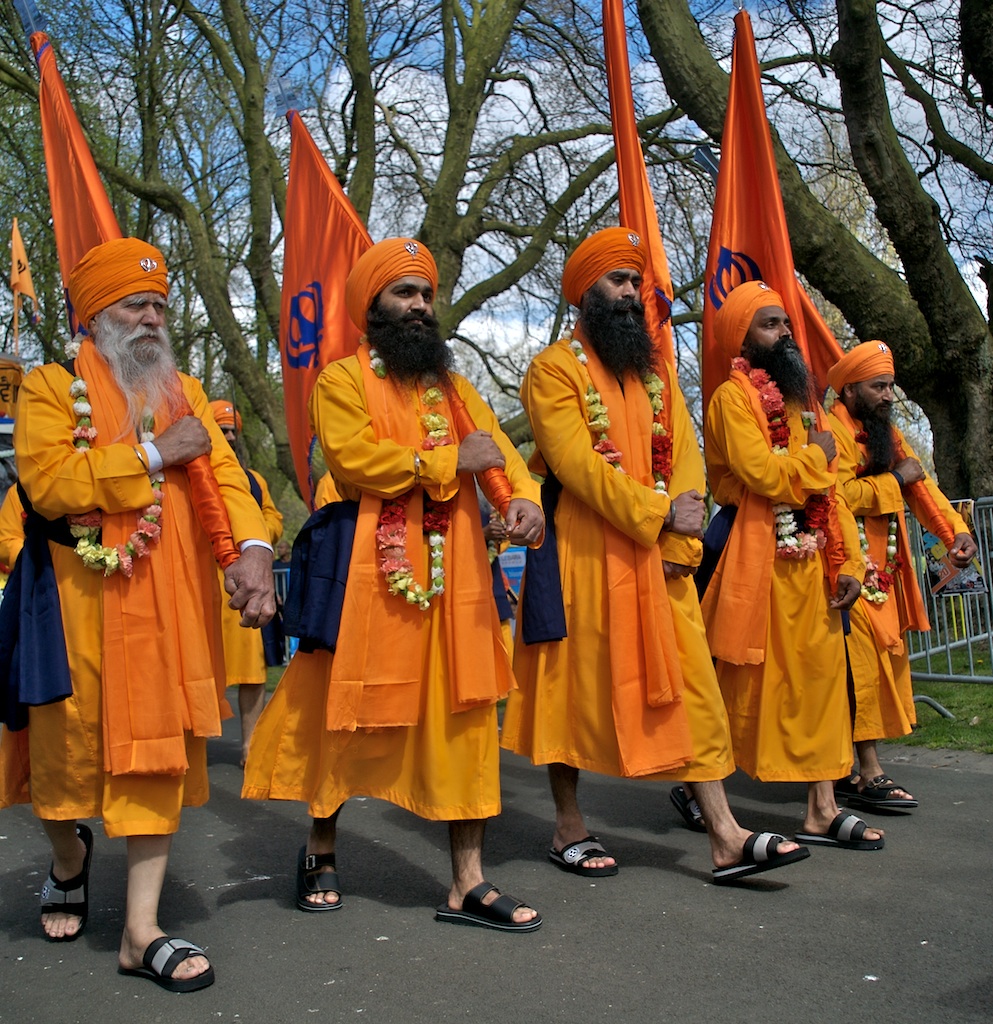 🇮🇳 Amritsar, India and 1 moreVaisakhi
A spring harvest and new year festival kept across India and Pakistan by Hindus and Sikhs.Festival
🇮🇳 Amritsar, India and 1 moreVaisakhi
A spring harvest and new year festival kept across India and Pakistan by Hindus and Sikhs.Festival
 🇮🇳 India and 1 moreLohri
A northern Indian midwinter festival of evening bonfires, folk songs and harvest foodsSeasonal
🇮🇳 India and 1 moreLohri
A northern Indian midwinter festival of evening bonfires, folk songs and harvest foodsSeasonal
 🇵🇰 Islamabad, PakistanPakistan Independence Dayیومِ آزادی
A nationwide summer holiday commemorating the birth of Pakistan on 14 August 1947Ceremony
🇵🇰 Islamabad, PakistanPakistan Independence Dayیومِ آزادی
A nationwide summer holiday commemorating the birth of Pakistan on 14 August 1947Ceremony
 🇮🇳 India and 1 moreWagah Border Ceremony
A daily flag-lowering ritual at the India-Pakistan border featuring high kicks and synchronized drills.Ceremony
🇮🇳 India and 1 moreWagah Border Ceremony
A daily flag-lowering ritual at the India-Pakistan border featuring high kicks and synchronized drills.Ceremony
 🇮🇳 India and 1 moreCheti Chandچيٽي چنڊ
The Sindhi New Year festival celebrating the arrival of spring and JhulelalSeasonal · Feasts and festival meals
🇮🇳 India and 1 moreCheti Chandچيٽي چنڊ
The Sindhi New Year festival celebrating the arrival of spring and JhulelalSeasonal · Feasts and festival meals
 🇮🇳 Lucknow, India and 3 moreSherwani
A long buttoned coat for men, worn at weddings and state occasions in South AsiaDress
🇮🇳 Lucknow, India and 3 moreSherwani
A long buttoned coat for men, worn at weddings and state occasions in South AsiaDress
 🇨🇳 Lhasa, China and 5 moreButter teaབོད་ཇ་
A salted tea churned with yak butter, served to guests across the HimalayaTable custom · Tea, coffee and drinking ceremonies
🇨🇳 Lhasa, China and 5 moreButter teaབོད་ཇ་
A salted tea churned with yak butter, served to guests across the HimalayaTable custom · Tea, coffee and drinking ceremonies
 🇮🇳 Srinagar, India and 3 morePashmina
Ultra-fine wool of Himalayan goats, hand-woven in Kashmir into shawls of rankDress
🇮🇳 Srinagar, India and 3 morePashmina
Ultra-fine wool of Himalayan goats, hand-woven in Kashmir into shawls of rankDress
 🇮🇷 Mashhad, Iran and 7 moreIftarإفطار
The sunset meal that breaks the Ramadan fast, eaten with family and communityTable custom · Fasting and breaking the fast
🇮🇷 Mashhad, Iran and 7 moreIftarإفطار
The sunset meal that breaks the Ramadan fast, eaten with family and communityTable custom · Fasting and breaking the fast
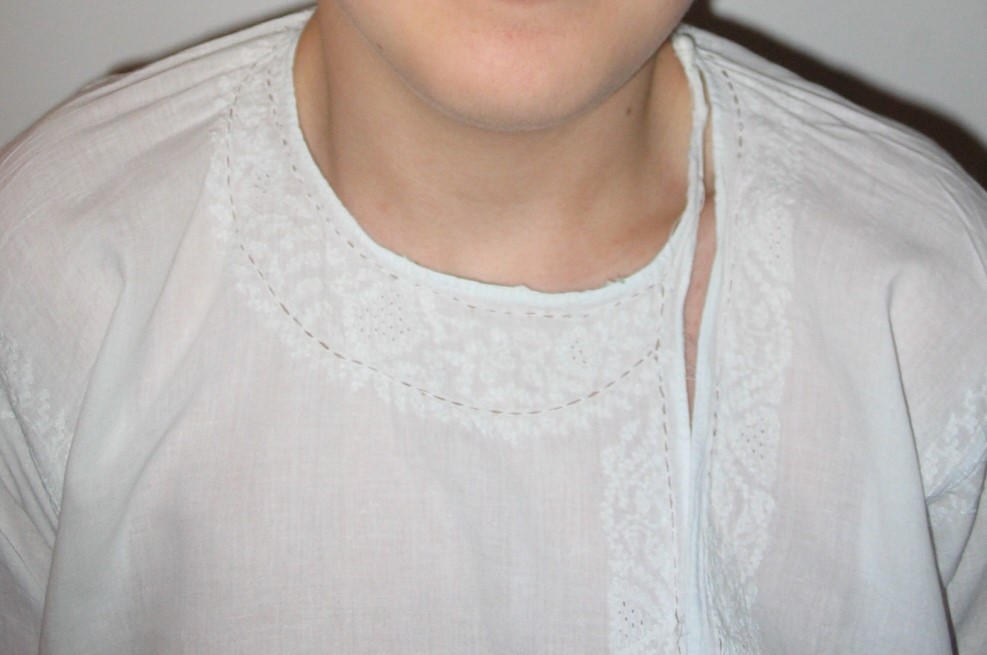 🇮🇳 Lucknow, India and 5 moreKurtaکرته (Persian), कुरता (Hindi)
A loose collarless tunic from South Asia, worn plain or embroidered over pyjamas or jeansDress
🇮🇳 Lucknow, India and 5 moreKurtaکرته (Persian), कुरता (Hindi)
A loose collarless tunic from South Asia, worn plain or embroidered over pyjamas or jeansDress
 🇵🇰 Multan, Pakistan and 3 moreShalwar kameez
Loose trousers and a long tunic, worn as one outfit across South AsiaDress
🇵🇰 Multan, Pakistan and 3 moreShalwar kameez
Loose trousers and a long tunic, worn as one outfit across South AsiaDress
 🇮🇷 Iran and 4 moreZardoziزردوزی (zarduzi)
Heavy gold and silver embroidery on silk or velvet, worked in Iran, India and beyondCraft
🇮🇷 Iran and 4 moreZardoziزردوزی (zarduzi)
Heavy gold and silver embroidery on silk or velvet, worked in Iran, India and beyondCraft
 🇵🇰 Pakistan and 3 moreChaand Raatचाँद रात, چاند رات
The South Asian night of moon-sighting and celebration before EidFestival
🇵🇰 Pakistan and 3 moreChaand Raatचाँद रात, چاند رات
The South Asian night of moon-sighting and celebration before EidFestival
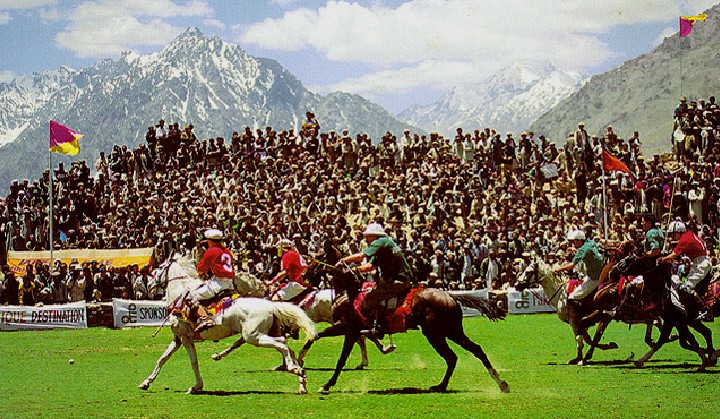 🇵🇰 PakistanShandur Polo Festivalشندور چوگان میلہ
A three-day mountain polo competition played with freestyle rules in northern PakistanGame
🇵🇰 PakistanShandur Polo Festivalشندور چوگان میلہ
A three-day mountain polo competition played with freestyle rules in northern PakistanGame
 🇮🇶 Karbala, Iraq and 4 moreMuharramٱلْمُحَرَّم
The sacred opening month of the Islamic year, observed through remembrance and fastingSpiritual · Fasting and breaking the fast
🇮🇶 Karbala, Iraq and 4 moreMuharramٱلْمُحَرَّم
The sacred opening month of the Islamic year, observed through remembrance and fastingSpiritual · Fasting and breaking the fast
 🇷🇺 Moscow, Russia and 4 morePalm Sunday
A Christian Sunday feast marking Jesus's entry into Jerusalem with blessed branches.Spiritual
🇷🇺 Moscow, Russia and 4 morePalm Sunday
A Christian Sunday feast marking Jesus's entry into Jerusalem with blessed branches.Spiritual
 🇵🇰 PakistanChilam Joshi
A spring festival of music, dance, and prayers celebrated by the Kalash peopleFestival
🇵🇰 PakistanChilam Joshi
A spring festival of music, dance, and prayers celebrated by the Kalash peopleFestival
 🇵🇰 Lahore, PakistanMela Chiraghanمیلہ چراغاں
A three-day Lahore festival honouring the sixteenth-century Sufi poet Shah Hussain.Spiritual
🇵🇰 Lahore, PakistanMela Chiraghanمیلہ چراغاں
A three-day Lahore festival honouring the sixteenth-century Sufi poet Shah Hussain.Spiritual
 🇬🇧 United Kingdom and 5 moreAsh WednesdayDies Cinerum
A solemn Christian holy day of prayer, fasting, and the placing of ashesSpiritual · Fasting and breaking the fast
🇬🇧 United Kingdom and 5 moreAsh WednesdayDies Cinerum
A solemn Christian holy day of prayer, fasting, and the placing of ashesSpiritual · Fasting and breaking the fast
 🇵🇰 Lahore, Pakistan and 1 moreBasant
A Punjabi spring festival marked by rooftop kite flying, yellow clothing and fairsFestival · Sweets given and shared
🇵🇰 Lahore, Pakistan and 1 moreBasant
A Punjabi spring festival marked by rooftop kite flying, yellow clothing and fairsFestival · Sweets given and shared
 🇮🇳 India and 2 morePehlwani
A traditional discipline of clay-pit wrestling across the Indian subcontinent.Game
🇮🇳 India and 2 morePehlwani
A traditional discipline of clay-pit wrestling across the Indian subcontinent.Game
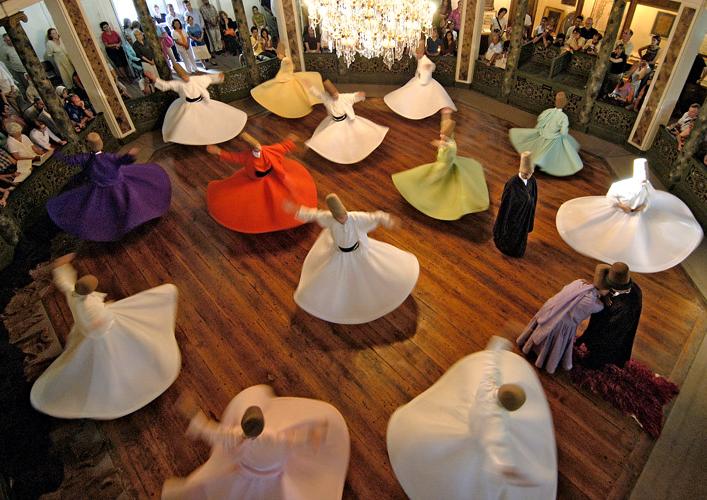 🇹🇷 Turkey and 2 moreSufi whirling
A Sufi meditation in which dervishes spin in circles to turn toward GodSpiritual
🇹🇷 Turkey and 2 moreSufi whirling
A Sufi meditation in which dervishes spin in circles to turn toward GodSpiritual
 🇮🇷 Iran and 5 moreEid al-Ghadirعید الغدیر
A Shia Muslim festival of prayer, gifts and shared meals, kept on 18 Dhu al-HijjahSpiritual
🇮🇷 Iran and 5 moreEid al-Ghadirعید الغدیر
A Shia Muslim festival of prayer, gifts and shared meals, kept on 18 Dhu al-HijjahSpiritual
 🇮🇳 India and 4 moreSariसाड़ी
An unstitched length of cloth that women drape around the body, worn across South AsiaDress
🇮🇳 India and 4 moreSariसाड़ी
An unstitched length of cloth that women drape around the body, worn across South AsiaDress
 🇮🇳 Bhuj, India and 1 moreBandhani
Tie-dye cloth from India, knotted by hand and dipped in dye to leave dot patternsCraft
🇮🇳 Bhuj, India and 1 moreBandhani
Tie-dye cloth from India, knotted by hand and dipped in dye to leave dot patternsCraft
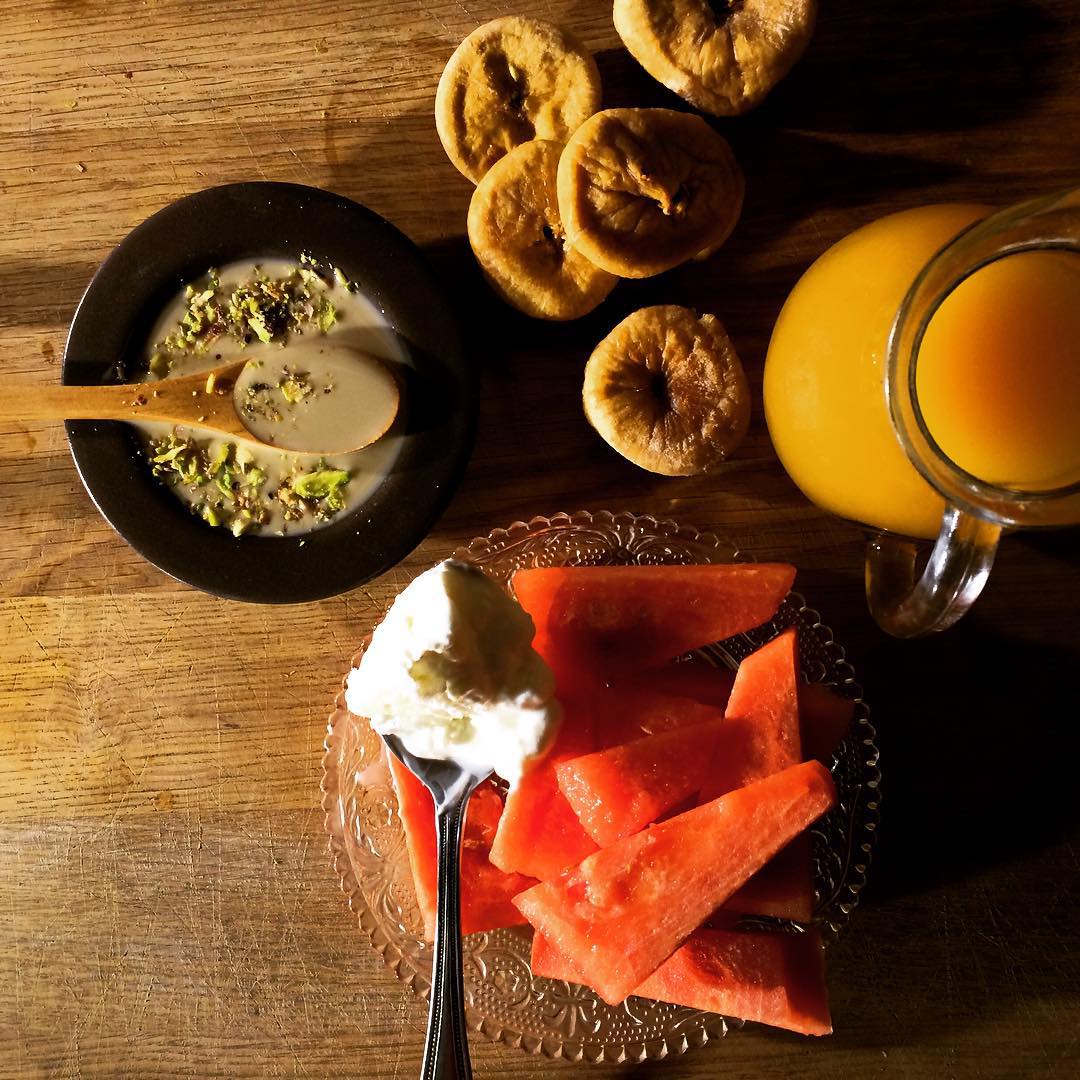 🇧🇩 Dhaka, Bangladesh and 5 moreSuhurسحور
The pre-dawn meal Muslims eat before a day of fasting in RamadanTable custom · Breakfast
🇧🇩 Dhaka, Bangladesh and 5 moreSuhurسحور
The pre-dawn meal Muslims eat before a day of fasting in RamadanTable custom · Breakfast
 🇮🇳 Lucknow, India and 1 moreKathak
A north Indian classical dance of stories, footwork and spins, from temples and courtsPerformance
🇮🇳 Lucknow, India and 1 moreKathak
A north Indian classical dance of stories, footwork and spins, from temples and courtsPerformance
 🇵🇰 PakistanPakistani weddingپاکستانی شادی
Weddings across Pakistan: a match is found, a contract signed, two families joinedRite of passage
🇵🇰 PakistanPakistani weddingپاکستانی شادی
Weddings across Pakistan: a match is found, a contract signed, two families joinedRite of passage
 🇮🇳 India and 5 moreBindi
A dot worn between the eyebrows, red for marriage and devotion, worn daily by many womenDress
🇮🇳 India and 5 moreBindi
A dot worn between the eyebrows, red for marriage and devotion, worn daily by many womenDress
Photo credits on this page
The small pictures above come from Wikimedia Commons under free licences. Some are cropped to fit.
- Sherwani: SabaFatima123456789, Public domain, source
- Holi: Jitenderasingh, CC BY-SA 4.0, source
- Maha Shivaratri: Navneesh Ramessur, CC BY-SA 4.0, source
- Wagah Border Ceremony: Vengolis, CC BY-SA 4.0, source
- Raksha Bandhan: Suyash.dwivedi, CC BY-SA 4.0, source
- Krishna Janmashtami: Nvvchar, CC BY-SA 3.0, source
- Vaisakhi: Michael Clark, CC BY 2.0, source
- Pakistan Independence Day: Khaum, CC BY 3.0, source
- Ghazal: Poem by Sa'di of Shiraz (13th century). 19th century manuscript, Public domain, source
- Pehlwani: Prasanna Revan aka. Prasannare at en.wikipedia, CC BY-SA 3.0, source
- Zardozi: Zarood, CC BY-SA 3.0, source
- Lohri: Karen Sandhu, CC BY 2.0, source
- Nowruz: Katzenfee50, CC0, source
- Chaand Raat: Phadke09, CC BY-SA 4.0, source
- Mudik: Arie Basuki, CC BY-SA 4.0, source
- Qawwali: Saswat swarup mishra, CC BY-SA 4.0, source
- Shandur Polo Festival: Addden321, CC BY-SA 4.0, source
- Muharram: Victor Armand Poirson, Public domain, source
- Palm Sunday: Pietro Lorenzetti, Public domain, source
- Chilam Joshi: Jugni, CC BY-SA 4.0, source
- Mela Chiraghan: Muhammad Umair Mirza, CC BY-SA 4.0, source
- Ash Wednesday: Oxh973, Public domain, source
- Basant: Haseeb Ahmad Farooqi, CC BY-SA 4.0, source
- Cheti Chand: Coolross ( talk ), CC BY-SA 3.0, source
- South Asian truck art: Alexandros.Papadopoulos, CC BY-SA 2.0, source
- Postpartum confinement: Unknown, Public domain, source
- Sama: myself, Public domain, source
- Phulkari: Sheebamadanloewinger, CC BY-SA 4.0, source
- Jirga: Alpha4354747, Public domain, source
- Persian garden: dynamosquito, CC BY-SA 2.0, source
- Nazar: Alev Akın, CC BY-SA 4.0, source
- Gatka: Simon Speed, Public domain, source
- Giddha: University of the Fraser Valley, CC BY 2.0, source
- Nazar battu: Wiki-uk, CC BY-SA 3.0, source
- Kurta: Unknown author, Public domain, source
- Iftar: Shariful Islam (Masum), CC BY-SA 4.0, source
- Shalwar kameez: Bernard Gagnon, CC BY-SA 3.0, source
- Butter tea: Yosomono, CC BY 2.0, source
- Pashmina: Aaditya Kitroo, CC BY-SA 4.0, source
- Eid al-Ghadir: khamenei.ir, CC BY 4.0, source
- Sari: Suyash.dwivedi, CC BY-SA 4.0, source
- Bandhani: RubyGoes, CC BY 2.0, source
- Suhur: Hussein Alazaat, CC BY 2.0, source
- Kathak: Shinjinikulkarni, CC BY 4.0, source
- Pakistani wedding: Rukhsana iqbal, CC BY-SA 4.0, source
- Bindi: Vinay Sahay, CC BY-SA 4.0, source