Music, dance and storytellingOceania
Fatele
A traditional dance song of Tuvalu performed at community events and celebrations.

The fatele is a traditional dance song from Tuvalu. It combines singing with choreographed movement by women while men provide the rhythm. The performance serves as a central part of community gatherings, weddings, and church festivals across the islands.
When is Fatele kept?
Fatele is kept at community events, weddings, and church festivals.
The fatele is a living tradition of Tuvalu that blends music and dance. It brings communities together for celebration and storytelling. Women perform graceful movements while men keep the beat. This art form reflects the history and spirit of the island nation.
What it is
The fatele is the most common type of traditional song in Tuvalu. It is a dance song where performers enact stories through movement. Other styles like fakanau exist, but fatele dominates modern practice. Dancers wear specific attire including coconut skirts called titi fakamanumanu and leaf skirts known as pulaka. They also use floral garlands and head wreaths called fau. Men sit on mats or wooden boxes to create the rhythm using their hands or empty containers. The performance builds in intensity until it reaches a sudden climax.
Origins and history
Missionaries from the London Missionary Society arrived in the 1860s and suppressed many traditional songs. They viewed rhythmic swaying as inappropriate and banned dances tied to older spiritual practices. Over time, influences from Samoa became prominent. The Samoan siva dance style shaped the modern fatele. Anthropologist Gerd Koch recorded older songs in the early 1960s. These recordings helped preserve traditions that predated missionary influence. The result is a unique blend of older forms and external musical elements.
How it is kept
Traditional performances involved young unmarried women sitting or kneeling. They moved their arms and upper bodies while singing. Older men led the lyrics in meeting halls called maneapa. The chorus joined in, repeating the song louder and faster. Modern fatele features women dancing in lines while standing. Men face them and beat the time on mats or boxes. Each island often divides into two competitive sides. The lyrics are crucial to the performance. Festivities can last for hours during weddings or church events.
Meaning today
Today the fatele celebrates leaders and community members. It was performed for high-profile visitors like the Duke and Duchess of Cambridge. The style acts as a microcosm of Polynesian culture. Contemporary and older musical styles coexist within the tradition. It remains a vital expression of identity for the Tuvaluan people. The shared tradition extends to Tokelau as well. Communities continue to keep this art form alive through regular public performances.
How Fatele is kept
Women dance in lines while men sit and beat rhythms on mats or boxes. Performers wear coconut and leaf skirts with floral accessories. The story unfolds through movement and song. Competitions between island sides are common. The performance ends abruptly after building to a peak.
When and where
Kept at community events, weddings, and church festivals throughout the year.
Strongest in Tuvalu, with shared traditions in Tokelau.
What Fatele means
It serves as a narrative vehicle for community stories. The competitive nature strengthens local bonds. The blending of styles shows cultural adaptation. It honors leaders and marks significant social occasions.
Questions people ask about Fatele
When is Fatele kept?
Fatele is kept at community events, weddings, and church festivals.
What is the fatele?
It is a traditional dance song from Tuvalu. Women perform choreographed movements while men provide rhythmic accompaniment. It is the most common form of traditional music in the islands.
What do dancers wear?
Performers wear titi fakamanumanu coconut skirts and pulaka leaf skirts. They also use lakei or manogi accessories like fau head wreaths and floral garlands.
How did missionaries affect it?
Early missionaries suppressed traditional songs and dances they deemed inappropriate. This led to the loss of some older spiritual practices. Later, Samoan influences reshaped the remaining traditions into the modern fatele.
See also
 Music of TuvaluRhythmic storytelling dances and choral singing from the Polynesian atolls of Tuvalu
 Morris danceA rhythmic English folk dance performed in costume with bells, sticks and handkerchiefs
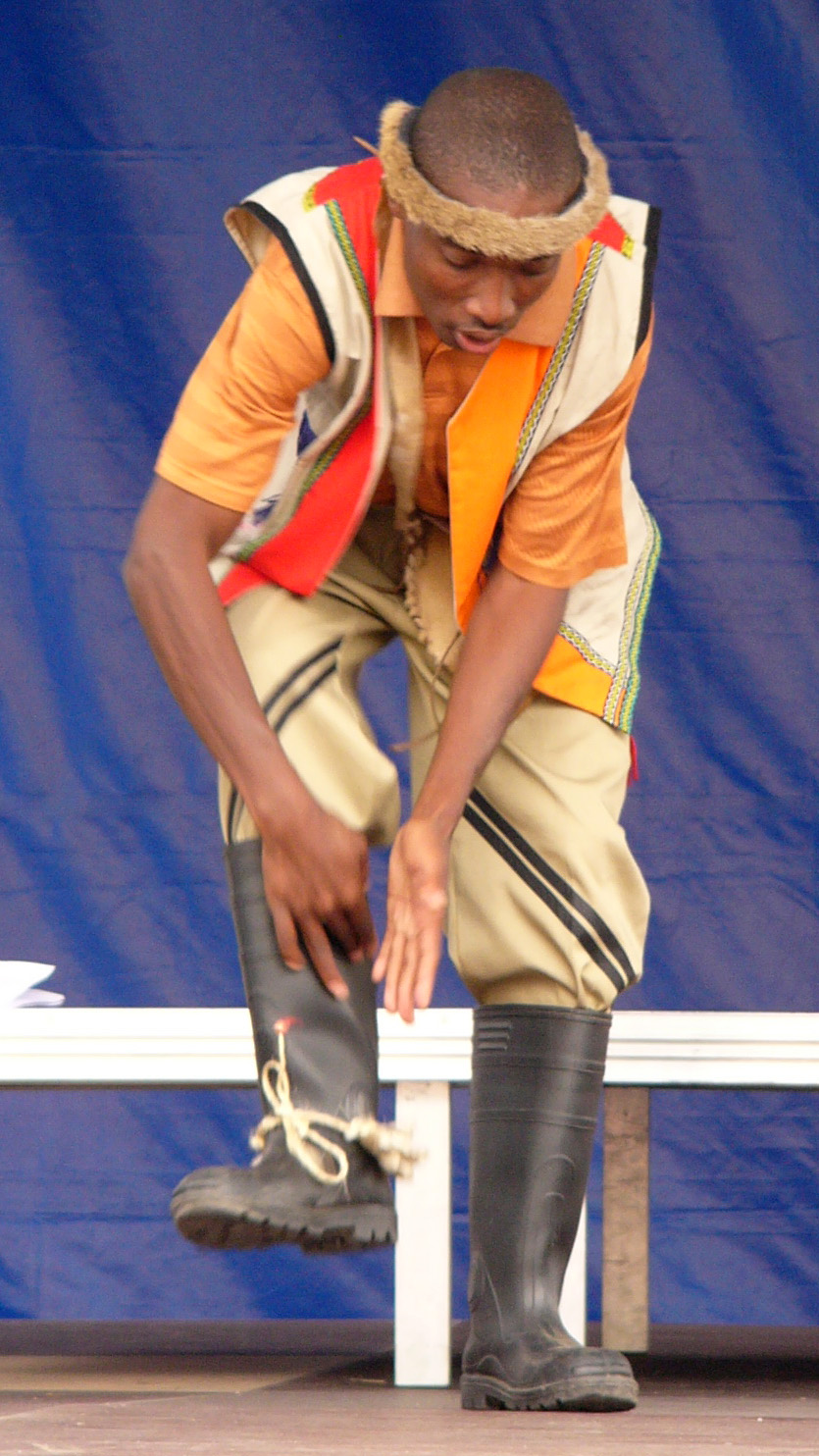 Gumboot danceA percussive South African dance born in the mines, performed in Wellington boots to communicate and celebrate.CuartetoAn upbeat partner dance and music tradition born in Córdoba, Argentina
Good reading and sources
The facts on this page come from the Wikipedia article "Fatele", written by its contributors and used under the CC BY-SA 4.0 licence, and from its Wikidata record (CC0). EveryParampara rewrote the text in its own words, with AI assistance, and compares every page with the article to make sure no passage is copied. It may be reused under the same CC BY-SA 4.0 licence with a link back.
It may contain mistakes. Traditions differ from one family, village and community to the next, and the people who keep them know them best. If something is wrong, tell us. Last refreshed 2026-10-04.
The same idea elsewhere
All of this kind 🇹🇷 Kayseri, Turkey and 4 moreHalay
A traditional line and circle folk dance kept across Turkey, Azerbaijan, Armenia, Iran, and Syria.Performance
🇧🇷 BrazilBaião
A syncopated folk rhythm and partnered dance from northeastern BrazilPerformance
🇹🇷 Kayseri, Turkey and 4 moreHalay
A traditional line and circle folk dance kept across Turkey, Azerbaijan, Armenia, Iran, and Syria.Performance
🇧🇷 BrazilBaião
A syncopated folk rhythm and partnered dance from northeastern BrazilPerformance
 🇺🇦 Kyiv, UkraineBanduraБандура
A Ukrainian plucked string instrument played to accompany epic songs and folk balladsPerformance
🇺🇦 Kyiv, UkraineBanduraБандура
A Ukrainian plucked string instrument played to accompany epic songs and folk balladsPerformance
 🇵🇭 Philippines and 1 morePangalay
A traditional fingernail dance of the Tausūg and Bajau peoples in the Sulu Archipelago and Sabah.Performance
🇵🇭 Philippines and 1 morePangalay
A traditional fingernail dance of the Tausūg and Bajau peoples in the Sulu Archipelago and Sabah.Performance