Music, dance and storytellingOceaniaChristianIndigenous and traditional
Music of Tuvalu
Rhythmic storytelling dances and choral singing from the Polynesian atolls of Tuvalu

Music in Tuvalu centres on rhythmic choral singing and expressive storytelling dances such as the fatele and fakaseasea. Performed in village meeting halls during celebrations, weddings and community gatherings, songs build gradually in speed and volume as percussionists strike wooden boxes, mats or tin cans.
When is Music of Tuvalu kept?
Music of Tuvalu is kept at community celebrations, weddings, church festivals and funerals.
Traditional Tuvaluan music weaves poetry, rhythm and gesture into communal performance. Rooted in island life, these songs and dances preserve history, honour community members, mark grief at funerals and celebrate festive gatherings. Islanders gather in the communal meeting hall to sing short, repetitive verses that accelerate over time. Performers enact dramatic sea voyages, daily tasks and local lore through coordinated movements of the hands, arms and body.
Song styles and rhythms
Traditional Tuvaluan songs rely on concise poetic verses that repeat with growing speed. Instead of strict rhyme or metre, the rhythm arises from balanced syllable counts and repetitive phrasing. Singers keep time by clapping hands, striking the ground, or beating rolled mats, fans, wooden tea chests and empty biscuit tins. In addition to dance tunes, islanders developed songs for many daily settings. Women sang while twisting coconut fibre into cord, children chanted during counting games, and fishermen used melodic calls on the water. Families voiced sorrow at funerals through solemn laments known as kupu, and composers crafted praise songs called viki or taugafatu to honour respected figures.
Dance and performance
Dancing is central to Tuvaluan musical life. The fatele is the most prominent style today. Inside the maneapa, or meeting hall, young unmarried women stand in rows, acting out stories with fluid hand and upper body gestures. Men sit opposite them, beating mats or wooden boxes. Elders begin the melody quietly, gradually quickening the pace until the piece reaches an abrupt, thunderous conclusion. Islanders often stage lively fatele competitions between two community groups. Older heritage styles include the fakaseasea, a slower dance with flexible steps kept alive mainly by elders, and the historic fakanau and oga, where seated dancers honoured notable figures through expressive gestures.
Dress and adornment
Dancers dress in distinct ceremonial attire for fatele performances. Performers wear a decorative skirt called te titi tao, layered directly over a base skirt known as a titi kaulama. Dancers complement these woven garments with colourful fabric tops known as teuga saka. Carefully fashioned accessories complete the ensemble, including decorative headbands, armbands and wristbands. These ornaments frame the rhythmic gestures of the arms and hands, catching the eye as dancers move in unison before the seated chorus.
Missionaries and revival
Before outside contact, spoken poetry recitations flourished across the atolls. In the 1860s, Samoan missionaries from the London Missionary Society banned traditional dances and sacred chants associated with ancient spiritual beliefs. Missionaries introduced church hymnody, which altered local vocal harmonies and song structure. As religious restrictions eased during the twentieth century, islanders revived their dance traditions and embraced the Samoan siva. Anthropologist Gerd Koch documented surviving pre-missionary chants and dances on Niutao, Nanumaga and Nukufetau in the early 1960s. Today, Radio Tuvalu broadcasts these historic recordings alongside contemporary Polynesian sounds, ensuring older melodies remain familiar to new generations.
How Music of Tuvalu is kept
Performances take place in the maneapa, the island meeting hall. Senior men sit on the floor and begin singing a short verse, setting the rhythm by tapping the floor, mats, wooden boxes or empty cracker tins. Young unmarried women rise in rows facing the singers, swaying and extending their arms to interpret the lyrics through gesture. As the verse repeats, the chorus sings louder and accelerates the tempo. The entire hall joins in, driving the music toward a high-energy peak before finishing on a sharp, sudden stop. In competitive events, two rival teams take turns performing.
When and where
Singing and dancing occur throughout the year rather than on a single date. Performances mark family milestones such as weddings and funerals, village celebrations, church holidays and visits from dignitaries. Festive fatele sessions often continue for many hours into the evening.
This musical tradition is practised across the atolls and reef islands of Tuvalu, including Niutao, Nanumaga and Nukufetau. Performances primarily unfold inside the village maneapa, a communal gathering hall that serves as the civic and social centre of each island community.
What Music of Tuvalu means
Tuvaluan music serves as a living record of island memory and communal ties. Short poetic lines preserve accounts of ocean navigation, spiritual encounters, daily labour and notable ancestors. Through collective singing and responsive dancing, communities reinforce solidarity, celebrate local leaders and bridge the gap between historic island traditions and contemporary Christian life.
Questions people ask about Music of Tuvalu
When is Music of Tuvalu kept?
Music of Tuvalu is kept at community celebrations, weddings, church festivals and funerals.
What is traditional Tuvaluan music?
Traditional Tuvaluan music consists of rhythmic storytelling dances, play chants, work songs, praise poetry and funerary laments. The fatele is the most common modern dance, featuring standing rows of dancers accompanied by a seated chorus.
Where and when are these performances held?
Performances happen in village meeting halls, called maneapa, across the atolls of Tuvalu. Islanders hold them during weddings, funerals, church celebrations, community competitions and visits by distinguished guests.
What instruments are used to accompany the singing?
Tuvaluan music relies mainly on vocal harmonising and body percussion, including clapping and slapping the floor. Musicians also beat time on wooden slit drums, sound boxes, tea chests, rolled mats, fans and empty biscuit tins.
What do dancers wear during a fatele?
Performers wear a decorative skirt called te titi tao layered over an under-skirt known as a titi kaulama, along with fabric tops called teuga saka. They complete their costume with matching headbands, armbands and wristbands.
See also
 SembaA traditional style of music and partner dance from Angola
 KlezmerAn Ashkenazi Jewish instrumental tradition of lively dance tunes and ritual melodiesBerikaobaAn improvised Georgian folk theatre and masquerade of fertility, satire and drama
 Baul traditionA Bengali devotional minstrel path uniting mystic poetry, music and dance
Good reading and sources
The facts on this page come from the Wikipedia article "Music of Tuvalu", written by its contributors and used under the CC BY-SA 4.0 licence, and from its Wikidata record (CC0). EveryParampara rewrote the text in its own words, with AI assistance, and compares every page with the article to make sure no passage is copied. It may be reused under the same CC BY-SA 4.0 licence with a link back.
It may contain mistakes. Traditions differ from one family, village and community to the next, and the people who keep them know them best. If something is wrong, tell us. Last refreshed 2026-10-04.

The same idea elsewhere
Weddings compared 🇺🇦 Ukraine and 2 moreRushnykрушник
A sacred embroidered cloth used in East Slavic rituals, weddings and daily life.Dress
🇺🇦 Ukraine and 2 moreRushnykрушник
A sacred embroidered cloth used in East Slavic rituals, weddings and daily life.Dress
 🇹🇱 Timor-LesteUma Lulik
Sacred ancestral clan houses and ritual shrines in East TimorSpiritual
🇹🇱 Timor-LesteUma Lulik
Sacred ancestral clan houses and ritual shrines in East TimorSpiritual
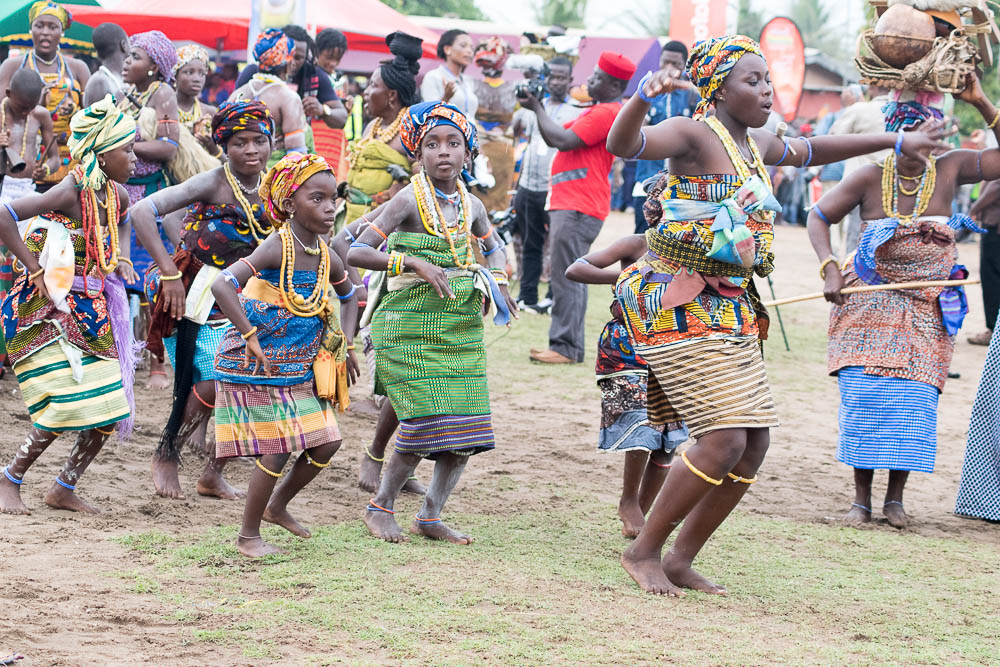 🇬🇭 Ghana and 2 moreAgbadza
An Ewe music and dance, born of war songs and kept for funerals, weddings and festivalsPerformance
🇬🇭 Ghana and 2 moreAgbadza
An Ewe music and dance, born of war songs and kept for funerals, weddings and festivalsPerformance
 🇲🇬 MadagascarLamba
A rectangular cloth wrapped around the body, worn across Madagascar and at burialsDress
🇲🇬 MadagascarLamba
A rectangular cloth wrapped around the body, worn across Madagascar and at burialsDress