Spiritual and religiousMiddle EastChristianMuslim
Feast of Saint George
An annual gathering of Palestinian Christians and Muslims honouring Saint George

The Feast of Saint George is an annual Palestinian observance held every May at the Monastery of Saint George. Christians and Muslims gather to seek blessings, baptize children, fulfill vows, and share sacrificial food.
When is Feast of Saint George kept?
Feast of Saint George is kept on annually on 5 and 6 May.
The Feast of Saint George is an annual Palestinian holiday celebrating the saint known locally as al-Khader or Mar Jeries. Observed on the fifth and sixth of May, the festival unites both Christian and Muslim communities. Families travel to the local monastery to seek blessings, ask for protection, fulfill solemn promises, share outdoor meals, and offer livestock.
A shared festival
The holiday centers on the Monastery of Saint George in the settlement of al-Khader. While rooted in Christian heritage, local followers of Islam also venerate the figure of al-Khader. Members of both faiths gather at the sanctuary across two days in early May. Muslim stewards customarily welcome visitors at the church doors. Courtyards fill with families sharing food under the olive groves. The occasion blends religious devotion with communal life, providing space for neighbors of different beliefs to participate in shared customs side by side.
Christian observances
On the morning of 6 May, Christian processions set out toward the monastery from nearby localities such as Beit Jala, Beit Sahour, and Bethlehem. Many parents bring their young children to be baptized here, drawn by traditional accounts of the saint's healing grace. Monks receive meat presented by worshippers as gifts, though the clergy does not conduct animal slaughter on site. Pilgrims also exchange loaves of bread, fulfill personal vows, and join in outdoor meals under the surrounding trees.
Muslim customs and offerings
Muslim participants carry out animal offerings during the celebration. One common practice is the dhabihah sacrifice, where a family reserves one portion of meat for domestic meals and distributes the remaining two parts to charity and in service to God. Other visitors present living livestock directly to al-Khader. Donated animals stay in a pen within the abbey garden. Freshly prepared hides are laid over courtyard railings to dry in the sun, and Islamic banners and markings decorate the open grounds.
Origins in folklore
Local lore dates the festival back to Byzantine governance over the region. A well-known folk story recounts how a widow's son named Jirjis wanted to make an offering alongside other youths who pledged sheep and goats. Possessing only a single cow, the young man slaughtered it for Saint George. When his grieving mother scolded him for putting their survival at risk, an elder with white hair visited Jirjis in a dream. The figure revealed himself as al-Khader, assuring him of safe passage to the royal palace in Constantinople.
How Feast of Saint George is kept
The festival unfolds over two days in May. Visitors arrive at the monastery grounds, where Muslim caretakers greet incoming pilgrims at the church entrance. Families set up picnics beneath olive groves and swap bread. On 6 May, Christian groups march from surrounding towns, and parents present infants for baptism. Worshippers fulfill vows through animal offerings, storing live livestock in garden pens or sharing sacrificial meat with neighbors and charitable causes before drying the fleece across railings.
When and where
The festival takes place every year across 5 May and 6 May. Morning processions and baptismal rites culminate on the second day of the celebration.
Festivities take place at the Monastery of Saint George, situated in the locality of al-Khader. Pilgrims travel to the sanctuary from communities across the Bethlehem area, including Beit Sahour and Beit Jala.
What Feast of Saint George means
Saint George, known in Arabic as al-Khader or Mar Jeries, represents protection, healing, and divine aid in times of trouble. For Palestinian Christians and Muslims, fulfilling pledges through charity or animal sacrifice expresses gratitude and faith. Sharing meat and breaking bread together also reaffirms community solidarity across religious lines.


Questions people ask about Feast of Saint George
When is Feast of Saint George kept?
Feast of Saint George is kept on annually on 5 and 6 May.
What is the Feast of Saint George in Palestine?
It is an annual gathering on 5 and 6 May where Palestinian Christians and Muslims honor Saint George at his monastery, seeking blessings, offering sacrifices, and sharing meals.
Where is the feast celebrated?
The celebration centers on the Monastery of Saint George in the town of al-Khader, drawing pilgrims from Beit Jala, Beit Sahour, Bethlehem, and elsewhere in Palestine.
Why do Muslims take part in a Christian feast day?
In Palestinian tradition, Muslims also revere al-Khader for protection. They welcome visitors at the church entrance, make livestock offerings, and distribute charity alongside Christian attendees.
What rituals take place at the monastery?
Christian parents bring children for baptism, processions march from neighboring towns, pilgrims fulfill vows with animal offerings, and families picnic beneath the surrounding olive trees.
See also
 Stations of the CrossA Christian prayer journey following fourteen moments of the Passion of Jesus
 Holy FireA fire ceremony in Jerusalem each year, kept by Orthodox Christians before Easter
 Nabi MusaAn annual Palestinian Muslim pilgrimage and festival honoring the prophet Moses
 Torah readingThe public reading of the Torah scroll in synagogue, chanted to a special tune
Good reading and sources
- Feast of Saint George (Palestine) on WikipediaEncyclopedia
- More photos on Wikimedia CommonsPhotos and video
- Wikidata recordOpen data
The facts on this page come from the Wikipedia article "Feast of Saint George (Palestine)", written by its contributors and used under the CC BY-SA 4.0 licence, and from its Wikidata record (CC0). EveryParampara rewrote the text in its own words, with AI assistance, and compares every page with the article to make sure no passage is copied. It may be reused under the same CC BY-SA 4.0 licence with a link back.
It may contain mistakes. Traditions differ from one family, village and community to the next, and the people who keep them know them best. If something is wrong, tell us. Last refreshed 2026-10-05.
More from Palestine
All the traditions of Palestine
🇮🇱 Jerusalem, Israel and 5 moreHoly FireἋγιον Φῶς
A fire ceremony in Jerusalem each year, kept by Orthodox Christians before EasterSpiritual
🇵🇸 Jerusalem, Palestine and 2 moreStations of the CrossVia Crucis
A Christian prayer journey following fourteen moments of the Passion of JesusSpiritual
🇵🇸 Jericho, PalestineNabi Musaٱلنَّبِي مُوْسَى
An annual Palestinian Muslim pilgrimage and festival honoring the prophet MosesSpiritual · Feasts and festival meals
🇮🇱 Israel and 4 moreTorah readingקריאת התורה
The public reading of the Torah scroll in synagogue, chanted to a special tuneSpiritual
The same idea elsewhere
Pilgrimage compared 🇦🇱 Elbasan, Albania and 3 moreDita e Verës
An Albanian spring festival of bonfires, sweets and nature renewal on March 14Seasonal
🇦🇱 Elbasan, Albania and 3 moreDita e Verës
An Albanian spring festival of bonfires, sweets and nature renewal on March 14Seasonal
 🇩🇪 Weingarten, Germany and 1 moreBlutritt
An equestrian pilgrimage across southern Germany honoring a relic of the Holy BloodSpiritual
🇩🇪 Weingarten, Germany and 1 moreBlutritt
An equestrian pilgrimage across southern Germany honoring a relic of the Holy BloodSpiritual
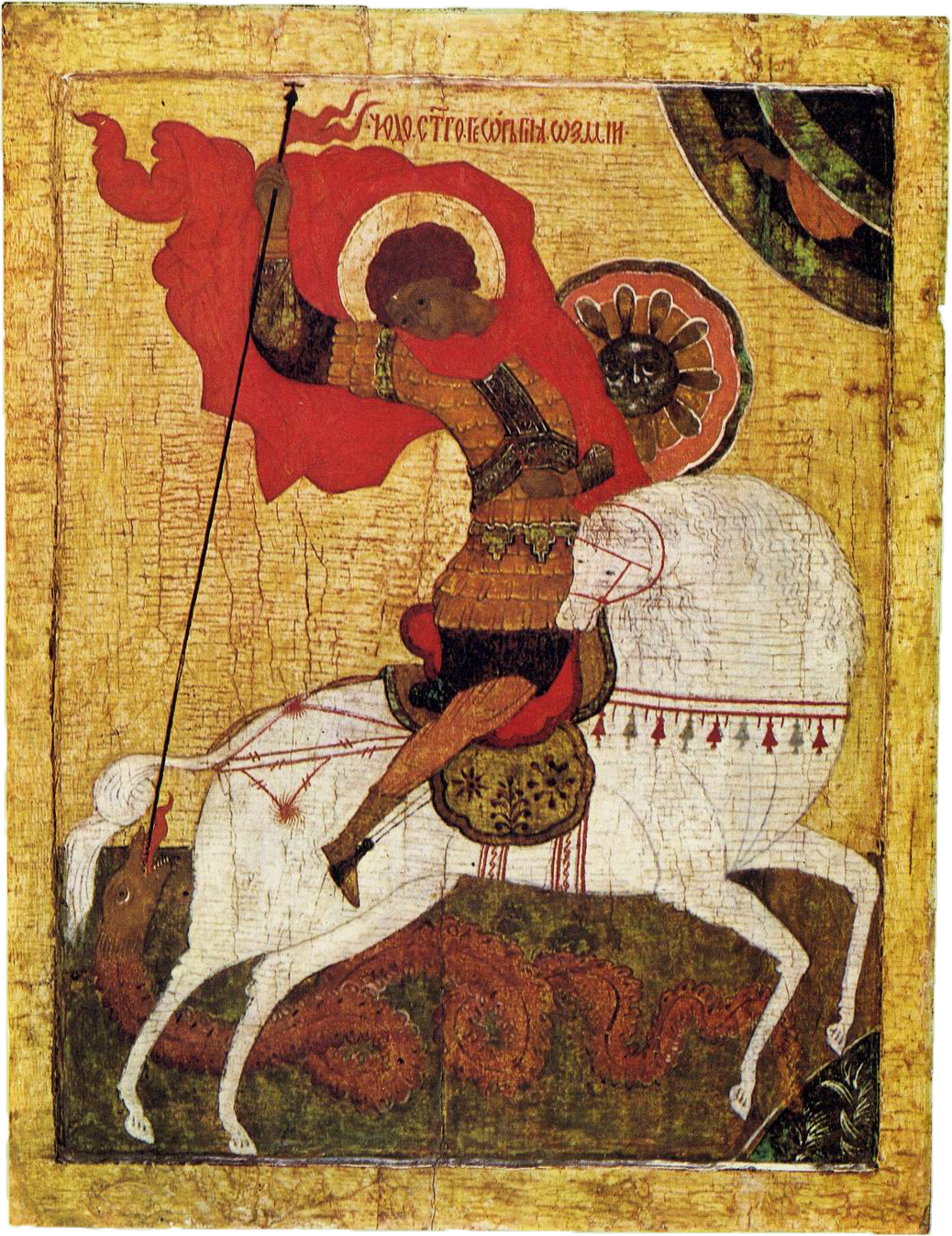 🇷🇸 Serbia and 5 moreĐurđevdanЂурђевдан
A spring festival and feast of Saint George kept across the Balkans and Eastern EuropeFestival · Feasts and festival meals
🇷🇸 Serbia and 5 moreĐurđevdanЂурђевдан
A spring festival and feast of Saint George kept across the Balkans and Eastern EuropeFestival · Feasts and festival meals
 🇮🇹 Rome, Italy and 4 moreValentine's Day
A Christian feast day and cultural celebration of love kept on February 14 in many countries.Festival
🇮🇹 Rome, Italy and 4 moreValentine's Day
A Christian feast day and cultural celebration of love kept on February 14 in many countries.Festival