Festivals and celebrationsEuropeChristianMuslim
Đurđevdan
In its own language: Ђурђевдан
A spring festival and feast of Saint George kept across the Balkans and Eastern Europe
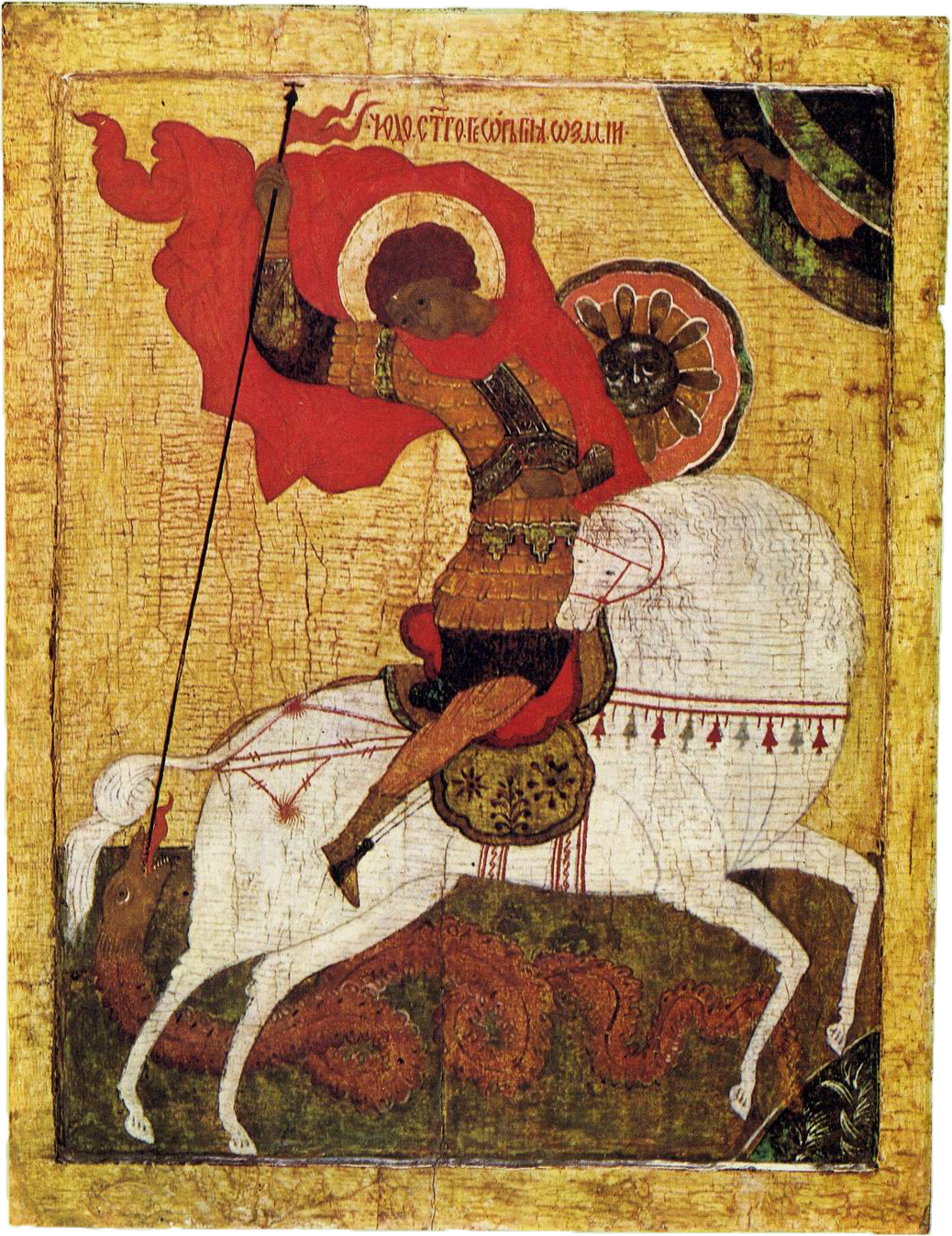
Đurđevdan is a spring feast observed across the Balkans and Eastern Europe on the feast of Saint George. Families and communities welcome the new season with roasted lamb, ritual washings with floral water, decorated homes, music, and shared outdoor gatherings.
When is Đurđevdan kept?
Đurđevdan is kept on annually on 6 May in the Julian calendar, or 23 April in the Gregorian calendar.
Đurđevdan is an annual spring festival that marks the feast of Saint George across the Balkan region and Eastern Europe. Held in early May or late April, it unites Christian, Muslim, and Romani traditions in a celebration of blooming greenery, pastoral life, and renewal. Communities gather to roast lamb, wash in water infused with blossoms, light fires, and welcome the warmth of the coming year.
Spring greenery and water rituals
Preparations begin on the eve of the feast when people gather fresh herbs, twigs, and blossoms to adorn house gates and walls. In Serbian households, particularly those honoring Saint George as their patron saint during slava feasts, families place flowers and an egg in a bowl of fresh water. Grandparents encourage children to wash their faces in this morning dew or herbal water to bring strength and health. Romani celebrants similarly decorate their homes with budding branches, take floral baths, and use church well water to cleanse hands and threshold walls. In North Macedonia, villagers rise early to gather special herbs believed to bring fertility and good fortunes.
Feasting and outdoor customs
Sharing a meal in nature plays a central role in the holiday. Families across Serbia, Bulgaria, and Romani settlements traditionally prepare a roasted or grilled lamb as the centerpiece of their celebratory table. In Bulgaria, where the day coincides with the Day of the Bulgarian Army, villages set large communal tables, perform the round horo dance, and drink quiet spring water. Romani celebrations feature lively brass band performances, singing, and egg tapping. In historical Serbia, the feast marked the season when forest fighters reassembled after winter, making open-air picnics in newly leafed woodlands an enduring way to spend the day.
Regional traditions
Customs vary among regions and religious communities. In Croatia, Roman Catholics celebrate the day as Jurjevo in late April, lighting communal bonfires reminiscent of ancient spring rites. In places like Turopolje, local traditions include young women dressed in fresh foliage singing through the village. In Russia, the Orthodox Church commemorates Yuri's Day of Spring alongside an autumn counterpart. Meanwhile, Gorani Slavic Muslims in Kosovo and Romani Muslims across former Yugoslav lands keep the feast under names like Ederlezi or Herdeljez, demonstrating the shared regional embrace of springtime renewal across faiths.
How Đurđevdan is kept
Celebrations start on the eve with the collection of wildflowers, fresh twigs, and herbs. People decorate doors and gates with greenery and set out bowls of water containing blossoms and eggs for morning face washing. On the feast day, families roast lamb, visit local springs or holy shrines, and hold lively banquets with music and traditional dances. In many rural settlements, villagers gather outdoors for communal meals, light bonfires, and celebrate the start of the farming and herding season.
When and where
In most Balkan nations and within the Eastern Orthodox Church, the feast takes place on 6 May, which corresponds to 23 April under the Julian calendar. Roman Catholic communities in Croatia and Slovenia celebrate on 23 April under the Gregorian calendar, while in Greece, the date may move to Easter Monday if it clashes with Holy Week.
The festival is observed throughout the Balkans and parts of Eastern Europe, including Serbia, Bulgaria, North Macedonia, Croatia, Russia, and Slovenia. It is celebrated in rural villages, family homes, and city neighborhoods by Serb, Romani, Gorani, and other regional diaspora communities worldwide.
What Đurđevdan means
At its foundation, the day celebrates the awakening of the natural world, the fertility of fields, and the return of agricultural vitality. Saint George is revered as a protector of livestock, farmers, and soldiers, depicted as a knight defeating a dragon. The bathing rituals, blooming boughs, and fresh water symbolize renewal, good health, and defense against misfortune for the household and livestock in the coming year.


Questions people ask about Đurđevdan
When is Đurđevdan kept?
Đurđevdan is kept on annually on 6 May in the Julian calendar, or 23 April in the Gregorian calendar.
What is Đurđevdan?
Đurđevdan is a traditional spring festival and religious observance marking the feast day of Saint George across the Balkans and Eastern Europe. It blends Christian liturgical feasts with seasonal customs welcoming nature's rebirth.
Which communities celebrate Đurđevdan?
It is observed by Serbs, Bulgarians, Macedonians, Croats, and Russians, as well as both Christian and Muslim Romani groups and Gorani communities in the Balkans and worldwide diaspora.
What are the common customs of the day?
Households decorate their doorways with green branches and flowers, wash with herb-infused spring water, roast whole lambs, dance traditional folk dances, and gather in nature to celebrate the new season.
See also
 Christmas treeA decorated evergreen or artificial tree placed indoors to mark the Christmas season.
 Christmas EveThe evening before Christmas, marked by church services, family meals, and gift preparations across Christian cultures.
 Kupala NightA summer solstice folk festival marked by bonfires, water rituals and herbal gatherings across Eastern Europe.
 HıdırellezA spring festival marking the meeting of two prophets, celebrated across Turkey and the Balkans.
Good reading and sources
- George's Day in Spring on WikipediaEncyclopedia
- More photos on Wikimedia CommonsPhotos and video
- Wikidata recordOpen data
The facts on this page come from the Wikipedia article "George's Day in Spring", written by its contributors and used under the CC BY-SA 4.0 licence, and from its Wikidata record (CC0). EveryParampara rewrote the text in its own words, with AI assistance, and compares every page with the article to make sure no passage is copied. It may be reused under the same CC BY-SA 4.0 licence with a link back.
It may contain mistakes. Traditions differ from one family, village and community to the next, and the people who keep them know them best. If something is wrong, tell us. Last refreshed 2026-10-07.
More from Serbia
All the traditions of Serbia 🇧🇬 Bulgaria and 1 moreBaba MartaБаба Марта
A Bulgarian day on 1 March, when red and white martenitsi are given and wornFestival
🇧🇬 Bulgaria and 1 moreBaba MartaБаба Марта
A Bulgarian day on 1 March, when red and white martenitsi are given and wornFestival
 🇧🇬 Bulgaria and 5 moreKoledariколядники
A Slavic winter caroling custom of visiting homes with songs, masks and blessingsFestival
🇧🇬 Bulgaria and 5 moreKoledariколядники
A Slavic winter caroling custom of visiting homes with songs, masks and blessingsFestival
 🇦🇱 Albania and 5 moreDodolaДодoла / Dodola
A Balkan rainmaking ritual where children dressed in greenery lead processions to call for summer showers.Festival
🇦🇱 Albania and 5 moreDodolaДодoла / Dodola
A Balkan rainmaking ritual where children dressed in greenery lead processions to call for summer showers.Festival
 🇵🇱 Poland and 3 morePodłaźniczka
A decorated evergreen branch hung over the Christmas Eve table in Poland and SlovakiaFestival
🇵🇱 Poland and 3 morePodłaźniczka
A decorated evergreen branch hung over the Christmas Eve table in Poland and SlovakiaFestival
The same idea elsewhere
Spring and renewal compared 🇵🇸 al-Khader, PalestineFeast of Saint George
An annual gathering of Palestinian Christians and Muslims honouring Saint GeorgeSpiritual · Feasts and festival meals
🇵🇸 al-Khader, PalestineFeast of Saint George
An annual gathering of Palestinian Christians and Muslims honouring Saint GeorgeSpiritual · Feasts and festival meals
 🇺🇸 United States and 5 moreMother's Day
A worldwide annual celebration dedicated to mothers, maternal bonds and family careHome
🇺🇸 United States and 5 moreMother's Day
A worldwide annual celebration dedicated to mothers, maternal bonds and family careHome
 🇮🇱 Jerusalem, IsraelPassoverפסח
A Jewish spring festival celebrating freedom from slavery with ritual mealsSpiritual · Dinner
🇮🇱 Jerusalem, IsraelPassoverפסח
A Jewish spring festival celebrating freedom from slavery with ritual mealsSpiritual · Dinner
 🇰🇷 Jeju, South KoreaGut굿
Sacred rites of song, dance, and spirit communion performed by Korean shamansSpiritual
🇰🇷 Jeju, South KoreaGut굿
Sacred rites of song, dance, and spirit communion performed by Korean shamansSpiritual