Seasons, harvest and the calendarEuropePagan and ancient
Dita e Verës
An Albanian spring festival of bonfires, sweets and nature renewal on March 14

Dita e Verës is an Albanian spring celebration held on March 14 to mark the end of winter and the awakening of nature. Families light cleansing bonfires, wear woven bracelets, exchange seasonal greetings, and share traditional cornflour ballokume cookies.
When is Dita e Verës kept?
Dita e Verës is kept on annually on March 14, with some communities also marking March 1.
Dita e Verës, or Summer Day, is an Albanian spring holiday observed on March 14 to welcome the revival of nature and the strengthening sun. Rooted in traditional calendar customs marking the turn of the year, it brings households and communities together. People light outdoor bonfires, wear woven wool bracelets, wash with flower water, and gather outdoors over seasonal foods.
Welcoming the sun
In the traditional Albanian calendar, Verëza represents the first days of the new year and the transition from the winter season to the summer half of the year around the spring equinox. The celebration honors the Earth, called Dheu, and the strengthening of the Sun, known as Dielli. Although now fixed on March 14 in the Gregorian calendar, it corresponds to March 1 in the older Julian system. Some communities observe both dates or divide the timing along local religious lines. In Elbasan, historically linked to a shrine for the nature goddess Diana of Cermenika, the festival takes on its largest national character, filling streets with music, theatrical performances, and decorations.
Fires, water and verore
The festival begins on the evening of March 13, known as Summer Night. Families gather dry branches and light bonfires in their yards or public spaces to push away the dark winter chill and invite warmth. Children and adults sing, dance, and leap across the flames for purification and protection. Red and white wool bracelets called verore are worn to greet the warm season. Later, people remove the bracelets and leave them on bushes or tree branches, hoping passing swallows might use the wool for their nests and fulfill a wish. Washing eyes with water soaked in spring flowers or boiled eggs is believed to bring good health.
Holiday foods
A signature food of the festival is ballokume, a large sugar cookie made from cornflour, butter, and eggs. Originating in Elbasan, the dough is traditionally kneaded in copper bowls, sometimes with boiled wood-ash water called finj added for flavour. Another central dish in northern regions and Kosovo is flia, a layered crêpe-like dish brushed with cream and butter. Flia is baked in the pattern of a radiant sun and served on Flia Day during the spring festivities. Families also boil and paint eggs, crack them in games, and prepare wild green pies known as anak.
Picnics and regional customs
Festivities move through distinct stages over two days. On the morning of March 14, youngest sons often deliver holiday foods to relatives before families set out for outdoor picnics in scenic spots. In towns such as Berat, school children parade through central squares wearing masks and carnival costumes. In northern areas like Dibër, people rise early to secure yard gates with wool. In Kosovo and North Macedonia, groups hike into hills and visit natural springs or caves, gathering the season's first blossoms and praying for health, fertility, and abundance in the coming year.
How Dita e Verës is kept
Celebrations unfold in four stages starting on March 13. Households prepare festive goods and light evening bonfires in courtyards, singing, dancing, and leaping over the flames. On the morning of March 14, people wash their faces with flower-infused water and tie red-and-white verore bracelets around their wrists. Younger family members carry treats and painted eggs to nearby relatives. By mid-morning, crowds head to parks, mountainsides, and scenic countryside spots for communal picnics, while cities like Elbasan host public concerts, games, and street markets selling freshly baked ballokume cookies.
When and where
The festival is celebrated annually on March 14, matching March 1 in the Julian calendar. Some regions and Orthodox communities also mark March 1, while related observances such as Flia Day fall on March 17.
Dita e Verës is observed across Albania, Kosovo, and Albanian communities in North Macedonia and Montenegro. The city of Elbasan in central Albania serves as the festival's most prominent focal point and pilgrimage destination.
What Dita e Verës means
The festival honours the renewal of the Earth and the reviving power of the sun after winter. Jumping over bonfires symbolizes ritual cleansing and protection. Woven verore bracelets celebrate summer's arrival, while sun-shaped foods and floral washing rituals express hopes for fertility, health, long life, and household abundance.
On the table
- Ballokume
- Flia
- Anak
- Boiled eggs
- Boiled corn and wheat

Questions people ask about Dita e Verës
When is Dita e Verës kept?
Dita e Verës is kept on annually on March 14, with some communities also marking March 1.
What is Dita e Verës?
Dita e Verës, or Summer Day, is an Albanian spring holiday rooted in pre-Christian seasonal traditions. It celebrates nature's rebirth, the lengthening of daylight, and the beginning of the warm half of the year.
Where are the main celebrations held?
While kept across Albania, Kosovo, and parts of North Macedonia and Montenegro, the largest national celebration takes place in Elbasan, which fills with street performances, visitors, and sweet markets.
What is a verore?
A verore is a red-and-white braided wool bracelet worn to welcome the warm season. People later place it on rose bushes or tree branches for birds to take for nesting, wishing for good fortune.
What traditional foods are eaten during the festival?
People bake ballokume, a large cornflour sugar cookie, as well as flia, a layered sun-shaped crêpe dish. Coloured boiled eggs, boiled grains, and wild green pies known as anak are also shared.
See also
 NowruzThe Iranian new year at the March equinox, kept with fire, greenery and picnics
 HıdırellezA spring festival marking the meeting of two prophets, celebrated across Turkey and the Balkans.
 CălușariAn acrobatic Romanian spring dance and ritual brotherhood tied to folklore and healingMărțișorA spring custom of wearing intertwined red and white strings to welcome the new season.
Good reading and sources
- Dita e Verës on WikipediaEncyclopedia
- More photos on Wikimedia CommonsPhotos and video
- Wikidata recordOpen data
The facts on this page come from the Wikipedia article "Dita e Verës", written by its contributors and used under the CC BY-SA 4.0 licence, and from its Wikidata record (CC0). EveryParampara rewrote the text in its own words, with AI assistance, and compares every page with the article to make sure no passage is copied. It may be reused under the same CC BY-SA 4.0 licence with a link back.
It may contain mistakes. Traditions differ from one family, village and community to the next, and the people who keep them know them best. If something is wrong, tell us. Last refreshed 2026-10-04.
More from Albania
All the traditions of Albania 🇮🇷 Iran and 5 moreWinter solstice
The shortest day and longest night of the year, marked with fire, feasting and poetrySeasonal
🇮🇷 Iran and 5 moreWinter solstice
The shortest day and longest night of the year, marked with fire, feasting and poetrySeasonal
 🇹🇷 Turkey and 5 moreNazarnazar boncuğu
A blue glass eye amulet worn and displayed to deflect the evil eye.Folklore
🇹🇷 Turkey and 6 moreHıdırellez
A spring festival marking the meeting of two prophets, celebrated across Turkey and the Balkans.Festival · Feasts and festival meals
🇹🇷 Turkey and 5 moreNazarnazar boncuğu
A blue glass eye amulet worn and displayed to deflect the evil eye.Folklore
🇹🇷 Turkey and 6 moreHıdırellez
A spring festival marking the meeting of two prophets, celebrated across Turkey and the Balkans.Festival · Feasts and festival meals
 🇧🇬 Bulgaria and 5 moreMartenitsaмартеница
Red and white yarn dolls worn from 1 March until spring shows itselfFestival
🇧🇬 Bulgaria and 5 moreMartenitsaмартеница
Red and white yarn dolls worn from 1 March until spring shows itselfFestival
The same idea elsewhere
Spring and renewal compared 🇰🇷 Jeju, South KoreaGut굿
Sacred rites of song, dance, and spirit communion performed by Korean shamansSpiritual
🇰🇷 Jeju, South KoreaGut굿
Sacred rites of song, dance, and spirit communion performed by Korean shamansSpiritual
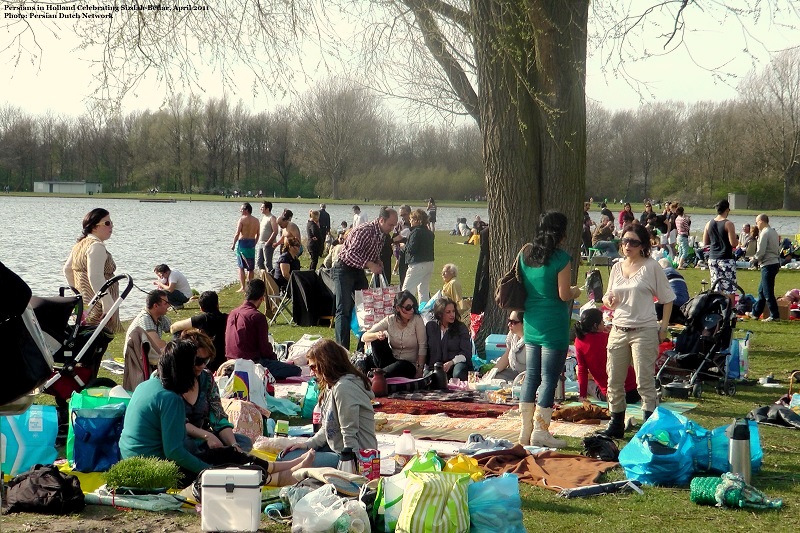 🇮🇷 Iran and 4 moreSizdah Bedarسیزدهبدر
An open-air picnic holiday concluding the Iranian New Year celebrationsFestival
🇮🇷 Iran and 4 moreSizdah Bedarسیزدهبدر
An open-air picnic holiday concluding the Iranian New Year celebrationsFestival
 🇵🇪 Cusco, PeruQoyllur Rit'iQuyllurit'i
An Andean mountain pilgrimage uniting indigenous star lore and Catholic devotionSpiritual
🇵🇪 Cusco, PeruQoyllur Rit'iQuyllurit'i
An Andean mountain pilgrimage uniting indigenous star lore and Catholic devotionSpiritual
 🇮🇳 IndiaMonlam Prayer Festival
A Tibetan Buddhist festival of mass prayers, sacred dances and ritual offeringsSpiritual
🇮🇳 IndiaMonlam Prayer Festival
A Tibetan Buddhist festival of mass prayers, sacred dances and ritual offeringsSpiritual