Music, dance and storytellingEurope
Flamenco
The song, guitar and dance of Andalusia, kept by gitano and other Spanish families.
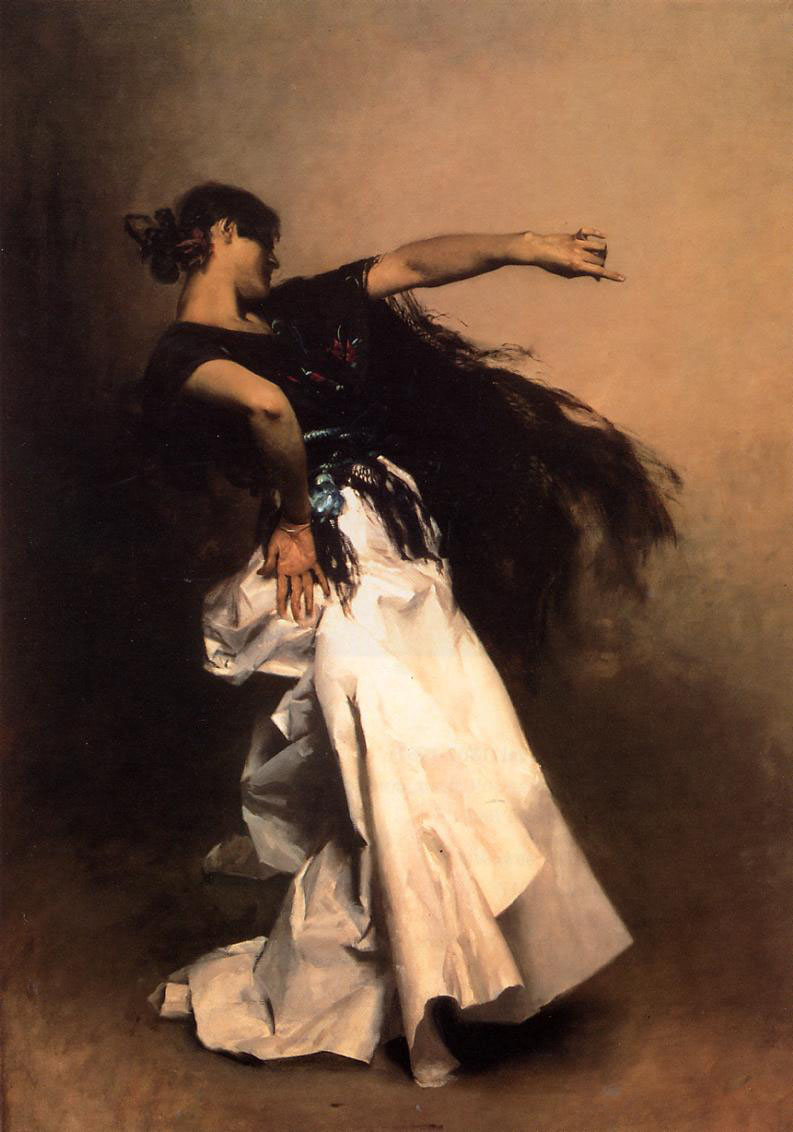
Flamenco is an art of song, guitar and dance from southern Spain. Gitano families and other Andalusians shaped it from the late 18th century onwards, and in 2010 UNESCO listed it as intangible cultural heritage of humanity.
When is Flamenco marked?
Flamenco is kept as part of Christmas, which is on Friday, 25 December 2026.
Flamenco is the song, guitar and dance of southern Spain, shaped above all in Andalusia. It grew out of the meeting of gitano (Romani) families, Andalusian folk music and older Arab-Andalusian song. Performers keep it alive in peñas, theatres and family gatherings, and since 2010 UNESCO has listed it as part of humanity's intangible heritage.
What it is
Flamenco is a way of making music and dancing that belongs to southern Spain, especially Andalusia, with older traces in Extremadura and Murcia. People often call it a folk or oral tradition, yet it also works as a serious musical system. A performance can rest on a rhythmic cycle called compás, on modal or tonal harmony, on ornamented melodic lines and on improvisation. A single palo, the name for one flamenco form, may be recognised by its rhythm, its mode, its chord pattern, its verse shape, where it comes from and how it is usually performed. Singers, guitarists and dancers each carry part of it.
Origins and history
The earliest known written mention of flamenco music comes from 1774, in the book Las Cartas Marruecas by José Cadalso. Most accounts place its beginnings at the end of the 18th century, among city and farming communities of lower Andalusia, with Jerez de la Frontera as the first place recorded. Gitano families and other marginalised Andalusians turned it into a distinct art. In 1881 Silverio Franconetti opened the first café for flamenco singing in Seville, a competitive setting that helped shape professional singers. In 1922 Federico García Lorca and Manuel de Falla held a cante jondo contest in Granada, where an eight-year-old boy, Manolo Caracol, was among the winners.
Song, guitar and dance
The word flamenco covers three linked things: cante, the singing; toque, the guitar; and baile, the dancing. Voices, handclapping, the guitar, castanets and the wooden cajón box all take part. Dancers work with footwork and claps, guitarists build falsetas, short melodic passages, and vary them. Well-known forms include alegrías, bulerías, soleá, siguiriyas, tientos, tangos, fandangos, malagueñas, sevillanas, rumba flamenca and verdiales. Songs and tunes pass from one performer to the next, and each one changes them a little. Later styles such as new flamenco and flamenco rock mix the tradition with other kinds of music.
How the name arose
The name flamenco was used first for the Romani people of Spain, not for a music. An English traveller, George Borrow, wrote in the 1830s that gitanos were also called Flemish, which in Spanish is flamenco. The scholar Cristina Cruces-Roldán notes that a gitano party in Madrid was already described by that word before Borrow wrote. A newspaper piece in El Espectador in 1847 appears to be the first place where the term names the music, and it was called a gitano genre. Red, white and gold are the colours long linked with flamenco.
Shows and change
Between 1920 and 1955 flamenco shows moved into bullrings and theatres, advertised as flamenco opera, partly because promoters paid less tax under that name. Their success pushed some older and starker styles off the stage in favour of lighter ones. Under the Franco years the authorities at first treated flamenco with suspicion, then adopted it as a national symbol, while many singers had gone into exile or died in the Civil War. Later, concert guitar playing and teaching in conservatories brought flamenco to classical audiences, and in 2010 UNESCO recognised it as a masterpiece of oral and intangible heritage.
How Flamenco is kept
Flamenco is kept going by singers, guitarists and dancers who learn from older performers and from one another. A gathering often starts with the guitar setting the rhythm, then the singer enters, and then the dancer takes the floor. Everybody joins in with palmas, the handclapping that holds the compás, and with calls of encouragement. In a café or a peña, a local club of aficionados, the audience sits close and knows the forms well. Families pass the songs down, and conservatories now teach them too. Recordings and festivals carry the art far past Andalusia, and each performer's own version is valued.
When and where
Flamenco has no single season. It is sung and danced all year in cafés, peñas, theatres and at festivals. Christmas has its own flamenco songs, both traditional carols and pieces whose words are adapted to the season, and these have stayed in use.
Andalusia is its home, and it is strongest in the cities and farming towns there, among them Seville, Jerez de la Frontera, Granada, Cádiz, Málaga and Lebrija. Madrid became a major stage for flamenco shows. The art also has a long presence in Extremadura and Murcia, and from Spain it travelled to theatres in many countries.
What Flamenco means
Flamenco carries memory and pride for the people who keep it. Gitano families see it as a heritage they helped create, and one they held through centuries of persecution. Andalusians of every background treat it as a shared mark of the south. The singing is prized for holding hardship, love and loss in a form that is both strict and free. Because flamenco passes from person to person rather than from written scores, each performer's own stamp matters, and audiences judge a performance by how alive it feels.


Days Flamenco is marked
Questions people ask about Flamenco
When is Flamenco marked?
Flamenco is kept as part of Christmas, which is on Friday, 25 December 2026.
What is flamenco?
It is an art of southern Spain built on song, guitar and dance. Its forms combine rhythm, harmony, handclapping, footwork and improvisation. Though it grew out of folk traditions, it is also studied and performed as a demanding musical system.
Where and when did it begin?
In Andalusia, in southern Spain, with older traces in Extremadura and Murcia. The earliest known written record of the music dates from 1774, and most accounts place the art's development in the late 18th century.
Who keeps flamenco today?
Gitano (Romani) families of Spain contributed greatly to its origin and to its professionalisation, and other Andalusians kept it alongside them. Artists have come from both gitano and non-gitano Spanish families, and today conservatories, festivals and recordings carry it worldwide.
Is flamenco officially recognised?
Yes. On 16 November 2010 UNESCO placed flamenco on its list of humanity's masterpieces of oral and intangible heritage, with Spain named as the state party.
See also
 SevillanasA folk dance and song from Seville, kept at fairs and festivals across Andalusia.
 Andalusi classical musicA classical suite of vocal and instrumental music shared across North AfricaCante jondoA solemn and profound vocal tradition of Andalusian flamenco song.
 BertsolaritzaImprovised songs sung in Basque, rhymed on the spot at contests and gatherings
Good reading and sources
- Flamenco on WikipediaEncyclopedia
- More photos on Wikimedia CommonsPhotos and video
- Wikidata recordOpen data
The facts on this page come from the Wikipedia article "Flamenco", written by its contributors and used under the CC BY-SA 4.0 licence, and from its Wikidata record (CC0). EveryParampara rewrote the text in its own words, with AI assistance, and compares every page with the article to make sure no passage is copied. It may be reused under the same CC BY-SA 4.0 licence with a link back.
It may contain mistakes. Traditions differ from one family, village and community to the next, and the people who keep them know them best. If something is wrong, tell us. Last refreshed 2026-10-05.
More from Spain
All the traditions of Spain
🇪🇸 Seville, SpainSevillanas
A folk dance and song from Seville, kept at fairs and festivals across Andalusia.Performance
🇲🇦 Morocco and 5 moreAndalusi classical musicطرب أندلسي
A classical suite of vocal and instrumental music shared across North AfricaPerformance
🇪🇸 Granada, SpainCante jondo
A solemn and profound vocal tradition of Andalusian flamenco song.Performance
🇪🇸 Spain and 1 moreBertsolaritza
Improvised songs sung in Basque, rhymed on the spot at contests and gatheringsPerformance
The same idea elsewhere
All of this kind 🇹🇷 Kayseri, Turkey and 4 moreHalay
A traditional line and circle folk dance kept across Turkey, Azerbaijan, Armenia, Iran, and Syria.Performance
🇹🇷 Kayseri, Turkey and 4 moreHalay
A traditional line and circle folk dance kept across Turkey, Azerbaijan, Armenia, Iran, and Syria.Performance
 🇳🇿 Auckland, New ZealandPoi
A Māori performing art of swinging tethered weights in rhythmical patterns.Performance
🇳🇿 Auckland, New ZealandPoi
A Māori performing art of swinging tethered weights in rhythmical patterns.Performance
 🇵🇭 Philippines and 1 morePangalay
A traditional fingernail dance of the Tausūg and Bajau peoples in the Sulu Archipelago and Sabah.Performance
🇵🇭 Philippines and 1 morePangalay
A traditional fingernail dance of the Tausūg and Bajau peoples in the Sulu Archipelago and Sabah.Performance