Music, dance and storytellingEurope
Cante jondo
A solemn and profound vocal tradition of Andalusian flamenco song.
Cante jondo is a profound vocal style of Andalusian flamenco music rooted in the experiences of Romani communities. Singers deliver serious and emotional songs that reflect deep themes of hardship, history, and the natural world.
Cante jondo is the deepest and most serious branch of Andalusian flamenco singing. The name translates to "deep song" in Spanish, spelled with a J to reflect the traditional southern pronunciation. Closely tied to the historical hardships and marginalisation of the Romani community, this vocal art expresses raw emotion through ancient melodies inspired by natural rhythms.
Meaning and vocal style
Flamenco singing is traditionally split into three distinct categories, with cante jondo occupying the most solemn tier. The phrase itself means deep song. It uses the letter J because traditional Andalusian speech preserves an aspirated sound that disappeared from standard Spanish. Practitioners consider it an uncorrupted branch of regional folk expression. According to composer Manuel de Falla, the gypsy siguiriya serves as the quintessential model for this group. The vocal delivery is unadorned and direct, focusing on intense feeling rather than light entertainment.
Romani roots and emotion
The origins of cante jondo are inseparable from the lived experience of Romani people. Its verses and vocal intensity grew directly out of marginalisation, poverty, and personal struggle. In his 1931 lectures, the poet Federico García Lorca described the music as a rare surviving primitive song of Europe. He noted that its structures echo the sounds of natural surroundings, such as ocean waves, poplar trees, and the calling of birds. The style preserves memories of past grief and ancestral endurance in its melodic lines.
The Granada competition
In June 1922, Manuel de Falla organised the famous Concurso de Cante Jondo in the city of Granada. The event took place at the Alhambra and drew prominent writers, classical musicians, and artists who wanted to protect this vocal art from fading away. Among the supporters was Federico García Lorca, who had earlier composed his poetry collection titled Poema del cante jondo in 1921. The Granada gathering brought wider public respect to the singers and helped secure the place of deep song in modern cultural life.
How Cante jondo is kept
Singers perform solemn flamenco verses that belong to the deepest category of the art form. The performance relies on serious, unadorned vocal expression, often centering on forms such as the siguiriya. Artists channel personal and collective sorrow, drawing on centuries of Romani heritage and traditional Andalusian phrasing. Cultural gatherings and recitals provide spaces where vocalists share these intense pieces with attentive audiences, sustaining a tradition celebrated by poets and composers since the early twentieth century.
When and where
Cante jondo does not follow a set seasonal calendar. It is sung during cultural recitals, flamenco gatherings, and artistic conferences throughout the year whenever singers assemble to share deep song.
This singing tradition belongs to the southern Spanish region of Andalusia. It has strong historical links to the city of Granada, where key public performances and contests were staged at the Alhambra.
What Cante jondo means
To those who cherish it, cante jondo represents the voice of enduring struggle and historical survival. The songs express the suffering and social isolation faced by Romani communities over generations. Observers like García Lorca saw it as an elemental expression connected to the earth, echoing the patterns of wind, trees, and water while carrying forward ancient human sorrow.
Questions people ask about Cante jondo
What is cante jondo?
Cante jondo is the deepest and most serious vocal category within Andalusian flamenco. The name means deep song, reflecting both its heavy emotional weight and its distinct southern Spanish pronunciation.
Where does cante jondo originate?
It comes from Andalusia in southern Spain. The tradition is deeply rooted in Romani communities, who used these songs to voice experiences of hardship and marginalisation over many generations.
What happened at the 1922 Granada contest?
Composer Manuel de Falla and poet Federico García Lorca organised the Concurso de Cante Jondo at the Alhambra in Granada. The event celebrated deep song and helped preserve its standing in Spanish musical heritage.
What is the siguiriya in cante jondo?
According to the composer Manuel de Falla, the gypsy siguiriya represents the definitive song type of cante jondo. He regarded it as an exceptionally pure musical form that preserved ancient European vocal elements.
See also
 CastellA Catalan tradition of building multi-level human towers at festivals, requiring strength, balance, and community solida
 MurgaA lively Carnival musical theatre of chorus, percussion and social satire
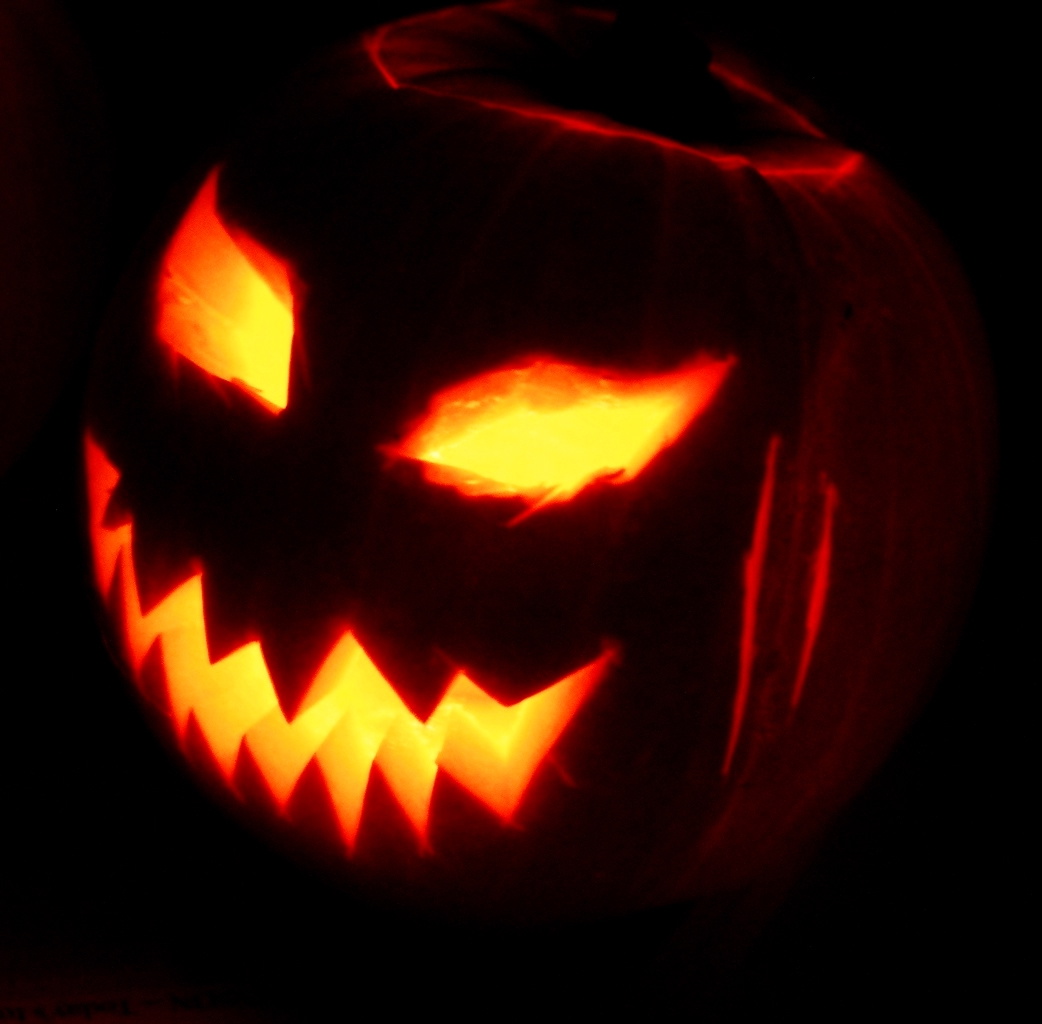 HalloweenAn annual observance on 31 October marking the eve of All Saints' Day, rooted in Christian tradition and Celtic heritage
 Holy WeekThe solemn seven days leading to Easter, recalling the final week and Passion of Jesus
Good reading and sources
- Cante jondo on WikipediaEncyclopedia
- More photos on Wikimedia CommonsPhotos and video
- Wikidata recordOpen data
The facts on this page come from the Wikipedia article "Cante jondo", written by its contributors and used under the CC BY-SA 4.0 licence, and from its Wikidata record (CC0). EveryParampara rewrote the text in its own words, with AI assistance, and compares every page with the article to make sure no passage is copied. It may be reused under the same CC BY-SA 4.0 licence with a link back.
It may contain mistakes. Traditions differ from one family, village and community to the next, and the people who keep them know them best. If something is wrong, tell us. Last refreshed 2026-10-04.
More from Spain
All the traditions of Spain 🇪🇸 Spain and 1 moreBertsolaritza
Improvised songs sung in Basque, rhymed on the spot at contests and gatheringsPerformance
🇪🇸 Spain and 1 moreBertsolaritza
Improvised songs sung in Basque, rhymed on the spot at contests and gatheringsPerformance
 🇪🇸 Seville, SpainSevillanas
A folk dance and song from Seville, kept at fairs and festivals across Andalusia.Performance
🇪🇸 Seville, SpainSevillanas
A folk dance and song from Seville, kept at fairs and festivals across Andalusia.Performance
 🇲🇦 Morocco and 5 moreAndalusi classical musicطرب أندلسي
A classical suite of vocal and instrumental music shared across North AfricaPerformance
🇪🇸 Valls, SpainCastell
A Catalan tradition of building multi-level human towers at festivals, requiring strength, balance, and community solidaPerformance
🇲🇦 Morocco and 5 moreAndalusi classical musicطرب أندلسي
A classical suite of vocal and instrumental music shared across North AfricaPerformance
🇪🇸 Valls, SpainCastell
A Catalan tradition of building multi-level human towers at festivals, requiring strength, balance, and community solidaPerformance
The same idea elsewhere
All of this kind 🇹🇷 Kayseri, Turkey and 4 moreHalay
A traditional line and circle folk dance kept across Turkey, Azerbaijan, Armenia, Iran, and Syria.Performance
🇹🇷 Kayseri, Turkey and 4 moreHalay
A traditional line and circle folk dance kept across Turkey, Azerbaijan, Armenia, Iran, and Syria.Performance
 🇳🇿 Auckland, New ZealandPoi
A Māori performing art of swinging tethered weights in rhythmical patterns.Performance
🇳🇿 Auckland, New ZealandPoi
A Māori performing art of swinging tethered weights in rhythmical patterns.Performance
 🇵🇭 Philippines and 1 morePangalay
A traditional fingernail dance of the Tausūg and Bajau peoples in the Sulu Archipelago and Sabah.Performance
🇵🇭 Philippines and 1 morePangalay
A traditional fingernail dance of the Tausūg and Bajau peoples in the Sulu Archipelago and Sabah.Performance