Spiritual and religiousSoutheast AsiaChristian
Holy Week
In its own language: Ἁγία καὶ Μεγάλη Ἑβδομάς
The solemn seven days leading to Easter, recalling the final week and Passion of Jesus

Holy Week is the annual seven-day observance leading up to Easter, kept by Christian congregations worldwide. Across this final week of Lent, believers recall the final days, betrayal, trial, death and burial of Jesus through special liturgies, scriptural readings, fasting and public processions.
When is Holy Week marked?
Holy Week is kept as part of Palm Sunday, which is on Sunday, 21 March 2027.
Holy Week marks the final seven days before Easter, serving as the climax of Lent in Western churches and following Great Lent in Eastern Christianity. Across the globe, Christians take part in solemn church services, dramatic Passion plays, and processions to remember the entry of Jesus into Jerusalem, his Last Supper, his crucifixion, and his rest in the tomb before rising from death.
The journey through the week
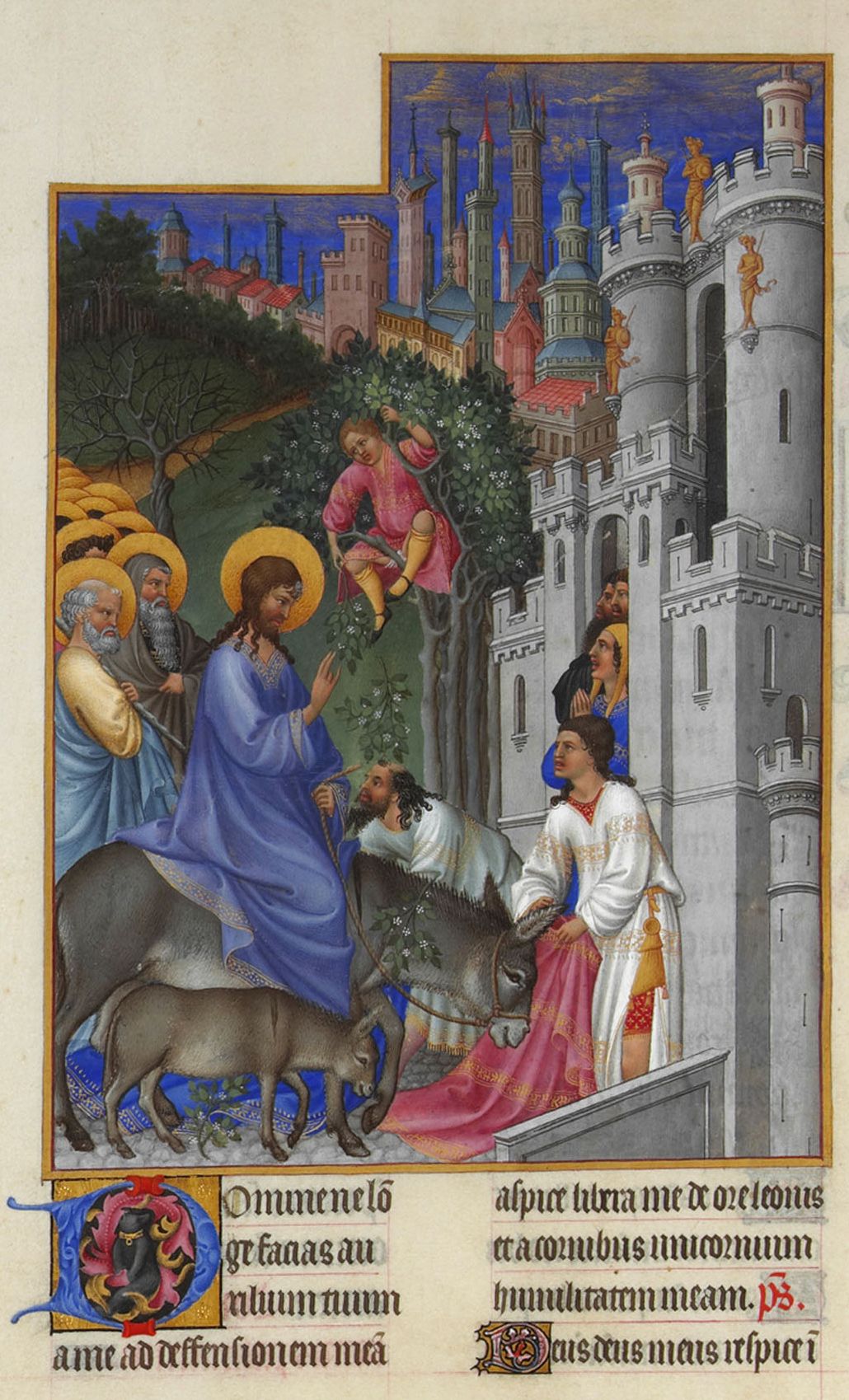
The observance opens on Palm Sunday, remembering Jesus riding into Jerusalem on a donkey amid crowds waving branches. Weekday services focus on his teachings and the events leading to his arrest, including the betrayal arranged on Spy Wednesday. Maundy Thursday commemorates the Last Supper, the washing of the disciples' feet, and the gift of Holy Communion. On Good Friday, worshipers mourn the trial and crucifixion of Jesus. The week closes on Holy Saturday, remembering his rest in the tomb and descent into hell before Easter dawn. Across many traditions, churches enact Tenebrae services, where candles are extinguished one by one in total darkness.
Early origins and development
Records from the third and fourth centuries offer the earliest references to keeping the entire week sacred. Ancient documents like the Apostolical Constitutions directed believers to abstain from meat and observe complete fasts on Friday and Saturday. Dionysius of Alexandria documented established fasting customs around the year 260. Historical texts such as the pilgrimage diary of Egeria detailed full liturgies in early Christian communities. Roman legal codes, including the Codex Theodosianus, commanded courts of law to shut their doors and halt legal proceedings during the week before Easter and the week that followed.
Rituals, palms and sacred oils
Congregations carry blessed palm and olive fronds into churches during Palm Sunday processions, later bringing the greenery home to place near crosses and sacred books. On Maundy Thursday, bishops celebrate the Chrism Mass to consecrate holy oils for baptism, confirmation, the ordination of clergy, and healing rites for the sick. Church bells ring during the hymn of praise at the evening Mass before remaining entirely silent until the Easter Vigil. Altars are stripped, musical instruments are quieted, and consecrated bread is moved to a chapel of repose as communities enter the solemn stillness of Christ's Passion.
Liturgies and communal devotions
Holy Week liturgies gather some of the largest congregations of the Christian calendar. In Moravian communities, daily services follow a harmony of Gospel stories with hymns and litanies, culminating in early morning Easter gatherings first begun in 1732. Across many denominations, including Catholic, Lutheran, Anglican, Methodist, and Presbyterian churches, worship forms share nearly identical outlines. Beyond church walls, communities stage extensive Passion plays, carry ornate floats or sacred sculptures through town streets, and gather for interdenominational dramatizations that bring the narrative of Christ's trial and execution into public squares.
How Holy Week is kept
Worshipers attend daily services that trace the narrative of Christ's final days. The week begins with the blessing of palm or olive fronds and outdoor processions into churches. During mid-week Tenebrae liturgies, participants hear chants and scripture readings as candles are slowly put out. On Maundy Thursday, clergy wash the feet of twelve congregants and celebrate the institution of Communion, after which church bells fall silent. Solemn fasts, prayers and Passion plays take place on Good Friday to mark the crucifixion, while quiet prayer and vigil services continue through Holy Saturday.
When and where
Holy Week is a moveable annual observance spanning the seven days immediately prior to Easter. In Western Christianity, it forms the final week of Lent, beginning on Palm Sunday and ending on Holy Saturday. In Eastern traditions, it immediately follows Great Lent and Lazarus Saturday.
Kept in Christian churches around the world, Holy Week features prominent public processions and services across Europe, the Americas, Africa, and Asia, with deep traditions in countries such as the Philippines, Spain, Italy, Malta, and Guatemala.
What Holy Week means
Holy Week allows Christians to relive the central narrative of redemption, moving from joy to mourning and anticipation. Blessed branches symbolize triumph, foot washing reflects humble service and mutual love, while darkened sanctuaries and silenced bells represent the solemn grief of the Passion, betrayal, and burial of Christ prior to the resurrection.


Days Holy Week is marked
Questions people ask about Holy Week
When is Holy Week marked?
Holy Week is kept as part of Palm Sunday, which is on Sunday, 21 March 2027.
What is Holy Week?
Holy Week is the seven-day period directly preceding Easter. It commemorates the entry of Jesus into Jerusalem, his Last Supper, his betrayal, his crucifixion, and his burial.
What is Spy Wednesday?
Spy Wednesday is the name given to Holy Wednesday. It marks the day Judas agreed to betray Jesus to the chief priests, acting as a spy among the disciples.
Why do church bells fall silent on Maundy Thursday?
After ringing during the Gloria at Maundy Thursday Mass, church bells remain silent until Easter, signifying a period of solemn mourning and reflection during the Passion.
See also
 Good FridayA solemn Christian holy day commemorating the crucifixion and death of Jesus Christ.
 Christmas EveThe evening before Christmas, marked by church services, family meals, and gift preparations across Christian cultures.
 Mardi GrasA festive day of parades and rich foods marking the final celebration before the Christian fasting season of Lent begins
Good reading and sources
- Holy Week on WikipediaEncyclopedia
- More photos on Wikimedia CommonsPhotos and video
- Wikidata recordOpen data
The facts on this page come from the Wikipedia article "Holy Week", written by its contributors and used under the CC BY-SA 4.0 licence, and from its Wikidata record (CC0). EveryParampara rewrote the text in its own words, with AI assistance, and compares every page with the article to make sure no passage is copied. It may be reused under the same CC BY-SA 4.0 licence with a link back.
It may contain mistakes. Traditions differ from one family, village and community to the next, and the people who keep them know them best. If something is wrong, tell us. Last refreshed 2026-10-04.
More from the Philippines
All the traditions of the Philippines
🇦🇺 Australia and 5 moreGood Friday
A solemn Christian holy day commemorating the crucifixion and death of Jesus Christ.Spiritual · Fasting and breaking the fast
 🇵🇭 Manila, Philippines and 5 moreNovena
A nine-day Christian prayer tradition for petitions, feasts, or mourning.Spiritual
🇵🇭 Manila, Philippines and 5 moreNovena
A nine-day Christian prayer tradition for petitions, feasts, or mourning.Spiritual
 🇵🇭 Manila, PhilippinesHoly Week in the PhilippinesMahal na Araw
An eight-day observance of the Passion, death, and resurrection of Christ in the Philippines.Spiritual
🇵🇭 Manila, PhilippinesHoly Week in the PhilippinesMahal na Araw
An eight-day observance of the Passion, death, and resurrection of Christ in the Philippines.Spiritual
 🇮🇳 India and 5 moreNativity of Mary
A Christian feast day honouring the birth of Mary, the mother of JesusSpiritual · Lunch
🇮🇳 India and 5 moreNativity of Mary
A Christian feast day honouring the birth of Mary, the mother of JesusSpiritual · Lunch
The same idea elsewhere
Fasting and feasting compared 🇮🇪 Ireland and 5 moreHalloween
An annual observance on 31 October marking the eve of All Saints' Day, rooted in Christian tradition and Celtic heritageFestival · Sweets given and shared
🇮🇪 Ireland and 5 moreHalloween
An annual observance on 31 October marking the eve of All Saints' Day, rooted in Christian tradition and Celtic heritageFestival · Sweets given and shared
 🇹🇷 Turkey and 5 moreEid al-Fitrعيد الفطر
The feast that ends Ramadan, opened with morning prayers, sweets and visits homeFestival · Feasts and festival meals
🇹🇷 Turkey and 5 moreEid al-Fitrعيد الفطر
The feast that ends Ramadan, opened with morning prayers, sweets and visits homeFestival · Feasts and festival meals
 🇮🇳 Ayodhya, India and 7 moreDiwaliदीपावली (Dīpāvalī)
A five-day festival of lights celebrated across India and its diaspora to mark the victory of light over darkness.Festival · Feasts and festival meals
🇵🇱 Poland and 5 moreChristmas Eve
The evening before Christmas, marked by church services, family meals, and gift preparations across Christian cultures.Festival · Dinner
🇮🇳 Ayodhya, India and 7 moreDiwaliदीपावली (Dīpāvalī)
A five-day festival of lights celebrated across India and its diaspora to mark the victory of light over darkness.Festival · Feasts and festival meals
🇵🇱 Poland and 5 moreChristmas Eve
The evening before Christmas, marked by church services, family meals, and gift preparations across Christian cultures.Festival · Dinner