Festivals and celebrationsEuropeChristianSecular and civic
Halloween
An annual observance on 31 October marking the eve of All Saints' Day, rooted in Christian tradition and Celtic heritage

Halloween falls on 31 October as the vigil before All Saints' Day. It began in Ireland and Scotland as a time to remember the dead and saints. Irish immigrants brought these customs to North America in the nineteenth century. Today it is celebrated worldwide with costumes, carving vegetables, and visiting haunted places.
When is Halloween in 2026?
Halloween 2026 runs from 31 October to 1 November 2026. Other years: 2027, 31 October to 1 November 2027; 2028, 31 October to 1 November 2028.
Halloween marks the evening before All Saints' Day. People keep this date to remember the dead and honor saints. The custom started in Ireland and spread across the globe. Families carve lanterns from vegetables and wear masks. Communities gather for parties and games. The night blends ancient beliefs with modern fun.
Origins and history
The name comes from Old English words meaning holy evening. Early Christians set aside November first to honor all martyrs and saints. They held vigils the night before. Some scholars link these practices to older Celtic harvest festivals called Samhain. Irish and Scottish families kept these traditions alive for centuries. When they moved to North America in the nineteenth century, they carried their customs with them. American influence later spread these habits to other nations by the late twentieth century.
How it is kept
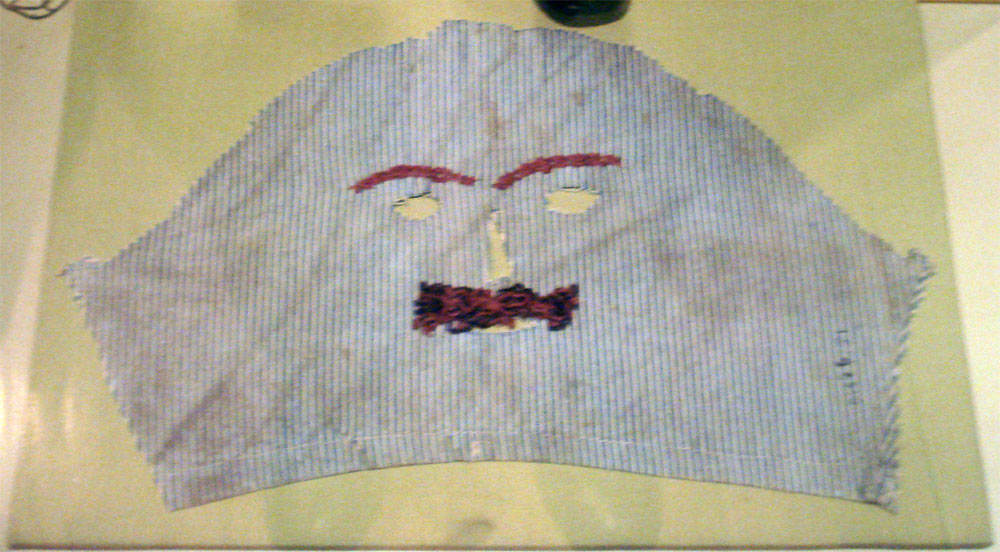
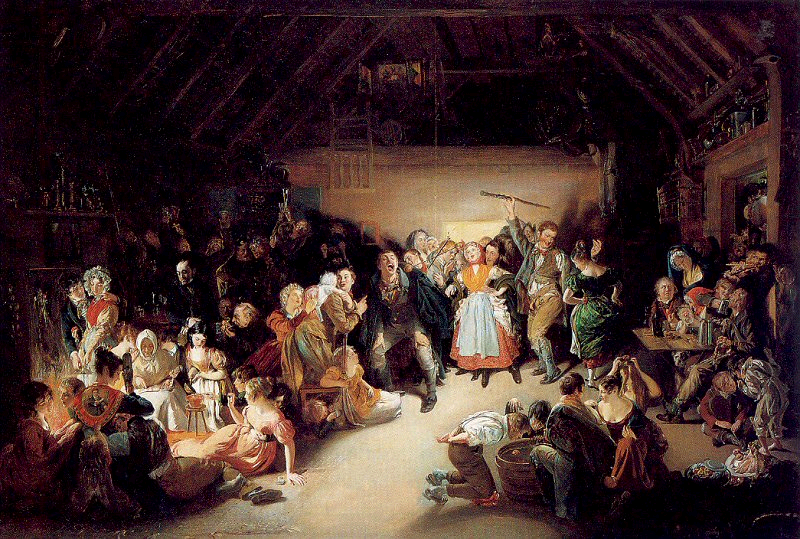
People dress in costumes to hide from wandering spirits or to celebrate. Children go door to door asking for treats, a practice linked to old souling rituals where poor people received cakes in exchange for prayers. Many carve faces into turnips or pumpkins to make jack-o'-lanterns. Bonfires light up neighborhoods. Others visit haunted houses or play apple bobbing. Some Christians attend church services or place candles on graves to guide departed souls home.
Food and drink
Historical foods include soul cakes marked with crosses. These sweet breads were shared during souling visits. Apple cider and roasted apples appear often because apples symbolize fertility and the harvest. Potato pancakes are traditional in some regions. Families might leave milk or food on tables for returning spirits. Modern celebrations feature candy and sweets given to trick-or-treaters. The feast focuses on seasonal ingredients like squash and nuts.
Meaning and symbolism
The night serves as a bridge between the living and the dead. Carved vegetables act as lanterns to ward off evil or guide lost souls. Costumes originally protected wearers from recognition by vengeful ghosts. The color orange represents the harvest fire, while black signifies death and mystery. Candles placed on tombs show respect for ancestors. The celebration reminds participants that life ends but memory continues through community gatherings and shared stories.
How Halloween is kept
Families carve vegetables into glowing lanterns and hang them in windows. Children dress in costumes and walk through neighborhoods asking for candy. Adults host costume parties with games like apple bobbing. Some visit cemeteries to light candles or flowers on graves. Others tell scary stories or watch horror films. The day ends with communal feasts featuring autumn foods.
When and where
It occurs annually on 31 October. This date follows the Western Christian calendar immediately before All Saints' Day. The timing aligns with the end of the harvest season in the Northern Hemisphere.
The tradition originated in Ireland and Scotland. It became widespread in the United States and Canada after immigration waves. Today it is observed globally, including in parts of Europe and Asia, though often in a secular form.
What Halloween means
Jack-o'-lanterns represent souls or protection against spirits. Costumes disguise the wearer from malevolent entities. Candles on graves offer light for traveling spirits. The whole event balances fear of the unknown with gratitude for the harvest and remembrance of loved ones who have passed away.
On the table
- Soul cakes
- Apple cider
- Roasted apples
- Potato pancakes
- Candy
- Pumpkin pie


Days Halloween is marked
Halloween dates: 2026, 2027, 2028
| Year | Halloween date |
|---|---|
| 2026 | 31 October to 1 November 2026 |
| 2027 | 31 October to 1 November 2027 |
| 2028 | 31 October to 1 November 2028 |
Questions people ask about Halloween
When is Halloween in 2026?
Halloween 2026 runs from 31 October to 1 November 2026. Other years: 2027, 31 October to 1 November 2027; 2028, 31 October to 1 November 2028.
What is Halloween?
Halloween is an annual observance on 31 October. It marks the eve of All Saints' Day in the Western Christian calendar. People celebrate by dressing up, carving vegetables, and remembering the dead.
Where did Halloween start?
The custom began in Ireland and Scotland. Ancient Celtic festivals influenced early practices. Irish immigrants brought these traditions to North America in the nineteenth century, where they evolved into modern forms.
Why do people carve pumpkins?
Carving vegetables creates jack-o'-lanterns. Originally, turnips were used in Britain and Ireland. The glowing lanterns were believed to ward off evil spirits or guide wandering souls toward homes.
Is Halloween religious?
It has Christian roots as a vigil for saints and martyrs. Many now treat it as a secular holiday focused on fun and costumes. Some churches still hold special services or prayer events on this night.
See also
Good reading and sources
- Encyclopaedia BritannicaArticle
- BBC - ReligionsBBC, Article
- Halloween: Origins and TraditionsHistory.com, Article
- Do Jews Celebrate Halloween?Jewish Virtual Library, Article
- BBC - ReligionsBBC, Article
- Halloween: Origins and TraditionsHistory.com, Article
- Do Jews Celebrate Halloween?Jewish Virtual Library, Article
- Halloween on WikipediaEncyclopedia
- More photos on Wikimedia CommonsPhotos and video
- Wikidata recordOpen data
The facts on this page come from the Wikipedia article "Halloween", written by its contributors and used under the CC BY-SA 4.0 licence, and from its Wikidata record (CC0). EveryParampara rewrote the text in its own words, with AI assistance, and compares every page with the article to make sure no passage is copied. It may be reused under the same CC BY-SA 4.0 licence with a link back.
It may contain mistakes. Traditions differ from one family, village and community to the next, and the people who keep them know them best. If something is wrong, tell us. Last refreshed 2026-10-05.
More from Ireland
All the traditions of Ireland 🇬🇧 United Kingdom and 3 moreMumming
A medieval European custom of masked house-to-house visits, performances and seasonal revelry.Festival
🇬🇧 United Kingdom and 3 moreMumming
A medieval European custom of masked house-to-house visits, performances and seasonal revelry.Festival
 🇺🇸 United States and 1 moreSaint Patrick's Day in the United States
An annual celebration of Irish heritage across America with parades, feasts and green dyeFestival · Dinner
🇺🇸 United States and 1 moreSaint Patrick's Day in the United States
An annual celebration of Irish heritage across America with parades, feasts and green dyeFestival · Dinner
 🇮🇪 Ireland and 2 moreWren DayLá an Dreoilín
A Saint Stephen's Day custom where groups parade a stuffed wren on a decorated pole through their community.Festival
🇮🇪 Ireland and 2 moreWren DayLá an Dreoilín
A Saint Stephen's Day custom where groups parade a stuffed wren on a decorated pole through their community.Festival
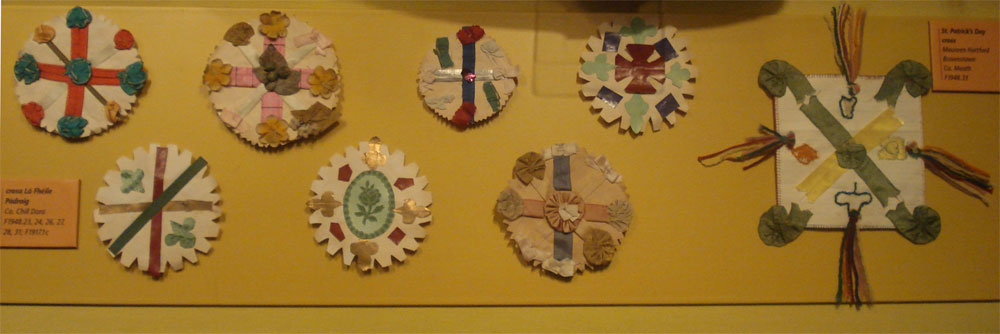 🇮🇪 Ireland and 5 moreSaint Patrick's DayLá Fhéile Pádraig
An annual Irish holiday of parades, church services, green dress and shamrocksFestival
🇮🇪 Ireland and 5 moreSaint Patrick's DayLá Fhéile Pádraig
An annual Irish holiday of parades, church services, green dress and shamrocksFestival
The same idea elsewhere
Remembering the ancestors compared 🇮🇳 Ayodhya, India and 7 moreDiwaliदीपावली (Dīpāvalī)
A five-day festival of lights celebrated across India and its diaspora to mark the victory of light over darkness.Festival · Feasts and festival meals
🇮🇳 Ayodhya, India and 7 moreDiwaliदीपावली (Dīpāvalī)
A five-day festival of lights celebrated across India and its diaspora to mark the victory of light over darkness.Festival · Feasts and festival meals
 🇧🇩 Bangladesh and 1 moreAlpanaআলপনা (Alpona)
A Bengali floor painting tradition using rice flour paste to mark festivals and rituals.Performance
🇧🇩 Bangladesh and 1 moreAlpanaআলপনা (Alpona)
A Bengali floor painting tradition using rice flour paste to mark festivals and rituals.Performance
 🇮🇳 India and 5 morePretaप्रेत
Offerings and rites for spirits enduring deep hunger across Asian traditions.Spiritual
🇮🇳 India and 5 morePretaप्रेत
Offerings and rites for spirits enduring deep hunger across Asian traditions.Spiritual
 🇮🇱 Israel and 5 moreKol Nidreכָּל נִדְרֵי
An Aramaic declaration of vow annulment that opens the Yom Kippur evening service in Jewish synagogues.Spiritual
🇮🇱 Israel and 5 moreKol Nidreכָּל נִדְרֵי
An Aramaic declaration of vow annulment that opens the Yom Kippur evening service in Jewish synagogues.Spiritual