Spiritual and religiousSouth AsiaChristian
Nativity of Mary
A Christian feast day honouring the birth of Mary, the mother of Jesus

The Nativity of Mary is a Christian holy day commemorating the birth of the Virgin Mary, observed primarily on 8 September across global churches. Congregations mark the occasion through special liturgies, floral tributes to child Mary statues, harvest blessings, and festive family meals.
When is Nativity of Mary marked?
Nativity of Mary is kept as part of Victory Day, which is on Sunday, 9 May 2027.
The Nativity of Mary is an annual Christian feast that honours the birth of the Virgin Mary, the mother of Jesus. While most Christian saints are remembered on the date of their death, Mary is among the rare figures whose birth is celebrated. Observed in both Eastern and Western church traditions, the day combines solemn liturgical prayer with local customs, from harvest thanksgivings to street processions.
Origins and early history
The biblical scriptures do not describe the birth of Mary. The story comes from an early text called the Gospel of James, which names her parents as Joachim and Anne. Formal liturgical commemoration began in the sixth century in the eastern Mediterranean, supported by early hymns and the dedication of a Jerusalem basilica at the site believed to be her childhood home. Eastern monks carried the feast to Rome toward the close of the seventh century. Unlike typical saintly memorials that focus on martyrdom or passing, Mary's birth was observed because of her singular role in Christian belief.
Harvest customs in India
In India, Christian communities connect the feast with harvest rituals and period fasting. Saint Thomas Christians in Kerala observe an eight-day abstinence called Ettu Nombu, avoiding meat and alcohol while praying the rosary in groups. On the feast day, churches distribute a sweet milk and jaggery rice pudding called pachoru, followed by meat dishes at home. Along the Konkan coast in Goa and Mangalore, the feast is known as Monti Fest. Families gather for a thanksgiving meal centered on newly harvested crops. Children shower flower petals over statues of infant Mary after nine days of preparatory prayer, and blessed grain is mixed into vegetarian dishes.
Processions and victory days
In Malta, the nativity feast is known as Il-Bambina and coincides with Victory Day, recalling the end of historic sieges in 1565 and 1942 as well as French withdrawal in 1800. Parishes such as Senglea, Naxxar, Mellieħa, and Xagħra drape church interiors in red damask. Brass bands play marches through the streets, fireworks fill the sky, and statues of the young Virgin are carried in public processions. In France, winemakers treat the holy day as Our Lady of the Grape Harvest, presenting early grape bunches to be blessed before statues of Mary and eaten in festive meals.
Devotion to child Mary
Across several cultures, the feast places special emphasis on Mary during her infancy and childhood. In Italy, devotion to Maria Bambina developed around wax figures of the swaddled baby. In Spain's former territories, including Mexico, Guatemala, and the Philippines, artists portrayed Mary as a young girl known as La Niña María. Filipino Catholics dress her effigies in pastel robes, adorn her with floral garlands, and offer candies and sweet cakes. To honour this maternal devotion, the Philippine government recognised 8 September as a nationwide special working holiday.
How Nativity of Mary is kept
Celebrations open in many places with days of preparatory prayer or fasting. In churches, priests lead celebratory masses, and sanctuaries are decorated with rich fabrics or fresh flowers. Statues representing Mary as an infant or young girl receive floral garlands and crowns. Parishioners join outdoor processions accompanied by community marching bands and fireworks. In agricultural communities, growers bring new grain or early grape clusters to church to be blessed before sharing festive lunches. Families gather at home to end periods of abstinence with multi-course feasts.
When and where
Western Christianity, Byzantine churches, and Oriental Orthodox bodies celebrate the feast on 8 September, exactly nine months after the Immaculate Conception on 8 December. Churches following the Julian calendar observe it on 21 September in the civil calendar. In contrast, Coptic and Ethiopian Orthodox Christians commemorate Mary's nativity on 9 May.
The feast is kept across Roman Catholic, Eastern Orthodox, Anglican, and Lutheran parishes worldwide. It has particularly strong regional expressions in Malta, southern India, the Philippines, France, and parts of Latin America, where local civil holidays, harvest blessings, or historical civic anniversaries coincide with the religious liturgy.
What Nativity of Mary means
In Christian theology, Mary's birth represents the dawn of salvation and the arrival of the mother of the Messiah. Saint Andrew of Crete described the day as a joyful prelude to human redemption. Because early tradition held Mary to be preserved from sin from her conception, her childhood is venerated as a sign of purity and innocence. Local agricultural ties also connect her birth with new life, fruitfulness, and thanksgiving for seasonal harvests.
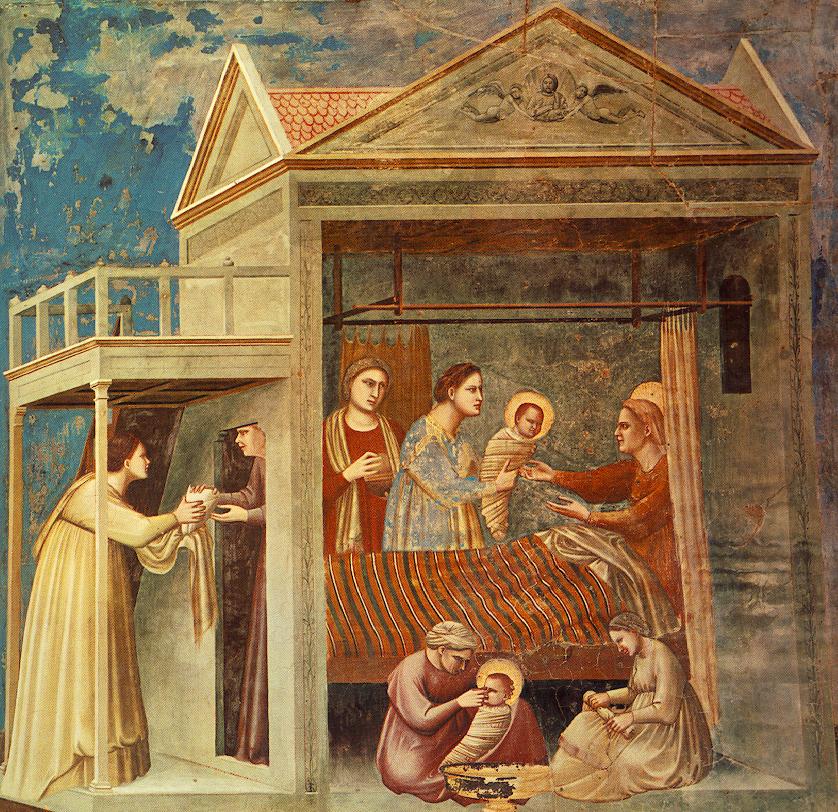


Days Nativity of Mary is marked
Questions people ask about Nativity of Mary
When is Nativity of Mary marked?
Nativity of Mary is kept as part of Victory Day, which is on Sunday, 9 May 2027.
What is the Nativity of Mary?
The Nativity of Mary is a Christian feast celebrating the birth of Mary, mother of Jesus. Because of her unique role in Christian faith, she is one of the few figures whose birthday is commemorated liturgically rather than her day of death.
Where does the story of Mary's birth come from?
The canonical New Testament does not record Mary's birth. The earliest written account appears in the second-century Gospel of James, an apocryphal text that identifies her parents as Joachim and Anne.
How is the day celebrated in India?
In Kerala, Saint Thomas Christians observe an eight-day abstinence before sharing sweet pachoru pudding and family feasts. In Goa and Mangalore, the Monti Fest combines flower offerings to infant Mary with thanksgiving blessings of newly harvested crops.
See also
 Good FridayA solemn Christian holy day commemorating the crucifixion and death of Jesus Christ.
 Holy WeekThe solemn seven days leading to Easter, recalling the final week and Passion of Jesus
 PretaOfferings and rites for spirits enduring deep hunger across Asian traditions.
 Akhand PathThe unbroken, continuous reading of the entire Sikh scripture over two days
Good reading and sources
- Nativity of Mary on WikipediaEncyclopedia
- More photos on Wikimedia CommonsPhotos and video
- Wikidata recordOpen data
The facts on this page come from the Wikipedia article "Nativity of Mary", written by its contributors and used under the CC BY-SA 4.0 licence, and from its Wikidata record (CC0). EveryParampara rewrote the text in its own words, with AI assistance, and compares every page with the article to make sure no passage is copied. It may be reused under the same CC BY-SA 4.0 licence with a link back.
It may contain mistakes. Traditions differ from one family, village and community to the next, and the people who keep them know them best. If something is wrong, tell us. Last refreshed 2026-10-05.
More from India
All the traditions of India 🇵🇭 Manila, Philippines and 5 moreNovena
A nine-day Christian prayer tradition for petitions, feasts, or mourning.Spiritual
🇮🇳 India and 1 moreAkhand Pathਅਖੰਡ ਪਾਠ
The unbroken, continuous reading of the entire Sikh scripture over two daysSpiritual
🇮🇳 India and 5 morePretaप्रेत
Offerings and rites for spirits enduring deep hunger across Asian traditions.Spiritual
🇵🇭 Manila, Philippines and 5 moreNovena
A nine-day Christian prayer tradition for petitions, feasts, or mourning.Spiritual
🇮🇳 India and 1 moreAkhand Pathਅਖੰਡ ਪਾਠ
The unbroken, continuous reading of the entire Sikh scripture over two daysSpiritual
🇮🇳 India and 5 morePretaप्रेत
Offerings and rites for spirits enduring deep hunger across Asian traditions.Spiritual
 🇮🇳 Kolkata, India and 2 moreDurga Pujaদুর্গাপূজা
Ten days of worship for the goddess Durga, closing with images carried to the waterSpiritual
🇮🇳 Kolkata, India and 2 moreDurga Pujaদুর্গাপূজা
Ten days of worship for the goddess Durga, closing with images carried to the waterSpiritual
The same idea elsewhere
Birth and new babies compared 🇹🇱 Timor-LesteUma Lulik
Sacred ancestral clan houses and ritual shrines in East TimorSpiritual
🇹🇱 Timor-LesteUma Lulik
Sacred ancestral clan houses and ritual shrines in East TimorSpiritual
 🇷🇺 Russia and 2 moreMaslenitsaМасленица
A seven-day Eastern Slavic festival of pancakes and bonfires marking the end of winter before Lent.Festival · Breakfast
🇷🇺 Russia and 2 moreMaslenitsaМасленица
A seven-day Eastern Slavic festival of pancakes and bonfires marking the end of winter before Lent.Festival · Breakfast
 🇩🇪 Germany and 7 moreSt. Martin's DayMartinstag
A November feast of lantern walks, bonfires, roast goose and new wineSpiritual
🇩🇪 Germany and 7 moreSt. Martin's DayMartinstag
A November feast of lantern walks, bonfires, roast goose and new wineSpiritual
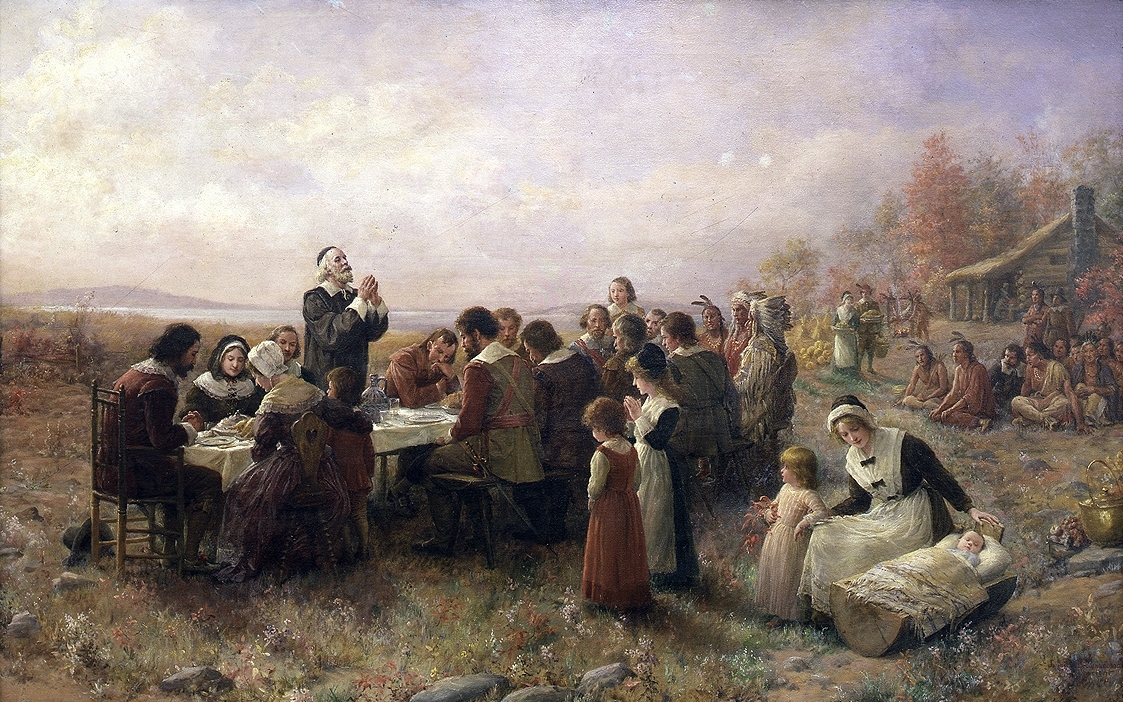 🇺🇸 Washington, United StatesThanksgiving
An annual American holiday of gratitude, family gatherings and an autumn harvest feastFestival · Dinner
🇺🇸 Washington, United StatesThanksgiving
An annual American holiday of gratitude, family gatherings and an autumn harvest feastFestival · Dinner