Spiritual and religiousEuropeChristian
Holy Week in Seville
In its own language: Semana Santa de Sevilla
A week of solemn processions and floats through the streets of Seville to mark the Passion of Christ.

This observance takes place in Seville, Spain, during the seven days before Easter. Local Catholic brotherhoods carry ornate wooden floats depicting scenes from the Bible through the city streets. The event serves as a public expression of faith and remembrance for the death and resurrection of Jesus Christ.
When is Holy Week in Seville marked?
Holy Week in Seville is kept as part of Palm Sunday, which is on Sunday, 21 March 2027.
Holy Week in Seville is a major annual religious festival held in the Spanish city. It commemorates the final days of Jesus Christ's life through elaborate street processions. Local brotherhoods carry heavy wooden floats past crowds of onlookers. The event blends deep spiritual devotion with centuries-old artistic traditions.
What the event is
The celebration occurs in Seville, Spain, during the Christian season of Lent. It marks the period between Palm Sunday and Easter Sunday. The main activity involves hundreds of participants marching through the city center. They carry large, decorated platforms known as pasos. These structures hold lifelike sculptures of biblical figures. The displays focus on the sorrowful moments of Jesus's journey to the cross and the grief of his mother. This practice unites the local Catholic community in shared remembrance.
How the procession works
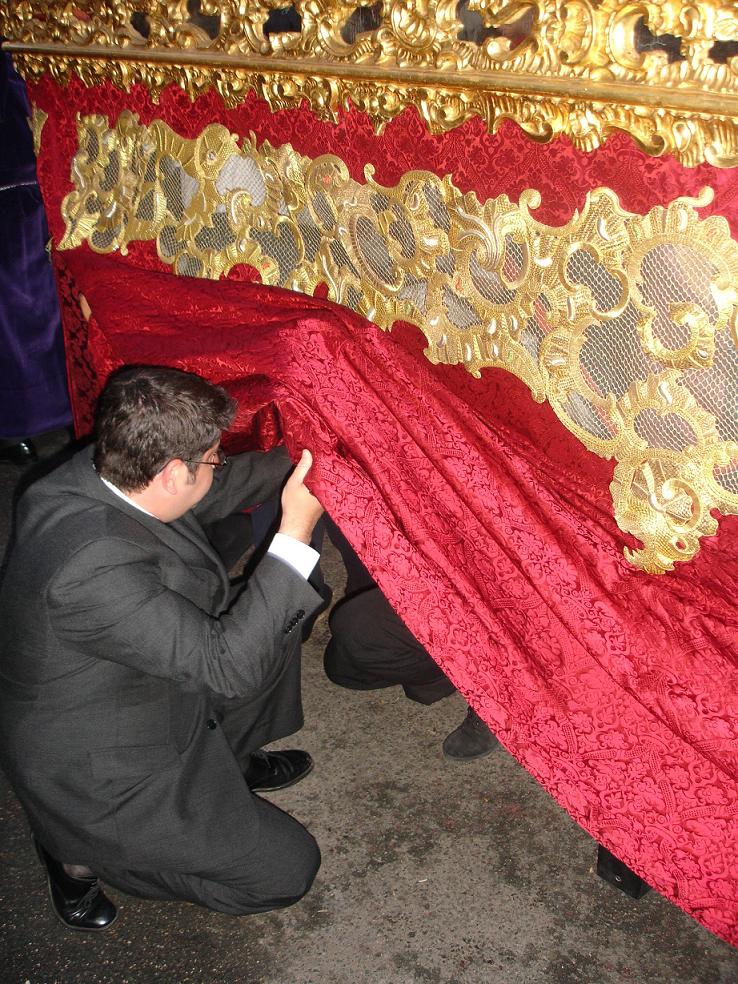
Religious brotherhoods organize the marches. Members wear distinctive robes and tall, pointed hoods called capirotes. These masks hide the wearer's face to allow for anonymous repentance. The group carries a guiding cross at the front. Behind them walk penitents holding candles or crosses. The centerpiece is the paso, a heavy float lifted by men hidden beneath a curtain. An overseer directs these carriers using voice commands or a hammer tap. The route leads from local chapels to the cathedral and back again.
Music and atmosphere
Sound varies by procession type. Some marches proceed in complete silence. Others feature brass bands playing solemn hymns behind images of Jesus. Choirs may accompany floats dedicated to the Virgin Mary. The music often reflects funeral rites for Christ scenes. Crowds sometimes sing traditional songs called saetas from balconies. When images arrive at their home churches, the national anthem plays. Participants show respect by standing still during this performance.
Traditional clothing
Women often wear a specific outfit on Holy Thursday. This attire includes a black dress and a lace mantle called a mantilla. The lace is stiffened with shell or similar material. Participants may also carry a rosary in their hands. Jewelry is kept minimal, usually limited to earrings or bracelets. Men in the brotherhoods wear habits matching their specific group colors. The pointed hoods remain the most recognizable symbol of the marchers.
How Holy Week in Seville is kept
Brotherhoods march from their home churches to the cathedral. Nazarenos lead the way in hooded robes. Costaleros carry the heavy pasos on their shoulders. Bands play music or singers offer spontaneous verses. The route passes through central viewing areas before returning home.
When and where
It happens annually during the week before Easter Sunday. The dates shift each year based on the lunar calendar. The most intense marches occur on Holy Thursday night and Good Friday dawn.
The processions take place in Seville, Spain. They travel along designated routes through the city streets. Many pass through the official viewing area near the cathedral.
What Holy Week in Seville means
The event honors the suffering and death of Jesus Christ. The hidden faces of the nazarenos represent humble repentance. The heavy floats symbolize the burden carried by believers. The entire week serves as a public act of faith and cultural preservation for the local Catholic population.



Days Holy Week in Seville is marked
Questions people ask about Holy Week in Seville
When is Holy Week in Seville marked?
Holy Week in Seville is kept as part of Palm Sunday, which is on Sunday, 21 March 2027.
What is Holy Week in Seville?
It is an annual religious festival in Seville, Spain. Catholic brotherhoods carry ornate wooden floats depicting biblical scenes through the city streets to commemorate the Passion of Christ.
Who participates in the marches?
Local Catholic brotherhoods organize the events. Members wear specific robes and pointed hoods. Hidden carriers lift the heavy floats, while musicians and singers accompany the procession.
What are the wooden floats called?
They are known as pasos. These structures hold lifelike sculptures of Jesus and the Virgin Mary. They are carried through the streets by teams of men working together.
See also
 Camino de SantiagoA Christian walking pilgrimage across Europe to the shrine of Saint James in Spain
 Holy Week in SpainAnnual Catholic penitential processions across Spain featuring floats, robes and music to mark the Passion of Christ.
 Sinulog FestivalAn annual Philippine dance festival and Catholic devotion honouring the Santo Niño
 PassoverA Jewish spring festival celebrating freedom from slavery with ritual meals
Good reading and sources
- Holy Week in Seville on WikipediaEncyclopedia
- More photos on Wikimedia CommonsPhotos and video
- Wikidata recordOpen data
The facts on this page come from the Wikipedia article "Holy Week in Seville", written by its contributors and used under the CC BY-SA 4.0 licence, and from its Wikidata record (CC0). EveryParampara rewrote the text in its own words, with AI assistance, and compares every page with the article to make sure no passage is copied. It may be reused under the same CC BY-SA 4.0 licence with a link back.
It may contain mistakes. Traditions differ from one family, village and community to the next, and the people who keep them know them best. If something is wrong, tell us. Last refreshed 2026-10-04.
More from Spain
All the traditions of Spain 🇪🇸 Santiago de Compostela, SpainBotafumeiro
A giant swinging censer of brass and silver that fills the Santiago de Compostela Cathedral with incense during solemn fSpiritual
🇪🇸 Santiago de Compostela, Spain and 7 moreCamino de SantiagoEl Camino de Santiago
A Christian walking pilgrimage across Europe to the shrine of Saint James in SpainSpiritual
🇪🇸 Seville, SpainHoly Week in SpainSemana Santa
Annual Catholic penitential processions across Spain featuring floats, robes and music to mark the Passion of Christ.Spiritual
🇪🇸 Santiago de Compostela, SpainBotafumeiro
A giant swinging censer of brass and silver that fills the Santiago de Compostela Cathedral with incense during solemn fSpiritual
🇪🇸 Santiago de Compostela, Spain and 7 moreCamino de SantiagoEl Camino de Santiago
A Christian walking pilgrimage across Europe to the shrine of Saint James in SpainSpiritual
🇪🇸 Seville, SpainHoly Week in SpainSemana Santa
Annual Catholic penitential processions across Spain featuring floats, robes and music to mark the Passion of Christ.Spiritual
 🇮🇹 Italy and 5 moreTranslation of relicsTranslatio
The ceremonial transfer of holy remains or relics to a new church or shrineSpiritual
🇮🇹 Italy and 5 moreTranslation of relicsTranslatio
The ceremonial transfer of holy remains or relics to a new church or shrineSpiritual
The same idea elsewhere
Pilgrimage compared 🇺🇸 United States and 5 moreMother's Day
A worldwide annual celebration dedicated to mothers, maternal bonds and family careHome
🇮🇱 Jerusalem, IsraelPassoverפסח
A Jewish spring festival celebrating freedom from slavery with ritual mealsSpiritual · Dinner
🇺🇸 United States and 5 moreMother's Day
A worldwide annual celebration dedicated to mothers, maternal bonds and family careHome
🇮🇱 Jerusalem, IsraelPassoverפסח
A Jewish spring festival celebrating freedom from slavery with ritual mealsSpiritual · Dinner
 🇮🇱 Jerusalem, IsraelSukkotסוכות
A seven-day autumn Jewish festival of temporary booths, harvest prayers and hospitalitySpiritual
🇮🇱 Jerusalem, IsraelSukkotסוכות
A seven-day autumn Jewish festival of temporary booths, harvest prayers and hospitalitySpiritual
 🇮🇳 India and 1 moreKailash Mansarovar Yatraकैलाश मानसरोवर यात्रा (Hindi); ཀཱའི་ལ་ཤ་མན་ས་རོ་ཝར་ཡ་ཏྲ། (Tibetan)
A high-altitude pilgrimage to Mount Kailash and Lake Manasarovar in TibetSpiritual
🇮🇳 India and 1 moreKailash Mansarovar Yatraकैलाश मानसरोवर यात्रा (Hindi); ཀཱའི་ལ་ཤ་མན་ས་རོ་ཝར་ཡ་ཏྲ། (Tibetan)
A high-altitude pilgrimage to Mount Kailash and Lake Manasarovar in TibetSpiritual