Festivals and celebrationsSouth Asia
Hornbill Festival
A ten-day December gathering of Nagaland's ethnic groups, held at Kisama near Kohima

The Hornbill Festival is an annual ten-day event in Nagaland, in northeastern India, running from 1 to 10 December. Started by the state government in 2000, it brings together every ethnic group of Nagaland at Kisama Heritage Village for music, dance, food, sport and craft, and is often called the Festival of Festivals.
When is Hornbill Festival in 2026?
Hornbill Festival 2026 runs from 1 to 10 December 2026. Other years: 2027, 1 to 10 December 2027; 2028, 1 to 10 December 2028.
Every December, Nagaland in northeastern India holds a ten-day festival that gathers all of its ethnic groups in one place. The Hornbill Festival takes its name from a large forest bird that appears in the folklore of most of these communities. The state government began it in 2000 to bring the groups together and to keep their customs, songs and crafts in view.
What it is
The Hornbill Festival runs for ten days each December, from the first to the tenth, in Nagaland, a state in northeastern India. It belongs to no single community. Every ethnic group in the state is represented, which is why people also call it the Festival of Festivals. The main site is Kisama Heritage Village in the Southern Angami part of Kohima District, roughly twelve kilometres from Kohima town. Nagaland has many ethnic groups, each with its own festivals, and most of the population farms for a living, so those festivals are tied closely to agriculture. Participation matters greatly, because the Nagas treat these occasions as sacred.
Origins and purpose
The state government set up the Hornbill Festival to encourage contact between ethnic groups and to promote Nagaland's cultural heritage. The first edition took place in December 2000, and the Government of Nagaland has organised it every year since. Two departments run it: State Tourism, and Art and Culture. Their stated aim is to revive and protect the state's culture and to put its traditions on display. Because older people often travel in from villages for the event, the festival also gives residents of different villages a chance to meet. Observers have noted that this leads to cultural assimilation.
Ten days at Kisama
The festival is held mostly in Kohima District, with Kisama Heritage Village as the chief venue. The week is packed: cultural performances, crafts, sports, food fairs, games and ceremonies follow one another, and traditional Naga Morungs exhibitions are among the draws. Visitors can buy arts and crafts, eat at food stalls, look at herbal medicine stands and see flower shows and sales. A cultural medley of songs and dances, fashion shows and the Miss Nagaland beauty contest fill out the programme. Displayed arts include carving, painting and sculpture.
Games and evening music
Traditional archery and Naga wrestling are among the competitions, alongside indigenous games and sports. Troupes from the ethnic groups sing folk songs, perform their dances and take part in these contests. When night comes, concerts keep the festive mood going. The largest of these is the Hornbill International Rock Festival, staged at Indira Gandhi Stadium, where local bands perform next to bands from other countries. Music runs late and covers many tastes, so the celebration does not stop when daylight ends.
Visitors and the state
For a visitor, the festival is a chance to understand the people of Nagaland more closely, and to meet their food, songs, dances and customs in one place. Tourism promoters say it lets travellers see the different ethnic groups and learn about the state's cultural heritage, its architecture and its cuisine. The event has done much for Nagaland's reputation as a destination. At the same time, it reinforces how the state stands out within India's federal union, presenting a shared Naga identity. A related inter-ethnic festival, Lui Ngai Ni, is kept by Nagas in Manipur.
How Hornbill Festival is kept
All the ethnic groups of Nagaland take part, and the state government organises the event each December. The ten days open on the first and close on the tenth. Cultural performances run through the day at Kisama Heritage Village: songs and dances by Naga troupes, Morungs exhibitions, craft sales, food and herbal medicine stalls and flower shows. Competitions follow, among them archery, Naga wrestling and indigenous games. In the evening concerts take over, closing with the Hornbill International Rock Festival at Indira Gandhi Stadium, where local and international rock bands play.
When and where
It is kept every year from 1 to 10 December, so it covers the first week of the month and a little beyond. The dates do not move. The state government decides and runs the programme, and the festival has fallen in December since its first edition in 2000.
The festival belongs to Nagaland, a state in northeastern India, and is held mainly in Kohima District. Its principal site is Kisama Heritage Village, in the Southern Angami region, about twelve kilometres from Kohima. Groups from across the state come to that one place, and travellers from elsewhere in India and from abroad join them.
What Hornbill Festival means
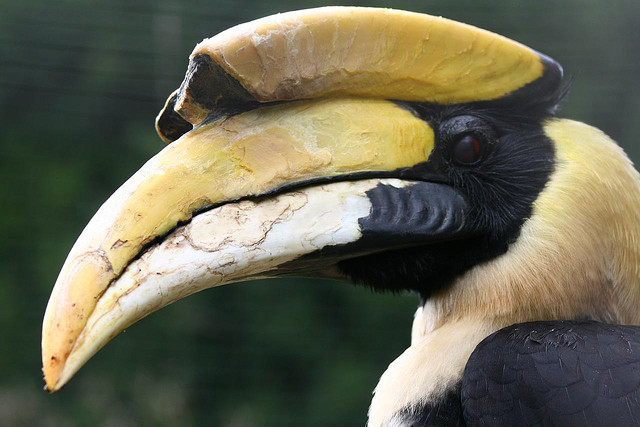
For the Nagas, festivals are sacred, and taking part in them is not optional. The Hornbill Festival carries that seriousness into a shared setting, standing for a Naga identity that holds across many ethnic groups. Its name comes from the hornbill, a large, brightly coloured forest bird that appears in the folklore of most communities in the state. Bringing the groups together is meant to strengthen what they hold in common and to keep old customs from being lost.


Hornbill Festival dates: 2026, 2027, 2028
| Year | Hornbill Festival date |
|---|---|
| 2026 | 1 to 10 December 2026 |
| 2027 | 1 to 10 December 2027 |
| 2028 | 1 to 10 December 2028 |
Questions people ask about Hornbill Festival
When is Hornbill Festival in 2026?
Hornbill Festival 2026 runs from 1 to 10 December 2026. Other years: 2027, 1 to 10 December 2027; 2028, 1 to 10 December 2028.
What is the Hornbill Festival?
It is a ten-day festival held each December in Nagaland, in northeastern India. Every ethnic group of the state takes part, which is why it is also known as the Festival of Festivals. It was first held in 2000 and is organised by the state government.
Where does it take place?
Mainly in Kohima District in Nagaland. The chief venue is Kisama Heritage Village in the Southern Angami region, roughly twelve kilometres from Kohima. All the state's ethnic groups gather at that site, and visitors from outside the state are welcome.
Why is it called the Hornbill Festival?
The name comes from the hornbill, a large and colourful forest bird. The bird belongs to the folklore of most of Nagaland's ethnic groups, so it stands for something they share rather than for any one community.
Who organises it?
The Government of Nagaland, working through the Department of State Tourism and the Department of Art and Culture. It began in 2000 to encourage contact between ethnic groups and to promote the state's cultural heritage.
See also
 DiwaliA five-day festival of lights celebrated across India and its diaspora to mark the victory of light over darkness.
 MawlidAn annual festival marking the birth of the Prophet Muhammad, marked by poetry, processions and feasts.
 HoliA spring festival of colours and bonfires that marks the end of winter and the triumph of good over evil.
 Water lanternSmall lamps floated on water to honour the dead and ask for good fortune
Good reading and sources
- Hornbill Festival on WikipediaEncyclopedia
- More photos on Wikimedia CommonsPhotos and video
- Wikidata recordOpen data
The facts on this page come from the Wikipedia article "Hornbill Festival", written by its contributors and used under the CC BY-SA 4.0 licence, and from its Wikidata record (CC0). EveryParampara rewrote the text in its own words, with AI assistance, and compares every page with the article to make sure no passage is copied. It may be reused under the same CC BY-SA 4.0 licence with a link back.
It may contain mistakes. Traditions differ from one family, village and community to the next, and the people who keep them know them best. If something is wrong, tell us. Last refreshed 2026-10-05.
More from India
All the traditions of India
🇮🇳 Ayodhya, India and 7 moreDiwaliदीपावली (Dīpāvalī)
A five-day festival of lights celebrated across India and its diaspora to mark the victory of light over darkness.Festival · Feasts and festival meals
🇪🇬 Egypt and 5 moreMawlidمولد (Mawlid)
An annual festival marking the birth of the Prophet Muhammad, marked by poetry, processions and feasts.Festival · Feasts and festival meals
🇮🇳 Mathura, India and 5 moreHoliहोली (Hindi)
A spring festival of colours and bonfires that marks the end of winter and the triumph of good over evil.Festival
🇮🇳 India and 4 moreWater lantern
Small lamps floated on water to honour the dead and ask for good fortuneFestival
The same idea elsewhere
All of this kind 🇮🇹 Rome, Italy and 4 moreChristmas
A festival of Jesus's birth, kept on 25 December with gifts, lights and shared mealsFestival
🇮🇹 Rome, Italy and 4 moreChristmas
A festival of Jesus's birth, kept on 25 December with gifts, lights and shared mealsFestival
 🇮🇪 Ireland and 5 moreHalloween
An annual observance on 31 October marking the eve of All Saints' Day, rooted in Christian tradition and Celtic heritageFestival · Sweets given and shared
🇮🇪 Ireland and 5 moreHalloween
An annual observance on 31 October marking the eve of All Saints' Day, rooted in Christian tradition and Celtic heritageFestival · Sweets given and shared
 🇮🇹 Rome, Italy and 4 moreValentine's Day
A Christian feast day and cultural celebration of love kept on February 14 in many countries.Festival
🇮🇹 Rome, Italy and 4 moreValentine's Day
A Christian feast day and cultural celebration of love kept on February 14 in many countries.Festival
 🇹🇷 Turkey and 5 moreEid al-Fitrعيد الفطر
The feast that ends Ramadan, opened with morning prayers, sweets and visits homeFestival · Feasts and festival meals
🇹🇷 Turkey and 5 moreEid al-Fitrعيد الفطر
The feast that ends Ramadan, opened with morning prayers, sweets and visits homeFestival · Feasts and festival meals