Festivals and celebrationsSouth AsiaSecular and civic
International Mother Language Day
An annual observance on 21 February to protect linguistic diversity and honour the Bengali language movement.

Held every year on 21 February, this day promotes awareness of all languages and multilingualism. It was proposed by Bangladesh to commemorate the 1952 protests in Dhaka where students died fighting for their mother tongue. The United Nations now observes it worldwide to safeguard cultural heritage.
When is International Mother Language Day kept?
International Mother Language Day is kept every year on 21 February.
This annual observance honours the right to speak one's mother tongue and celebrates global linguistic diversity. It began in Bangladesh as a memorial to students who were killed in 1952 during protests demanding that Bengali be recognized as an official state language. Today, the United Nations marks the date to encourage multilingual education and protect endangered languages from extinction.
Origins in Dhaka
The tradition stems from events in East Pakistan, now Bangladesh. In 1947, the new nation declared Urdu its sole national language despite Bengali being spoken by most people. Protests erupted when authorities banned public gatherings. On 21 February 1952, police fired on demonstrators at the University of Dhaka. Five students died. Their sacrifice became a symbol of resistance against cultural erasure. The community later built the Shaheed Minar monument to remember them.
Global Recognition
Rafiqul Islam and Abdus Salam proposed the idea to UN Secretary-General Kofi Annan in 1998. UNESCO officially proclaimed 21 February as International Mother Language Day in November 1999. The United Nations General Assembly adopted resolution 56/262 in 2002 to formalize the observance. The goal is to preserve all languages used by people worldwide and promote understanding through dialogue.
How It Is Kept
In Bangladesh, it is a national holiday marked by flower-laying ceremonies at the Martyrs' Monument. Communities hold literary competitions, draw alpana art, and listen to songs. The Bangla Academy organizes a month-long book fair in Dhaka. In Canada, provincial proclamations and local society events mark the day. The United Kingdom has replicas of the Dhaka monument in London and Manchester where wreaths are laid.
Themes and Impact
UNESCO selects a specific theme each year to focus attention on different aspects of language preservation. Past themes have covered children's literacy, sign languages, cyberspace, and indigenous rights. The day also serves as a platform for awards like the Linguapax Prize and the Ekushey Heritage Award. These honors recognize individuals and groups working to revitalize linguistic communities and promote multilingualism.
How International Mother Language Day is kept
Communities gather at monuments or cultural centers to lay flowers and sing revolutionary songs. Literary competitions and book fairs are common, especially in Bangladesh where the Bangla Academy hosts major events. People share stories and poems in their native tongues to celebrate their heritage. Educational institutions often hold special sessions on multilingualism.
When and where
It falls annually on 21 February. The date was chosen to mark the anniversary of the 1952 killings in Dhaka during the Bengali language movement.
It is strongest in Bangladesh, where it is a national holiday. It is also observed in India, Canada, the UK, the US, Chile, Russia, Egypt, and the Philippines.
What International Mother Language Day means
It represents the struggle for cultural identity and the right to use one's mother tongue. The martyrs are remembered as heroes who sacrificed their lives for linguistic recognition. The day inspires solidarity based on tolerance and respect for all languages.


Questions people ask about International Mother Language Day
When is International Mother Language Day kept?
International Mother Language Day is kept every year on 21 February.
What is International Mother Language Day?
It is an annual UN observance on 21 February dedicated to promoting linguistic and cultural diversity and multilingualism worldwide.
Why is it celebrated on 21 February?
The date commemorates the 1952 Bengali language movement in Dhaka, where students were killed protesting for the recognition of their mother tongue.
Where is it primarily observed?
It is a national holiday in Bangladesh and is observed globally by UNESCO member states, with significant celebrations in Canada, the UK, and India.
See also
 ChristmasA festival of Jesus's birth, kept on 25 December with gifts, lights and shared meals
 HalloweenAn annual observance on 31 October marking the eve of All Saints' Day, rooted in Christian tradition and Celtic heritage
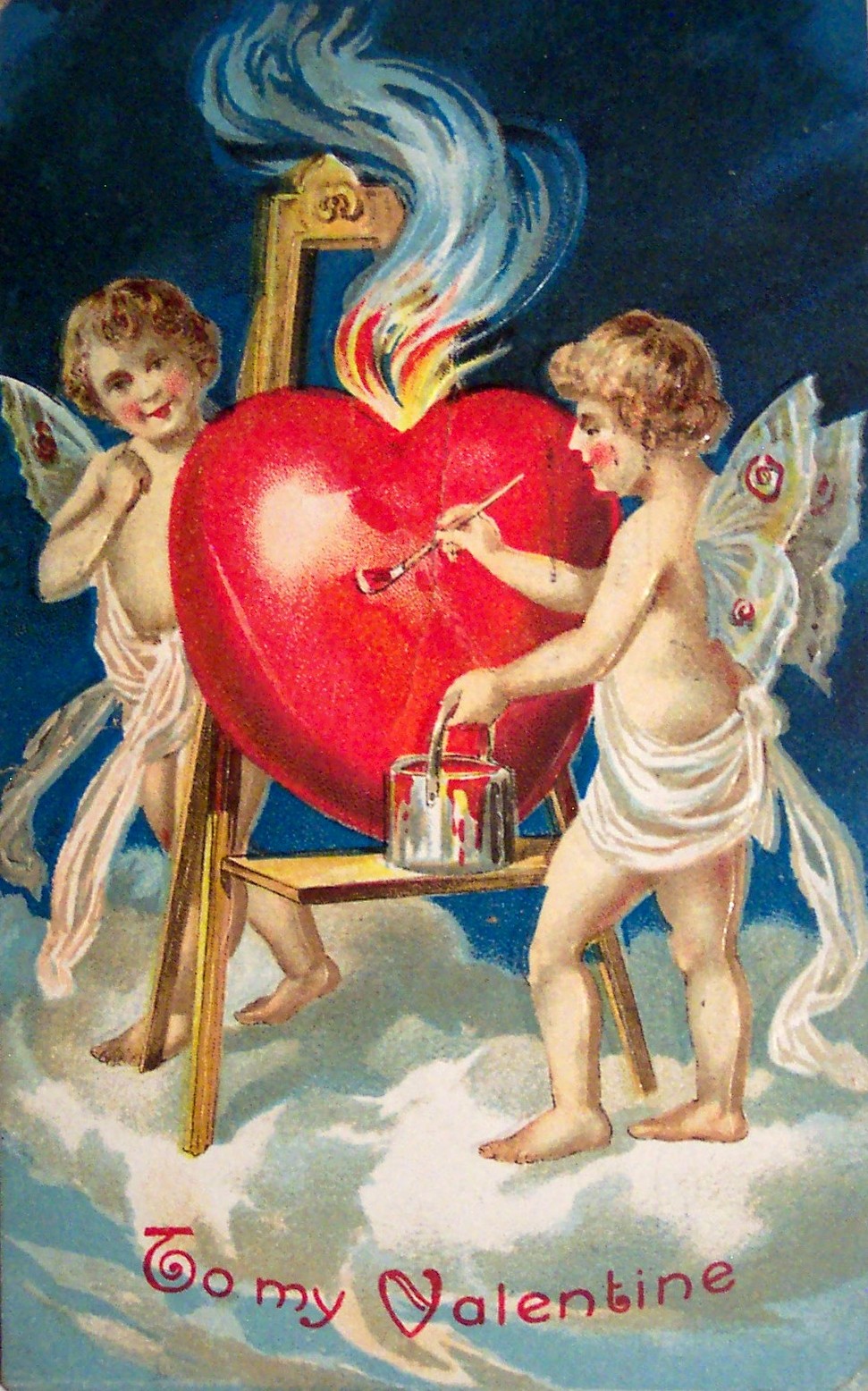 Valentine's DayA Christian feast day and cultural celebration of love kept on February 14 in many countries.
 Christmas treeA decorated evergreen or artificial tree placed indoors to mark the Christmas season.
Good reading and sources
- International Mother Language Day on WikipediaEncyclopedia
- More photos on Wikimedia CommonsPhotos and video
- Wikidata recordOpen data
The facts on this page come from the Wikipedia article "International Mother Language Day", written by its contributors and used under the CC BY-SA 4.0 licence, and from its Wikidata record (CC0). EveryParampara rewrote the text in its own words, with AI assistance, and compares every page with the article to make sure no passage is copied. It may be reused under the same CC BY-SA 4.0 licence with a link back.
It may contain mistakes. Traditions differ from one family, village and community to the next, and the people who keep them know them best. If something is wrong, tell us. Last refreshed 2026-10-04.
More from Bangladesh
All the traditions of Bangladesh 🇹🇷 Turkey and 5 moreEid al-Fitrعيد الفطر
The feast that ends Ramadan, opened with morning prayers, sweets and visits homeFestival · Feasts and festival meals
🇹🇷 Turkey and 5 moreEid al-Fitrعيد الفطر
The feast that ends Ramadan, opened with morning prayers, sweets and visits homeFestival · Feasts and festival meals
 🇮🇳 Kolkata, India and 1 moreSindur Khelaসিঁদুর খেলা
A Bengali Hindu ritual where married women apply vermilion to each other on Vijayadashami.Festival
🇮🇳 Kolkata, India and 1 moreSindur Khelaসিঁদুর খেলা
A Bengali Hindu ritual where married women apply vermilion to each other on Vijayadashami.Festival
 🇮🇳 Kolkata, India and 5 moreNavaratriनवरात्रि (Navarātri)
A nine-night Hindu festival honoring the goddess Durga and her nine forms through prayer, fasting, and dance.Festival · Fasting and breaking the fast
🇮🇳 Kolkata, India and 5 moreNavaratriनवरात्रि (Navarātri)
A nine-night Hindu festival honoring the goddess Durga and her nine forms through prayer, fasting, and dance.Festival · Fasting and breaking the fast
 🇮🇳 Kolkata, India and 1 moreDurga Puja
A ten-day autumn festival honouring the goddess Durga and her victory over evil, kept across eastern India and BangladesFestival
🇮🇳 Kolkata, India and 1 moreDurga Puja
A ten-day autumn festival honouring the goddess Durga and her victory over evil, kept across eastern India and BangladesFestival
The same idea elsewhere
All of this kind
🇮🇹 Rome, Italy and 4 moreChristmas
A festival of Jesus's birth, kept on 25 December with gifts, lights and shared mealsFestival
🇮🇪 Ireland and 5 moreHalloween
An annual observance on 31 October marking the eve of All Saints' Day, rooted in Christian tradition and Celtic heritageFestival · Sweets given and shared
🇬🇧 United Kingdom and 4 moreValentine's Day
A Christian feast day and cultural celebration of love kept on February 14 in many countries.Festival
🇩🇪 Germany and 5 moreChristmas tree
A decorated evergreen or artificial tree placed indoors to mark the Christmas season.Festival