Spiritual and religiousEuropeChristian
Marches of Entre-Sambre-et-Meuse
In its own language: Marches de l'Entre-Sambre-et-Meuse
Folk processions with armed escorts in Belgian villages, kept from May to October

Every year between May and October, villages in the Entre-Sambre-et-Meuse area of Belgium hold their folk marches. They began as religious processions to local saints, and relics and clergy still have a place in them, alongside armed escorts in historic uniforms and corps of drums and fifes.
When is Marches of Entre-Sambre-et-Meuse kept?
Marches of Entre-Sambre-et-Meuse is kept every year from May to October, each village on its own date.
From May to October every year, a string of villages in the Entre-Sambre-et-Meuse area of Belgium holds its march: a procession to a local saint, escorted by marchers in old-style uniforms and led by drums. The marches began as parish processions and still keep their religious heart, while the escort, the costumes and the gunfire give them a festive, folk character that UNESCO recognised in 2012.
Saints and parishes
The region's processions grew out of Corpus Christi processions. Most came to be dedicated to a saint believed to have interceded for the local community. Saint Roch, asked for help during the plague epidemics of the 17th century, is patron of several marches, among them Thuin, Ham-sur-Heure, Châtelet and Acoz. Each parish keeps its own saint and its own day. The religious side is still there: relics are carried, clergy walk in the procession and pilgrims follow them. Over the centuries, though, the marches took on a folk character, and that mixture of faith and local festivity is what they are known for.
Drums, fifes and uniforms
Armed escorts have a separate, mostly secular history. They descend from the town and village militias that once guarded these places and turned out for important occasions. When the militias faded, popular societies took over, especially the jeunesses, groups of unmarried men who organised local festivities. They kept the military look and dressed the escorts as well as they could, in uniforms of the First and Second Empire or the Belgian Garde Civique, and gave them firearms. Since the 1960s, more companies have worn uniforms copied from, or inspired by, the armies of the First Empire. Drums and fifes play traditional marches and songs of the region.
The glass breaking
In many villages the year's officers are chosen at a ceremony called the breaking of the glass. Rules differ: some companies go by seniority, others auction the posts to the highest bidders. Whatever the method, the officer makes a personal commitment to the folklore and heritage of his place. In front of other marchers, the mayor and the aldermen, he lifts a glass of beer or of goutte, a drink that is called a misérable on this occasion because the glass has no foot. He drinks it in one go and throws the glass down hard. Applause and drum rolls follow. A rule of 1894 compared an officer who broke his word to a perjurer.
Recognised by UNESCO
In 2012, fifteen of the marches were added to UNESCO's Representative List of the Intangible Cultural Heritage of Humanity. Some are well known locally: the Sainte-Rolende march at Gerpinnes, the Trinity march at Walcourt, the Tour de la Madeleine at Jumet, now part of Charleroi, and the Saint-Roch march at Thuin. Most take place once a year, but the march at Fosses-la-Ville is septennial, and the last one was held in 2019. Tarcienne's Saint-Fiacre march falls on the first Sunday in May. An association of the folk marches publishes their calendar, and a museum in the region keeps their memory.
How Marches of Entre-Sambre-et-Meuse is kept
A local company, drawn from the village and its jeunesses, prepares through the year for its march. On the day, the marchers take their places in a fixed order. A platoon of sappers opens, in white aprons and carrying axes. The corps of drums comes next, fifes and percussion led by a drum major. Then mounted officers, the colour with its escort of children in officer uniforms, and the firing party, which salutes the saint with volleys. The clergy follow with the relics, and pilgrims walk behind. In some villages a platoon of riders joins in and trots ahead.
When and where
The marches are annual and the season runs from May to October. Each village keeps its own date, so the marches move from place to place. Tarcienne's Saint-Fiacre march is fixed to the first Sunday in May. One of them, at Fosses-la-Ville, is held only every seven years.
The marches belong to Entre-Sambre-et-Meuse, an area of villages and small towns in Belgium. They are strongest in places such as Gerpinnes, Walcourt, Thuin, Florennes and Jumet, part of Charleroi. Fifteen of them are recognised by UNESCO, with Belgium as the state party.
What Marches of Entre-Sambre-et-Meuse means
For those who keep them, the marches join faith and local identity. The saint is asked to protect the parish and the community, and the escorts, drums and gunfire honour that saint as the procession moves through the streets. Taking an officer's place is a personal promise to keep the tradition going. The marches also mark who belongs to the village, and they pass the custom from one generation to the next.


Questions people ask about Marches of Entre-Sambre-et-Meuse
When is Marches of Entre-Sambre-et-Meuse kept?
Marches of Entre-Sambre-et-Meuse is kept every year from May to October, each village on its own date.
What are the Marches of Entre-Sambre-et-Meuse?
They are a group of folk processions held in villages in Belgium, in the area called Entre-Sambre-et-Meuse. Each honours a local saint and is accompanied by an armed escort in traditional uniform. They take place between May and October, and fifteen of them are on UNESCO's list of intangible cultural heritage.
Who takes part in a march?
Local people, mostly from the village itself, march in companies. The unmarried men's societies known as jeunesses have long helped to organise the event. Officers take on duties for the year, and the procession also includes clergy, who carry the relics, with pilgrims following them.
What happens at the breaking of the glass?
It is the ceremony in which officers receive their places for the year. Each officer raises a glass of beer or of goutte, empties it and throws the glass to the ground. Applause and drum rolls greet the act, which counts as a personal promise to keep the village's tradition. Companies choose officers by seniority or by auction.
Why are the escorts armed?
The escorts are the descendants of the town and village militias that once protected these places and turned out for important occasions. When the militias disappeared, popular societies such as the jeunesses carried on their look, wearing historic uniforms and firearms. Firing parties still salute the saint with volleys during the procession.
See also
 CandlemasA Christian feast of candle blessings marking the end of the Christmas season
 Camino de SantiagoA Christian walking pilgrimage across Europe to the shrine of Saint James in Spain
 Saint Nicholas DayThe feast day of Saint Nicholas, kept in Advent with gifts, shoes and church services
 Translation of relicsThe ceremonial transfer of holy remains or relics to a new church or shrine
Good reading and sources
- Marches of Entre-Sambre-et-MeuseUNESCO, Heritage listing
- Marches of Entre-Sambre-et-MeuseUNESCO, Article
- Marches of Entre-Sambre-et-Meuse on WikipediaEncyclopedia
- More photos on Wikimedia CommonsPhotos and video
- Wikidata recordOpen data
The facts on this page come from the Wikipedia article "Marches of Entre-Sambre-et-Meuse", written by its contributors and used under the CC BY-SA 4.0 licence, and from its Wikidata record (CC0). EveryParampara rewrote the text in its own words, with AI assistance, and compares every page with the article to make sure no passage is copied. It may be reused under the same CC BY-SA 4.0 licence with a link back.
It may contain mistakes. Traditions differ from one family, village and community to the next, and the people who keep them know them best. If something is wrong, tell us. Last refreshed 2026-10-09.
More from Belgium
All the traditions of Belgium
🇫🇷 France and 5 moreCandlemas
A Christian feast of candle blessings marking the end of the Christmas seasonSpiritual
🇪🇸 Santiago de Compostela, Spain and 7 moreCamino de SantiagoEl Camino de Santiago
A Christian walking pilgrimage across Europe to the shrine of Saint James in SpainSpiritual
🇧🇪 Belgium and 5 moreSaint Nicholas Day
The feast day of Saint Nicholas, kept in Advent with gifts, shoes and church servicesSpiritual
 🇧🇪 Bruges, BelgiumProcession of the Holy BloodHeilig Bloedprocessie
An annual sacred parade and historical pageant through the streets of Bruges, Belgium.Spiritual
🇧🇪 Bruges, BelgiumProcession of the Holy BloodHeilig Bloedprocessie
An annual sacred parade and historical pageant through the streets of Bruges, Belgium.Spiritual
The same idea elsewhere
Pilgrimage compared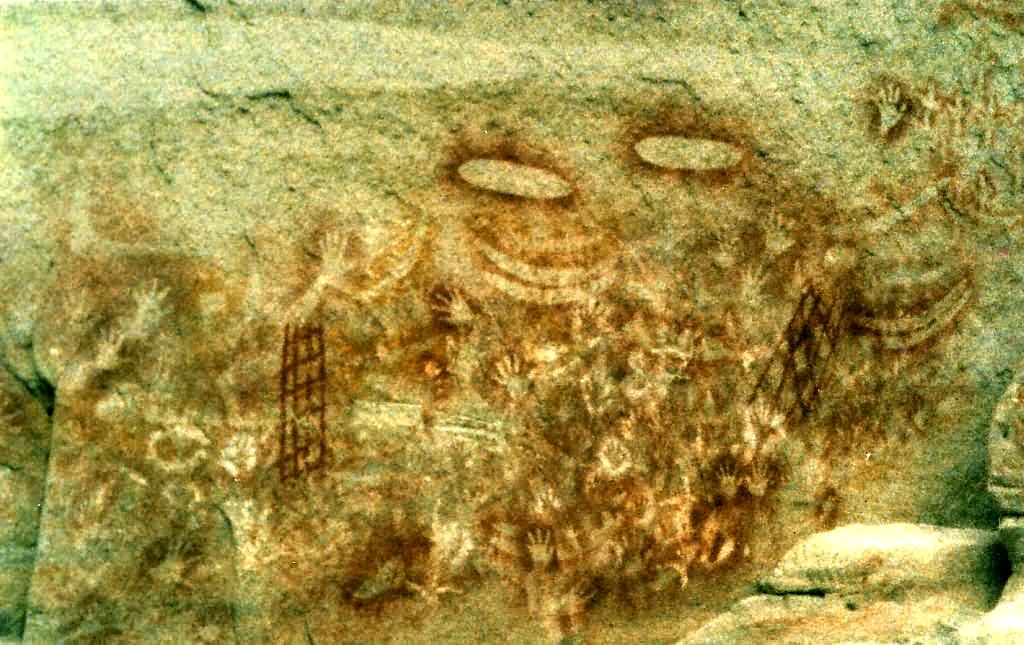 🇦🇺 AustraliaThe Dreaming
A living spiritual worldview and law connecting Aboriginal Australians to ancestors, land, and community.Spiritual
🇦🇺 AustraliaThe Dreaming
A living spiritual worldview and law connecting Aboriginal Australians to ancestors, land, and community.Spiritual
 🇲🇽 Mexico City, Mexico and 2 moreOur Lady of GuadalupeNuestra Señora de Guadalupe
A Mexican devotion to Mary, with a feast on 12 December and an image kept on a cloakSpiritual
🇲🇽 Mexico City, Mexico and 2 moreOur Lady of GuadalupeNuestra Señora de Guadalupe
A Mexican devotion to Mary, with a feast on 12 December and an image kept on a cloakSpiritual
 🇮🇳 India and 5 moreThaipusam
A Tamil Hindu festival honoring Murugan through devotional burdens and pilgrimageSpiritual
🇮🇳 India and 5 moreThaipusam
A Tamil Hindu festival honoring Murugan through devotional burdens and pilgrimageSpiritual
 🇵🇭 Cebu City, Philippines and 4 moreSinulog Festival
An annual Philippine dance festival and Catholic devotion honouring the Santo NiñoFestival
🇵🇭 Cebu City, Philippines and 4 moreSinulog Festival
An annual Philippine dance festival and Catholic devotion honouring the Santo NiñoFestival