Spiritual and religiousOceaniaIndigenous and traditional
The Dreaming
A living spiritual worldview and law connecting Aboriginal Australians to ancestors, land, and community.
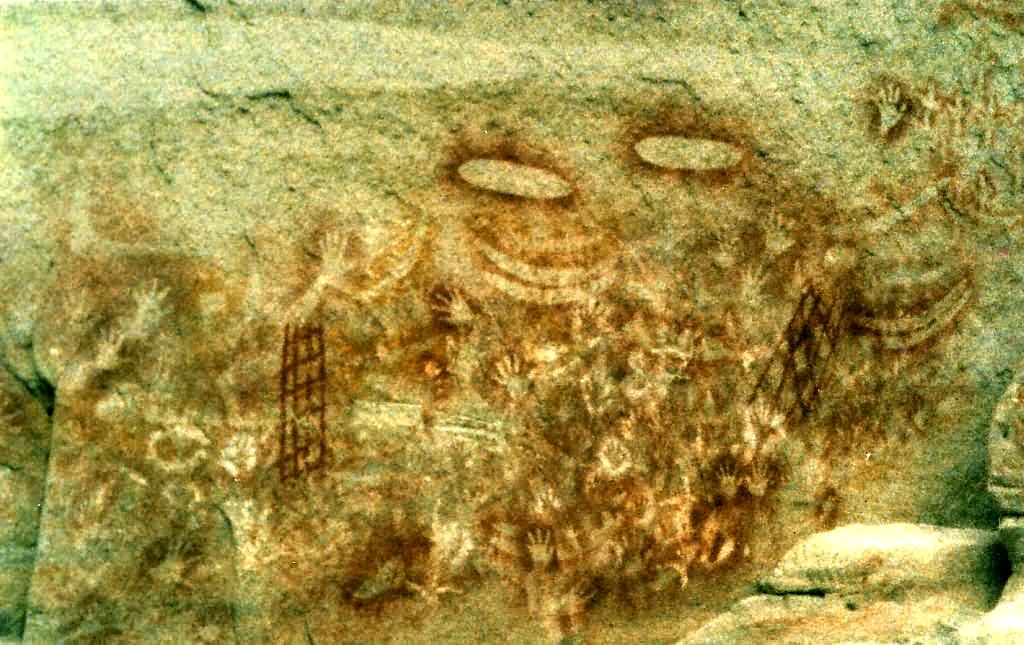
The Dreaming is a spiritual worldview and law kept by Aboriginal Australians across the continent. It describes an eternal time when ancestral beings created the land and established the rules for life, nature, and kinship.
When is The Dreaming kept?
The Dreaming is kept on as a lived daily reality and ongoing law, rather than a specific calendar event..
The Dreaming is a foundational spiritual worldview and legal code for Aboriginal Australians. It represents an eternal time of creation where ancestral beings shaped the land and established the laws governing people, nature, and society. This living tradition connects the past, present, and future, guiding daily life, environmental stewardship, and cultural identity.
Origins and translation
Early researchers like Francis Gillen and Walter Baldwin Spencer coined the term in the late nineteenth century. They translated the Arandic word alcheringa as Dreamtime. Later scholars questioned this rendering. Carl Strehlow argued that the original meaning pointed to an eternal being rather than a period of sleep. Some linguists suggest the English word dream misrepresents the concept. Today, many Aboriginal people use Dreaming to emphasize that this worldview is a continuous reality, not a distant history.
Meaning and concepts
The Dreaming is often described as Everywhen, a timeless state where past, present, and future exist together. It outlines how ancestral beings formed the earth and set down the laws for human conduct. These laws cover kinship, marriage, and social duties. The concept also defines the relationship between people and the natural world. Land is viewed as a living relative with memory and spirit. Understanding the Dreaming means knowing how to live in balance with all elements of the environment.
Practices and law
Communities keep the Dreaming alive through storytelling, song, and ceremony. Songlines act as maps that record water sources and seasonal changes. Elders teach these paths to younger generations to preserve ecological knowledge. Customary law, known as The Law, resolves disputes and regulates social obligations within remote areas. In modern times, this wisdom supports Two-Way land management, blending traditional fire practices with scientific methods to protect biodiversity and reduce bushfire risks.
Creation and landscape
Ancestral figures traveled across the land, creating sacred sites and shaping the terrain. Their journeys established the features of the landscape. For instance, rock formations are seen as the physical remains of these beings. Ceremonies performed at these locations renew the creative force of the ancestors. If rituals cease, the life force diminishes. This belief reinforces the duty to care for country, ensuring that the spiritual energy continues to sustain new life and maintain the world.
How The Dreaming is kept
Aboriginal communities maintain the Dreaming through oral storytelling, songlines, and ceremonies. These practices preserve knowledge of the land, kinship rules, and moral codes. Elders pass down stories that detail the actions of ancestral beings. Communities perform rituals at sacred sites to renew the creative force of the ancestors. Modern applications include integrating traditional ecological knowledge into land management programs. Customary law functions alongside national systems to resolve disputes and regulate social obligations in remote areas.
When and where
The Dreaming is not confined to a specific date or season. It is understood as an eternal Everywhen where past, present, and future coexist. It is observed continuously as a way of life and a framework for understanding the world. Rituals occur throughout the year to mark seasonal changes and maintain spiritual balance.
This worldview is central to Aboriginal cultures across Australia. Specific terms and interpretations vary among the estimated 250 distinct language groups, including the Arrernte, Warlpiri, Noongar, and Yolngu peoples. Sacred sites associated with the Dreaming are found in significant landscapes such as Uluru and Kakadu National Park.
What The Dreaming means
The Dreaming symbolizes the inseparable connection between people, land, and ancestors. It represents a moral and legal order that sustains life. Sacred sites embody the physical presence of ancestral beings, reinforcing the idea that the land holds memory and agency. Maintaining these connections ensures the continued creation of life and balance in the natural world.


Questions people ask about The Dreaming
When is The Dreaming kept?
The Dreaming is kept on as a lived daily reality and ongoing law, rather than a specific calendar event..
What is the Dreaming?
It is a spiritual worldview and law of Aboriginal Australians. It describes an eternal time of creation by ancestral beings and establishes the rules for living, kinship, and caring for the land.
Is Dreamtime the same as the Dreaming?
Dreamtime is an early anthropological term derived from alcheringa. Many Aboriginal people prefer Dreaming because time can imply a finished past, whereas the Dreaming is a living, ongoing reality.
How does the Dreaming guide daily life?
It functions as a legal and moral code. It dictates kinship systems, marriage rules, and dispute resolution. It also guides environmental stewardship through practices like songlines and fire-stick farming.
See also
 Smoking ceremonyAn Aboriginal Australian ritual of burning native plants to cleanse, heal and welcome
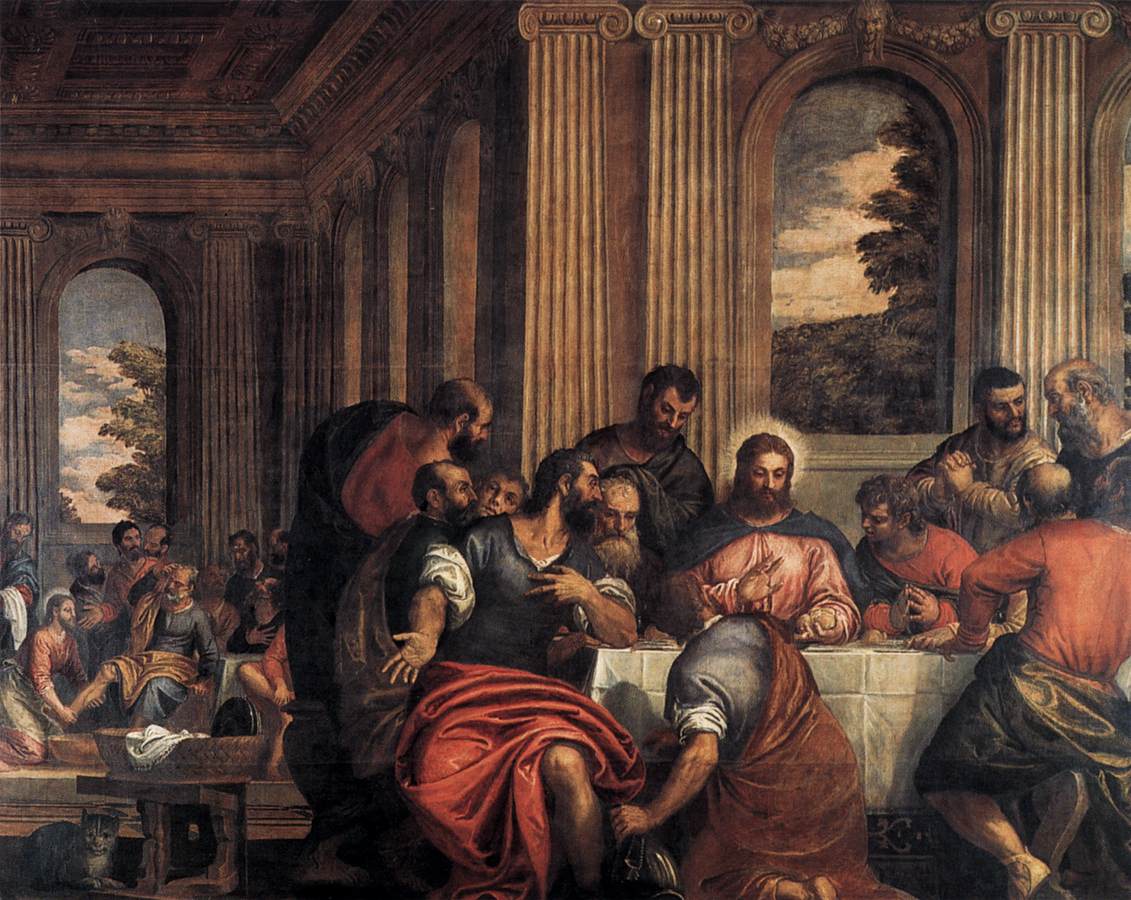 Maundy ThursdayA Christian feast marking the start of Easter observances with foot washing and communion services.
 Mother's DayA worldwide annual celebration dedicated to mothers, maternal bonds and family careSonglineA navigational and spiritual path across Australia that links ancestral stories to the physical landscape.
Good reading and sources
- Encyclopaedia BritannicaArticle
- Explore an epic story 65,000 years in the makingABC News Australia, Article
- Explore an epic story 65,000 years in the makingABC News Australia, Article
- The Dreaming on WikipediaEncyclopedia
- More photos on Wikimedia CommonsPhotos and video
- Wikidata recordOpen data
The facts on this page come from the Wikipedia article "The Dreaming", written by its contributors and used under the CC BY-SA 4.0 licence, and from its Wikidata record (CC0). EveryParampara rewrote the text in its own words, with AI assistance, and compares every page with the article to make sure no passage is copied. It may be reused under the same CC BY-SA 4.0 licence with a link back.
It may contain mistakes. Traditions differ from one family, village and community to the next, and the people who keep them know them best. If something is wrong, tell us. Last refreshed 2026-10-04.
More from Australia
All the traditions of Australia
🇦🇺 AustraliaSmoking ceremonyNumbuk Yabbun
An Aboriginal Australian ritual of burning native plants to cleanse, heal and welcomeSpiritual
 🇮🇱 Israel and 2 moreSukkahסוכה
A temporary hut with a branch roof, lived in for the seven days of SukkotSpiritual
🇵🇭 Philippines and 5 moreMaundy ThursdayDies Cenae Domini
A Christian feast marking the start of Easter observances with foot washing and communion services.Spiritual
🇮🇱 Israel and 2 moreSukkahסוכה
A temporary hut with a branch roof, lived in for the seven days of SukkotSpiritual
🇵🇭 Philippines and 5 moreMaundy ThursdayDies Cenae Domini
A Christian feast marking the start of Easter observances with foot washing and communion services.Spiritual
 🇮🇹 Turin, Italy and 5 moreMary Help of ChristiansSancta Maria Auxilium Christianorum
A Christian feast and devotion honouring Mary as a protector, observed on 24 MaySpiritual
🇮🇹 Turin, Italy and 5 moreMary Help of ChristiansSancta Maria Auxilium Christianorum
A Christian feast and devotion honouring Mary as a protector, observed on 24 MaySpiritual
The same idea elsewhere
Remembering the ancestors compared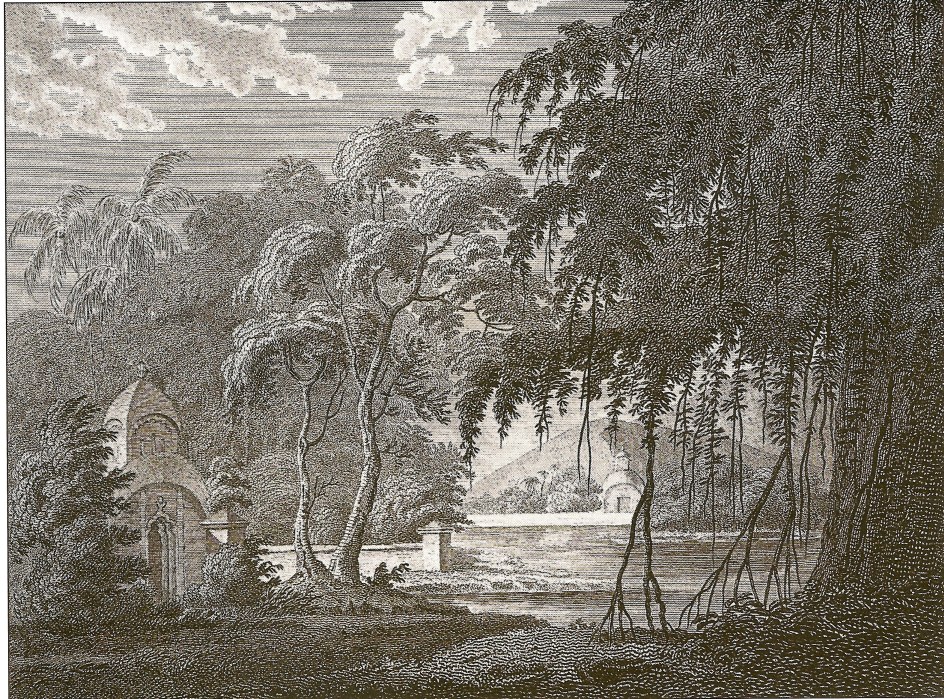 🇮🇳 Delhi, IndiaSacred groves of India
Communal forest sanctuaries across India where religious belief protects biodiversity and local resources.Spiritual
🇮🇳 Delhi, IndiaSacred groves of India
Communal forest sanctuaries across India where religious belief protects biodiversity and local resources.Spiritual
 🇮🇱 Jerusalem, IsraelSukkotסוכות
A seven-day autumn Jewish festival of temporary booths, harvest prayers and hospitalitySpiritual
🇮🇱 Jerusalem, IsraelSukkotסוכות
A seven-day autumn Jewish festival of temporary booths, harvest prayers and hospitalitySpiritual
 🇮🇳 India and 4 moreWater lantern
Small lamps floated on water to honour the dead and ask for good fortuneFestival
🇮🇳 India and 4 moreWater lantern
Small lamps floated on water to honour the dead and ask for good fortuneFestival
 🇮🇪 Ireland and 2 moreJack-o'-lantern
A carved pumpkin lantern lit with a candle to brighten and protect Halloween nightsFolklore
🇮🇪 Ireland and 2 moreJack-o'-lantern
A carved pumpkin lantern lit with a candle to brighten and protect Halloween nightsFolklore