Festivals and celebrationsEuropeChristianSecular and civic
Paris Carnival
In its own language: Carnaval de Paris
An annual street celebration and costume procession across Paris
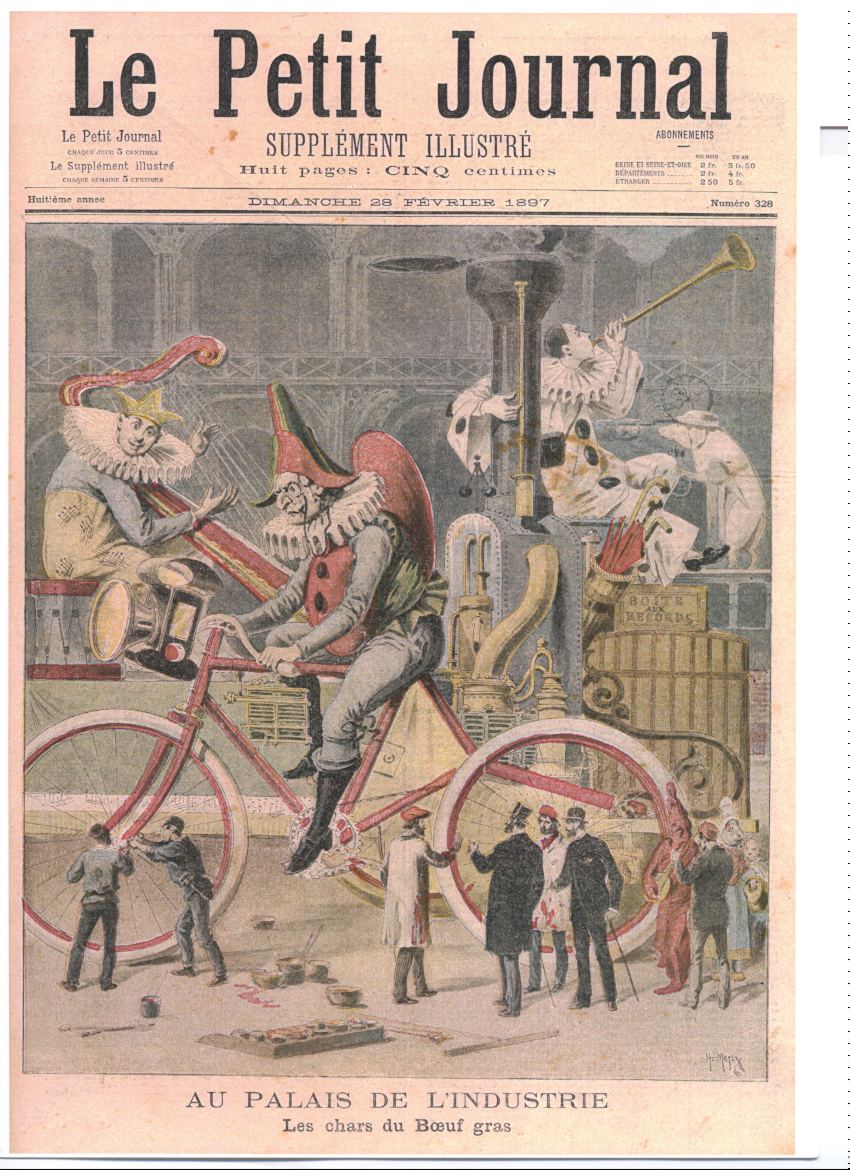
The Paris Carnival is a festive season of costume walks and lively parades across the French capital. Held before Lent and revived in recent decades, it brings together local neighbourhood groups, trades, and masqueraders.
When is Paris Carnival marked?
Paris Carnival is kept as part of Epiphany and Three Kings, which is on Wednesday, 6 January 2027.
The Paris Carnival is an old urban festival celebrated across the streets of the French capital. Dating back centuries to medieval street revels, the event fills the city with masked gatherings, colourful processions, and comedic figures. It traditionally takes place ahead of Lent, offering working groups, students, and local residents a public occasion for music, dress, and communal satire before the solemn fasting season begins.
Origins and history
Records of Paris carnival celebrations go back centuries, including mentions of royal court preparations before Lent in the early fifteenth century. Festive associations, trade guilds, and workers formed the backbone of the festivities over generations. Butchers, laundresses, merchants, and scholars created their own customs, while the city police also regarded carnival as their special holiday. Masquerades grew so popular that renowned painters like Claude Monet and Édouard Manet captured its crowded street processions and grand masked balls. Following a long pause between 1952 and 1997, passionate community organizers revived the event.
Parades and masked walks
Public merrymaking traditionally centres on two activities: masked walks and formal processions. Historically, huge crowds gathered in disguised dress at designated meeting points, such as Rue Saint-Antoine, allowing onlookers to view imaginative costumes. The celebration also featured the Fat Ox parade during the final days before Lent, known as the fat days. Another major occasion was Mid-Lent, or the Feast of Laundresses, which occurred three weeks after Shrove Tuesday. On that day, washerwomen crowned their own queens and held parades, inspiring other urban trades to do the same.
Costumes and jokes
Carnival goers in Paris rely on a collection of established figures and stock characters that appear year after year. These recurring stereotypes come with specific costumes, actions, and comedic routines that have been passed down since the seventeenth century. Street humour and traditional gags remain an essential part of the atmosphere. Modern outings carry forward this theatrical spirit, sometimes adopting creative themes or linking up with other neighbourhood parades, as participants walk past landmarks such as the Hôtel de Ville.
How Paris Carnival is kept
Residents, trade organizations, and festive troupes gather in costume to march through the streets of Paris. Spectators line the avenues to watch masked promenades, musical groups, and costumed characters performing traditional jokes. Distinct processions mark the calendar, including gatherings during the fat days leading up to Mardi Gras and special women's parades during Mid-Lent. The routes wind through historic neighbourhoods, connecting public squares before finishing at major civic sites.
When and where
The carnival traditionally begins following Epiphany in January and concludes with the start of Lent, peaking during the fat days around Shrove Tuesday. A second procession takes place twenty-one days later on Mid-Lent Thursday.
Celebrations unfold throughout Paris, France. Processions historically moved along thoroughfares such as Boulevard des Capucines and Rue Saint-Antoine, while contemporary routes often pass through quarters like Belleville and finish near the Hôtel de Ville.
What Paris Carnival means
The festival offers ordinary citizens and trade groups a shared stage for public merriment and playful inversion before religious fasting. Through stock comedic roles, satirical jokes, and the crowning of trade queens, Parisian workers celebrated their civic identity and collective spirit across different social classes.


Days Paris Carnival is marked
Questions people ask about Paris Carnival
When is Paris Carnival marked?
Paris Carnival is kept as part of Epiphany and Three Kings, which is on Wednesday, 6 January 2027.
What is the Paris Carnival?
The Paris Carnival is a historic street festival in Paris, France. It features costumed parades, masked gatherings, satirical performances, and traditional comedic figures held during the pre-Lenten carnival season.
Who takes part in the Paris Carnival?
Historically, working-class guilds, including butchers, laundresses, merchants, students, and police, took central roles. Today, neighbourhood troupes, cultural societies, and local residents join together in costume across the city.
What is the Feast of Laundresses?
The Feast of Laundresses is a Mid-Lent celebration where washerwomen paraded through Paris and elected their own queens. This custom later inspired other trade groups and unions to crown queens for their own processions.
See also
 AnnunciationA Christian feast marking the angel Gabriel's message to Mary about bearing Jesus, kept on 25 March.
 April Fools' DayAn annual day of lighthearted pranks, hoaxes and teasing kept on the first of April
 AdventA four-week Christian season of waiting and preparation for Christmas and the Second Coming.
 Mardi GrasA festive day of parades and rich foods marking the final celebration before the Christian fasting season of Lent begins
Good reading and sources
- Paris Carnival on WikipediaEncyclopedia
- More photos on Wikimedia CommonsPhotos and video
- Wikidata recordOpen data
The facts on this page come from the Wikipedia article "Paris Carnival", written by its contributors and used under the CC BY-SA 4.0 licence, and from its Wikidata record (CC0). EveryParampara rewrote the text in its own words, with AI assistance, and compares every page with the article to make sure no passage is copied. It may be reused under the same CC BY-SA 4.0 licence with a link back.
It may contain mistakes. Traditions differ from one family, village and community to the next, and the people who keep them know them best. If something is wrong, tell us. Last refreshed 2026-10-06.
More from France
All the traditions of France
🇬🇧 United Kingdom and 5 moreApril Fools' Day
An annual day of lighthearted pranks, hoaxes and teasing kept on the first of AprilFestival
🇸🇪 Sweden and 3 moreAdventadventus
A four-week Christian season of waiting and preparation for Christmas and the Second Coming.Festival
🇺🇸 New Orleans, United States and 5 moreMardi Gras
A festive day of parades and rich foods marking the final celebration before the Christian fasting season of Lent beginsFestival
 🇲🇦 Morocco and 4 moreMimounaמִימוּנָה
A Maghrebi Jewish celebration marking the end of Passover with sweets and open doorsFestival · Dinner
🇲🇦 Morocco and 4 moreMimounaמִימוּנָה
A Maghrebi Jewish celebration marking the end of Passover with sweets and open doorsFestival · Dinner
The same idea elsewhere
Spring and renewal compared 🇺🇸 United States and 1 moreSaint Patrick's Day in the United States
An annual celebration of Irish heritage across America with parades, feasts and green dyeFestival · Dinner
🇺🇸 United States and 1 moreSaint Patrick's Day in the United States
An annual celebration of Irish heritage across America with parades, feasts and green dyeFestival · Dinner
 🇮🇳 Ayodhya, India and 5 moreRama Navamiराम नवमी
A Hindu spring festival marking the birth of Rama with prayer, fasting and processionsFestival
🇮🇳 Ayodhya, India and 5 moreRama Navamiराम नवमी
A Hindu spring festival marking the birth of Rama with prayer, fasting and processionsFestival
 🇨🇴 Barranquilla, ColombiaBarranquilla CarnivalCarnaval de Barranquilla
A four-day street festival of music, masquerade and dance in coastal ColombiaFestival
🇨🇴 Barranquilla, ColombiaBarranquilla CarnivalCarnaval de Barranquilla
A four-day street festival of music, masquerade and dance in coastal ColombiaFestival
 🇮🇳 IndiaMahavir Janma Kalyanak
A Jain festival of temple worship, street processions and acts of charitySpiritual
🇮🇳 IndiaMahavir Janma Kalyanak
A Jain festival of temple worship, street processions and acts of charitySpiritual