Festivals and celebrationsNorth AmericaChristian
Saint Patrick's Day in the United States
An annual celebration of Irish heritage across America with parades, feasts and green dye

Celebrated every March across the United States, Saint Patrick's Day honors Irish and Irish American culture through church services, massive street parades, and festive meals. Communities mark the day by wearing green clothing, sharing corned beef, and transforming local waterways with bright green dye.
When is Saint Patrick's Day in the United States marked?
Saint Patrick's Day in the United States is kept as part of St Patrick's Day, which is on Wednesday, 17 March 2027.
Saint Patrick's Day in the United States takes place every March to honor Irish heritage and culture. Kept by Irish Americans and people of all backgrounds, the occasion combines religious services with lively street celebrations. Communities hold public parades, wear green clothing, enjoy festive food and drink, and tint urban landmarks green, reflecting centuries of diaspora history and community pride.
Parades and public life
Parades form the heart of civic festivities across the country. In New York City, aid societies came together in 1848 to create what became one of the largest marches worldwide. Savannah, Georgia, hosts an extensive parade strictly on 17 March, preceded by over a week of communal gatherings. In Boston, the holiday overlaps with the official observance of Evacuation Day in Suffolk County. Other cities show their spirit through public transformations: Chicago and Jamestown tint rivers green, Indianapolis colors its canal, and workers in Savannah dye downtown fountains. Route stripes and streets are frequently painted green before processions begin.
Origins in North America
The earliest known observance occurred in Spanish Florida at St. Augustine in 1600, followed by the first parade in 1601, led by an Irish Catholic vicar named Richard Arthur. In 1737, the Charitable Irish Society organized Boston's first gathering, which was marked by Protestant immigrants with church worship and dinner. New York held similar early gatherings starting in 1762, followed by British soldiers marching in 1766. Philadelphia founded the Friendly Sons of St. Patrick in 1771 to help newcomers. In 1780, General George Washington gave Continental Army troops a day of rest in New Jersey in solidarity with Ireland.
Food and festive customs
Dining and drinking are major elements of the contemporary observance. Immigrants in the nineteenth century popularized corned beef, turning it into an American holiday standard. Many revelers drink beer tinted with green coloring, a practice showcased during events like Green Beer Day in Ohio. Because the date falls during Lent, churchgoers traditionally receive permission to pause their fasting practices for the feast. Aside from food and drink, people frequently wear green attire, gently pinching anyone who forgets. In the Northeastern states, gardeners often mark the date by sowing spring peas.
Evolving cultural meaning
Over the nineteenth century, the holiday helped shape Irish American identity. Speeches and parades shifted from religious commemorations to expressions of Irish nationalism and collective resilience against British rule. The events allowed immigrant communities to balance ancestral memory with American civic participation. By 1991, the federal government officially recognized March as Irish-American Heritage Month. While rooted in Christian feast day observances by Catholic, Episcopal, and Lutheran congregations, the celebration has expanded into a widespread cultural festival across the United States.
How Saint Patrick's Day in the United States is kept
Celebrations begin with religious services at Catholic, Episcopal, or Lutheran churches, followed by civic parades through city streets. Participants wear green garments and pins. Municipalities dye local rivers, canals, or fountains emerald green, and university groups paint roadways. Families and friends gather for meals of corned beef and festive drinks, including green beer. In some regions, people plant peas in their gardens to mark the seasonal occasion.
When and where
The holiday is celebrated every year on 17 March, though some cities organize their parades on the nearest weekend. Savannah strictly preserves the seventeenth for its parade. Since 1991, the entire month of March has also been recognized nationally as Irish-American Heritage Month.
Festivities take place throughout the United States. They are officially recognized as legal holidays in Savannah, Georgia, and Suffolk County, Massachusetts, while major parades and gatherings occur in cities such as New York, Boston, Philadelphia, Chicago, and Indianapolis.
What Saint Patrick's Day in the United States means
The holiday represents solidarity, shared history, and cultural survival for the Irish diaspora. Historically, commemorative rituals allowed immigrants to express pride, remember past hardships under British rule, and build a unified identity. Today, wearing green and gathering together honors both ancestral heritage and Irish contributions to American life.
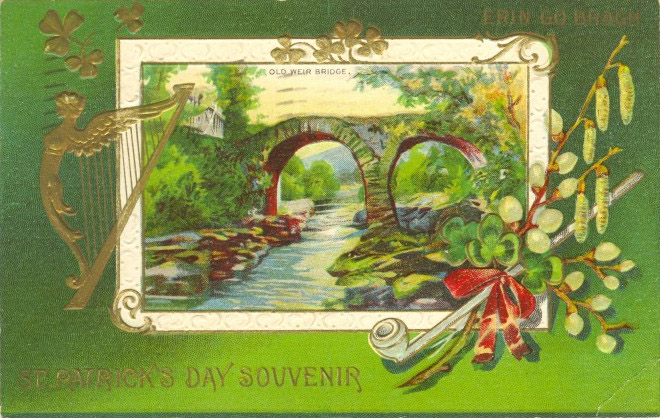


Days Saint Patrick's Day in the United States is marked
Questions people ask about Saint Patrick's Day in the United States
When is Saint Patrick's Day in the United States marked?
Saint Patrick's Day in the United States is kept as part of St Patrick's Day, which is on Wednesday, 17 March 2027.
What is Saint Patrick's Day in the United States?
It is an annual celebration of Irish and Irish American culture, observed through church services, street parades, wearing green, and festive dining.
Why is the Chicago River dyed green?
The custom began in 1962 after municipal sewer workers discovered vegetable dye turned the river emerald, sparking an annual city tradition.
Is corned beef a traditional dish in Ireland?
No. Eating corned beef on the holiday was adopted by Irish immigrants after they arrived in the United States in the nineteenth century.
See also
 Christmas EveThe evening before Christmas, marked by church services, family meals, and gift preparations across Christian cultures.
 April Fools' DayAn annual day of lighthearted pranks, hoaxes and teasing kept on the first of April
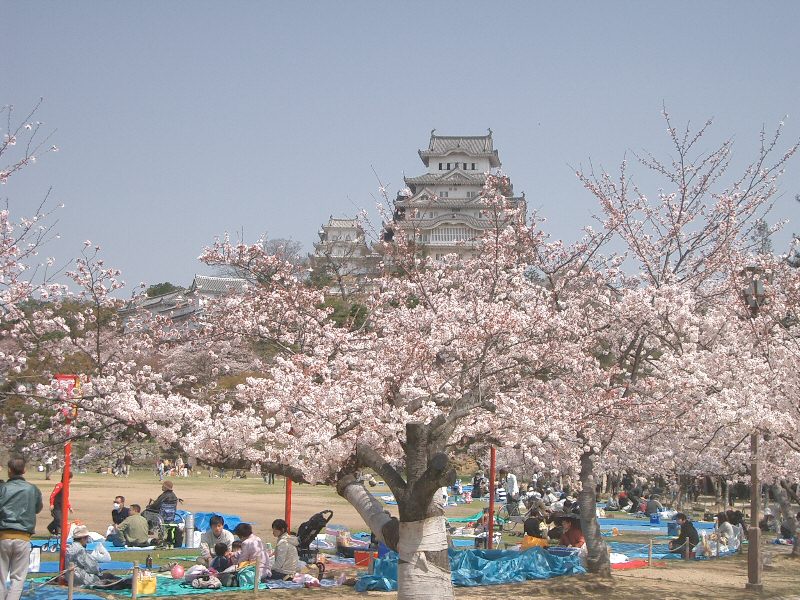 HanamiA Japanese spring custom of gathering under blooming cherry trees to eat, drink, and celebrate the fleeting beauty of th
 Mardi GrasA festive day of parades and rich foods marking the final celebration before the Christian fasting season of Lent begins
Good reading and sources
- St. Patrick’s Day: Parade, Facts & Traditions - HISTORYHistory.com, Article
- Quinn to Mark St. Patrick's Day ElsewhereThe New York Times, Article
- New York mayor out of step with St PatrickThe Guardian, Article
- St. Patrick’s Day: Parade, Facts & Traditions - HISTORYHistory.com, Article
- Quinn to Mark St. Patrick's Day ElsewhereThe New York Times, Article
- New York mayor out of step with St PatrickThe Guardian, Article
- Saint Patrick's Day in the United States on WikipediaEncyclopedia
- More photos on Wikimedia CommonsPhotos and video
- Wikidata recordOpen data
The facts on this page come from the Wikipedia article "Saint Patrick's Day in the United States", written by its contributors and used under the CC BY-SA 4.0 licence, and from its Wikidata record (CC0). EveryParampara rewrote the text in its own words, with AI assistance, and compares every page with the article to make sure no passage is copied. It may be reused under the same CC BY-SA 4.0 licence with a link back.
It may contain mistakes. Traditions differ from one family, village and community to the next, and the people who keep them know them best. If something is wrong, tell us. Last refreshed 2026-10-04.
More from the United States
All the traditions of the United States 🇮🇪 Ireland and 5 moreHalloween
An annual observance on 31 October marking the eve of All Saints' Day, rooted in Christian tradition and Celtic heritageFestival · Sweets given and shared
🇵🇱 Poland and 5 moreChristmas Eve
The evening before Christmas, marked by church services, family meals, and gift preparations across Christian cultures.Festival · Dinner
🇩🇪 Germany and 1 moreMaifest
A traditional German celebration marking the arrival of spring with decorated maypolesFestival
🇯🇵 Kyoto, Japan and 4 moreHanami花見
A Japanese spring custom of gathering under blooming cherry trees to eat, drink, and celebrate the fleeting beauty of thFestival · Lunch
🇮🇪 Ireland and 5 moreHalloween
An annual observance on 31 October marking the eve of All Saints' Day, rooted in Christian tradition and Celtic heritageFestival · Sweets given and shared
🇵🇱 Poland and 5 moreChristmas Eve
The evening before Christmas, marked by church services, family meals, and gift preparations across Christian cultures.Festival · Dinner
🇩🇪 Germany and 1 moreMaifest
A traditional German celebration marking the arrival of spring with decorated maypolesFestival
🇯🇵 Kyoto, Japan and 4 moreHanami花見
A Japanese spring custom of gathering under blooming cherry trees to eat, drink, and celebrate the fleeting beauty of thFestival · Lunch
The same idea elsewhere
Fasting and feasting compared 🇮🇳 Ayodhya, India and 5 moreRama Navamiराम नवमी
A Hindu spring festival marking the birth of Rama with prayer, fasting and processionsFestival
🇮🇳 Ayodhya, India and 5 moreRama Navamiराम नवमी
A Hindu spring festival marking the birth of Rama with prayer, fasting and processionsFestival
 🇭🇺 Mohács, HungaryBusójárás
A six-day winter carnival of carved wooden masks, folk music, and parades in MohácsFestival
🇭🇺 Mohács, HungaryBusójárás
A six-day winter carnival of carved wooden masks, folk music, and parades in MohácsFestival
 🇬🇧 United Kingdom and 5 moreEgg rolling
A spring game of rolling decorated hard-boiled eggs down hills or along lawnsGame
🇬🇧 United Kingdom and 5 moreEgg rolling
A spring game of rolling decorated hard-boiled eggs down hills or along lawnsGame
 🇨🇴 Barranquilla, ColombiaBarranquilla CarnivalCarnaval de Barranquilla
A four-day street festival of music, masquerade and dance in coastal ColombiaFestival
🇨🇴 Barranquilla, ColombiaBarranquilla CarnivalCarnaval de Barranquilla
A four-day street festival of music, masquerade and dance in coastal ColombiaFestival