Festivals and celebrationsLatin America and the CaribbeanChristianPagan and ancient
Barranquilla Carnival
In its own language: Carnaval de Barranquilla
A four-day street festival of music, masquerade and dance in coastal Colombia

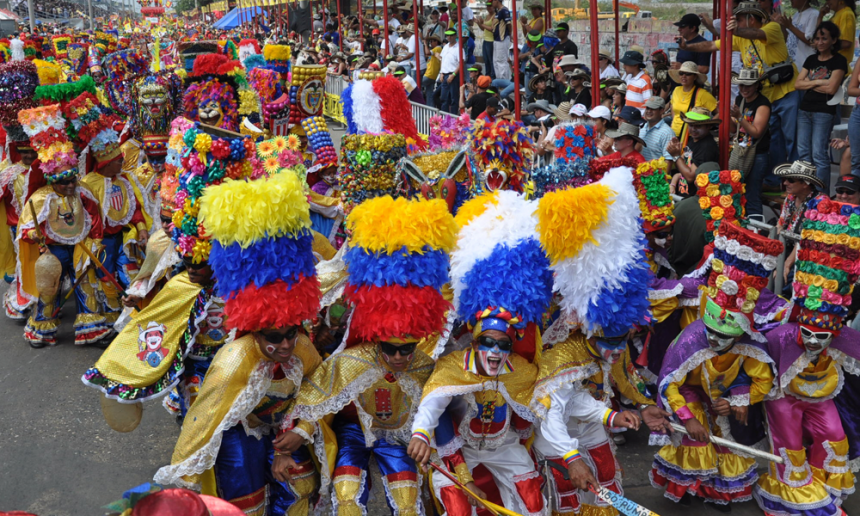
Barranquilla Carnival is a four-day street festival celebrated in the Colombian port city of Barranquilla right before Lent. The entire city joins in masquerade parades, drum-driven cumbia dances, brass music competitions, and the symbolic burial of Joselito Carnaval.
When is Barranquilla Carnival marked?
Barranquilla Carnival is kept as part of Ash Wednesday, which is on Wednesday, 10 February 2027.
Every year before Lent begins, the Colombian city of Barranquilla halts its regular work for a vast four-day street celebration. Costumed revellers, brass bands, and dancers fill the avenues from morning until night. Drawing on Indigenous, African, and Spanish roots, the festivities bring together music styles like cumbia, traditional masquerade figures, and neighborhood dance troupes. It is a shared moment of civic release before the fasting period of the Christian calendar.
Opening the season
Preparations stir right after New Year's Day, but the formal build-up starts with the reading of the proclamation in La Paz Square. During this event, the city mayor hands over symbolic authority to the Carnival Queen, who announces the rules of merrymaking. Days later, dancers gather for the coronation gala at Romelio Martinez Stadium, where the queen proves her stamina across rhythms like cumbia, mapalé, salsa, and champeta. Another major milestone is La Guacherna, a night-time parade created in 1974 by composer Esther Forero. Revellers move through the dark carrying glowing lanterns and candles, accompanied by wooden flutes, drums, and rattles called guaches.
Parades and pageantry
The main celebration runs for four days, starting on the Saturday before Ash Wednesday with the Battle of the Flowers. This procession features elaborate floats, costumed troupes, and the reigning queen tossing flowers into the crowd. On Sunday and Monday, the Great Parade takes over the streets with competitive displays of traditional choreographies. Alongside the marches, the Orchestra Festival stages musical showdowns between Caribbean and Latin ensembles. The four-day frenzy concludes on Tuesday afternoon with the mock funeral of Joselito Carnaval. Revellers dress in black, wailing with exaggerated grief through the neighborhoods to symbolise the death of the party until the following year.
Roots and history
The festival developed out of mixed cultural practices brought together along Colombia's northern coastline. European pre-Lenten customs, Indigenous heritage, and African rituals blended over centuries. In its early days, the event offered enslaved workers a rare period of celebration. Documented records highlight landmark shifts: King Momo appeared in 1888, and the first organizing board was formed in 1899. In 1903, General Heriberto Vengoechea established the Battle of the Flowers to mark peace after the devastating Thousand Days War. Over the twentieth century, organizers added the official queen competition, the Great Parade, and musical contests, turning local neighborhood customs into an internationally recognized cultural showcase.
Music and masquerade
Sound and movement define every hour of the carnival. The signature rhythm is cumbia, driven by booming drums, flutes made from millo cane, and wind instruments. Dancers perform a wide variety of regional and historical styles. These include African Congo steps, the Spanish paloteo stick dance, and Indigenous choreographies such as the micos y micas monkey dance. Masquerade allows participants to cast off daily inhibitions. Performers disguise themselves as mythic animals, satirical political figures, and iconic stock characters. Troupes spend months rehearsing their routines in neighborhood yards so that every block pulses with distinct drum patterns and singing.
How Barranquilla Carnival is kept
The festival begins with weeks of preliminary events, including the symbolic handover of the city keys to the Carnival Queen, children's parades, and the candlelit night parade of La Guacherna. The formal four-day celebration starts on the Saturday before Ash Wednesday with the Battle of the Flowers float parade. Sunday and Monday feature the Great Parade with competing dance groups and an orchestra contest showcasing Caribbean music styles. Throughout these days, residents and visitors wear disguises, drink, and dance in the streets. Celebrations conclude on Tuesday with the staged mourning and burial of the mythical figure Joselito Carnaval.
When and where
The carnival takes place annually during the four days directly preceding Ash Wednesday, which marks the start of Christian Lent. Because Lent depends on the lunar calendar and Easter, the dates shift each year between February and March. Preliminary parades and coronation events begin several weeks earlier.
The festival is held in Barranquilla, a major port city situated on the Caribbean coast of northern Colombia. Festivities take over major avenues, public plazas like La Paz Square, stadiums, and residential neighborhoods across the city.
What Barranquilla Carnival means
For the people of Barranquilla, carnival represents a release from everyday constraints and a celebration of collective joy. Popular belief connects the revelry to the welcoming of spring and renewal. Wearing masks and disguises allows participants to shed social inhibitions. The festivities also embody the peaceful merging of European Catholic rites, Indigenous rituals, and African traditions into a single regional identity.


Days Barranquilla Carnival is marked
Questions people ask about Barranquilla Carnival
When is Barranquilla Carnival marked?
Barranquilla Carnival is kept as part of Ash Wednesday, which is on Wednesday, 10 February 2027.
What is the Barranquilla Carnival?
It is one of Colombia's largest folkloric festivals, held in the Caribbean city of Barranquilla. The event brings together four days of masquerades, street parties, orchestral competitions, and traditional dances before the start of Lent.
What is the Battle of the Flowers?
The Battle of the Flowers is the oldest and most prominent parade of the carnival, held on Saturday. Originating in 1903 to mark the end of the Thousand Days War, it features elaborate floats, music troupes, and the Carnival Queen throwing flowers.
Who is Joselito Carnaval?
Joselito Carnaval is a fictional character who embodies the spirit of revelry. On the final Tuesday of the carnival, participants stage a mock funeral and mourn his burial, which signals the end of the partying and the beginning of Lent.
See also
 NowruzThe Iranian new year at the March equinox, kept with fire, greenery and picnics
 Christmas EveThe evening before Christmas, marked by church services, family meals, and gift preparations across Christian cultures.
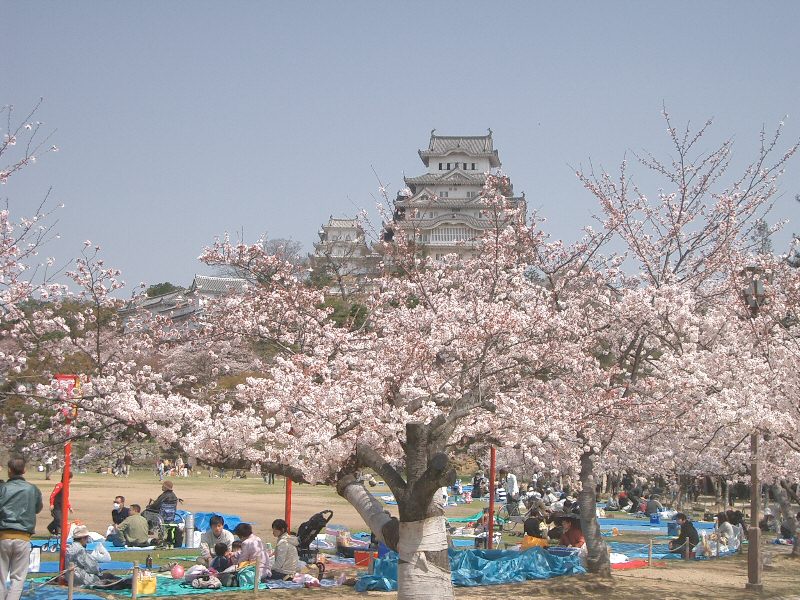 HanamiA Japanese spring custom of gathering under blooming cherry trees to eat, drink, and celebrate the fleeting beauty of th
 NavaratriA nine-night Hindu festival honoring the goddess Durga and her nine forms through prayer, fasting, and dance.
Good reading and sources
- Barranquilla Carnival on WikipediaEncyclopedia
- More photos on Wikimedia CommonsPhotos and video
- Wikidata recordOpen data
The facts on this page come from the Wikipedia article "Barranquilla Carnival", written by its contributors and used under the CC BY-SA 4.0 licence, and from its Wikidata record (CC0). EveryParampara rewrote the text in its own words, with AI assistance, and compares every page with the article to make sure no passage is copied. It may be reused under the same CC BY-SA 4.0 licence with a link back.
It may contain mistakes. Traditions differ from one family, village and community to the next, and the people who keep them know them best. If something is wrong, tell us. Last refreshed 2026-10-04.
More from Colombia
All the traditions of Colombia 🇨🇴 Medellín, ColombiaFestival of the FlowersFeria de las Flores
An annual week-long celebration of floral craft and regional culture in MedellínFestival
🇨🇴 Medellín, ColombiaFestival of the FlowersFeria de las Flores
An annual week-long celebration of floral craft and regional culture in MedellínFestival
 🇨🇴 Pasto, ColombiaBlacks and Whites' CarnivalCarnaval de Negros y Blancos
A week of street games, parades and music held every January in Pasto, ColombiaFestival
🇨🇴 Pasto, ColombiaBlacks and Whites' CarnivalCarnaval de Negros y Blancos
A week of street games, parades and music held every January in Pasto, ColombiaFestival
 🇨🇴 Cali, ColombiaCali FairLa Feria de Cali
A six-day Colombian celebration of salsa music, street parades, and regional cultureFestival
🇨🇴 Cali, ColombiaCali FairLa Feria de Cali
A six-day Colombian celebration of salsa music, street parades, and regional cultureFestival
 🇪🇸 Spain and 5 moreMoors and ChristiansMoros y Cristianos
Theatrical parades and mock battles staging historic clashes across Spain and beyondFestival
🇪🇸 Spain and 5 moreMoors and ChristiansMoros y Cristianos
Theatrical parades and mock battles staging historic clashes across Spain and beyondFestival
The same idea elsewhere
Spring and renewal compared 🇺🇸 United States and 1 moreSaint Patrick's Day in the United States
An annual celebration of Irish heritage across America with parades, feasts and green dyeFestival · Dinner
🇺🇸 United States and 1 moreSaint Patrick's Day in the United States
An annual celebration of Irish heritage across America with parades, feasts and green dyeFestival · Dinner
 🇮🇳 Ayodhya, India and 5 moreRama Navamiराम नवमी
A Hindu spring festival marking the birth of Rama with prayer, fasting and processionsFestival
🇮🇳 Ayodhya, India and 5 moreRama Navamiराम नवमी
A Hindu spring festival marking the birth of Rama with prayer, fasting and processionsFestival
 🇭🇺 Mohács, HungaryBusójárás
A six-day winter carnival of carved wooden masks, folk music, and parades in MohácsFestival
🇭🇺 Mohács, HungaryBusójárás
A six-day winter carnival of carved wooden masks, folk music, and parades in MohácsFestival
 🇬🇧 United Kingdom and 5 moreEgg rolling
A spring game of rolling decorated hard-boiled eggs down hills or along lawnsGame
🇬🇧 United Kingdom and 5 moreEgg rolling
A spring game of rolling decorated hard-boiled eggs down hills or along lawnsGame