🇳🇿 Traditions of New Zealand
44 traditions from New Zealand, best known first, across 7 cities and towns.
New Zealand traditions blend indigenous Māori customs with British colonial roots and wider Pacific influences. Community life centres on communal marae gatherings, shared earth-oven feasts, and national observances that honour shared history. Everyday life reflects an egalitarian spirit alongside distinct local symbols known as Kiwiana.
Life in New Zealand rests on the meeting of Polynesian heritage and European settlement. Māori voyagers arrived first across the ocean, creating a culture bound to ancestral land and oral memory. Later British colonists and Pacific migrants added their own ways of living. Today, people across the country embrace both indigenous customs and a relaxed national identity, gathering at community meeting grounds, honouring historic treaties, and celebrating a shared connection to the surrounding sea.
The calendar of remembrance
National memory shapes how New Zealanders mark the year. Two major holidays bring communities together in quiet reflection. Waitangi Day marks the 1840 agreement signed between Māori chiefs and the British Crown, fostering ongoing national conversations about partnership. Anzac Day commemorates military sacrifice, tracing back to the first world war and reinforcing the shared Anzac spirit. Each region also observes its own provincial anniversary holiday with local celebrations. In Auckland, the wider oceanic heritage of the population comes alive during the annual Pasifika Festival, which stands as the largest celebration of Polynesian cultures in the world.
Gatherings on the marae
Community life for Māori centres on the marae, a dedicated tribal complex used for essential gatherings, debates, and rites. Formal welcoming ceremonies, called pōwhiri, greet guests through structured protocols that maintain spiritual balance. These gatherings draw on oral tradition, keeping alive genealogies and stories that trace back to ancient canoe voyages from the ancestral homeland of Hawaiki. Storytelling also invokes key figures in Māori mythology, such as the primal parents Ranginui and Papatūānuku, alongside hero figures like Māui and the navigator Kupe. Through these customs, tribal groups maintain continuity with their forebears while discussing modern affairs.
Cooking in the earth
Feasting remains at the core of hospitality and communal assembly. The most famous traditional culinary method is the hāngī, an earth oven also known as an umu. Cooks dig a pit, heat stones with wood fire, and place baskets of food wrapped in leaves or sacks on top of the embers. Sacking and earth seal the mound, trapping steam and heat so the food roasts slowly over several hours. In volcanic areas, natural geothermal steam and thermal pools are used for cooking instead. Beyond subterranean steaming, traditional methods include open-fire roasting, stone-boiling in wooden vessels, smoking, and preserving coastal delicacies like muttonbirds in rendered fat.
Sacred boundaries and food
Traditional spiritual rules established strict divisions between the sacred, known as tapu, and the ordinary, known as noa. Food was classified as noa and had to be kept away from tapu individuals and sacred spaces to protect spiritual standing. High-ranking chiefs and practitioners engaged in sacred tasks, such as tattooing, could not handle food directly and were fed by others. Environmental care followed similar rules of spiritual authority. Leaders placed temporary bans, called rāhui, over specific waterways, forests, or harvesting grounds. These restrictions prohibited hunting or gathering for a set period, allowing fish stocks, bird populations, and wild plants to recover and sustain future generations.
Flavours of the table
New Zealand cuisine reflects Polynesian staples adapted to a cooler climate and enriched by later arrivals. Early settlers planted kūmara, a sweet potato that could be stored through winter, alongside taro and gourds. Foragers gathered fernroot, edible grubs, and seafood like kōura, pāua abalone, and Bluff oysters. European ships brought pigs, potatoes, and wheat. Māori farmers quickly cultivated these new crops, and even fermented maize cobs under running water to prepare kōpiro cakes. European settlers brought British baking, roasting, and dairy traditions. In 1890, an Invercargill merchant named David Strang invented instant coffee, which soon became a staple across the country and abroad.
Icons of Kiwiana
During the late twentieth century, European New Zealanders developed a distinct sense of identity separate from British origins. Grounded in pioneering rural history and an egalitarian rejection of old-world social hierarchies, this lifestyle embraced practical ingenuity. Popular culture celebrated everyday objects known collectively as Kiwiana. These symbols include rubber gumboots for farm work, casual flip-flops known as jandals, and the blooming red pōhutukawa tree associated with summer Christmases. Retro sweets like Pineapple Lumps and local wooden pull-along toys hold nostalgic affection. Today, people from all backgrounds often describe themselves simply as Kiwis, celebrating a relaxed, unpretentious way of life.
The facts in this overview come from the Wikipedia article "Culture of New Zealand", written by its contributors and used under the CC BY-SA 4.0 licence. EveryParampara rewrote the text in its own words, with AI assistance, and compares every page with the article to make sure no passage is copied. It may be reused under the same CC BY-SA 4.0 licence with a link back.
The table in New Zealand
Foods and drinks by the moment they belong to.
Cities, towns and villages of New Zealand
 🇦🇺 Australia and 5 moreGood Friday
A solemn Christian holy day commemorating the crucifixion and death of Jesus Christ.Spiritual · Fasting and breaking the fast
🇦🇺 Australia and 5 moreGood Friday
A solemn Christian holy day commemorating the crucifixion and death of Jesus Christ.Spiritual · Fasting and breaking the fast
 🇳🇿 New ZealandWaka
Traditional Māori canoes used for fishing, transport, and ceremony, built from single logs or stitched planks.Craft
🇳🇿 New ZealandWaka
Traditional Māori canoes used for fishing, transport, and ceremony, built from single logs or stitched planks.Craft
 🇳🇿 New Zealand and 2 moreMarae
A cleared, sacred gathering place at the heart of Māori and Polynesian community lifeSpiritual
🇳🇿 New Zealand and 2 moreMarae
A cleared, sacred gathering place at the heart of Māori and Polynesian community lifeSpiritual
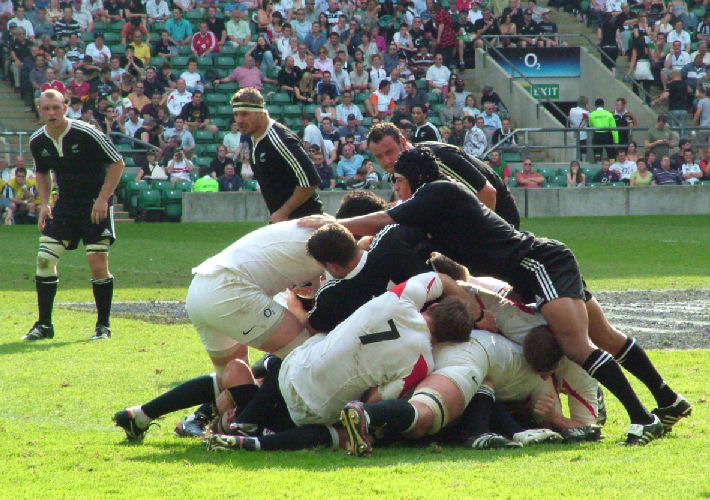 🇳🇿 Auckland, New ZealandWhakapapa
Māori genealogy, recited to place a person among ancestors, land and tribeHome
🇳🇿 Auckland, New ZealandWhakapapa
Māori genealogy, recited to place a person among ancestors, land and tribeHome
 🇳🇿 Auckland, New ZealandTā moko
The traditional permanent tattooing of the Māori people of New Zealand, marking identity and status.Rite of passage
🇳🇿 Auckland, New ZealandTā moko
The traditional permanent tattooing of the Māori people of New Zealand, marking identity and status.Rite of passage
 🇳🇿 Auckland, New ZealandMāori Language WeekTe Wiki o te Reo Māori
An annual nationwide week promoting the learning and use of te reo across New ZealandCeremony
🇼🇸 Samoa and 3 moreWhite SundayLotu Tamaiti
A Samoan holiday honoring children with church services, white clothing, and family gatherings on the second Sunday of OFestival · Dinner
🇳🇿 Auckland, New ZealandMāori Language WeekTe Wiki o te Reo Māori
An annual nationwide week promoting the learning and use of te reo across New ZealandCeremony
🇼🇸 Samoa and 3 moreWhite SundayLotu Tamaiti
A Samoan holiday honoring children with church services, white clothing, and family gatherings on the second Sunday of OFestival · Dinner
 🇬🇧 United Kingdom and 5 moreBeating Retreat
A military ceremony of music and drill held at sunset to mark the end of a day or a festival.Ceremony
🇼🇸 Samoa and 1 moreFa'ataupati
A traditional Samoan dance performed by men who clap and slap their bodies to create rhythm.Performance
🇬🇧 United Kingdom and 5 moreBeating Retreat
A military ceremony of music and drill held at sunset to mark the end of a day or a festival.Ceremony
🇼🇸 Samoa and 1 moreFa'ataupati
A traditional Samoan dance performed by men who clap and slap their bodies to create rhythm.Performance
 🇮🇪 Ireland and 5 moreFleadh CheoilFleadh Cheoil na hÉireann
An annual gathering of Irish traditional music and dance, featuring competitions, public sessions, and concerts across IPerformance
🇮🇪 Ireland and 5 moreFleadh CheoilFleadh Cheoil na hÉireann
An annual gathering of Irish traditional music and dance, featuring competitions, public sessions, and concerts across IPerformance
 🇳🇿 New ZealandKoru
A spiral from the silver fern, central to Māori carving, painting and tattooCraft
🇳🇿 New ZealandKoru
A spiral from the silver fern, central to Māori carving, painting and tattooCraft
 🇳🇿 Auckland, New ZealandPoi
A Māori performing art of swinging tethered weights in rhythmical patterns.Performance
🇳🇿 Auckland, New ZealandPoi
A Māori performing art of swinging tethered weights in rhythmical patterns.Performance
 🇳🇿 Wellington, New ZealandKa Mate
A Māori haka of life and survival, composed by Te Rauparaha and performed by New Zealand teams.Performance
🇳🇿 Wellington, New ZealandKa Mate
A Māori haka of life and survival, composed by Te Rauparaha and performed by New Zealand teams.Performance
 🇳🇿 Wellington, New ZealandHaka
A ceremonial dance of the Māori people in New Zealand, performed with vigorous movement and chant for welcome, mourning,Performance
🇳🇿 New ZealandKarakia
Māori incantations and prayers recited for spiritual guidance, safety and ceremonySpiritual
🇳🇿 Wellington, New ZealandHaka
A ceremonial dance of the Māori people in New Zealand, performed with vigorous movement and chant for welcome, mourning,Performance
🇳🇿 New ZealandKarakia
Māori incantations and prayers recited for spiritual guidance, safety and ceremonySpiritual
 🇬🇧 United Kingdom and 4 morePub quiz
A weekly social trivia game played by teams at tables in pubs and barsGame
🇬🇧 United Kingdom and 4 morePub quiz
A weekly social trivia game played by teams at tables in pubs and barsGame
 🇬🇧 United Kingdom and 5 moreMorris dance
A rhythmic English folk dance performed in costume with bells, sticks and handkerchiefsPerformance
🇬🇧 United Kingdom and 5 moreMorris dance
A rhythmic English folk dance performed in costume with bells, sticks and handkerchiefsPerformance
 🇳🇿 New ZealandTivaevaetīvaevae
A traditional Polynesian art of artistic quilting made by women for gifts and ceremonies.Craft
🇳🇿 New ZealandTivaevaetīvaevae
A traditional Polynesian art of artistic quilting made by women for gifts and ceremonies.Craft
 🇳🇿 Auckland, New ZealandWharenui
A Māori carved communal meeting house at the centre of tribal life in New ZealandHome
🇳🇿 Auckland, New ZealandWharenui
A Māori carved communal meeting house at the centre of tribal life in New ZealandHome
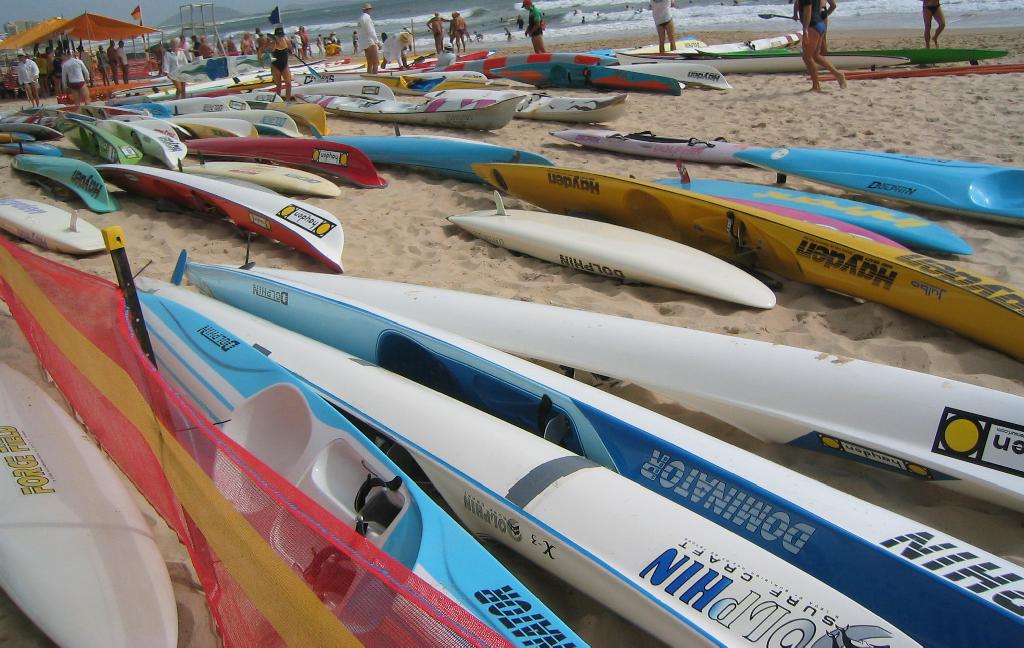 🇦🇺 Sydney, Australia and 5 moreSurf lifesaving
A volunteer beach rescue and ocean sports tradition originating on Australian coasts.Game
🇦🇺 Sydney, Australia and 5 moreSurf lifesaving
A volunteer beach rescue and ocean sports tradition originating on Australian coasts.Game
 🇼🇸 Samoa and 3 moreSiva Samoa
A graceful Samoan dance marked by subtle, expressive arm and hand movementsPerformance
🇼🇸 Samoa and 3 moreSiva Samoa
A graceful Samoan dance marked by subtle, expressive arm and hand movementsPerformance
 🇬🇧 United Kingdom and 5 moreBoxing Day
A public holiday on 26 December in Commonwealth nations for gifts and shopping.Festival
🇬🇧 United Kingdom and 5 moreBoxing Day
A public holiday on 26 December in Commonwealth nations for gifts and shopping.Festival
 🇮🇪 Dublin, Ireland and 5 moreBloomsdayLá Bloom
A celebration of James Joyce and his novel Ulysses, observed on 16 June in Dublin and worldwide.Festival · Breakfast
🇮🇪 Dublin, Ireland and 5 moreBloomsdayLá Bloom
A celebration of James Joyce and his novel Ulysses, observed on 16 June in Dublin and worldwide.Festival · Breakfast
 🇬🇧 Dunoon, United Kingdom and 5 moreHighland gamesgeamannan Gàidhealach
A series of Scottish athletic and cultural competitions held in Scotland and across the diaspora.Festival
🇬🇧 Dunoon, United Kingdom and 5 moreHighland gamesgeamannan Gàidhealach
A series of Scottish athletic and cultural competitions held in Scotland and across the diaspora.Festival
 🇳🇿 Waitangi, New Zealand and 2 moreWaitangi DayTe Rā o Waitangi
New Zealand's national day remembering the 1840 founding agreement.Ceremony · Breakfast
🇳🇿 Waitangi, New Zealand and 2 moreWaitangi DayTe Rā o Waitangi
New Zealand's national day remembering the 1840 founding agreement.Ceremony · Breakfast
 🇺🇸 United States and 4 moreHoʻoponopono
A Hawaiian family ritual of prayer, confession and forgiveness that sets wrongs rightSpiritual · Feasts and festival meals
🇺🇸 United States and 4 moreHoʻoponopono
A Hawaiian family ritual of prayer, confession and forgiveness that sets wrongs rightSpiritual · Feasts and festival meals
 🇬🇧 London, United Kingdom and 5 moreChristmas cracker
A decorative paper tube pulled apart with a bang during Christmas dinnerFestival · Dinner
🇬🇧 London, United Kingdom and 5 moreChristmas cracker
A decorative paper tube pulled apart with a bang during Christmas dinnerFestival · Dinner
 🇳🇿 New ZealandMatariki
The Māori New Year marked by the midwinter rising of the Pleiades clusterSeasonal
🇳🇿 New ZealandMatariki
The Māori New Year marked by the midwinter rising of the Pleiades clusterSeasonal
 🇬🇧 Edinburgh, United Kingdom and 2 moreRoyal Edinburgh Military Tattoo
An annual military music and performance show held on the Esplanade of Edinburgh Castle in August.Performance
🇬🇧 Edinburgh, United Kingdom and 2 moreRoyal Edinburgh Military Tattoo
An annual military music and performance show held on the Esplanade of Edinburgh Castle in August.Performance
 🇨🇦 Canada and 5 moreTartan DayLà an Tartain
An annual celebration of Scottish culture, clan tartans, and diaspora heritageFestival
🇨🇦 Canada and 5 moreTartan DayLà an Tartain
An annual celebration of Scottish culture, clan tartans, and diaspora heritageFestival
 🇬🇧 United Kingdom and 5 moreElevenses
A short mid-morning pause for a drink and a small bite, kept in many countriesTable custom · Tea-time and snacking customs
🇬🇧 United Kingdom and 5 moreElevenses
A short mid-morning pause for a drink and a small bite, kept in many countriesTable custom · Tea-time and snacking customs
 🇺🇸 United States and 4 moreBridal shower
A gift-giving party for a bride before her wedding, best known in North AmericaRite of passage
🇺🇸 United States and 4 moreBridal shower
A gift-giving party for a bride before her wedding, best known in North AmericaRite of passage
 🇬🇧 London, United Kingdom and 4 moreAfternoon tea
A late-afternoon spread of tea, small sandwiches and cakes, kept across BritainTable custom · Tea-time and snacking customs
🇬🇧 London, United Kingdom and 4 moreAfternoon tea
A late-afternoon spread of tea, small sandwiches and cakes, kept across BritainTable custom · Tea-time and snacking customs
 🇳🇿 Waitangi, New ZealandPōwhiri
A formal Māori welcome onto a marae, with calls, speeches, song and the hongiEtiquette
🇳🇿 Waitangi, New ZealandPōwhiri
A formal Māori welcome onto a marae, with calls, speeches, song and the hongiEtiquette
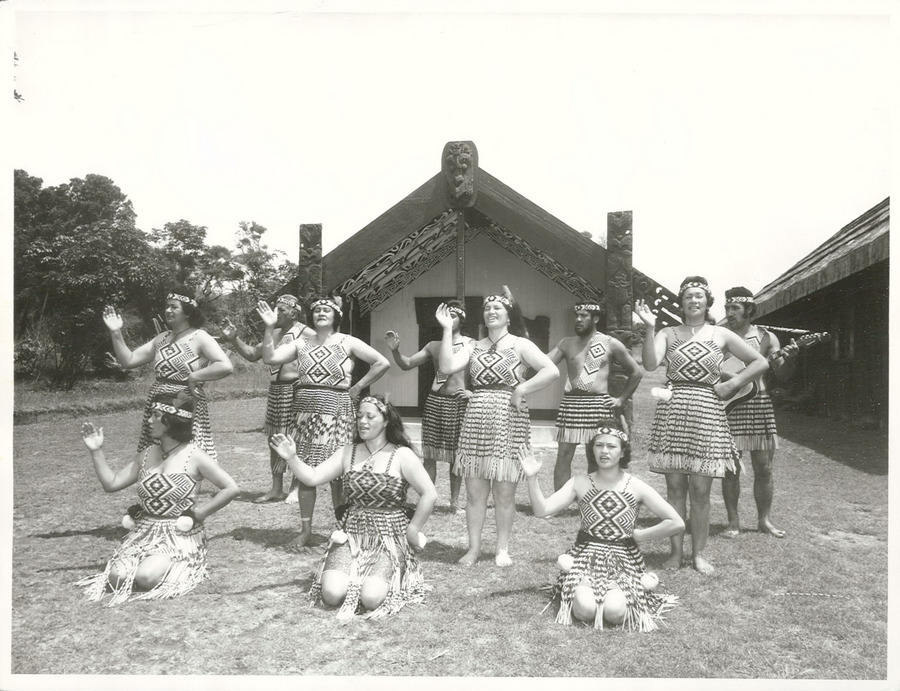 🇳🇿 Rotorua, New ZealandKapa haka
Māori group song and dance, from tribal and school groups to the national stagePerformance
🇳🇿 Rotorua, New ZealandKapa haka
Māori group song and dance, from tribal and school groups to the national stagePerformance
 🇺🇸 United States and 5 moreBaby shower
A gift-giving party for a new or expected baby, kept in many countriesRite of passage
🇺🇸 United States and 5 moreBaby shower
A gift-giving party for a new or expected baby, kept in many countriesRite of passage
 🇬🇧 United Kingdom and 5 moreLast Post
A bugle call sounded at military funerals and remembrance services across the Commonwealth to honour those who died in sPerformance
🇬🇧 United Kingdom and 5 moreLast Post
A bugle call sounded at military funerals and remembrance services across the Commonwealth to honour those who died in sPerformance
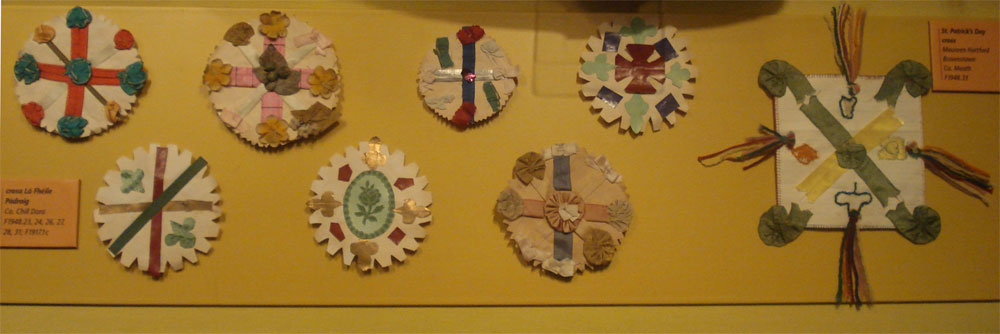 🇮🇪 Ireland and 5 moreSaint Patrick's DayLá Fhéile Pádraig
An annual Irish holiday of parades, church services, green dress and shamrocksFestival
🇮🇪 Ireland and 5 moreSaint Patrick's DayLá Fhéile Pádraig
An annual Irish holiday of parades, church services, green dress and shamrocksFestival
 🇬🇧 United Kingdom and 4 moreBonfire Night
Yearly nights of bonfires and fireworks, kept in Britain, Ireland and beyondFestival
🇬🇧 United Kingdom and 4 moreBonfire Night
Yearly nights of bonfires and fireworks, kept in Britain, Ireland and beyondFestival
 🇺🇸 Chicago, United States and 5 moreLabour Day
A day honouring workers, kept on 1 May in most countries and on other dates elsewhereFestival
🇺🇸 Chicago, United States and 5 moreLabour Day
A day honouring workers, kept on 1 May in most countries and on other dates elsewhereFestival
 🇬🇧 United Kingdom and 5 moreKing's Official Birthday
A day when Commonwealth realms mark the monarch's birthday, seldom the real dateCeremony
🇬🇧 United Kingdom and 5 moreKing's Official Birthday
A day when Commonwealth realms mark the monarch's birthday, seldom the real dateCeremony
 🇨🇦 Toronto, Canada and 5 moreNo Bra Day
An annual October observance promoting breast cancer awareness and bodily autonomySeasonal
🇬🇧 United Kingdom and 4 moreHip hip hooray
A traditional celebratory cheer of call and response to honour someoneFestival
🇨🇦 Toronto, Canada and 5 moreNo Bra Day
An annual October observance promoting breast cancer awareness and bodily autonomySeasonal
🇬🇧 United Kingdom and 4 moreHip hip hooray
A traditional celebratory cheer of call and response to honour someoneFestival
 🇮🇳 India and 5 moreRemoval of footwear indoors
The widespread custom of leaving outdoor shoes at the door for cleanliness and respectEtiquette
🇮🇳 India and 5 moreRemoval of footwear indoors
The widespread custom of leaving outdoor shoes at the door for cleanliness and respectEtiquette
Photo credits on this page
The small pictures above come from Wikimedia Commons under free licences. Some are cropped to fit.
- Poi: RaviGogna, CC BY 2.0, source
- Good Friday: Bellina 09, CC BY-SA 4.0, source
- Whakapapa: Jimmy Pitt, CC BY-SA 3.0, source
- Marae: W. Bulach, CC BY-SA 4.0, source
- Boxing Day: Sigismund von Dobschütz, CC BY-SA 4.0, source
- Bloomsday: No machine-readable author provided. Flapdragon assumed (based on copy, Public domain, source
- Waitangi Day: Ryan762 ( talk ), CC BY-SA 3.0, source
- Matariki: Robert Gendler, CC BY-SA 4.0, source
- Highland games: marsupium photography, CC BY-SA 2.0, source
- Christmas cracker: en:User:Cgros841, Public domain, source
- Royal Edinburgh Military Tattoo: xlibber, CC BY 2.0, source
- Tartan Day: daniel2177, CC BY 2.0, source
- Koru: Jon Radoff, CC BY 2.5, source
- Saint Patrick's Day: rannṗáirtí anaiṫnid ( coṁrá ), CC BY-SA 3.0, source
- Bridal shower: The McClouds, CC BY-SA 2.0, source
- Morris dance: Des Blenkinsopp, CC BY-SA 2.0, source
- Pub quiz: JIP, CC BY-SA 4.0, source
- Wharenui: Unknown author, Public domain, source
- Hoʻoponopono: Makana Chai, Public domain, source
- Tivaevae: John Colles Burland, CC BY-SA 3.0, source
- Surf lifesaving: User:Celcom, CC BY-SA 2.5, source
- Siva Samoa: Smita Biswas, CC BY 4.0, source
- Māori Language Week: Government House (New Zealand) https://gg.govt.nz/copyright-and-licens, CC BY-SA 4.0, source
- Elevenses: Sam Hood, Public domain, source
- Beating Retreat: Beating Retreat, CC BY-SA 3.0, source
- Tā moko: Gottfried Lindauer, Public domain, source
- Fleadh Cheoil: Gfitz122, CC BY-SA 4.0, source
- Waka: W. Bulach, CC BY-SA 4.0, source
- Pōwhiri: Governor General of New Zealand, CC BY 4.0, source
- Haka: Merrett, Joseph Jenner, 1816-1854., Public domain, source
- Ka Mate: Alasdair Massie, CC BY-SA 2.0, source
- Bonfire Night: Jpdfive, CC BY-SA 4.0, source
- Afternoon tea: joyosity, CC BY 2.0, source
- Kapa haka: Archives New Zealand Te Rua Mahara o te Kāwanatanga, CC BY 2.0, source
- Baby shower: Goizarin, CC0, source
- Last Post: User:EnEdC, Public domain, source
- King's Official Birthday: City of Toronto, Public domain, source
- Labour Day: C.Stadler/Bwag, CC BY-SA 4.0, source
- No Bra Day: Ralf Roletschek, GFDL, source
- Removal of footwear indoors: Sarang, Public domain, source