Festivals and celebrationsEuropeChristian
Saint David's Day
In its own language: Dydd Gŵyl Dewi Sant
The national feast day of Wales, marked with parades, poetry contests and daffodils

Saint David's Day is the national feast day of Wales, held every year on 1 March to honour the country's patron saint. Across Wales and diaspora communities, people mark the day with civic parades, school eisteddfod competitions, traditional dress, and regional foods.
When is Saint David's Day kept?
Saint David's Day is kept every year on 1 March.
Saint David's Day is the national celebration of Wales, observed every year on 1 March. The day honours Saint David, the country's patron saint who died on that date in 589. Across the nation and in Welsh communities abroad, people mark the festival by staging parades, gathering for cultural performances, pinning national emblems to their clothing, and cooking hearty regional dishes.
Origins and history
According to tradition, David was born in southwest Wales and belonged to the royal lineage of Ceredigion. He founded monastic centres, most notably at Meneva, which later grew into a major pilgrimage site and the location of St Davids Cathedral. David became revered for his teaching, ascetic discipline, and the many Christian settlements linked to him. Medieval records indicate that his feast was celebrated by the tenth century, and Pope Callixtus II formally canonised him in 1120. In 1485, Henry Tudor marched under Welsh symbols and invoked David's feast to rally local troops before winning the English crown at Bosworth Field. Later, as King Henry VII, he hosted palace feasts serving Welsh cheese and mead.
Emblems and attire
People display Welsh identity on Saint David's Day through specific emblems and garments. Two botanical symbols take centre stage: the yellow daffodil and the green leek. The leek has ancient roots as a battlefield identifier worn by Welsh soldiers to distinguish themselves from enemies, and it remains Saint David's personal emblem. Alongside these plants, the black and gold flag of Saint David flies widely on civic buildings and homes. Many participants, especially children, wear traditional Welsh costumes with tall hats and aprons, while others put on red national rugby jerseys.
Classroom eisteddfodau
Classrooms in Wales have played a central part in the holiday for more than a century. Starting in the late nineteenth century and expanding under education board guidance during the First World War, schools adopted the day to foster Welsh language and cultural awareness. Today, pupils frequently participate in school eisteddfodau, where house groups or classes compete in choral singing, reciting Welsh poetry, and folk dancing. Children are often allowed to skip regular uniforms, performing for teachers and peers. The Welsh national anthem is sung widely during these assemblies, alongside recitations that celebrate the native tongue.
Gatherings and food
Towns and cities across Wales organise public walks and street festivities to celebrate the day. Cardiff stages the largest national parade, accompanied by live musicians, street entertainment, and Welsh food markets, while communities like Swansea and Aberystwyth hold their own marches and multi-day festivals. Traditional food plays a major role on family and community tables. Classic dishes include cawl, a warming Welsh broth, alongside savoury Welsh rarebit and roast Welsh lamb. Sweet baked treats are also essential, particularly griddled Welsh cakes and sliced bara brith, a spiced fruit loaf enjoyed with tea.
How Saint David's Day is kept
On 1 March, people across Wales dress in traditional attire, rugby shirts, or pin daffodils and leeks to their jackets. Schoolchildren take part in music and poetry competitions called eisteddfodau, performing songs and reciting verse in Welsh. Town centres host festive parades with banners and musicians, and Saint David's flag is raised on public buildings. Families and community groups share meals of cawl, Welsh lamb, rarebit, bara brith, and Welsh cakes. Outside Wales, diaspora groups hold concerts, Capitol receptions, and cultural festivals to celebrate Welsh heritage.
When and where
Saint David's Day takes place every year on 1 March. This calendar date marks the recorded anniversary of Saint David's death in the year 589. While widely observed, it remains a regular working day rather than an official public bank holiday.
The day is celebrated across Wales, with major civic parades in Cardiff, Swansea, Aberystwyth, and Colwyn Bay. Welsh diaspora communities also hold events in international cities such as London, Los Angeles, Washington, and Paris.
What Saint David's Day means
The holiday stands as an expression of Welsh national identity, culture, and history. Saint David represents early Christian scholarship and monastic life in Wales. The leek symbolises historic solidarity and military distinction, while the daffodil heralds the arrival of early spring. Together with the Welsh language and flag, these emblems express communal pride and distinct regional heritage.
On the table
- Cawl
- Bara brith
- Welsh cakes
- Welsh lamb
- Welsh rarebit
- Welsh mead
- Welsh cheese


Questions people ask about Saint David's Day
When is Saint David's Day kept?
Saint David's Day is kept every year on 1 March.
What is Saint David's Day?
Saint David's Day is the national day and patron saint feast of Wales, honouring the sixth-century bishop and teacher Saint David. It is marked by parades, cultural contests, and national pride.
What symbols are worn on Saint David's Day?
People commonly wear yellow daffodils or green leeks pinned to their clothes. The leek is Saint David's personal symbol, while both plants are widely recognised national emblems of Wales.
What foods are traditional on Saint David's Day?
Celebrants often eat traditional Welsh meals such as cawl, a hearty soup, along with Welsh lamb and Welsh rarebit. Baked goods include fruit-filled bara brith and griddled Welsh cakes.
See also
 Christmas EveThe evening before Christmas, marked by church services, family meals, and gift preparations across Christian cultures.
 Mother's DayA worldwide annual celebration dedicated to mothers, maternal bonds and family care
 Trooping the ColourThe annual British military parade marking the official birthday of the monarch.
 Waitangi DayNew Zealand's national day remembering the 1840 founding agreement.
Good reading and sources
- ‘Not a colony’: Welsh council defies London to declare St David’s Day holidayThe Guardian, Article
- BBC - HistoryBBC, Article
- ‘Not a colony’: Welsh council defies London to declare St David’s Day holidayThe Guardian, Article
- BBC - HistoryBBC, Article
- Saint David's Day on WikipediaEncyclopedia
- More photos on Wikimedia CommonsPhotos and video
- Wikidata recordOpen data
The facts on this page come from the Wikipedia article "Saint David's Day", written by its contributors and used under the CC BY-SA 4.0 licence, and from its Wikidata record (CC0). EveryParampara rewrote the text in its own words, with AI assistance, and compares every page with the article to make sure no passage is copied. It may be reused under the same CC BY-SA 4.0 licence with a link back.
It may contain mistakes. Traditions differ from one family, village and community to the next, and the people who keep them know them best. If something is wrong, tell us. Last refreshed 2026-10-04.
More from the United Kingdom
All the traditions of the United Kingdom 🇬🇧 London, United KingdomChelsea Flower Show
A five-day May horticultural festival held in London by the Royal Horticultural SocietyFestival
🇬🇧 London, United KingdomChelsea Flower Show
A five-day May horticultural festival held in London by the Royal Horticultural SocietyFestival
 🇬🇭 Ghana and 3 moreDamba festivalDamba chuɣu
A Ghanaian celebration of royal authority, ancestral memory, music and danceFestival
🇬🇧 United Kingdom and 4 moreHip hip hooray
A traditional celebratory cheer of call and response to honour someoneFestival
🇬🇭 Ghana and 3 moreDamba festivalDamba chuɣu
A Ghanaian celebration of royal authority, ancestral memory, music and danceFestival
🇬🇧 United Kingdom and 4 moreHip hip hooray
A traditional celebratory cheer of call and response to honour someoneFestival
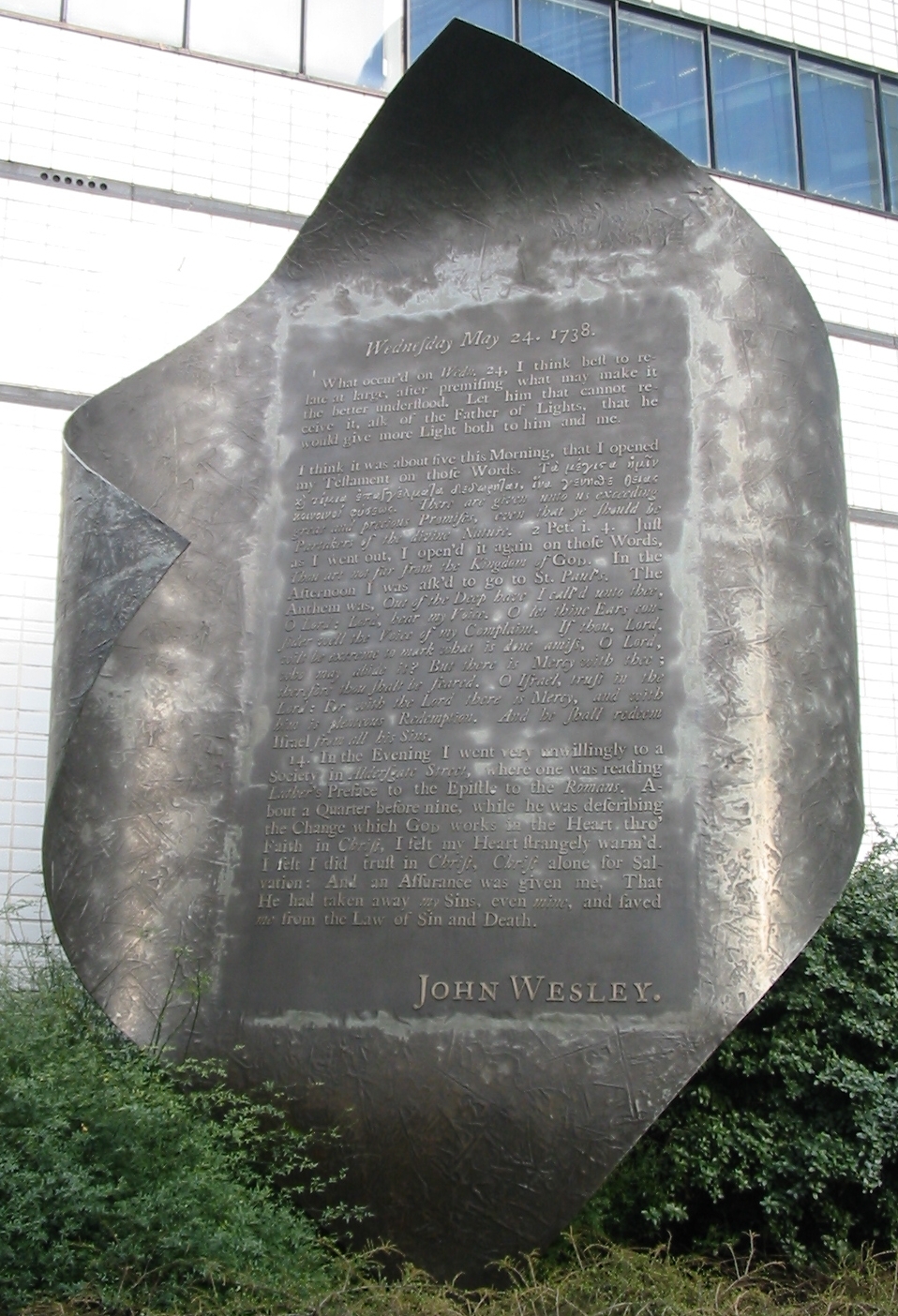 🇸🇬 Singapore and 2 moreAldersgate Day
A Methodist observance on 24 May marking the spiritual turning point of John Wesley.Festival
🇸🇬 Singapore and 2 moreAldersgate Day
A Methodist observance on 24 May marking the spiritual turning point of John Wesley.Festival
The same idea elsewhere
Pilgrimage compared 🇲🇲 Bagan, MyanmarNat worshipနတ်
Veneration of guardian spirits and nature deities alongside Buddhism in MyanmarSpiritual
🇲🇲 Bagan, MyanmarNat worshipနတ်
Veneration of guardian spirits and nature deities alongside Buddhism in MyanmarSpiritual
 🇲🇦 Rabat, Morocco and 5 moreFantasiaالفانتازيا
A North African equestrian display of synchronized charging and simultaneous rifle fireGame
🇲🇦 Rabat, Morocco and 5 moreFantasiaالفانتازيا
A North African equestrian display of synchronized charging and simultaneous rifle fireGame
 🇮🇳 India and 4 moreProstration
Bowing the whole body to the ground, in prayer and as a sign of respectSpiritual
🇮🇳 India and 4 moreProstration
Bowing the whole body to the ground, in prayer and as a sign of respectSpiritual
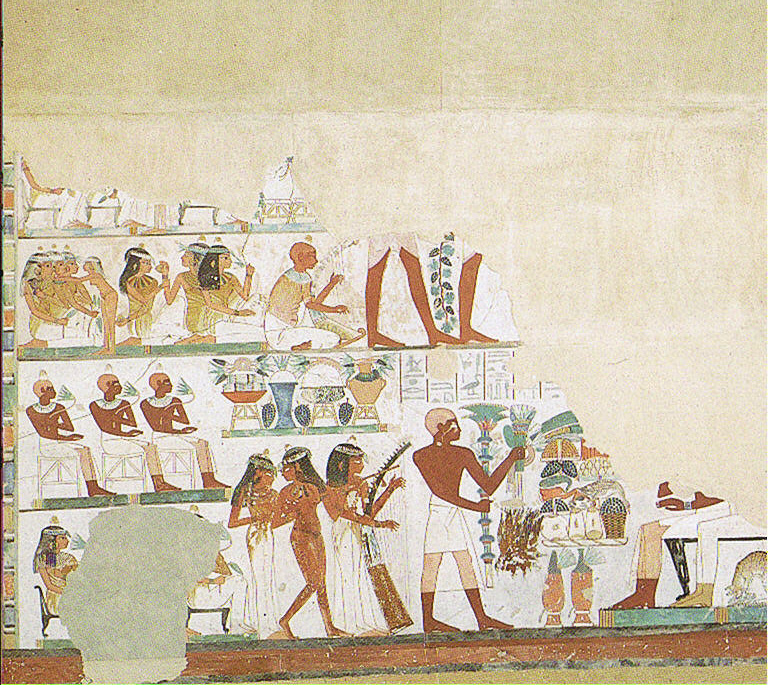 🇪🇬 Thebes, EgyptBeautiful Festival of the Valleyhb nfr n jnt
An ancient Egyptian festival honouring the dead with river processions across ThebesSpiritual
🇪🇬 Thebes, EgyptBeautiful Festival of the Valleyhb nfr n jnt
An ancient Egyptian festival honouring the dead with river processions across ThebesSpiritual