Spiritual and religiousSoutheast AsiaBuddhistIndigenous and traditional
Nat worship
In its own language: နတ်
Veneration of guardian spirits and nature deities alongside Buddhism in Myanmar

Nat worship is a spirit veneration tradition practised across Myanmar by the Bamar majority and ethnic minority groups alongside Theravada Buddhism. Devotees maintain home and village shrines, inherit family guardian spirits, and hold lively music festivals to appease deities through spirit mediums.
When is Nat worship kept?
Nat worship is kept on daily at home shrines, and during annual festivals such as Natdaw and Wagaung.
Nat worship is the veneration of powerful guardian and nature spirits alongside Buddhism in Myanmar. Practised in village shrines, family homes, and large outdoor festivals, it connects people to local protectors, ancestral figures, and natural elements. Devotees offer coconuts, perfume, and music to win favour and avoid misfortune. The custom remains especially active across rural Bamar communities and among various ethnic minority groups.
The spirit pantheon
Burmese spirit belief distinguishes between two general groups of nats. One group consists of nature spirits that inhabit streams, forests, and trees. The other, known as nat sein, represents humans who died sudden or violent deaths and became deified. In the eleventh century, King Anawrahta of Bagan organized thirty-seven official Great Nats under the Buddhist guardian deity Thagyamin. Many of these official spirits came from historic royal dynasties. People inherit specific nats to venerate through their mother or father, depending on their family ancestry, while every individual also has a personal guardian spirit.
Home and village shrines
Devotion to spirits happens daily at the local and domestic level. Almost every village maintains a dedicated shrine for its collective guardian spirit, who watches over the settlement. Inside family houses, residents hang a coconut at a corner of the property, adorned with perfume, to honour the household nat. People also preserve family spirit lineages that pass down from either parental side. Through these small domestic rituals, households seek protection from misfortune and show respect to the invisible guardians tied to their birthplace and family heritage.
Festivals and spirit mediums
Public celebrations called nat pwè bring communities together to propitiate spirits through music, food, and dance. Spirit mediums known as nat kadaws lead these gatherings, dancing until they enter trance states and embody the deities. A traditional hsaing waing orchestra provides rapid, driving rhythms that build excitement. Participants gather at shrines, drink palm wine, and dance to honour the spirits. In urban areas, people often set up temporary street pavilions to maintain connections with the guardian spirits of their ancestral villages.
Sacred mountains and nature
The most famous pilgrimage destination for spirit veneration is Mount Popa, an extinct volcanic peak near Bagan with many shrines on its heights. Another major gathering takes place at Taungbyone near Mandalay. Beyond festival grounds, spirit beliefs influence how people treat the landscape. Rural communities venerate mountain and woodland spirits, and they avoid chopping down prominent trees because they believe tree spirits called Yokkaso dwell within them. Causing harm to these wooded areas is feared because it could provoke the anger of the resident spirits.
How Nat worship is kept
Devotees honour guardian spirits at home by hanging a perfumed coconut in a corner. In villages, communities bring offerings to a dedicated local shrine. During annual festivals, people gather around spirit pavilions where traditional hsaing waing orchestras play energetic music. Professional spirit mediums, known as nat kadaws, dance and become possessed by the spirits. Participants drink palm wine, offer gifts, and dance alongside the mediums to appease the deities and seek good fortune for their families.
When and where
Spirit veneration occurs daily through household and village offerings. Major communal festivals follow the Burmese lunar calendar. The pilgrimage to Mount Popa takes place around the full moon of Natdaw in December, while the Taungbyone festival occurs during the month of Wagaung in August, followed shortly by the Yadanagu festival.
The practice is observed throughout Myanmar, particularly in rural areas and among the Bamar majority and ethnic minorities. Major pilgrimage sites include Mount Popa near Bagan, Taungbyone north of Mandalay, and Amarapura. Urban residents also erect temporary neighbourhood pavilions.
What Nat worship means
Nats represent both the wild forces of nature and the tragic fates of historical human figures. Because they possess human flaws and strong desires, they require respect, gifts, and placation. For devotees, spirit veneration serves as a practical system of protection, keeping families safe from harm while anchoring them to their ancestral homelands and the local environment.


Questions people ask about Nat worship
When is Nat worship kept?
Nat worship is kept on daily at home shrines, and during annual festivals such as Natdaw and Wagaung.
What are nats in Myanmar?
Nats are spirits venerated alongside Buddhism in Myanmar. They include nature spirits living in trees, mountains, and water, as well as human spirits who died violent deaths and were later deified. King Anawrahta formalized thirty-seven Great Nats in the eleventh century.
What happens during a nat festival?
During a festival called a nat pwè, devotees gather at shrines, drink palm wine, and listen to hsaing waing music. Spirit mediums called nat kadaws dance and become possessed by the spirits to convey their presence and receive offerings.
Where is the main pilgrimage site for nat worship?
The most important pilgrimage site is Mount Popa, an extinct volcanic peak near Bagan. Devotees travel there in large numbers, particularly during the festival held on the full moon in the month of Natdaw.
How do families honour spirits at home?
Households typically hang a coconut scented with perfume in a corner of their home as an offering. Families also honour personal guardian spirits and inherited deities passed down through their parents.
See also
 Māgha PūjāA Buddhist holy day honoring monastic unity, moral guidance and spiritual fellowship
 KathinaA Buddhist season of offering new robes and gifts to monks after the rains retreat
 DiwaliA five-day festival of lights celebrated across India and its diaspora to mark the victory of light over darkness.
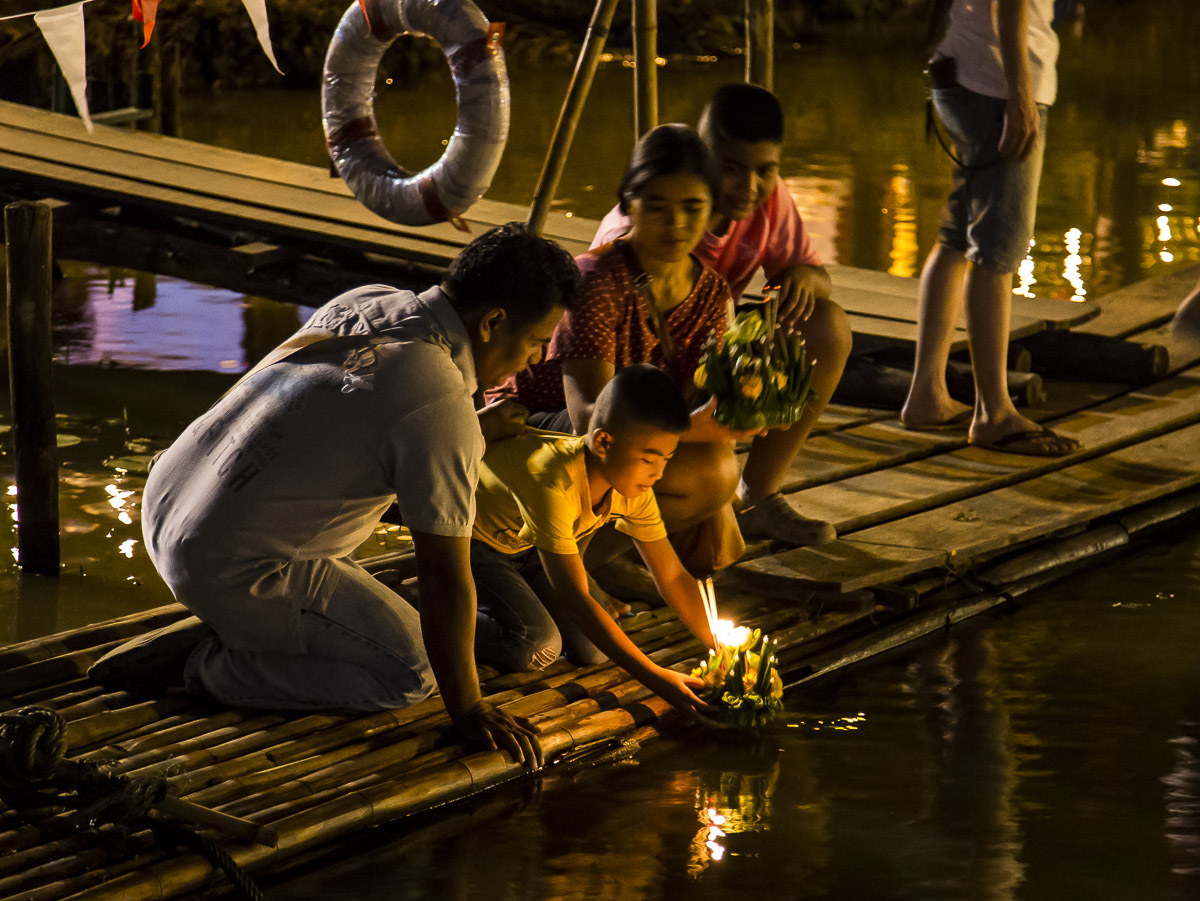 Loy KrathongA Thai festival of floating leaf baskets on rivers to honor water and release negativity.
Good reading and sources
- Nat (deity) on WikipediaEncyclopedia
- More photos on Wikimedia CommonsPhotos and video
- Wikidata recordOpen data
The facts on this page come from the Wikipedia article "Nat (deity)", written by its contributors and used under the CC BY-SA 4.0 licence, and from its Wikidata record (CC0). EveryParampara rewrote the text in its own words, with AI assistance, and compares every page with the article to make sure no passage is copied. It may be reused under the same CC BY-SA 4.0 licence with a link back.
It may contain mistakes. Traditions differ from one family, village and community to the next, and the people who keep them know them best. If something is wrong, tell us. Last refreshed 2026-10-04.
More from Myanmar
All the traditions of Myanmar 🇲🇲 Mandalay, Myanmar and 2 moreSand pagodaသဲပုံစေတီ (Burmese), พระเจดีย์ทราย (Thai)
Temporary sand or mud structures built by Theravada Buddhists to cultivate merit and honor the Buddha.Spiritual
🇲🇲 Mandalay, Myanmar and 2 moreSand pagodaသဲပုံစေတီ (Burmese), พระเจดีย์ทราย (Thai)
Temporary sand or mud structures built by Theravada Buddhists to cultivate merit and honor the Buddha.Spiritual
 🇹🇭 Thailand and 7 moreSpirit house
A small roofed shrine on a pillar, kept in homes and villages across Southeast Asia to honour protective spirits.Spiritual
🇹🇭 Thailand and 5 moreMāgha Pūjāមាឃបូជា
A Buddhist holy day honoring monastic unity, moral guidance and spiritual fellowshipSpiritual · Fasting and breaking the fast
🇹🇭 Thailand and 5 moreKathina
A Buddhist season of offering new robes and gifts to monks after the rains retreatSpiritual
🇹🇭 Thailand and 7 moreSpirit house
A small roofed shrine on a pillar, kept in homes and villages across Southeast Asia to honour protective spirits.Spiritual
🇹🇭 Thailand and 5 moreMāgha Pūjāមាឃបូជា
A Buddhist holy day honoring monastic unity, moral guidance and spiritual fellowshipSpiritual · Fasting and breaking the fast
🇹🇭 Thailand and 5 moreKathina
A Buddhist season of offering new robes and gifts to monks after the rains retreatSpiritual
The same idea elsewhere
Pilgrimage compared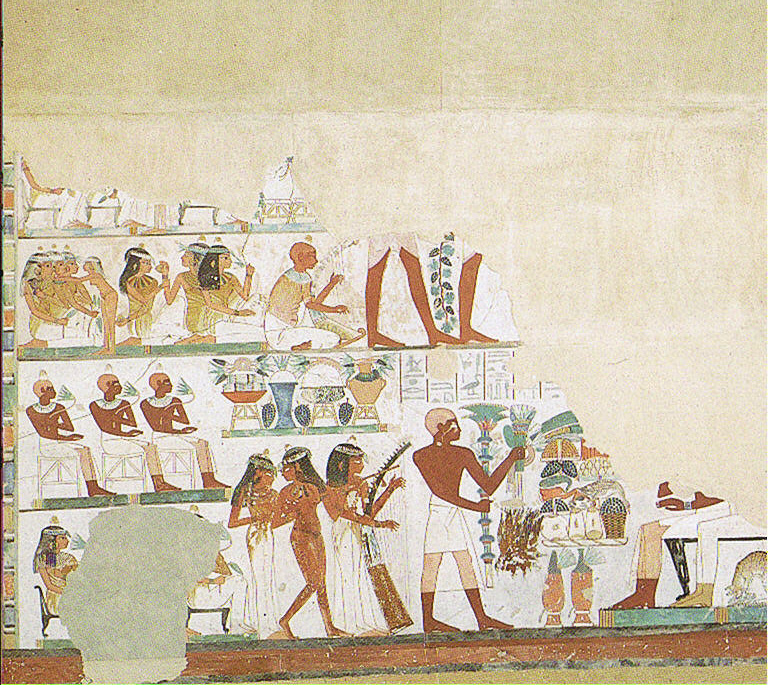 🇪🇬 Thebes, EgyptBeautiful Festival of the Valleyhb nfr n jnt
An ancient Egyptian festival honouring the dead with river processions across ThebesSpiritual
🇪🇬 Thebes, EgyptBeautiful Festival of the Valleyhb nfr n jnt
An ancient Egyptian festival honouring the dead with river processions across ThebesSpiritual
 🇨🇳 ChinaKowtow叩頭
A traditional Chinese prostration of deep respect by kneeling and bowing to the groundEtiquette
🇨🇳 ChinaKowtow叩頭
A traditional Chinese prostration of deep respect by kneeling and bowing to the groundEtiquette
 🇮🇱 Jerusalem, IsraelSukkotסוכות
A seven-day autumn Jewish festival of temporary booths, harvest prayers and hospitalitySpiritual
🇮🇱 Jerusalem, IsraelSukkotסוכות
A seven-day autumn Jewish festival of temporary booths, harvest prayers and hospitalitySpiritual
 🇲🇱 Bamako, Mali and 5 moreGriotjeli, ߖߋ߬ߟߌ in N'Ko script
West Africa's hereditary keepers of spoken history, praise and musicPerformance
🇲🇱 Bamako, Mali and 5 moreGriotjeli, ߖߋ߬ߟߌ in N'Ko script
West Africa's hereditary keepers of spoken history, praise and musicPerformance