Spiritual and religiousNorth AfricaPagan and ancient
Beautiful Festival of the Valley
In its own language: hb nfr n jnt
An ancient Egyptian festival honouring the dead with river processions across Thebes
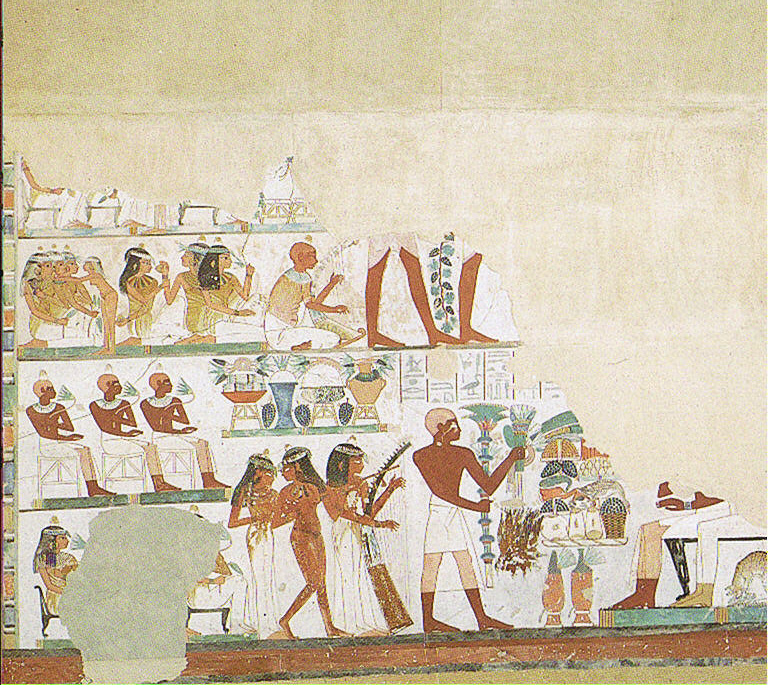
The Beautiful Festival of the Valley was an ancient Egyptian festival held every year in Thebes, beginning during the Middle Kingdom. Priests carried holy river barges of the gods across the Nile to the western tombs, where families gathered with flowers, food, and drink to honour their ancestors.
When is Beautiful Festival of the Valley kept?
Beautiful Festival of the Valley is kept on annually on the new moon of the tenth month.
The Beautiful Festival of the Valley was an ancient Egyptian observance celebrated in Thebes from the Middle Kingdom onward. At its heart was a grand river journey across the Nile, travelling from the land of the living in the east to the realm of the dead in the west. Priests escorted images of Amun-Re and other deities to western funerary temples, where local families gathered to remember deceased relatives and celebrate their ongoing spiritual life.
The divine procession
Priests launched the multi-day event at the Karnak temple complex on the eastern bank of the Nile. They carried an image of the wind god Amun-Re, adorned with a sun disk and a broad collar, down to the river. Amun's portable barque was placed aboard the Userhet, a gilded vessel embellished with precious materials. Ships carrying his consort Mut and their son Khonsu accompanied the flagship, uniting the Theban Triad on the water. Moving westward across the Nile symbolized passing from the rising sun and mortal life toward the setting sun and the spirit world.
Offerings and ancestor rites
When the flotilla arrived at royal memorial shrines, known as the Temples of Millions of Years, crowds offered food, drinks, and floral arrangements to the sacred vessels. Ancient belief held that these blossoms absorbed divine power directly from the gods. Relatives gathered the charged bouquets and brought them to family graves across the necropolis, intending to rejuvenate the souls of their departed kin. Mourners drank and slept beside the resting places of loved ones, believing that altered states of awareness would draw them closer to the divine and bring blessings to the dead.
Royalty and sacred bonds
The festival was established during the Middle Kingdom and grew to become a central fixture of local religious life, later linking with the Opet celebrations. Rulers such as Hatshepsut actively maintained both events to honour Amun. As part of the proceedings, Amun's portable shrine was brought directly inside the temple of Djoser-djoseru. This ritual movement served to renew and reinforce the spiritual alliance connecting the divine sovereign of the gods with the earthly monarch who governed the people.
How Beautiful Festival of the Valley is kept
Priests began the rites at Karnak by placing sacred images of Amun-Re, Mut, and Khonsu onto decorated ceremonial barques. Amun's barque was loaded onto the Userhet, a grand vessel finished with gold and fine materials, before crossing the Nile from east to west. Townspeople greeted the arriving flotilla at royal memorial temples, offering flowers, food, and drink to the divine travellers. Relatives then brought these blessed flowers to family burial sites, spending time drinking and resting near the tombs to commune with and comfort the spirits of their dead.
When and where
The festival took place once a year on the new moon of the second month of Shemu, the ancient Egyptian harvest season. This date corresponded to the tenth month of their twelve-month calendar year.
Celebrations centered on Thebes, the modern Egyptian city of Luxor. The rites began at the Karnak temple on the east bank of the Nile and moved across the river to the Theban Necropolis and royal mortuary temples on the west bank.
What Beautiful Festival of the Valley means
Travelling from east to west mirrored the path of the sun, moving from the realm of birth and life to the resting place of departed souls. Bringing divine barques to the necropolis bridged the living world with the afterlife. By sharing drink, sleep, and sacred flowers at burial places, families believed they revitalised the spirits of loved ones and drew closer to the divine realm.
Questions people ask about Beautiful Festival of the Valley
When is Beautiful Festival of the Valley kept?
Beautiful Festival of the Valley is kept on annually on the new moon of the tenth month.
What was the Beautiful Festival of the Valley?
It was an annual ancient Egyptian festival held in Thebes to honour the dead, celebrate the gods, and bridge the living community with their deceased ancestors.
What happened during the main river procession?
Priests carried sacred images of the Theban Triad, Amun-Re, Mut, and Khonsu, across the Nile on ornate ceremonial boats, travelling from Karnak to royal funerary temples in the western necropolis.
Why did families bring flowers to the tombs?
Townspeople presented flowers to the god's barge to be imbued with divine presence, then placed the blossoms on relatives' graves to revive the spirits of departed family members.
See also
 Opet FestivalAn ancient Egyptian festival in Thebes celebrating divine kingship and the Nile flood
 Mother's DayA worldwide annual celebration dedicated to mothers, maternal bonds and family care
 MawlidAn annual festival marking the birth of the Prophet Muhammad, marked by poetry, processions and feasts.
 YennayerThe Amazigh New Year celebrated across North Africa with feasts and blessing rites
Good reading and sources
The facts on this page come from the Wikipedia article "Beautiful Festival of the Valley", written by its contributors and used under the CC BY-SA 4.0 licence, and from its Wikidata record (CC0). EveryParampara rewrote the text in its own words, with AI assistance, and compares every page with the article to make sure no passage is copied. It may be reused under the same CC BY-SA 4.0 licence with a link back.
It may contain mistakes. Traditions differ from one family, village and community to the next, and the people who keep them know them best. If something is wrong, tell us. Last refreshed 2026-10-04.
More from Egypt
All the traditions of Egypt 🇮🇱 Jerusalem, Israel and 5 moreHoly FireἋγιον Φῶς
A fire ceremony in Jerusalem each year, kept by Orthodox Christians before EasterSpiritual
🇮🇱 Jerusalem, Israel and 5 moreHoly FireἋγιον Φῶς
A fire ceremony in Jerusalem each year, kept by Orthodox Christians before EasterSpiritual
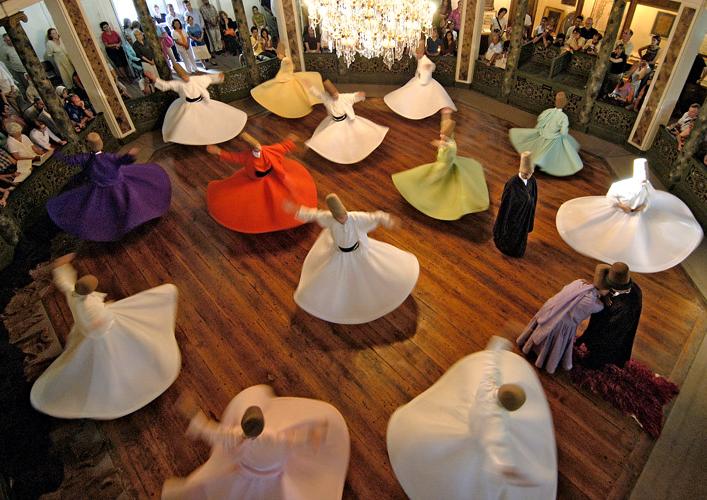 🇹🇷 Turkey and 1 moreSamaSema (Turkish); سَماع (Persian)
A Sufi rite of listening, music and turning, kept by Mevlevi and other Sufi ordersSpiritual
🇪🇬 Luxor, EgyptOpet Festivalḥb nfr n jpt
An ancient Egyptian festival in Thebes celebrating divine kingship and the Nile floodSpiritual
🇹🇷 Turkey and 1 moreSamaSema (Turkish); سَماع (Persian)
A Sufi rite of listening, music and turning, kept by Mevlevi and other Sufi ordersSpiritual
🇪🇬 Luxor, EgyptOpet Festivalḥb nfr n jpt
An ancient Egyptian festival in Thebes celebrating divine kingship and the Nile floodSpiritual
The same idea elsewhere
Remembering the ancestors compared 🇮🇱 Jerusalem, IsraelSukkotסוכות
A seven-day autumn Jewish festival of temporary booths, harvest prayers and hospitalitySpiritual
🇮🇱 Jerusalem, IsraelSukkotסוכות
A seven-day autumn Jewish festival of temporary booths, harvest prayers and hospitalitySpiritual
 🇵🇪 Cusco, Peru and 4 moreIntiinti (Quechua)
The Inca sun deity, honoured with temples, offerings and the June festival Inti RaymiSpiritual
🇵🇪 Cusco, Peru and 4 moreIntiinti (Quechua)
The Inca sun deity, honoured with temples, offerings and the June festival Inti RaymiSpiritual
 🇲🇲 Bagan, MyanmarNat worshipနတ်
Veneration of guardian spirits and nature deities alongside Buddhism in MyanmarSpiritual
🇲🇲 Bagan, MyanmarNat worshipနတ်
Veneration of guardian spirits and nature deities alongside Buddhism in MyanmarSpiritual
 🇮🇳 Gaya, India and 1 moreShraddhaश्राद्ध
Rituals of faith for the ancestors, kept yearly and through Pitru PakshaSpiritual
🇮🇳 Gaya, India and 1 moreShraddhaश्राद्ध
Rituals of faith for the ancestors, kept yearly and through Pitru PakshaSpiritual