Spiritual and religiousEuropeChristian
St. Martin's Day
In its own language: Martinstag
A November feast of lantern walks, bonfires, roast goose and new wine

St Martin's Day falls on 11 November and remembers Martin of Tours, a Roman soldier who became a bishop in Gaul. Across Europe, above all in German and Dutch speaking regions, people mark it with lantern processions, bonfires, roast goose and the season's first wine.
When is St. Martin's Day in 2026?
St. Martin's Day 2026 is on Wednesday, 11 November 2026. Other years: 2027, Thursday, 11 November 2027; 2028, Saturday, 11 November 2028.
On 11 November each year, St Martin's Day honours Martin of Tours, the Roman soldier turned bishop remembered for sharing his cloak with a beggar. It began as a church feast and became a way of marking the close of the harvest and the arrival of winter. Families keep it with lantern processions, bonfires, roast goose and the season's first wine.
What the day is
St Martin's Day is a church feast held every 11 November for Martin of Tours, the bishop who died in 397. It falls at the end of the Octave of Allhallowtide. In farming country the date once stood for the moment when the harvest was in and winter had arrived, and it opened what writers call the winter revelling season. It grew into a fixture of the European year, above all where Germanic languages were spoken. Parishes, schools and families keep it with lantern walks, bonfires, a roast bird and the season's first wine.
Origins and history
Martin of Tours was a Roman soldier who was baptised as an adult and later became a bishop in Gaul. The story told about him is that he split his cloak with his sword so that a beggar in rags could have half of it, and that Christ came to him that night wearing the half he had given away. Martin Walsh, studying a forgotten English Martinmesse, argues that the date carried an older, non-Christian meaning before the feast was fixed to it. He points to 10 November, which the Roman world counted as winter's start, and to 1 November, when Celtic peoples kept Samhain or Calan Gaeaf. In England the feast faded after the Reformation, as Guy Fawkes Night, new farming methods and industrial change pushed it aside.
Lanterns and bonfires
On the eve of the feast, children in German and Dutch speaking towns walk in procession with lanterns they have made at school, often of paper, sometimes hollowed from a turnip. These walks are called Laternelaufen. Many begin at a church and finish in a public square, where a rider dressed as Martin leads the group and a bonfire is lit. In the Rhineland the fires once burned so thickly that people nicknamed the day Funkentag, spark day. Nineteenth century accounts describe young people dancing round the flames and leaping through them, then scattering the ashes on the fields to make them fertile. Children who knock at doors may be given sweets, apples, nuts or cakes.
Food and drink
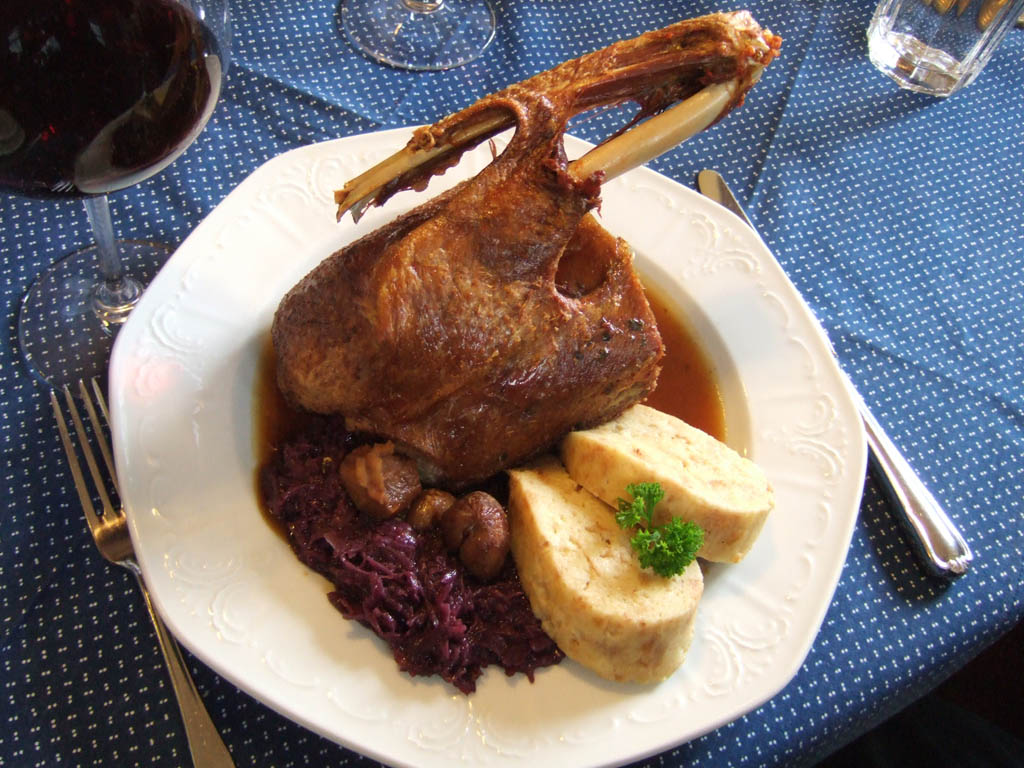
Goose is the dish most closely tied to the day, and a legend explains why: Martin, hiding in a pen of geese to escape being made a bishop, was betrayed by their cackling. Goose eating was once a set piece of the autumn calendar, and the custom travelled from France to Sweden, where townspeople, craftsmen and nobles were the first to take it up. Poorer households often had duck or hen, since a goose was beyond many budgets. In winegrowing regions the new wine was ready around this date, and in France Martin is credited with helping vines spread through Touraine. Rhineland bakers shape sweet pastries like a croissant, a reminder of the horse's hooves and of the cloak torn in two.
Fasting and Advent
From the sixth century, church councils asked people to fast on every day except Saturday and Sunday between the day after the feast and Epiphany on 6 January, a run of fifty six days. Longer than a single Lent when its weekend breaks are counted, it was named Quadragesima Sancti Martini, or Saint Martin's Lent. Few keep it today. Over the following centuries the period was cut back until it opened on the Sunday before December, becoming the Advent season that churches now observe. In the Archdiocese of Milan the feast is followed at once by the first Sunday of Advent, under the Ambrosian Rite still used there and in Ticino in Switzerland.
How St. Martin's Day is kept
On the evening before 11 November, families in German and Dutch speaking areas take their lanterns into the street and walk together, usually from a church to a market square. A person on horseback dressed as Martin often rides at the front, and the bonfire is lit once the group arrives. Children sing Martin songs, and may collect sweets, fruit, nuts or pastries from door to door. A roast goose follows, at home or in a restaurant. In Flanders the walk belongs to 10 November; in the Rhineland lanterns also go from house to house.
When and where
The feast is fixed on 11 November in the church calendar, and much of the celebrating happens on St Martin's Eve, the evening before. Some German processions now run across the fortnight leading up to the day, and in Flanders the main evening is 10 November. The old fast that followed began the next day and ran to Epiphany.
It is kept most strongly in German speaking Europe, above all in the Rhineland, and in Austria, the Netherlands and Dutch speaking Belgium. Alsace and Lorraine, on the French side of the Rhine, hold processions too, and Danish and Swedish households traditionally eat goose. German American communities in the United States mark the day in places such as Saint Paul, Minnesota and Dayton, Ohio. In England it has largely faded.
What St. Martin's Day means
The lantern carries the heart of the picture: light held up in the dark half of the year. In one telling, the fires were read as a sign of the light that holiness carries into the dark, the same hope Martin brought to people in need through his good deeds. The day also means something plainer, the turn of the farming year, when animals were slaughtered and stores laid in for winter. For children the saint is a giver, thanked for the hay left out for his horse.



Days St. Martin's Day is marked
St. Martin's Day dates: 2026, 2027, 2028
| Year | St. Martin's Day date |
|---|---|
| 2026 | Wednesday, 11 November 2026 |
| 2027 | Thursday, 11 November 2027 |
| 2028 | Saturday, 11 November 2028 |
Questions people ask about St. Martin's Day
When is St. Martin's Day in 2026?
St. Martin's Day 2026 is on Wednesday, 11 November 2026. Other years: 2027, Thursday, 11 November 2027; 2028, Saturday, 11 November 2028.
What is St Martin's Day?
A church feast on 11 November for Martin of Tours, the Roman soldier who became a bishop in Gaul and, in the best known story about him, cut his cloak in half for a beggar. In Europe it also came to stand for the close of the harvest and the onset of winter.
Where is it celebrated?
It is strongest in German speaking Europe, especially the Rhineland, and in Austria, the Netherlands and Dutch speaking Belgium. Alsace and Lorraine in France keep processions too, and Danish and Swedish households traditionally eat goose. German American communities in the United States hold their own lantern walks.
Why is goose eaten?
A legend says Martin hid in a pen of geese to escape being made a bishop, and their cackling revealed him. Goose became the standard dish of the day in most places. Households that could not afford one often served duck or hen instead.
What is Saint Martin's Lent?
From the sixth century, church councils asked for fasting on ordinary days between the day after the feast and Epiphany on 6 January, about fifty six days. It was a second Lent, called Quadragesima Sancti Martini. It is rarely kept now, and over the centuries it shrank into the Advent season.
See also
 Good FridayA solemn Christian holy day commemorating the crucifixion and death of Jesus Christ.
 Kol NidreAn Aramaic declaration of vow annulment that opens the Yom Kippur evening service in Jewish synagogues.
 Tisha B'AvA solemn fast day in July or August to mourn the destruction of the Jerusalem Temples and other Jewish tragedies.
 Nativity of MaryA Christian feast day honouring the birth of Mary, the mother of Jesus
Good reading and sources
- Why November 11th was a day for blood sacrifice rites in IrelandRTE, Article
- Why November 11th was a day for blood sacrifice rites in IrelandRTE, Article
- St. Martin's Day on WikipediaEncyclopedia
- More photos on Wikimedia CommonsPhotos and video
- Wikidata recordOpen data
The facts on this page come from the Wikipedia article "St. Martin's Day", written by its contributors and used under the CC BY-SA 4.0 licence, and from its Wikidata record (CC0). EveryParampara rewrote the text in its own words, with AI assistance, and compares every page with the article to make sure no passage is copied. It may be reused under the same CC BY-SA 4.0 licence with a link back.
It may contain mistakes. Traditions differ from one family, village and community to the next, and the people who keep them know them best. If something is wrong, tell us. Last refreshed 2026-10-09.
More from Germany
All the traditions of Germany
🇦🇺 Australia and 5 moreGood Friday
A solemn Christian holy day commemorating the crucifixion and death of Jesus Christ.Spiritual · Fasting and breaking the fast
🇮🇱 Jerusalem, Israel and 5 moreTisha B'Avתשעה באב
A solemn fast day in July or August to mourn the destruction of the Jerusalem Temples and other Jewish tragedies.Spiritual · Fasting and breaking the fast
🇮🇱 Israel and 5 moreKol Nidreכָּל נִדְרֵי
An Aramaic declaration of vow annulment that opens the Yom Kippur evening service in Jewish synagogues.Spiritual
 🇧🇪 Belgium and 5 moreSaint Nicholas Day
The feast day of Saint Nicholas, kept in Advent with gifts, shoes and church servicesSpiritual
🇧🇪 Belgium and 5 moreSaint Nicholas Day
The feast day of Saint Nicholas, kept in Advent with gifts, shoes and church servicesSpiritual
The same idea elsewhere
Harvest and thanksgiving compared 🇮🇳 Ayodhya, India and 7 moreDiwaliदीपावली (Dīpāvalī)
A five-day festival of lights celebrated across India and its diaspora to mark the victory of light over darkness.Festival · Feasts and festival meals
🇮🇳 Ayodhya, India and 7 moreDiwaliदीपावली (Dīpāvalī)
A five-day festival of lights celebrated across India and its diaspora to mark the victory of light over darkness.Festival · Feasts and festival meals
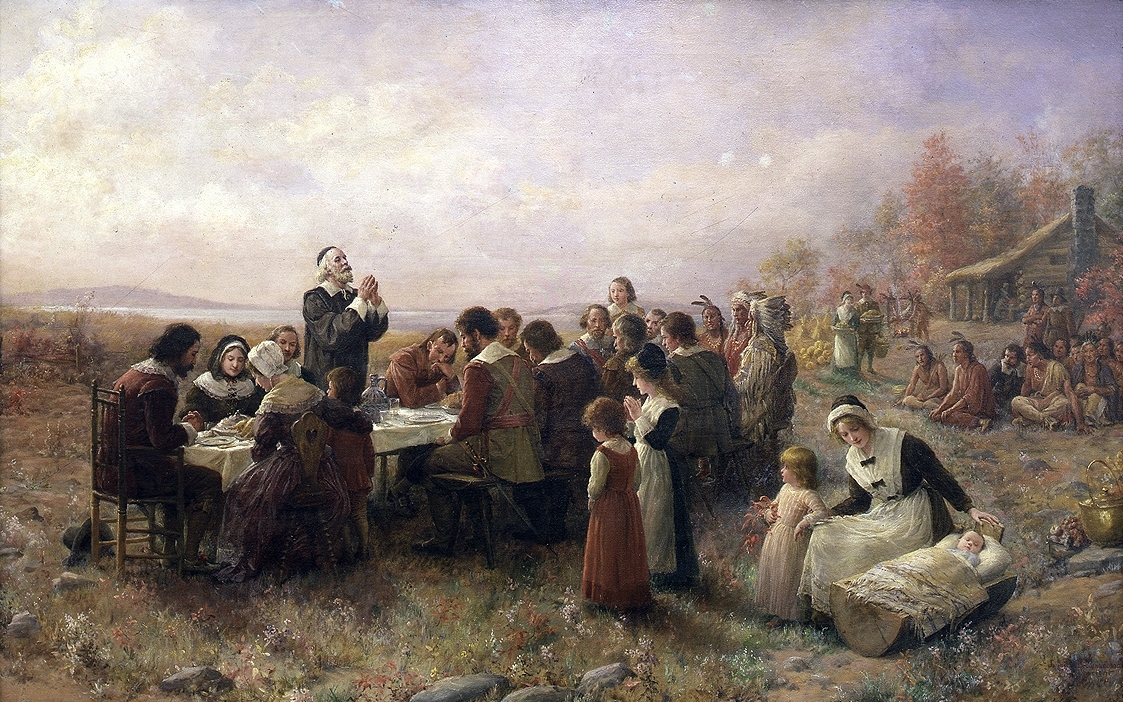 🇺🇸 Washington, United StatesThanksgiving
An annual American holiday of gratitude, family gatherings and an autumn harvest feastFestival · Dinner
🇺🇸 Washington, United StatesThanksgiving
An annual American holiday of gratitude, family gatherings and an autumn harvest feastFestival · Dinner
 🇮🇳 Puri, IndiaAkshaya Tritiyaअक्षय तृतीया (Akṣaya Tṛtīyā)
A spring festival of lasting prosperity observed by Hindus and Jains in India.Festival · Feasts and festival meals
🇮🇳 Puri, IndiaAkshaya Tritiyaअक्षय तृतीया (Akṣaya Tṛtīyā)
A spring festival of lasting prosperity observed by Hindus and Jains in India.Festival · Feasts and festival meals
 🇮🇳 India and 2 moreSharad Purnima
A Hindu autumn full moon festival of night vigils, moonlit sweets and sacred dancesSpiritual · Feasts and festival meals
🇮🇳 India and 2 moreSharad Purnima
A Hindu autumn full moon festival of night vigils, moonlit sweets and sacred dancesSpiritual · Feasts and festival meals