Spiritual and religiousSouth AsiaHindu
Sharad Purnima
A Hindu autumn full moon festival of night vigils, moonlit sweets and sacred dances

Sharad Purnima is an annual Hindu full moon festival celebrated across India, Nepal and Bangladesh at the close of the monsoon. Devotees fast, honour goddess Lakshmi and divine pairs, dance in the moonlight, and leave milk dishes outdoors to absorb lunar blessings.
When is Sharad Purnima marked?
Sharad Purnima is kept as part of Dashain, which runs from 11 to 25 October 2026.
Sharad Purnima is an autumn festival observed on the full moon of the Hindu month of Ashvin. Marking the end of the rainy season, this sacred night brings devotees together to honour the moon deity Chandra, goddess Lakshmi, and divine couples like Radha and Krishna. Across South Asia, people fast, sing, dance outdoors, and place milk dishes beneath the clear moonlight to receive celestial blessings.
Stories and divine pairs
According to Hindu texts such as the Brahma and Skanda Puranas, this full moon marks the night Krishna performed the circular rasalila dance with the milkmaids of Braj, joined by Shiva as Gopisvara Mahadeva. Many believers also hold that goddess Lakshmi emerged on this day during the churning of the cosmic ocean. She is said to travel the earth after dark, blessing those who remain watchful. Worshippers honour divine pairs including Lakshmi and Narayana or Shiva and Parvati, alongside the rain god Indra and his elephant Airavata. In the Swaminarayan tradition, followers also celebrate the birth of Gunatitanand Swami.
Vigils and regional rites
Because Kojagari means remaining awake, communities across Bengal, Assam, and Nepal stay up all night to receive goddess Lakshmi. In Nepal, the observance marks the final day of the fifteen-day Dashain festival, featuring prayers near the Janaki Temple and the last exchanges of tika blessings. In Gujarat, crowds gather to dance Garba in the moonlight. Families in the Mithila region of Bihar celebrate the grooms of newly wedded couples by distributing betel leaves and makhana nuts. Across northern and central India, people fast through the day, while temple deities are dressed in white to match the bright moon.
Moonlit sweets and offerings
A widespread practice in northern and central states involves preparing kheer, a sweet rice and milk pudding, and leaving it on rooftops overnight. Devotees believe lunar rays pour amrita, the nectar of immortality, into the pudding, which is eaten as blessed food the next morning. In Maharashtra, households expose spiced milk to the open sky for the same purpose. In Odisha, unmarried maidens celebrate Kumara Purnima by offering woven bamboo baskets packed with puffed rice, betel leaves, sugarcane, and fruits to the moon, breaking their daytime fast beside a sacred tulsi plant before singing and playing under the night sky.
How Sharad Purnima is kept
Devotees typically observe a daytime fast and dress in fresh clothing, while temple priests adorn sacred images in white fabrics. In the evening, families offer prayers and flowers to the moon, goddess Lakshmi, and divine pairs. Women in Odisha present fruit baskets at dawn and dusk beside tulsi plants, while communities in Gujarat gather for Garba dancing. Many households cook sweet milk dishes and set them under the open night sky to absorb lunar nectar. Devotees stay awake through the night singing and telling stories, breaking their fasts with the blessed food at daybreak.
When and where
Sharad Purnima falls annually on the full moon day of Ashvin, a lunar month in the Hindu calendar corresponding to September or October. It marks the seasonal conclusion of the monsoon.
The festival is celebrated across India, Nepal, and Bangladesh. It has deep roots in West Bengal, Odisha, Assam, Tripura, Bihar, Gujarat, Maharashtra, and the Mithila region of Nepal.
What Sharad Purnima means
The festival represents purity, abundance, and divine grace at the close of the rains. The radiant moon symbolises life-giving light and immortality, reflected in the white garments of temple deities and sweet milk offerings left outside. Staying awake all night demonstrates devotion and readiness to welcome goddess Lakshmi.
On the table
- Kheer
- Masala milk
- Puffed rice
- Makhana
- Sugarcane
- Betel leaves and nuts
- Coconuts
- Curd and jaggery


Days Sharad Purnima is marked
Questions people ask about Sharad Purnima
When is Sharad Purnima marked?
Sharad Purnima is kept as part of Dashain, which runs from 11 to 25 October 2026.
What is Sharad Purnima?
It is a Hindu religious festival held on the autumn full moon, marking the conclusion of the monsoon. Devotees worship deities including Chandra and Lakshmi, observe daytime fasts, dance, and hold all-night vigils under the moon.
Why is kheer placed under the moonlight?
Families in central and northern India place sweet rice pudding outdoors overnight because they believe lunar rays infuse the dish with amrita, the nectar of immortality. It is consumed as blessed food the following morning.
Why do people stay awake all night?
In places like Bengal, Assam, and Nepal, the night is known as Kojagari, meaning 'one who is awake'. Tradition teaches that goddess Lakshmi wanders after dark and bestows prosperity only upon households where people remain awake.
How is the day celebrated in Odisha?
In Odisha, the festival is called Kumara Purnima. Unmarried maidens fast, wear new clothing, and prepare baskets of fruits and puffed rice to worship the moon and the sacred tulsi plant, praying for a suitable husband.
See also
 Eid al-FitrThe feast that ends Ramadan, opened with morning prayers, sweets and visits home
 Krishna JanmashtamiA Hindu festival celebrating the birth of Krishna with fasting, singing and night vigils
 Naga PanchamiA day of worship for serpent deities and cobras, observed by Hindus, Jains, and Buddhists across South Asia.
 ThaipusamA Tamil Hindu festival honoring Murugan through devotional burdens and pilgrimage
Good reading and sources
- Sharada Purnima on WikipediaEncyclopedia
- More photos on Wikimedia CommonsPhotos and video
- Wikidata recordOpen data
The facts on this page come from the Wikipedia article "Sharada Purnima", written by its contributors and used under the CC BY-SA 4.0 licence, and from its Wikidata record (CC0). EveryParampara rewrote the text in its own words, with AI assistance, and compares every page with the article to make sure no passage is copied. It may be reused under the same CC BY-SA 4.0 licence with a link back.
It may contain mistakes. Traditions differ from one family, village and community to the next, and the people who keep them know them best. If something is wrong, tell us. Last refreshed 2026-10-04.
More from India
All the traditions of India 🇮🇳 India and 5 morePretaप्रेत
Offerings and rites for spirits enduring deep hunger across Asian traditions.Spiritual
🇮🇳 India and 5 morePretaप्रेत
Offerings and rites for spirits enduring deep hunger across Asian traditions.Spiritual
 🇵🇭 Manila, Philippines and 5 moreNovena
A nine-day Christian prayer tradition for petitions, feasts, or mourning.Spiritual
🇮🇳 Mathura, India and 4 moreKrishna Janmashtamiकृष्णजन्माष्टमी
A Hindu festival celebrating the birth of Krishna with fasting, singing and night vigilsSpiritual
🇮🇳 Varanasi, India and 1 moreNaga Panchamiनागपञ्चमी (Nāgapañcamī)
A day of worship for serpent deities and cobras, observed by Hindus, Jains, and Buddhists across South Asia.Spiritual
🇵🇭 Manila, Philippines and 5 moreNovena
A nine-day Christian prayer tradition for petitions, feasts, or mourning.Spiritual
🇮🇳 Mathura, India and 4 moreKrishna Janmashtamiकृष्णजन्माष्टमी
A Hindu festival celebrating the birth of Krishna with fasting, singing and night vigilsSpiritual
🇮🇳 Varanasi, India and 1 moreNaga Panchamiनागपञ्चमी (Nāgapañcamī)
A day of worship for serpent deities and cobras, observed by Hindus, Jains, and Buddhists across South Asia.Spiritual
The same idea elsewhere
Harvest and thanksgiving compared 🇷🇺 Russia and 2 moreMaslenitsaМасленица
A seven-day Eastern Slavic festival of pancakes and bonfires marking the end of winter before Lent.Festival · Breakfast
🇷🇺 Russia and 2 moreMaslenitsaМасленица
A seven-day Eastern Slavic festival of pancakes and bonfires marking the end of winter before Lent.Festival · Breakfast
 🇩🇪 Germany and 7 moreSt. Martin's DayMartinstag
A November feast of lantern walks, bonfires, roast goose and new wineSpiritual
🇩🇪 Germany and 7 moreSt. Martin's DayMartinstag
A November feast of lantern walks, bonfires, roast goose and new wineSpiritual
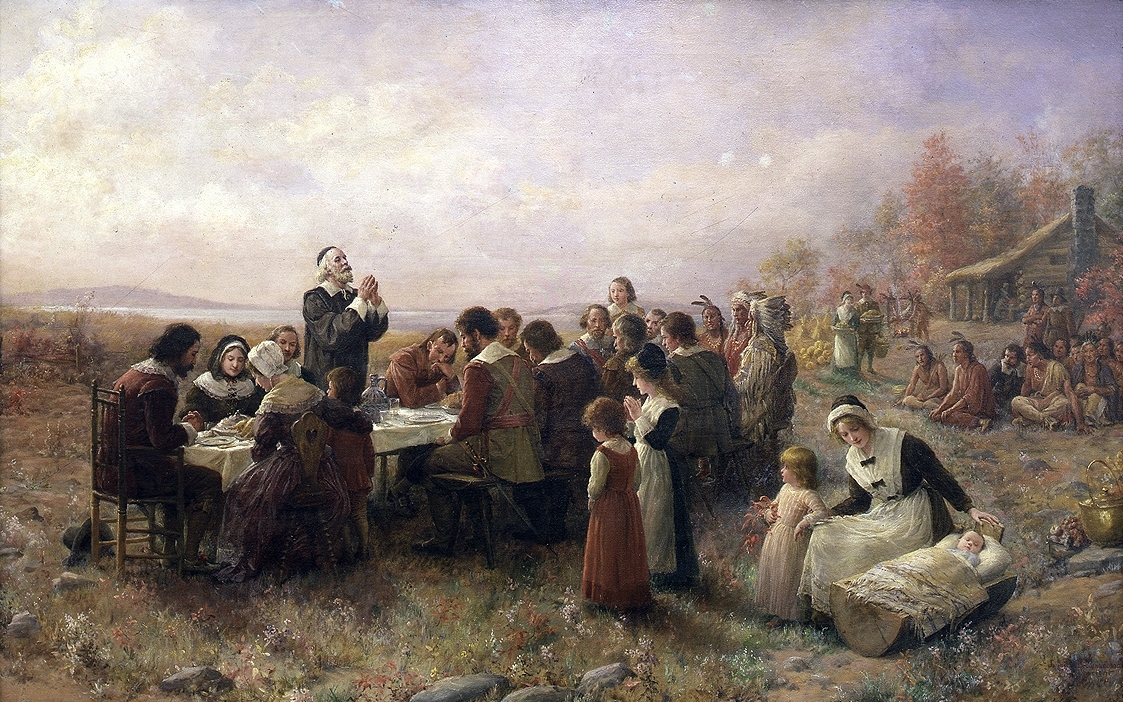 🇺🇸 Washington, United StatesThanksgiving
An annual American holiday of gratitude, family gatherings and an autumn harvest feastFestival · Dinner
🇺🇸 Washington, United StatesThanksgiving
An annual American holiday of gratitude, family gatherings and an autumn harvest feastFestival · Dinner
 🇳🇬 NigeriaIgbo New Yam FestivalIri ji
A harvest thanksgiving and feast marking the first yam crop among the Igbo of NigeriaSeasonal · Feasts and festival meals
🇳🇬 NigeriaIgbo New Yam FestivalIri ji
A harvest thanksgiving and feast marking the first yam crop among the Igbo of NigeriaSeasonal · Feasts and festival meals