Festivals and celebrationsSub-Saharan Africa
Zengani
An annual October gathering of Tumbuka and Ngoni communities in eastern Zambia to celebrate unity through traditional da
Zengani is an annual cultural festival held in October by the Tumbuka people and Tumbuka-speaking Ngoni communities in Zambia’s Eastern Province. It takes place in Lundazi, Chasefu, and Lumezi districts. The event brings these groups together to strengthen social bonds through shared dance and song.
When is Zengani kept?
Zengani is kept every year in October.
Zengani serves as a vital annual gathering for the Tumbuka and Ngoni peoples in eastern Zambia. Held each October, this ceremony reinforces community ties and cultural identity. Participants engage in traditional dances and songs that have united these groups for generations. Local chiefs and national leaders often attend, highlighting the event's importance in both social cohesion and civic matters.
Origins and meaning
The practice began in 1898 within the territory now known as Zambia. The term Zengani comes from the Chitumbuka language and means solidify. This word choice reflects the core purpose of the festival: to cement relationships between different tribal groups. Over time, it has become a primary vehicle for maintaining unity between the Tumbuka and Ngoni populations. The event acts as a bridge, allowing distinct communities to share a single cultural space and reinforce their collective identity.
Dance and performance
Central to the celebration are traditional dance forms passed down through generations. Performers showcase styles such as ingoma, Vimbuza, Mganda, chiwoda, and Fwemba. These movements are accompanied by songs sung in the Chitumbuka language. Academic research notes that these shared rituals help maintain a unified cultural identity. The performances are not merely entertainment but serve as a living record of history and social values for the participating communities.
Leadership and attendance
The ceremony draws significant attention from local and national authorities. Traditional leaders, including various district chiefs, play key roles in organizing and presiding over the events. Their presence underscores the inter-chiefdom significance of the gathering. In recent years, high-profile figures have attended, including government ministers and foreign diplomats. For instance, the Russian Ambassador to Zambia participated in 2018. Such attendance highlights the event's status as a major cultural landmark in the region.
Social impact
Beyond cultural preservation, Zengani addresses contemporary social issues. Leaders use the platform to discuss community challenges and commend efforts toward positive change. In 2018, Chief Mazimawe received recognition for his work against child marriage. This demonstrates how the tradition adapts to modern concerns while maintaining its historical roots. The festival thus functions as both a celebration of heritage and a forum for civic engagement and social reform within the Eastern Province.
How Zengani is kept
Communities gather in Lundazi, Chasefu, and Lumezi districts during October. Chiefs and elders organize the proceedings. Dancers perform traditional routines like ingoma and Vimbuza to music sung in Chitumbuka. Attendees watch, participate, and reinforce social bonds. National officials and international guests may join the celebrations.
When and where
The festival occurs annually in October. The date is fixed within the month, aligning with the traditional calendar of the Tumbuka and Ngoni communities in eastern Zambia.
The main sites are Lundazi, Chasefu, and Lumezi Districts in the Eastern Province of Zambia. These areas form the heartland of the Tumbuka and Ngoni populations who keep the tradition alive.
What Zengani means
The name Zengani translates to solidify, representing the strengthening of ties between the Tumbuka and Ngoni peoples. It symbolizes unity, togetherness, and the preservation of a shared cultural identity. The dances and songs serve as tangible expressions of this bond, ensuring that communal values remain strong across generations.
Questions people ask about Zengani
When is Zengani kept?
Zengani is kept every year in October.
Where is Zengani kept?
Zengani belongs to the traditions of Zambia, and is tied most closely to Lundazi.
Who keeps Zengani?
As our sources describe it, Zengani is kept by Tumbuka people and Tumbuka-speaking Ngoni communities. Many other communities and families now share it too.
See also
 NyauA secret society and masked dance tradition of the Chewa people in Southern Africa.LusonaSand drawings from Angola and Zambia that carry proverbs, fables and animalsGule WamkuluA masked Chewa dance of the Nyau society, danced at funerals and chief installations
Good reading and sources
The facts on this page come from the Wikipedia article "Zengani", written by its contributors and used under the CC BY-SA 4.0 licence, and from its Wikidata record (CC0). EveryParampara rewrote the text in its own words, with AI assistance, and compares every page with the article to make sure no passage is copied. It may be reused under the same CC BY-SA 4.0 licence with a link back.
It may contain mistakes. Traditions differ from one family, village and community to the next, and the people who keep them know them best. If something is wrong, tell us. Last refreshed 2026-10-05.
More from Zambia
All the traditions of Zambia
🇲🇼 Malawi and 3 moreNyau
A secret society and masked dance tradition of the Chewa people in Southern Africa.Spiritual
🇲🇼 Malawi and 2 moreGule Wamkulu
A masked Chewa dance of the Nyau society, danced at funerals and chief installationsPerformance
The same idea elsewhere
All of this kind 🇮🇹 Rome, Italy and 4 moreChristmas
A festival of Jesus's birth, kept on 25 December with gifts, lights and shared mealsFestival
🇮🇹 Rome, Italy and 4 moreChristmas
A festival of Jesus's birth, kept on 25 December with gifts, lights and shared mealsFestival
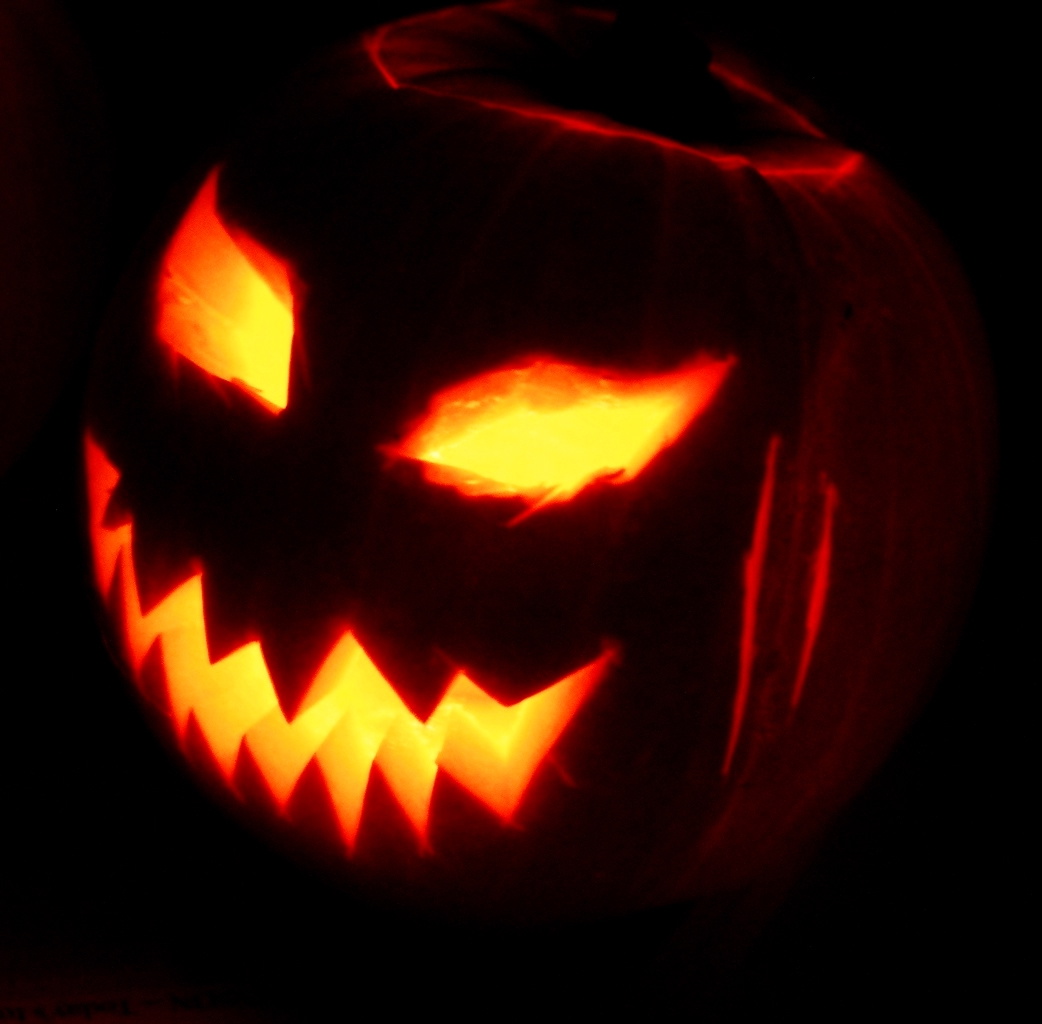 🇮🇪 Ireland and 5 moreHalloween
An annual observance on 31 October marking the eve of All Saints' Day, rooted in Christian tradition and Celtic heritageFestival · Sweets given and shared
🇮🇪 Ireland and 5 moreHalloween
An annual observance on 31 October marking the eve of All Saints' Day, rooted in Christian tradition and Celtic heritageFestival · Sweets given and shared
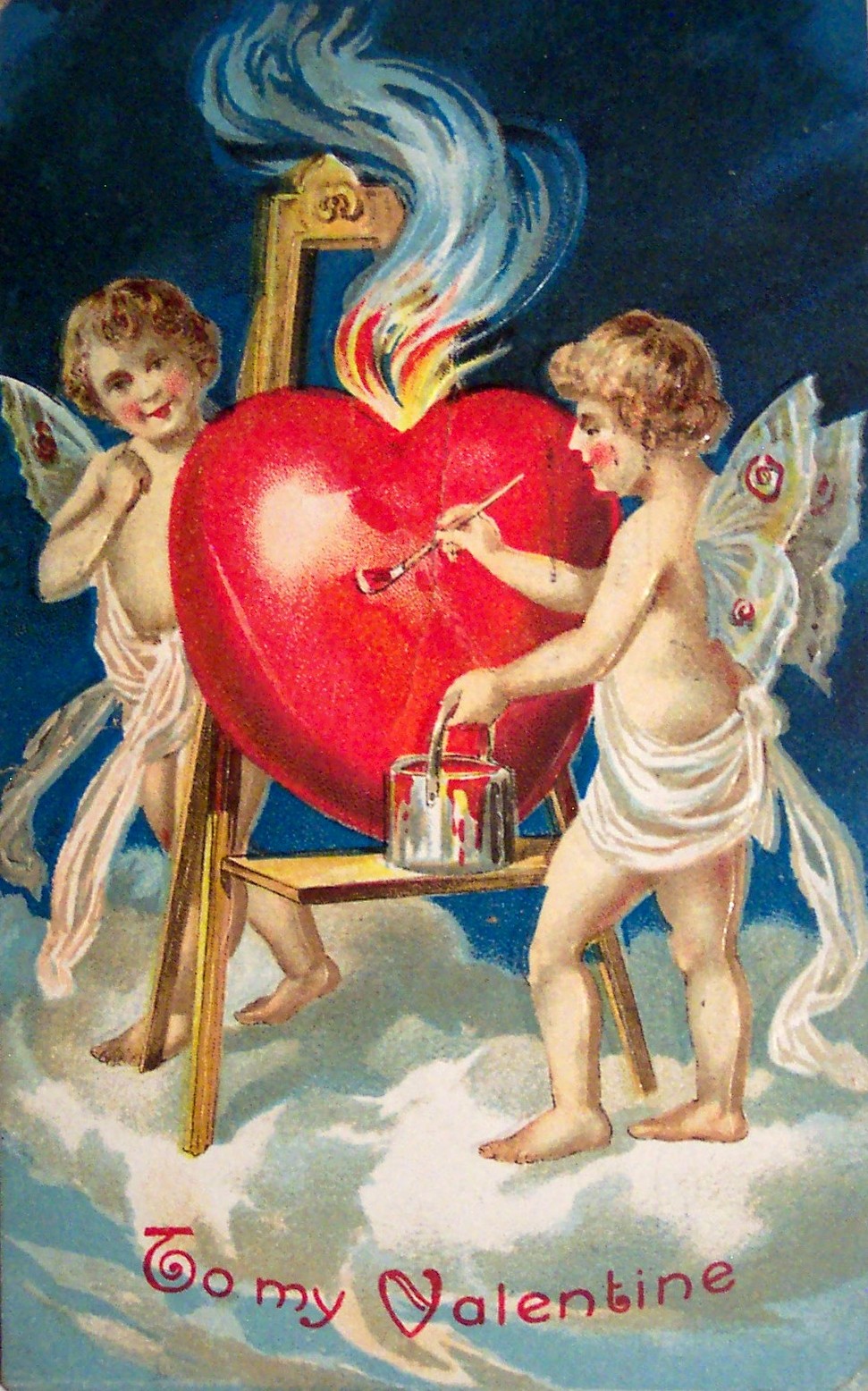 🇬🇧 United Kingdom and 4 moreValentine's Day
A Christian feast day and cultural celebration of love kept on February 14 in many countries.Festival
🇬🇧 United Kingdom and 4 moreValentine's Day
A Christian feast day and cultural celebration of love kept on February 14 in many countries.Festival
 🇹🇷 Turkey and 5 moreEid al-Fitrعيد الفطر
The feast that ends Ramadan, opened with morning prayers, sweets and visits homeFestival · Feasts and festival meals
🇹🇷 Turkey and 5 moreEid al-Fitrعيد الفطر
The feast that ends Ramadan, opened with morning prayers, sweets and visits homeFestival · Feasts and festival meals