Crafts and makingCentral Asia and the Caucasus
Ala kiyiz
In its own language: ала кийиз
Patterned felt carpets pressed by hand for the tents of Central Asian herders

Ala kiyiz is a felt carpet made by hand among the nomadic Kazakh, Kyrgyz and Mongolian herders of Central Asia, used in yurts and gers. Local autumn-sheared wool is matted with water, soap and long rolling, then patterned with motifs that carry blessings. In 2012 UNESCO listed Kyrgyz ala-kiyiz and shyrdak as heritage needing urgent protection.
Ala kiyiz is a way of making and decorating felt, the thick cloth that comes from pressed wool. Kyrgyz herders call it ала кийиз; Kazakhs use the name tekemet. Nomadic families in Central Asia spread these patterned carpets over the floors and walls of their yurts and gers, both to keep out cold and to make the tent beautiful. The wool is worked by hand, without spinning or weaving.
What it is
Ala kiyiz belongs to a group of felt coverings. Felt is neither spun nor woven: loose wool fibres are pressed and matted until they lock into a thick cloth. This group of ornamented felts is the most widespread way of decorating such cloth, alongside shyrdak. A carpet of this kind may lie on the floor of a tent or hang against its wall. The covering does two jobs at once, keeping the inside warm and giving the home its pattern and colour. Kazakh speakers say tekemet; Kyrgyz speakers say ала кийиз. The design is pressed into the wool rather than stitched on afterwards.
Origins and history
Felt making in Eurasia reaches back to the close of the Bronze Age, when herding sheep, goats and horses was already the work of nomadic farmers in the region. By the early Iron Age those communities had a way of life of their own: portable tents covered in felt, horses with harness, weapons, clothing, and objects of felt, hide and wood. Burial mounds in the Altai Mountains, in eastern Kazakhstan and in Mongolia have given up such goods, among them felt carpets worked with mosaic, applique and quilting. Those pieces show close attention to design and a high level of skill. Patterned felt in Central Asia is described as more than two and a half thousand years old.
How it is made
The work starts with sheep being shorn. Fleeces are washed, sorted for quality and colour, and dyed. The loose wool is spread on a sedge mat called a chij or chiy and whipped with a stick for hours until it turns fluffy. The maker sets out the pattern and builds up a wool mat that can be several inches thick. Hot water and soap go on, and the wool is tapped by hand and rolled inside the mat, which is tied and carried outside. There it is rolled, kicked and trodden for several hours. Sometimes a horse tows the rolled mat, and the heat and movement mesh the wool. The felt is unwound and left to dry, and usually nothing is stitched afterwards.
Patterns and meaning
The patterns come from tipping coloured wool into a single-colour ground, most often grey, brown or black. Motifs are geometric, plant-like or drawn from animals, and they carry the good wishes of the maker: a blessing for a daughter who is marrying, or for children and grandchildren. The oldest shapes are ovals and diamonds, known as tabak oyuu, along with straight, zigzag and wavy lines. Animal forms include the horn (muyuz), the broken horn (syngan muyuz), the crow's claw (karga tyrmak) and the dog's tail (it kuiruk). These stand for prosperity and wealth, and are treated as protection. One master, the Ormokchu, settles what message the ornaments will tell, draws the outlines and oversees the work.
Today and recognition
In 2012 UNESCO added two Kyrgyz traditions, ala-kiyiz and shyrdak, to its list of intangible cultural heritage in need of urgent safeguarding. That entry points to the fragility of a craft that depends on herders, wool and open ground. Felt carpets are still part of tents and homes in the region, and worn pieces are not thrown away: an old rug can serve as the underside of a newly made one. The knowledge passes down through families, and one master directs the pattern. Because the work is done by hand and takes hours of rolling and treading, the number of people who can make it is a worry.
How Ala kiyiz is kept
Herders shear the sheep, and the fleeces are washed, sorted and dyed. The loose wool goes onto a sedge mat, where it is whipped until fluffy; then the pattern is laid out and the mat built up. Water and soap are worked in, and the wool is rolled up inside the mat and taken outdoors. There a group rolls, kicks and treads it for hours, or a horse tows the rolled mat. The felt is unwound and dried. A master known as the Ormokchu decides the message the ornaments will tell and oversees the making.
When and where
There is no fixed date for making ala kiyiz. The work follows the year of the herds: the wool comes from the autumn shearing, and the long rolling and treading happen outdoors, so it is done in fine weather. The UNESCO recognition came in 2012.
Felt carpets of this kind are kept across Central Asia, in the tents of Kazakh, Kyrgyz and Mongolian herders. The mountains of the Tien Shan and the grassland around them are the heartland. Old examples have come from burial mounds in eastern Kazakhstan and in Mongolia.
What Ala kiyiz means
The motifs are not only decoration. Their makers use them to speak: a diamond, a horn or a claw carries a wish for the person who will receive the carpet, often a daughter about to marry or a grandchild. Animal shapes such as the horn and the crow's claw are held to bring prosperity and to guard the household, so the covering of a tent is also a kind of blessing pressed into wool.

Questions people ask about Ala kiyiz
What is ala kiyiz?
It is an ornamented felt covering, used as a floor or wall carpet. Wool is matted with water and soap, and coloured patterns are pressed into it. The Kyrgyz name is ала кийиз, while Kazakh speakers call the same kind of covering tekemet.
Who makes it, and where does it come from?
It belongs to the nomadic Kazakh, Kyrgyz and Mongolian herders of Central Asia. Felt making in that region goes back to the end of the Bronze Age, and patterned felt carpets there are described as more than two and a half thousand years old.
When did UNESCO recognise it?
In 2012. The entry covers two Kyrgyz felt traditions, ala-kiyiz and shyrdak, and places them among intangible cultural heritage in need of urgent protection. The listing concerns knowledge that is passed on by hand.
Is the felt woven?
No. Felt is made without spinning or weaving. Loose wool fibres are laid out, wet with hot water and soap, then rolled, kicked and trodden until they lock into a thick cloth. Coloured patterns are pressed in, not stitched on afterwards.
What happens to an old carpet?
It is not discarded. A worn-out rug can be reused as the underside of a newly made one. That way the old felt still does its work in the tent, and the wool is not wasted.
See also
 ShyrdakA hand-stitched felt rug of contrasting colour, made by Kyrgyz and Kazakh families
 OvooA stone cairn on a peak or pass, circled by travellers and honoured in sky worship
 BatokIndigenous Filipino tattooing, once worn as dress, rank and a rite of passage
 Brigid's crossA cross of woven rushes or straw, made for Saint Brigid's Day on the first of February
Good reading and sources
- Ala-kiyiz and Shyrdak, art of Kyrgyz traditional felt carpetsUNESCO, Heritage listing
- Ala-kiyiz and Shyrdak, art of Kyrgyz traditional felt carpetsUNESCO, Article
- Ala kiyiz on WikipediaEncyclopedia
- More photos on Wikimedia CommonsPhotos and video
- Wikidata recordOpen data
The facts on this page come from the Wikipedia article "Ala kiyiz", written by its contributors and used under the CC BY-SA 4.0 licence, and from its Wikidata record (CC0). EveryParampara rewrote the text in its own words, with AI assistance, and compares every page with the article to make sure no passage is copied. It may be reused under the same CC BY-SA 4.0 licence with a link back.
It may contain mistakes. Traditions differ from one family, village and community to the next, and the people who keep them know them best. If something is wrong, tell us. Last refreshed 2026-10-05.
More from Kyrgyzstan
All the traditions of Kyrgyzstan
🇰🇬 Kyrgyzstan and 1 moreShyrdakшырдак (Kyrgyz); сырмақ (Kazakh)
A hand-stitched felt rug of contrasting colour, made by Kyrgyz and Kazakh familiesCraft
 🇰🇬 Kyrgyzstan and 1 moreTush kyizтуш кийиз
An embroidered wall hanging made for a child's wedding in Kyrgyz and Kazakh homesCraft
🇰🇬 Kyrgyzstan and 1 moreTush kyizтуш кийиз
An embroidered wall hanging made for a child's wedding in Kyrgyz and Kazakh homesCraft
 🇲🇳 Ölgii, Mongolia and 3 moreHunting with eagles
The Central Asian tradition of hunting foxes and hares from horseback with golden eagles.Game
🇰🇿 Kazakhstan and 3 moreAitysh
Two improvising akyns trade rhymed sung verse in a contest on dombra and komuzPerformance
🇲🇳 Ölgii, Mongolia and 3 moreHunting with eagles
The Central Asian tradition of hunting foxes and hares from horseback with golden eagles.Game
🇰🇿 Kazakhstan and 3 moreAitysh
Two improvising akyns trade rhymed sung verse in a contest on dombra and komuzPerformance
The same idea elsewhere
Healing, luck and protection compared 🇩🇪 Germany and 5 moreChristmas tree
A decorated evergreen or artificial tree placed indoors to mark the Christmas season.Festival
🇩🇪 Germany and 5 moreChristmas tree
A decorated evergreen or artificial tree placed indoors to mark the Christmas season.Festival
 🇫🇷 France and 5 moreCandlemas
A Christian feast of candle blessings marking the end of the Christmas seasonSpiritual
🇫🇷 France and 5 moreCandlemas
A Christian feast of candle blessings marking the end of the Christmas seasonSpiritual
 🇺🇸 United States and 4 moreFriday the 13th
A Western folk superstition regarding the unluckiness of a Friday falling on the 13th.Folklore
🇺🇸 United States and 4 moreFriday the 13th
A Western folk superstition regarding the unluckiness of a Friday falling on the 13th.Folklore
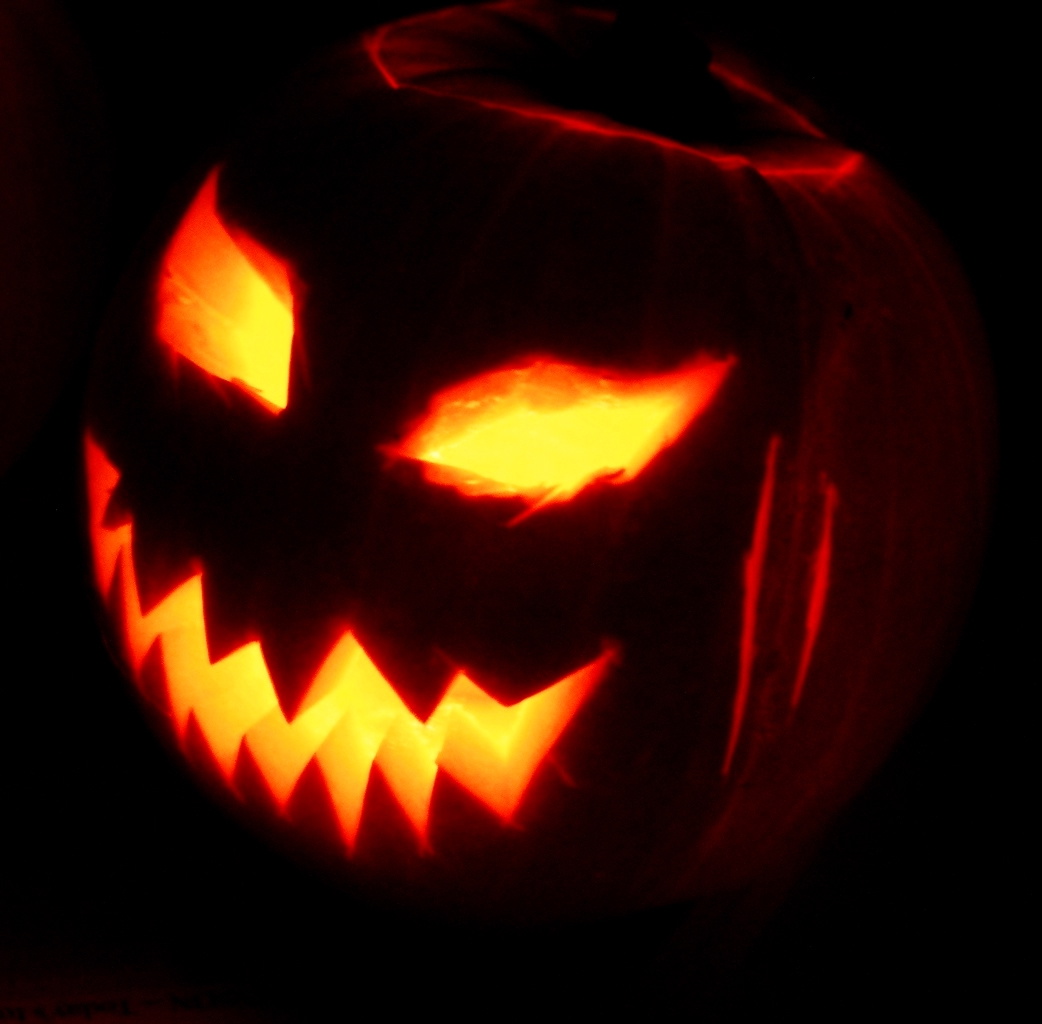 🇮🇪 Ireland and 2 moreJack-o'-lantern
A carved pumpkin lantern lit with a candle to brighten and protect Halloween nightsFolklore
🇮🇪 Ireland and 2 moreJack-o'-lantern
A carved pumpkin lantern lit with a candle to brighten and protect Halloween nightsFolklore