Folklore and beliefEuropeChristianPagan and ancient
Jack-o'-lantern
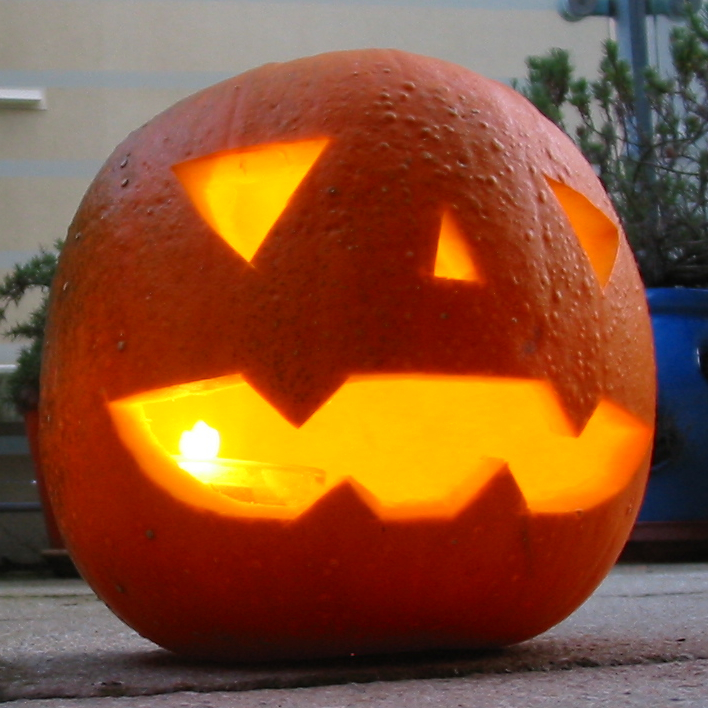
A carved pumpkin lantern lit with a candle to brighten and protect Halloween nights

A jack-o'-lantern is a carved pumpkin or root vegetable lit from inside by a candle, prepared around Halloween. Originating in Ireland and Britain as hollowed turnips to ward off spirits, the custom spread to North America where bright orange pumpkins became the classic medium for expressive faces.
When is Jack-o'-lantern marked?
Jack-o'-lantern is kept as part of Halloween in North America, which is on Saturday, 31 October 2026.
A jack-o'-lantern is a hollowed vegetable, most commonly a pumpkin, carved with a glowing face and lit by an interior candle. Kept as a central custom of Halloween, the practice stems from older folk customs across Ireland and Britain. People originally carved turnips and mangelwurzels to ward off wandering spirits during autumn nights, a practice that later blossomed into a seasonal artistic craft in North America.
British and Irish origins
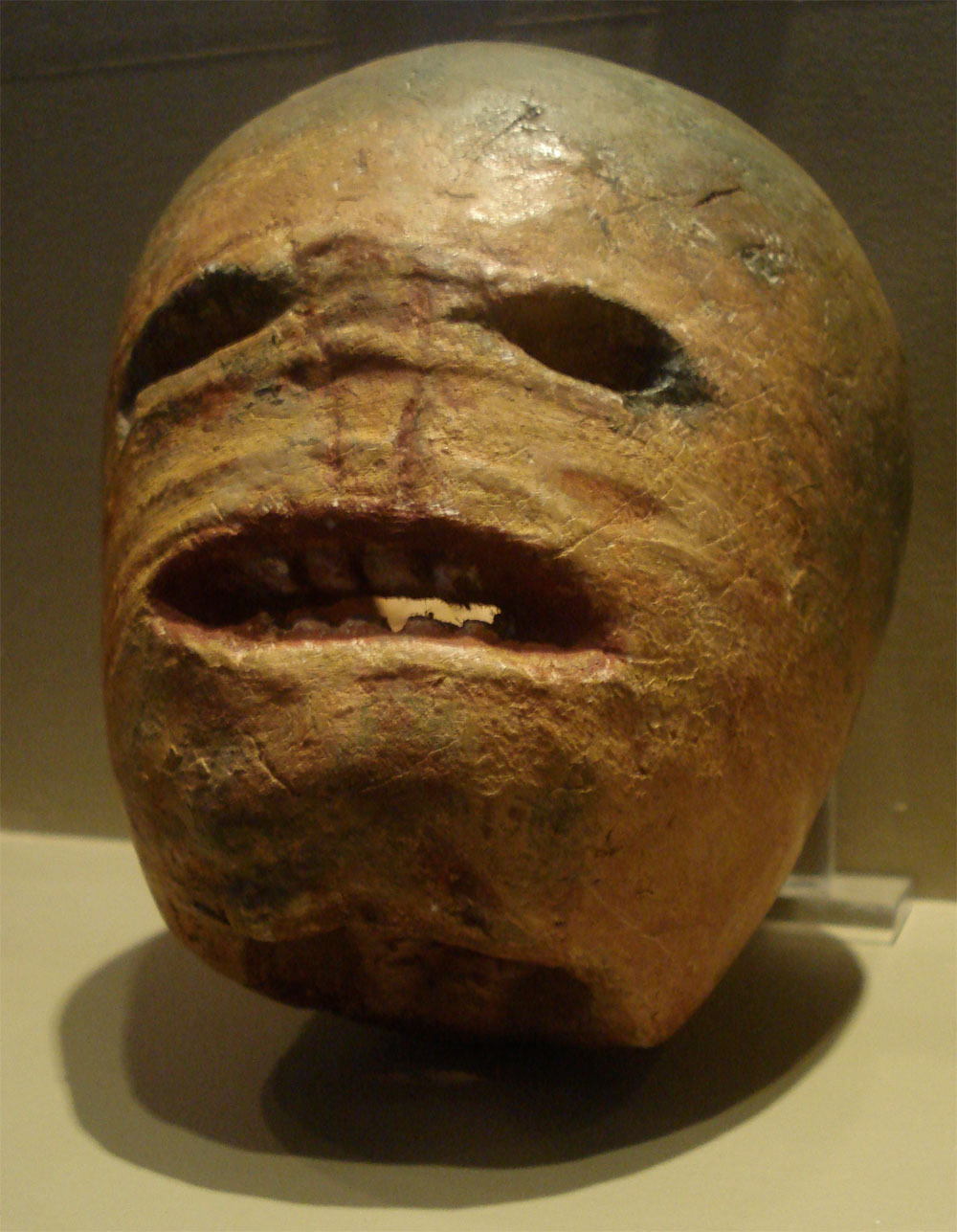
Before pumpkins became standard, communities in Ireland, Scotland, Wales, and England carved root crops such as turnips, rutabagas, and mangelwurzels. These illuminated vegetables were made around the autumn transition, known as Samhain in Gaelic areas or Calan Gaeaf in Wales. People believed supernatural beings walked the countryside during these spirit nights. Placing a glowing, grotesque face on a windowsill or carrying it outdoors served either to frighten passersby or to shield homes from wandering ghosts and malevolent entities. Some historians also suggest the lanterns came to represent Christian souls held in purgatory during the Allhallowtide period.
Legend of Stingy Jack
The popular name draws partly from Irish folklore about a deceitful blacksmith named Stingy Jack. According to the tale, Jack repeatedly tricked the Devil, once trapping him atop an apple tree with crosses and another time confining him as a silver coin inside a wallet. When Jack eventually died, his wicked deeds barred him from Heaven, while the Devil refused him entry into Hell. Cast out into perpetual darkness, Jack received only a glowing ember of coal to light his way. He placed the coal inside a carved turnip, condemned to wander the Earth endlessly as Jack of the Lantern.
Spread to North America
Immigrants from Celtic regions carried the carving tradition across the Atlantic in the nineteenth century. In Canada and the United States, settlers encountered indigenous pumpkins, which were softer, larger, and far easier to hollow than stubborn turnips. Carved pumpkins initially featured in broader harvest festivities and Thanksgiving games before solidifying their link with Halloween by the late nineteenth century. Connecticut field pumpkins emerged as the preferred variety for carvers. Over time, the craft grew into a community spectacle, inspiring massive seasonal displays and competitive records for thousands of illuminated lanterns gathered in public squares.
The carving craft
Creating a traditional lantern begins by slicing off the vegetable top to create a removable lid. Makers scoop out the seeds and stringy pulp until the inner wall is clean and thin enough to transmit light. Next, carvers cut features into the rind, ranging from menacing snarls to comical grins or intricate scenes. Placing a candle, tealight, or modern electric light inside illuminates the hollow chamber through the carved openings. Once finished, lanterns are arranged on porches, garden steps, and windowsills to welcome visitors or cast a protective glow into the night.
How Jack-o'-lantern is kept
Families and communities prepare jack-o'-lanterns in the days leading up to Halloween. Participants select a sound pumpkin, slice open the crown to form a lid, and thoroughly hollow the interior flesh. Using knives or carving tools, they cut facial expressions or designs into the outer skin. A candle or small light is set inside the hollow base and lit before replacing the lid. The completed lanterns are placed outside front doors, along garden paths, or on windowsills to illuminate the dark evening.
When and where
Jack-o'-lanterns are crafted and displayed in late October, reaching their peak on 31 October for Halloween. In earlier times, the practice was tied directly to the harvest calendar and the eve of All Saints' Day, marking the seasonal shift toward winter.
Carving lanterns is widely practiced across the United States, Canada, Ireland, and the United Kingdom. It began in the rural districts of Britain and Ireland and remains popular in North American neighbourhoods and autumn community gatherings.
What Jack-o'-lantern means
Traditionally, these lanterns represented protective talismans against restless spirits, fairies, and evil forces roaming on spirit nights. The grotesque faces were meant to frighten away harmful entities, including vampires. For Christian observers, the lights were also seen as symbols of souls waiting in purgatory, while the glowing turnip in folk tales represents the wandering soul of Stingy Jack.


Days Jack-o'-lantern is marked
Questions people ask about Jack-o'-lantern
When is Jack-o'-lantern marked?
Jack-o'-lantern is kept as part of Halloween in North America, which is on Saturday, 31 October 2026.
What is a jack-o'-lantern?
A jack-o'-lantern is an illuminated lantern made by hollowing out a pumpkin or root vegetable, carving a face or design into its rind, and placing a candle inside.
Why were vegetables originally carved for Halloween?
In Ireland and Britain, people carved scary faces into turnips or mangelwurzels to frighten people, guide travellers in the dark, and protect households against wandering spirits or mythical creatures on spirit nights.
Where did the name jack-o'-lantern come from?
The name originally referred to marsh lights or will-o'-the-wisps, as well as night watchmen. It is also linked to the Irish folk legend of Stingy Jack, a man cursed to wander with a glowing coal in a turnip.
Why did pumpkins replace turnips in North America?
When immigrants arrived in North America, they adopted local pumpkins, which were abundant, larger, and much easier to hollow out than the tough root vegetables traditionally used in Europe.
See also
 WampumShell beads woven into belts by Indigenous peoples of the Northeastern Woodlands for record-keeping and ceremony.
 ChristmasA festival of Jesus's birth, kept on 25 December with gifts, lights and shared mealsHalloweenAn annual observance on 31 October marking the eve of All Saints' Day, rooted in Christian tradition and Celtic heritage
 Christmas treeA decorated evergreen or artificial tree placed indoors to mark the Christmas season.
Good reading and sources
- Encyclopaedia BritannicaArticle
- BBC NEWS | UK | MagazineBBC, Article
- BBC NEWS | UK | MagazineBBC, Article
- Jack-o'-lantern on WikipediaEncyclopedia
- More photos on Wikimedia CommonsPhotos and video
- Wikidata recordOpen data
The facts on this page come from the Wikipedia article "Jack-o'-lantern", written by its contributors and used under the CC BY-SA 4.0 licence, and from its Wikidata record (CC0). EveryParampara rewrote the text in its own words, with AI assistance, and compares every page with the article to make sure no passage is copied. It may be reused under the same CC BY-SA 4.0 licence with a link back.
It may contain mistakes. Traditions differ from one family, village and community to the next, and the people who keep them know them best. If something is wrong, tell us. Last refreshed 2026-10-05.
More from Ireland
All the traditions of Ireland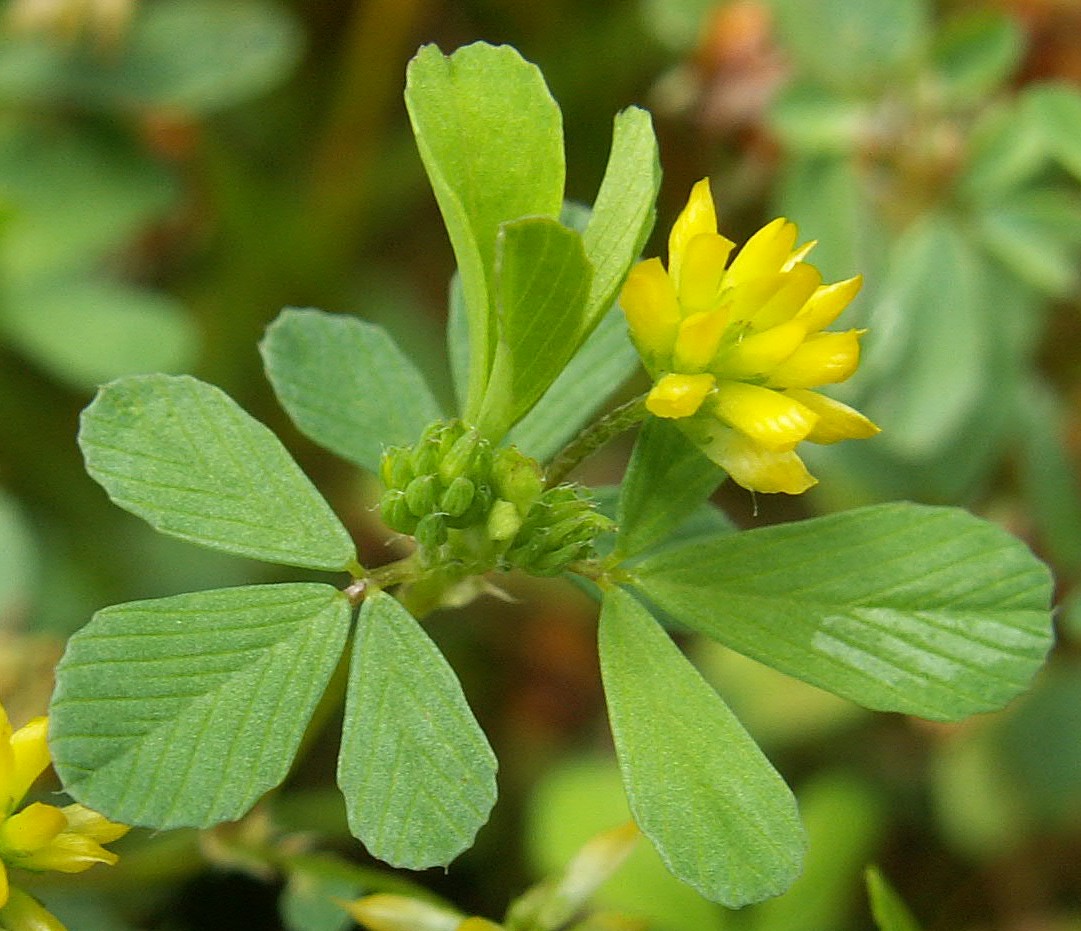 🇮🇪 Dublin, IrelandShamrockseamróg
A small three-leaved clover, worn in Ireland on St Patrick's Day as a national emblemFolklore
🇬🇧 United Kingdom and 4 moreTelling the bees
A Western European custom of informing honeybees about major household events like deaths and weddings.Folklore
🇮🇪 Dublin, IrelandShamrockseamróg
A small three-leaved clover, worn in Ireland on St Patrick's Day as a national emblemFolklore
🇬🇧 United Kingdom and 4 moreTelling the bees
A Western European custom of informing honeybees about major household events like deaths and weddings.Folklore
 🇮🇪 Ireland and 5 moreFairy ring
A natural ring of mushrooms formed by fungal growth, surrounded by folklore across Europe and beyond.Folklore
🇮🇪 Ireland and 5 moreFairy ring
A natural ring of mushrooms formed by fungal growth, surrounded by folklore across Europe and beyond.Folklore
 🇬🇧 United Kingdom and 3 moreSelkieselkie fowk
The seal shapeshifters of Scottish and northern island folkloreFolklore
🇬🇧 United Kingdom and 3 moreSelkieselkie fowk
The seal shapeshifters of Scottish and northern island folkloreFolklore
The same idea elsewhere
Harvest and thanksgiving compared 🇨🇱 ChileNgillatun
A communal Mapuche rite of prayer, sacrifice and dance to maintain cosmic balanceSpiritual
🇨🇳 Beijing, ChinaLaba Festival臘八節
A winter porridge festival marking the start of the Chinese New Year seasonFestival · Feasts and festival meals
🇨🇱 ChileNgillatun
A communal Mapuche rite of prayer, sacrifice and dance to maintain cosmic balanceSpiritual
🇨🇳 Beijing, ChinaLaba Festival臘八節
A winter porridge festival marking the start of the Chinese New Year seasonFestival · Feasts and festival meals
 🇮🇳 India and 1 moreNaraka Chaturdashi
The dawn festival of oil baths, ancestor lamps, and harvest foods during DiwaliFestival · Breakfast
🇮🇳 India and 1 moreNaraka Chaturdashi
The dawn festival of oil baths, ancestor lamps, and harvest foods during DiwaliFestival · Breakfast
 🇬🇭 Cape Coast, GhanaFetu Afahye
A harvest festival of cleansing, boat races and royal durbars in Cape Coast, GhanaFestival · Feasts and festival meals
🇬🇭 Cape Coast, GhanaFetu Afahye
A harvest festival of cleansing, boat races and royal durbars in Cape Coast, GhanaFestival · Feasts and festival meals