Crafts and makingCentral Asia and the Caucasus
Tush kyiz
In its own language: туш кийиз
An embroidered wall hanging made for a child's wedding in Kyrgyz and Kazakh homes

The tush kyiz is a large embroidered wall hanging from Kyrgyzstan and Kazakhstan. Women work on one for years to mark the marriage of a son or daughter, then hang it inside the yurt above the couple's bed.
When is Tush kyiz kept?
Tush kyiz is kept on made for a son's or daughter's wedding, and hung at that marriage.
Among Kyrgyz families a wedding calls for an embroidery that can take years to finish. The tush kyiz is a large hanging of felt covered in stitched flowers, plants and animals, made by a woman of the family for a son or daughter who is marrying. It goes up in the yurt above the couple's bed, where it stands for the household's pride in Kyrgyz ways.
What it is
The name is Kyrgyz. One word means the side or the edge, the other means felt. What it describes is textile art meant to be looked at on a wall, never walked on. The stitching is dense, the colours are many, and the size is generous. Kyrgyzstan is its main home, and it is also made in Kazakhstan, where the name is тұс киіз. It belongs inside the yurt and is not a floor covering. In a Kyrgyz household you would usually find it hung in the place of honour, over the bed of a married couple.
A wedding in mind
A marriage in the family is what prompts the work. The hanging is made for a son or a daughter who is about to wed, and it remembers that marriage afterwards. The maker is a woman, usually someone close to the couple. She may spend years over it, one stitch at a time, and when the last is in place she sometimes signs the piece and dates it. That signature turns the hanging into a record of a name and a year. The work then goes to the couple's yurt, where it hangs above their bed.
Patterns and symbols
The motifs come from the world the maker knows. Flowers and plants appear, and animals, and horns drawn in a stylised way. Alongside them are patterns that carry a national feeling, the sort of emblem that marks a piece as Kyrgyz. Colour matters as much as shape. In choosing motifs and a palette, the maker describes Kyrgyz tradition and life in the countryside as she sees it, and she does so in thread. Two hangings are never quite alike, because the choices belong to her and to the place she comes from.
Kept in the family
A tush kyiz is not made to be sold. It stays with the household that made it and is passed on, which is the clearest difference between it and the felt rugs called shyrdak. Shyrdak have always been made for sale to the public, and that trade keeps them going. The embroidered hanging follows another path. Because it remains in one family, it holds the story of one household, and people describe it as joining a new couple to their families, to the region they come from, and to Kyrgyz tradition at large.
Fewer makers today
Over the past two generations the making of tush kyiz has narrowed. It is largely a practice of women in the countryside now, and a town household may own an old hanging without anyone at home who could make a new one. Felt rugs keep being produced because buyers exist for them, while an embroidered hanging is called into being by a marriage in the family. Whether the practice continues rests on those women, and on families who still want a piece stitched for them alone.
How Tush kyiz is kept
A woman of the family, often the mother of the bride or groom, decides to make a tush kyiz. She gathers felt and thread and plans the motifs. The embroidery is worked over months or years and is finished for the wedding, or after it. Once complete, the maker may sign it and add a date. The hanging is then given its place inside the yurt, above the bed of the married couple, where relatives and guests see it. It stays with the family and passes to the next generation instead of leaving the household.
When and where
There is no fixed date. A tush kyiz belongs to a marriage, so the work is begun when a son or daughter is to be wed, and it can be finished years later. Nothing in the sources ties it to a season, a month or a festival day. The date that matters is the one some makers stitch onto the completed hanging.
The hanging belongs to Kyrgyzstan and Kazakhstan, with Kyrgyzstan as its main home. It is a Kyrgyz family tradition above all, and the sources place it among Kyrgyz people rather than naming particular towns or villages. Kazakhs call it тұс киіз. Today the making is strongest among women in the countryside, so it is rural households, not city workshops, that carry it on.
What Tush kyiz means
A tush kyiz says several things at once. It announces a marriage and honours the couple. It shows pride in being Kyrgyz, and it speaks for the region and the family the maker comes from. Flowers, animals, horns and emblems are chosen to carry that meaning, and the colours are part of it. Because the hanging is kept rather than sold, it also stands for continuity: one object serves a wedding and then stays as a reminder for the children who come after.
Questions people ask about Tush kyiz
When is Tush kyiz kept?
Tush kyiz is kept on made for a son's or daughter's wedding, and hung at that marriage.
What is a tush kyiz?
It is a large embroidered wall hanging. Kyrgyz and Kazakh women make it to mark the marriage of a son or daughter, and it is hung inside the yurt above the couple's bed. The stitching may take years, and some makers sign and date the finished piece.
Where is it kept?
Kyrgyzstan is its main home, and it is also made in Kazakhstan, where it is known as тұс киіз. The sources describe it as a Kyrgyz family tradition, and in recent generations it has been kept mostly by women in rural areas.
How does it differ from a shyrdak?
A shyrdak is a felt rug made to be sold, so the market keeps that craft alive. A tush kyiz is made for one family and stays there as an heirloom. That is why the two crafts have followed different paths.
What do the patterns mean?
Flowers, plants and animals are common, as are horns drawn in a stylised way and emblems that read as Kyrgyz. The maker chooses them to speak of Kyrgyz tradition and rural life.
See also
 PhulkariGeometric and floral threadwork embroidered by Punjabi women on handwoven cotton.
 IkatA resist-dyeing craft from Southeast Asia, where yarns are tied and dyed before weaving
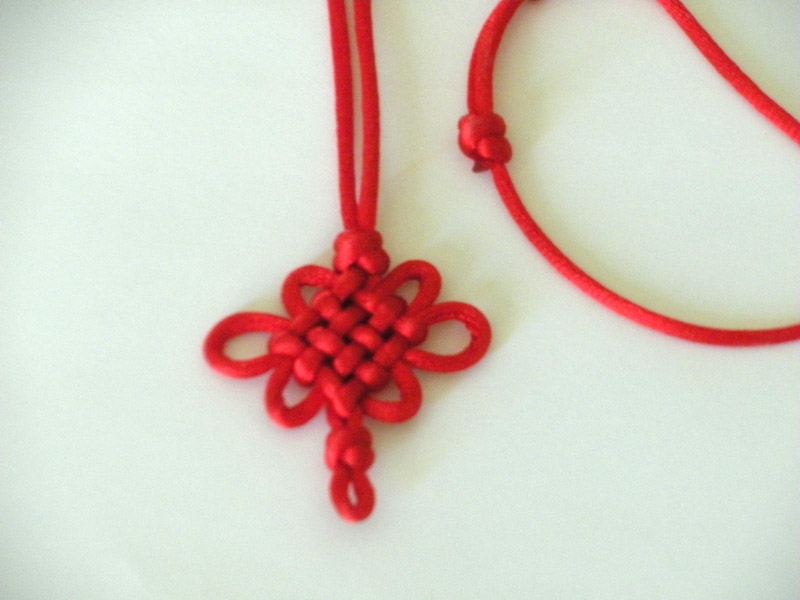 Chinese knottingA folk craft of cord tied into lucky shapes, made in China and given as charms
 TivaevaeA traditional Polynesian art of artistic quilting made by women for gifts and ceremonies.
Good reading and sources
The facts on this page come from the Wikipedia article "Tush kyiz", written by its contributors and used under the CC BY-SA 4.0 licence, and from its Wikidata record (CC0). EveryParampara rewrote the text in its own words, with AI assistance, and compares every page with the article to make sure no passage is copied. It may be reused under the same CC BY-SA 4.0 licence with a link back.
It may contain mistakes. Traditions differ from one family, village and community to the next, and the people who keep them know them best. If something is wrong, tell us. Last refreshed 2026-10-05.
More from Kyrgyzstan
All the traditions of Kyrgyzstan 🇰🇬 Kyrgyzstan and 2 moreAla kiyizала кийиз
Patterned felt carpets pressed by hand for the tents of Central Asian herdersCraft
🇰🇬 Kyrgyzstan and 2 moreAla kiyizала кийиз
Patterned felt carpets pressed by hand for the tents of Central Asian herdersCraft
 🇰🇬 Kyrgyzstan and 1 moreShyrdakшырдак (Kyrgyz); сырмақ (Kazakh)
A hand-stitched felt rug of contrasting colour, made by Kyrgyz and Kazakh familiesCraft
🇰🇿 Kazakhstan and 3 moreAitysh
Two improvising akyns trade rhymed sung verse in a contest on dombra and komuzPerformance
🇰🇬 Kyrgyzstan and 1 moreShyrdakшырдак (Kyrgyz); сырмақ (Kazakh)
A hand-stitched felt rug of contrasting colour, made by Kyrgyz and Kazakh familiesCraft
🇰🇿 Kazakhstan and 3 moreAitysh
Two improvising akyns trade rhymed sung verse in a contest on dombra and komuzPerformance
 🇲🇳 Ölgii, Mongolia and 3 moreHunting with eagles
The Central Asian tradition of hunting foxes and hares from horseback with golden eagles.Game
🇲🇳 Ölgii, Mongolia and 3 moreHunting with eagles
The Central Asian tradition of hunting foxes and hares from horseback with golden eagles.Game
The same idea elsewhere
Weddings compared 🇼🇸 Samoa and 1 moreʻIe tōga
Precious woven mats exchanged in Samoan ceremonies to honor family ties and chiefly status.Dress
🇼🇸 Samoa and 1 moreʻIe tōga
Precious woven mats exchanged in Samoan ceremonies to honor family ties and chiefly status.Dress
 🇮🇩 Indonesia and 2 moreKenduri
A communal prayer meal and gathering shared across Indonesia, Malaysia and BruneiSpiritual · Feasts and festival meals
🇮🇩 Indonesia and 2 moreKenduri
A communal prayer meal and gathering shared across Indonesia, Malaysia and BruneiSpiritual · Feasts and festival meals
 🇹🇱 Timor-LesteUma Lulik
Sacred ancestral clan houses and ritual shrines in East TimorSpiritual
🇺🇬 UgandaKwanjula
A formal marriage introduction ritual of the Baganda people in Uganda, where families meet to exchange gifts and seek blRite of passage
🇹🇱 Timor-LesteUma Lulik
Sacred ancestral clan houses and ritual shrines in East TimorSpiritual
🇺🇬 UgandaKwanjula
A formal marriage introduction ritual of the Baganda people in Uganda, where families meet to exchange gifts and seek blRite of passage