Festivals and celebrationsSoutheast AsiaBuddhist
Atar-oh
In its own language: အတာအိုး
A terracotta vessel prepared for the Myanmar New Year to welcome celestial blessings and purify the home.

The Atar-oh is a ritual pot kept by the people of Myanmar during the Thingyan festival. Families fill it with water and specific flowers to honor Thagyamin and seek prosperity for the coming year. The tradition dates back to ancient periods in Bagan.
When is Atar-oh marked?
Atar-oh is kept as part of Thingyan, which runs from 13 to 16 April 2027.
Families in Myanmar prepare the Atar-oh to mark the transition into the new solar year. This terracotta vessel holds water and sacred plants to invite good fortune. The practice connects households to ancient traditions from the Bagan era.
Origins and meaning
The word Thingyan comes from Pali terms describing a shift or change. It marks the sun moving from Pisces to Aries. The prefix Atar means end, so the event signals the close of one cycle and the start of another. This custom began around the first century AD in Tagaung. It became widely known later during the Bagan period. People use the pot to honor Thagyamin, the ruler of celestial beings.
Preparing the vessel
Households assemble the pot before the eve day of the festival. They place fresh water inside until it overflows, representing wealth and safety. Seven distinct plant types go into the container. Each type matches a day of the week. This ensures that every family member receives a blessing based on their birth day. Common items include coconut palm leaves, jasmine, henna, and guava leaves.
Ritual practices
When the new year officially begins, families pour out the water from the pot. They then place the sprigs near the roof edges or garden boundaries. This step removes bad luck from the previous twelve months. On the first full day, the pot often becomes a Paritta-oh. Monks recite protective verses over the liquid. Residents then sprinkle this blessed water around their living spaces to ensure peace.
How Atar-oh is kept
People gather terracotta pots and fill them with clean water. They add seven different flower types or leaf sprigs to match each day of the week. Before the main festival days, they position the pot carefully. When the new year starts, they empty the water outside. They hang the remaining sprigs on house eaves. Later, monks bless the water again, and residents splash it indoors for protection.
When and where
It occurs during the Thingyan festival window. This usually falls between April 13 and April 17. The timing aligns with the sun's astrological movement into Aries.
This custom belongs to Myanmar. It has deep roots in the ancient city of Bagan. Families across the country maintain the practice today.
What Atar-oh means
The overflowing water stands for abundance and financial success. The act of pouring it away clears away past misfortunes. Placing sprigs on the home invites safety and social harmony. The entire process honors celestial authority and seeks a peaceful start to the new solar cycle.
Days Atar-oh is marked
Questions people ask about Atar-oh
When is Atar-oh marked?
Atar-oh is kept as part of Thingyan, which runs from 13 to 16 April 2027.
What is the Atar-oh?
It is a traditional terracotta pot used in Myanmar during the Thingyan New Year festival. Families fill it with water and specific plants to welcome blessings and purify their homes.
Why do people use seven types of flowers?
Each plant represents a specific day of the week. Including all seven ensures that every household member receives a spiritual blessing according to their birth day.
What happens to the water in the pot?
On the first day of the new year, the water is poured out to wash away bad luck. Later, monks may chant over it, and residents sprinkle the blessed water inside their homes.
See also
 VesakA day to honor the birth, awakening, and passing of the Buddha, kept by Buddhists across Asia.
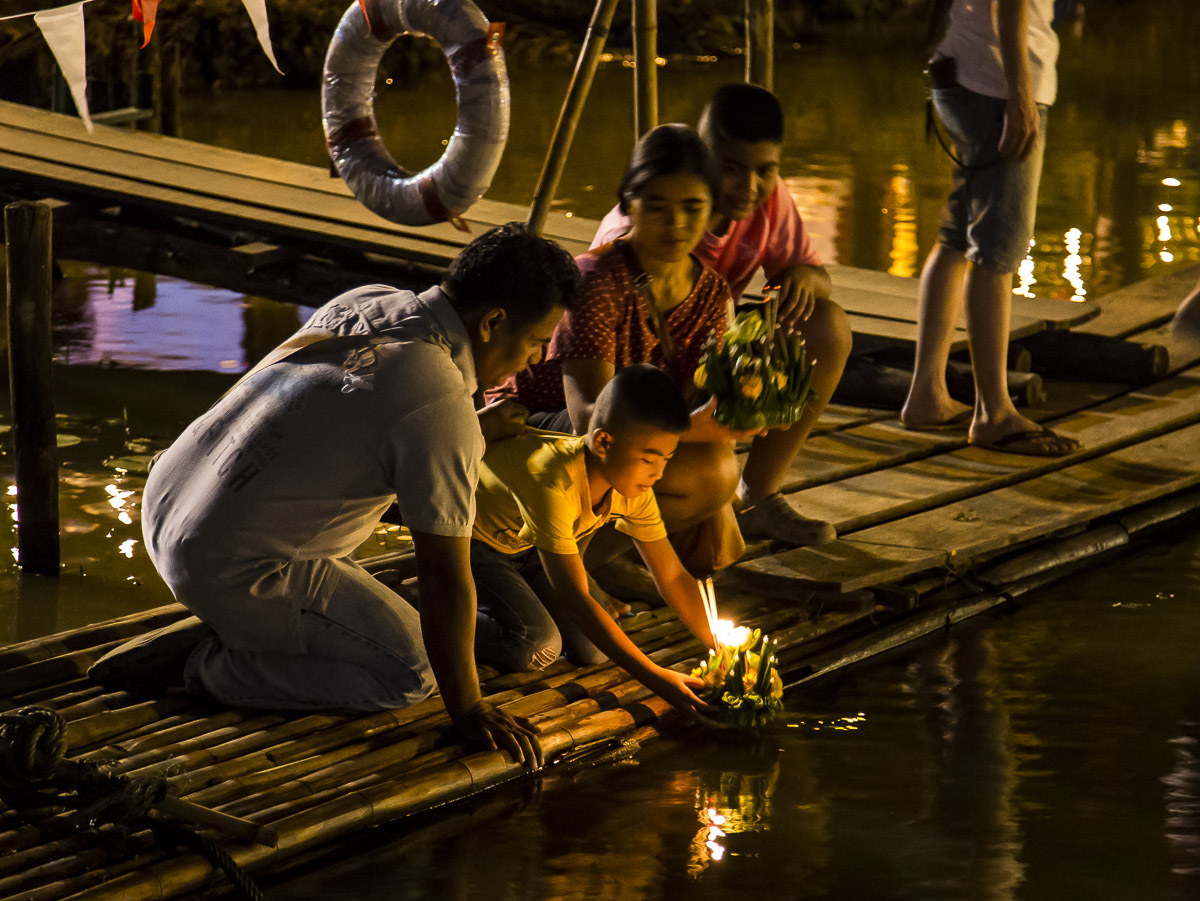 Loy KrathongA Thai festival of floating leaf baskets on rivers to honor water and release negativity.
 ThingyanA four-day water festival marking the Myanmar New Year, celebrated in April with merit-making and playful splashing.
 TiharA five-day Nepalese festival honoring animals, deities, and the bond between siblings
Good reading and sources
The facts on this page come from the Wikipedia article "Atar-oh", written by its contributors and used under the CC BY-SA 4.0 licence, and from its Wikidata record (CC0). EveryParampara rewrote the text in its own words, with AI assistance, and compares every page with the article to make sure no passage is copied. It may be reused under the same CC BY-SA 4.0 licence with a link back.
It may contain mistakes. Traditions differ from one family, village and community to the next, and the people who keep them know them best. If something is wrong, tell us. Last refreshed 2026-10-05.
More from Myanmar
All the traditions of Myanmar
🇱🇰 Colombo, Sri Lanka and 5 moreVesakVisakha Bucha (Thailand), Visakha Bouxa (Laos), Full Moon Day of Kason (Myanmar)
A day to honor the birth, awakening, and passing of the Buddha, kept by Buddhists across Asia.Festival
🇹🇭 Chiang Mai, Thailand and 5 moreLoy Krathongลอยกระทง
A Thai festival of floating leaf baskets on rivers to honor water and release negativity.Festival
🇲🇲 Yangon, MyanmarThingyanသင်္ကြန်
A four-day water festival marking the Myanmar New Year, celebrated in April with merit-making and playful splashing.Festival
🇳🇵 Nepal and 2 moreTiharतिहार
A five-day Nepalese festival honoring animals, deities, and the bond between siblingsFestival · Feasts and festival meals
The same idea elsewhere
New Year compared 🇮🇳 Ayodhya, India and 7 moreDiwaliदीपावली (Dīpāvalī)
A five-day festival of lights celebrated across India and its diaspora to mark the victory of light over darkness.Festival · Feasts and festival meals
🇮🇳 Ayodhya, India and 7 moreDiwaliदीपावली (Dīpāvalī)
A five-day festival of lights celebrated across India and its diaspora to mark the victory of light over darkness.Festival · Feasts and festival meals
 🇮🇷 Iran and 7 moreNowruzنوروز
The Iranian new year at the March equinox, kept with fire, greenery and picnicsSeasonal
🇮🇷 Iran and 7 moreNowruzنوروز
The Iranian new year at the March equinox, kept with fire, greenery and picnicsSeasonal
 🇮🇱 Jerusalem, Israel and 1 moreHanukkahחֲנֻכָּה
An eight-day Jewish festival marking the rededication of the Second Temple in Jerusalem and the miracle of a single day'Festival
🇮🇱 Jerusalem, Israel and 1 moreHanukkahחֲנֻכָּה
An eight-day Jewish festival marking the rededication of the Second Temple in Jerusalem and the miracle of a single day'Festival
 🇮🇳 Mathura, India and 5 moreHoliहोली (Hindi)
A spring festival of colours and bonfires that marks the end of winter and the triumph of good over evil.Festival
🇮🇳 Mathura, India and 5 moreHoliहोली (Hindi)
A spring festival of colours and bonfires that marks the end of winter and the triumph of good over evil.Festival