Festivals and celebrationsMiddle EastJewish
Hanukkah
In its own language: חֲנֻכָּה
An eight-day Jewish festival marking the rededication of the Second Temple in Jerusalem and the miracle of a single day'

Hanukkah is a Jewish holiday observed for eight nights starting on the twenty-fifth of Kislev. It commemorates the Maccabean Revolt against the Seleucid Empire and the subsequent rededication of the Second Temple in Jerusalem. Families light a special nine-branched candelabrum each evening, eat fried foods like latkes, and play with spinning tops to celebrate the miracle of the oil that burned longer than expected.
When is Hanukkah in 2026?
Hanukkah 2026 runs from 5 to 12 December 2026. Other years: 2027, 25 December 2027 to 1 January 2028.
Hanukkah is an eight-day Jewish festival that begins on the twenty-fifth of Kislev. It marks the rededication of the Second Temple in Jerusalem after the Maccabees reclaimed it from the Seleucid Empire. The celebration centers on the miracle of a small amount of pure olive oil that burned for eight days instead of one. Families gather to light candles, sing songs, and share traditional foods.
Origins and history
The holiday recalls events from the second century BCE when Jewish forces led by the Maccabees defeated the Seleucid Empire. They regained control of Jerusalem and purified the desecrated Second Temple. Historical accounts in the books of Maccabees describe this re-dedication as a delayed observance of the Feast of Booths. Later rabbinic texts, including the Talmud, focus on the miracle of the oil. After finding only one sealed cruse of pure oil sufficient for one day, the priests found it burned for eight days until new oil could be prepared.
How it is kept
Each night, participants light a hanukkiah, a nine-branched candelabrum. One candle is added each evening, starting with one on the first night and ending with all eight on the final night. A helper candle called the shamash is used to light the others. The lights are placed outside or in a window to publicize the miracle. People also recite specific prayers, sing hymns like Ma'oz Tzur, and read the Hallel psalms during morning services. The Chabad movement has popularized public menorah lighting ceremonies worldwide since the 1970s.
Food and drink
Traditional foods emphasize cooking with oil to remember the miracle. Latkes are potato pancakes fried in oil, while sufganiyot are jelly-filled doughnuts also deep-fried. Dairy dishes are eaten to recall the story of Judith feeding enemy general Holofernes cheese, which made him thirsty so he drank wine and fell asleep. These meals are shared among family and friends throughout the eight nights of the festival.
Games and gifts
Children play with a dreidel, a four-sided spinning top. Each side bears a Hebrew letter that spells out a phrase meaning 'a great miracle happened there.' In some communities, children receive gelt, which is money or chocolate coins, during the festival. This practice became more common in the Western world, particularly among American Jews, partly due to its proximity to the Christmas season. The gift-giving aspect helps integrate the holiday into the broader winter cultural landscape.
How Hanukkah is kept
Families light a hanukkiah each night, adding one candle per evening. They recite blessings, sing songs, and play with a dreidel. Fried foods like latkes and sufganiyot are served. Public menorah lighting events occur in many cities.
When and where
It starts on the twenty-fifth of Kislev and lasts eight days, sometimes ending in Tevet. The date shifts annually on the Gregorian calendar because it follows the lunar Hebrew system.
It is observed globally by Jewish communities. It originated in Jerusalem, Israel, where the Temple stood. Significant celebrations occur in major cities like New York, United States, and across Israel.
What Hanukkah means
The lights symbolize the miracle of the oil and divine intervention. The dreidel represents hidden faith during persecution. Eating oily foods reminds participants of the temple ritual. The holiday emphasizes religious freedom and the triumph of light over darkness.
On the table
- latke
- sufganiyot
- cheese
- potato pancakes
- jelly-filled doughnuts


Hanukkah dates: 2026, 2027
| Year | Hanukkah date |
|---|---|
| 2026 | 5 to 12 December 2026 |
| 2027 | 25 December 2027 to 1 January 2028 |
Questions people ask about Hanukkah
When is Hanukkah in 2026?
Hanukkah 2026 runs from 5 to 12 December 2026. Other years: 2027, 25 December 2027 to 1 January 2028.
What is Hanukkah?
Hanukkah is an eight-day Jewish festival that commemorates the rededication of the Second Temple in Jerusalem. It celebrates the Maccabean Revolt and the miracle of a single day's supply of oil burning for eight days.
Why do people light candles?
Candles are lit to commemorate the miracle of the oil. One additional candle is added each night using a helper candle. This act publicizes the miracle and honors the rededication of the Temple.
What foods are eaten?
Fried foods are traditional, such as latkes and sufganiyot. These remind participants of the oil used in the Temple. Dairy dishes are also common, referencing stories from the Maccabean period.
See also
 ChristmasA festival of Jesus's birth, kept on 25 December with gifts, lights and shared meals
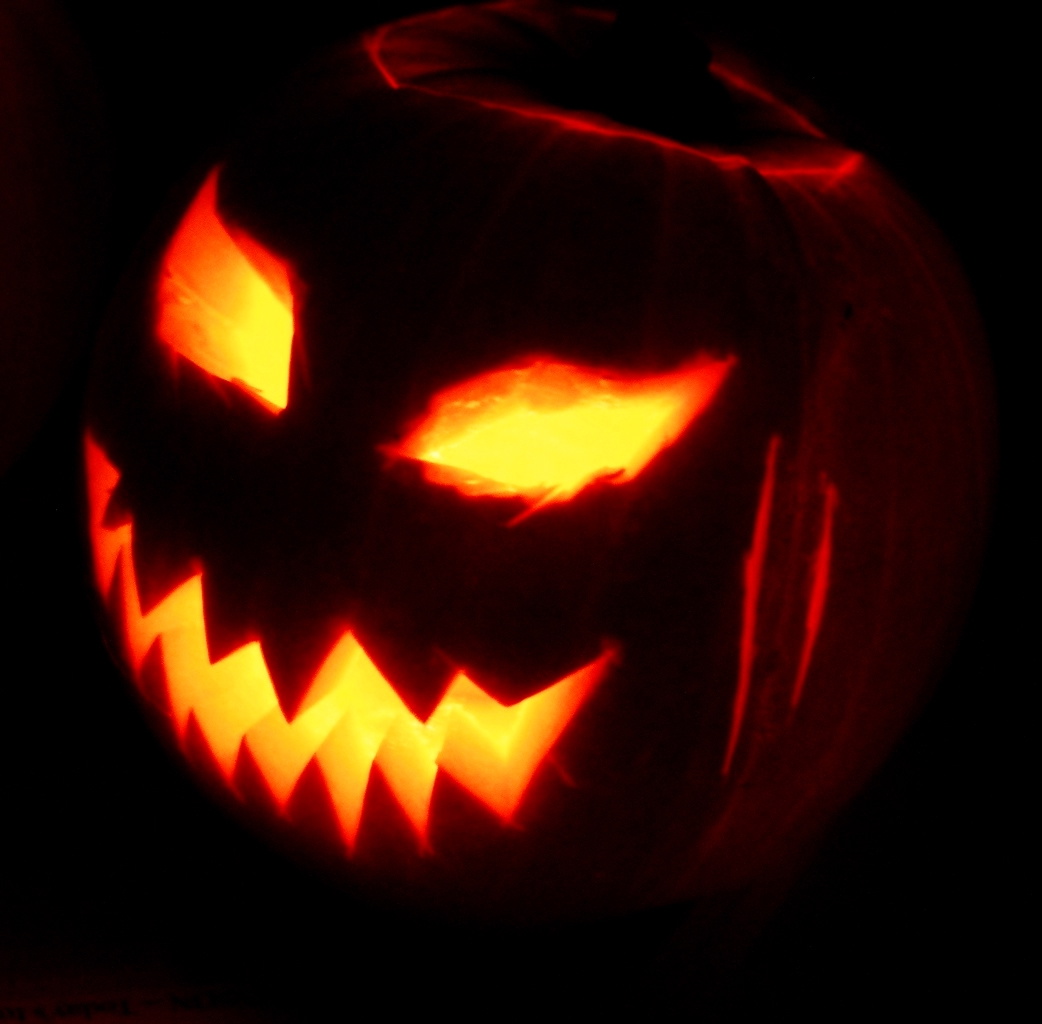 HalloweenAn annual observance on 31 October marking the eve of All Saints' Day, rooted in Christian tradition and Celtic heritage
 Christmas treeA decorated evergreen or artificial tree placed indoors to mark the Christmas season.
 Christmas EveThe evening before Christmas, marked by church services, family meals, and gift preparations across Christian cultures.
Good reading and sources
- Encyclopaedia BritannicaArticle
- Hanukkah 2026: History, Traditions & OriginsHistory.com, Article
- Hanukkah 2026: History, Traditions & OriginsHistory.com, Article
- Hanukkah on WikipediaEncyclopedia
- More photos on Wikimedia CommonsPhotos and video
- Wikidata recordOpen data
The facts on this page come from the Wikipedia article "Hanukkah", written by its contributors and used under the CC BY-SA 4.0 licence, and from its Wikidata record (CC0). EveryParampara rewrote the text in its own words, with AI assistance, and compares every page with the article to make sure no passage is copied. It may be reused under the same CC BY-SA 4.0 licence with a link back.
It may contain mistakes. Traditions differ from one family, village and community to the next, and the people who keep them know them best. If something is wrong, tell us. Last refreshed 2026-10-04.
More from Israel
All the traditions of Israel 🇷🇺 Moscow, Russia and 5 moreImmortal RegimentБессмертный полк (Bessmertnyy polk)
A civic procession where people carry portraits of relatives who served in the Second World War.Festival
🇷🇺 Moscow, Russia and 5 moreImmortal RegimentБессмертный полк (Bessmertnyy polk)
A civic procession where people carry portraits of relatives who served in the Second World War.Festival
 🇷🇺 Moscow, Russia and 5 moreNovy GodНовый Год
A secular winter celebration of decorated trees, family feasts and midnight giftsFestival · Feasts and festival meals
🇷🇺 Moscow, Russia and 5 moreNovy GodНовый Год
A secular winter celebration of decorated trees, family feasts and midnight giftsFestival · Feasts and festival meals
 🇮🇱 Tel Aviv, Israel and 1 moreAdloyadaעדלאידע
A humorous Purim parade in Israel featuring giant puppets and satirical floats.Festival
🇮🇱 Tel Aviv, Israel and 1 moreAdloyadaעדלאידע
A humorous Purim parade in Israel featuring giant puppets and satirical floats.Festival
 🇮🇱 Jerusalem, Israel and 1 moreHoshana Rabbahהוֹשַׁעְנָא רַבָּה
The seventh and final day of Sukkot, marked by seven synagogue processions and night-long study.Festival · Dinner
🇮🇱 Jerusalem, Israel and 1 moreHoshana Rabbahהוֹשַׁעְנָא רַבָּה
The seventh and final day of Sukkot, marked by seven synagogue processions and night-long study.Festival · Dinner
The same idea elsewhere
Remembering the ancestors compared 🇮🇳 Ayodhya, India and 7 moreDiwaliदीपावली (Dīpāvalī)
A five-day festival of lights celebrated across India and its diaspora to mark the victory of light over darkness.Festival · Feasts and festival meals
🇮🇳 Ayodhya, India and 7 moreDiwaliदीपावली (Dīpāvalī)
A five-day festival of lights celebrated across India and its diaspora to mark the victory of light over darkness.Festival · Feasts and festival meals
 🇮🇳 Mathura, India and 5 moreHoliहोली (Hindi)
A spring festival of colours and bonfires that marks the end of winter and the triumph of good over evil.Festival
🇮🇳 Mathura, India and 5 moreHoliहोली (Hindi)
A spring festival of colours and bonfires that marks the end of winter and the triumph of good over evil.Festival
 🇯🇵 JapanKadomatsu門松
A Japanese New Year gateway decoration of pine and bamboo where a visiting deity can restSeasonal
🇯🇵 JapanKadomatsu門松
A Japanese New Year gateway decoration of pine and bamboo where a visiting deity can restSeasonal
 🇰🇷 Jeju, South KoreaGut굿
Sacred rites of song, dance, and spirit communion performed by Korean shamansSpiritual
🇰🇷 Jeju, South KoreaGut굿
Sacred rites of song, dance, and spirit communion performed by Korean shamansSpiritual