Heritage news
TableFrom the royal table to street food, Cambodian chefs reviving Khmer culinary heritageCarnivalMiami Carnival brings Caribbean pageantry, cultural celebration to Central Broward ParkHoly daysBallston Quarter Diwali Celebration: Date, Activities And DetailsSeasonsHarvest festivalCarnivalCelebration students on parade honoring Hispanic nationsCarnivalConnections, Culture Celebrated: Pasadena Latina Heritage Parade and Festival returns Oct. 10ArtsAnnual folk dance festival wraps up Mexico vacationFestivalsSheep, Basque culture, and 30 years of Idaho traditionHoly daysDiwali Celebration 2026Holy daysHTX Diwali Returns to POST Houston With a Free Festival of Lights CelebrationTableFrom the royal table to street food, Cambodian chefs reviving Khmer culinary heritageCarnivalMiami Carnival brings Caribbean pageantry, cultural celebration to Central Broward ParkHoly daysBallston Quarter Diwali Celebration: Date, Activities And DetailsSeasonsHarvest festivalCarnivalCelebration students on parade honoring Hispanic nationsCarnivalConnections, Culture Celebrated: Pasadena Latina Heritage Parade and Festival returns Oct. 10ArtsAnnual folk dance festival wraps up Mexico vacationFestivalsSheep, Basque culture, and 30 years of Idaho traditionHoly daysDiwali Celebration 2026Holy daysHTX Diwali Returns to POST Houston With a Free Festival of Lights Celebration
EveryParampara

Remembering the ancestors

Almost every society keeps a way of staying in touch with those who came before.

Almost every society keeps a way of staying in touch with those who came before. Some set a place at the table, some sweep a grave, some light a lamp, and some tell the names aloud at every gathering. The reasons differ: gratitude, duty, a belief that the dead still watch over the family, or simply the wish that no one is forgotten. These customs are usually tied to a season, a day of the year or a family anniversary, and they tend to bring the living together as much as they honour the dead. Here is how it is done in many places, and how the old ways are changing.

What it is for

Remembering ancestors places a family inside a long story. In many cultures the dead are thought to remain part of the household, able to bless or to be hurt by neglect, so the rites are a form of care. In others the aim is gentler: to say thank you, to pass on names and lessons, and to teach children where they come from. Either way the custom answers a plain human need, which is to keep a link with people we loved or whose work made our lives possible. It also gives grief a calendar, a fixed day when sadness is allowed and shared.

What is done across cultures

Offerings of food, drink and flowers are the commonest element, left at a grave, an altar or a household shrine. Lamps, candles and incense are lit. Graves are cleaned and repainted. Names are recited, photographs are set out, and stories are told. Many traditions also fix a season for it, such as autumn in Mexico and Japan, early spring in China and Korea, or the days around the new moon in India. Paper money, gifts and clothes are burned in parts of East Asia so that they reach the next world. Some peoples invite the spirits home for a few days and then send them off with a farewell meal.

Food, dress and music

Food is the language of remembrance. The dead are offered what they liked in life, or the dishes of the season: sweet bread, rice cakes, steamed buns, dates, fruit and drink. After the offering the family eats the same food together. Dress is often plain or white, though in some places it is bright and festive, because the day is a reunion rather than a sorrow. Music ranges from a single bell to full brass bands, drumming and dancing in the cemetery. Songs may be lullabies the dead once sang, or old chants that only a few elders still know.

How it is changing

Families now live far from their ancestral graves, so remembering has moved online and into the home. People light virtual candles, hold video calls with relatives and send offerings through apps. Cities limit burning and fireworks for air quality, and many families have switched to flowers and lamps. At the same time there is a renewed pride in old rites, and younger people are asking elders to explain them. Public versions, such as parades and altar competitions, have become festivals in their own right, shared with visitors, while the quiet family rite at the grave remains at the centre.

Remembering the ancestors around the world

🇲🇽 Mexico

Families build an ofrenda, an altar of marigolds, candles, photographs, sugar skulls and the dead person's favourite food, for the Day of the Dead on 1 and 2 November. Many spend the night in the cemetery, and the mood is warm and often joyful.

Read: Day of the Dead

🇨🇳 China

At Qingming in early April families sweep the graves, set out food and burn paper offerings. Ancestor tablets in the home are also given incense through the year.

Read: Qingming Festival

🇯🇵 Japan

Obon, in mid-August, welcomes the spirits home with lanterns lit at the door and bon odori dances. Families clean the grave, offer food at the household altar and send the spirits off with floating lanterns.

Read: Obon

🇰🇷 Korea

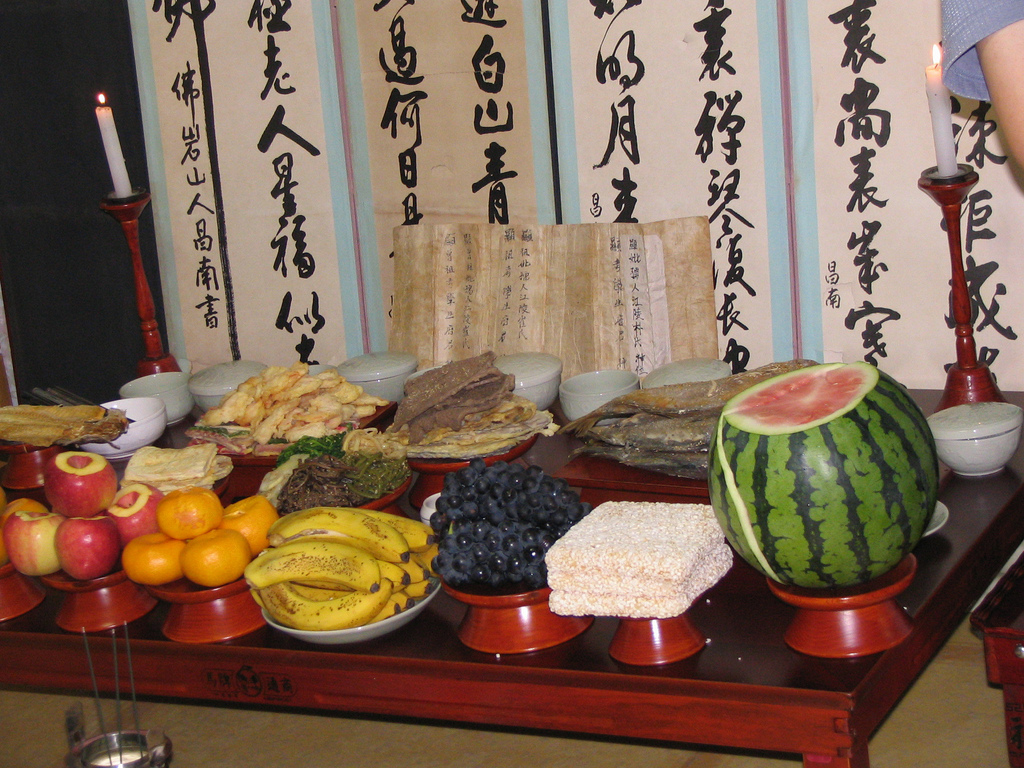
Charye is a table of rice, soup, fruit and rice cakes laid for the ancestors at Chuseok and Seollal, and jesa is held on the anniversary of a death. Families also visit and tidy the graves in a custom called seongmyo.

Read: Jesa

🇻🇳 Vietnam

Every household keeps an ancestor altar, and the death anniversary, or gio, is marked with a family meal and offerings. Tet begins with a visit to graves and an invitation to the ancestors to join the celebration.

Vietnamese folk religion, being written

🇰🇭 Cambodia

Pchum Ben lasts fifteen days in autumn, when families take rice and offerings to the pagoda for monks to pass on to the spirits of seven generations. The days are serious and communal.

Read: Pchum Ben

Compare all 19 places

Traditions to start with

Questions people ask

Is ancestor remembering a religious practice?

Often, but not always. It is part of many faiths and traditional belief systems, and in some places it is simply a family custom with no creed attached. People take part for love, duty, habit or all three.

Why are offerings of food common?

Food is how families show care, so it is how they show it to the dead. The living usually share the meal afterwards, which turns the offering into a reunion.

Do all cultures remember the dead on one fixed day?

Many do, in autumn or early spring, but others use the death anniversary of each person, or a rite at any time of year. Some use all three.

What is the difference between mourning and ancestor remembrance?

Mourning is the period just after a death. Ancestor remembrance carries on for years or generations, often with a lighter and more affectionate tone.

How can someone start a family custom of remembrance?

Many families begin small: a photograph and a candle, a favourite dish cooked once a year, or a story told on a chosen day. A simple, regular habit usually lasts better than a grand one.

About this page

Written by the EveryParampara desk with AI assistance. Customs differ from place to place and family to family. If this is your tradition and we have it wrong, tell us.

Remembering the ancestors on EveryParampara

The traditions written up so far, best known first.

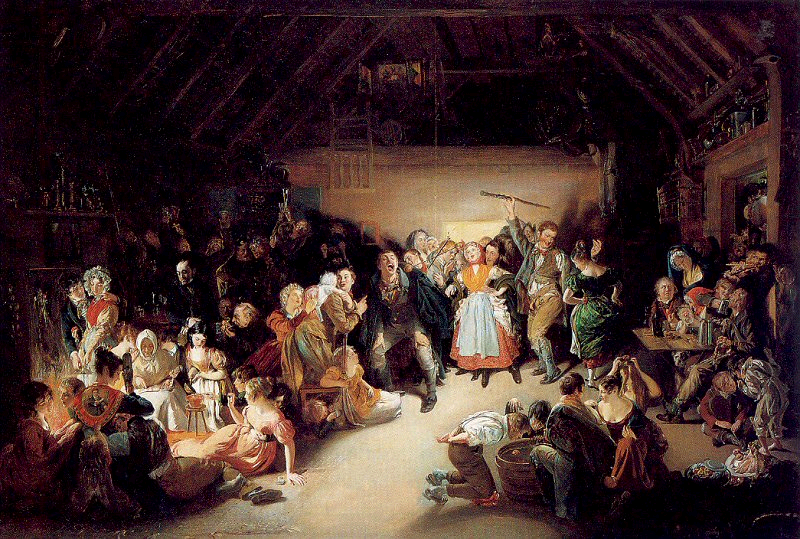
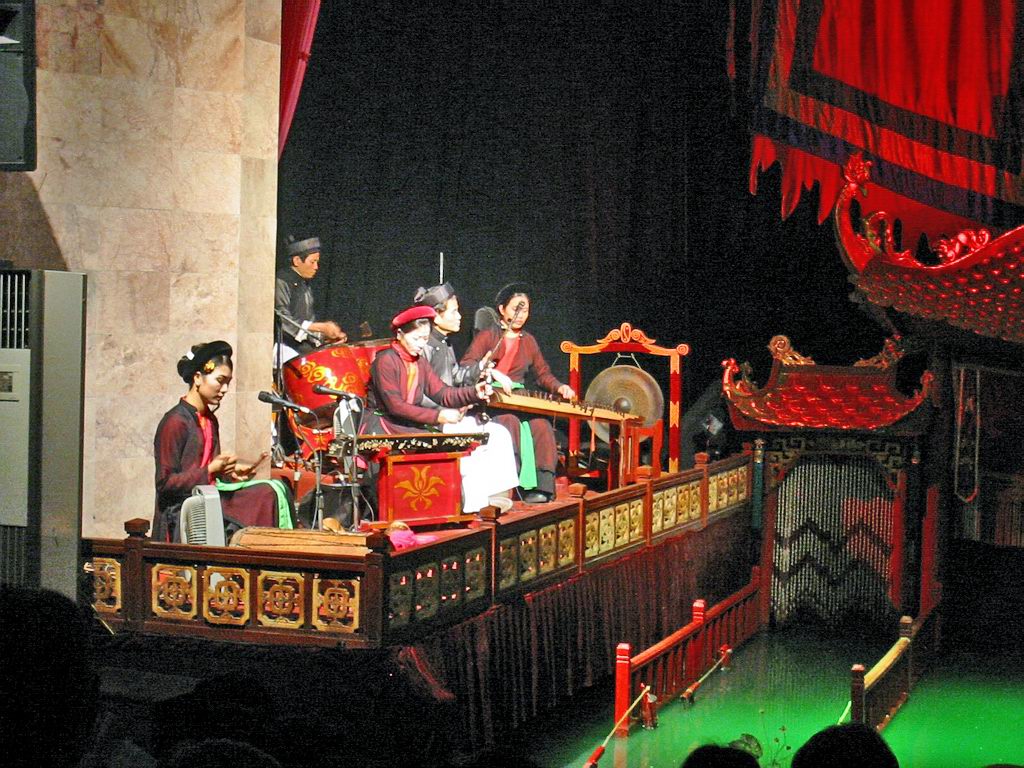
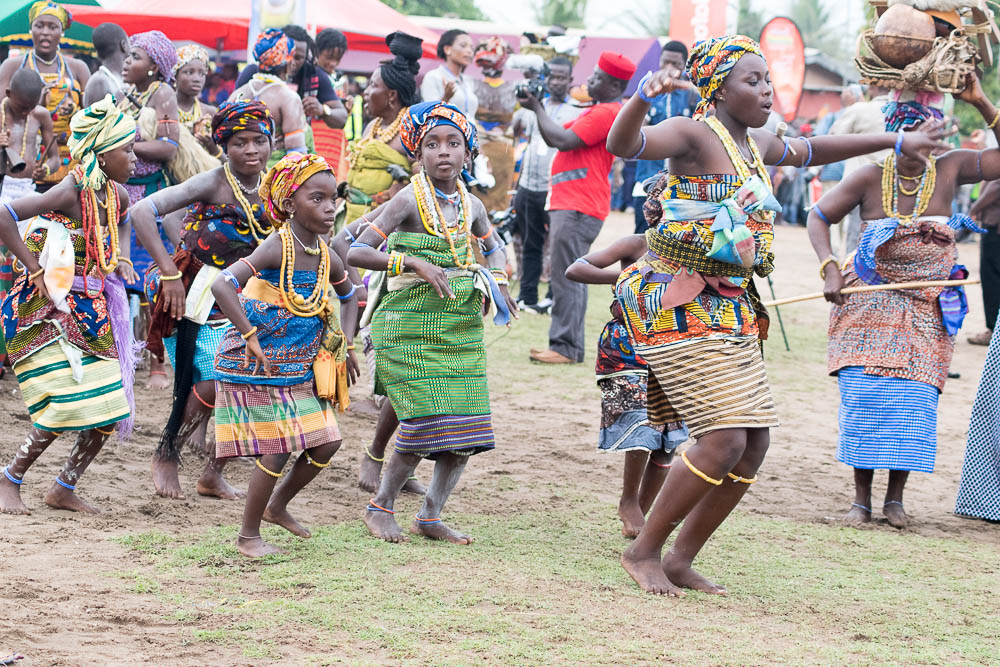
🇮🇪 Ireland and 5 moreHalloween An annual observance on 31 October marking the eve of All Saints' Day, rooted in Christian tradition and Celtic heritageFestival · Sweets given and shared 🇮🇳 Ayodhya, India and 7 moreDiwaliदीपावली (Dīpāvalī) A five-day festival of lights celebrated across India and its diaspora to mark the victory of light over darkness.Festival · Feasts and festival meals 🇮🇷 Iran and 7 moreNowruzنوروز The Iranian new year at the March equinox, kept with fire, greenery and picnicsSeasonal 🇮🇱 Jerusalem, Israel and 1 moreHanukkahחֲנֻכָּה An eight-day Jewish festival marking the rededication of the Second Temple in Jerusalem and the miracle of a single day'Festival 🇮🇳 Mathura, India and 5 moreHoliहोली (Hindi) A spring festival of colours and bonfires that marks the end of winter and the triumph of good over evil.Festival 🇮🇱 Jerusalem, IsraelSukkotסוכות A seven-day autumn Jewish festival of temporary booths, harvest prayers and hospitalitySpiritual 🇲🇽 Mexico City, Mexico and 1 moreDay of the DeadDía de Muertos A Mexican remembrance of deceased family and friends with altars, marigolds and feastsFestival · Sweets given and shared 🇨🇳 Puyang, ChinaFeng shui風水 The Chinese spatial practice of aligning homes and graves with natural energyFolklore 🇻🇳 Hoa Lư, VietnamChèo嘲 Satirical folk musical theatre performed by village troupes across northern VietnamPerformance 🇲🇽 San Salvador Huixcolotla, Mexico and 1 morePapel picado A Mexican folk art of cutting intricate designs into tissue paper for festive and spiritual displays.Festival 🇲🇬 MadagascarFady A system of cultural taboos in Madagascar that regulate daily life and spiritual practice.Spiritual 🇨🇬 Republic of the CongoNkisi Spiritual vessels and figures crafted to channel ancestral power, healing and justiceSpiritual 🇱🇸 LesothoMokorotlo A conical straw hat that serves as the national symbol of Lesotho and a key element of Basotho traditional dress.Dress 🇨🇱 ChileNgillatun A communal Mapuche rite of prayer, sacrifice and dance to maintain cosmic balanceSpiritual 🇮🇩 Ubud, IndonesiaBarongᬩᬭᭀᬂ A sacred Balinese masked dance drama depicting the eternal struggle of good and evilPerformance 🇲🇽 MexicoDanza de los ViejitosT'arche Uarakua A Purépecha masked dance honouring the sun and the four elements in MichoacánPerformance 🇮🇳 Puri, India and 1 morePattachitra A cloth scroll painting tradition from eastern India featuring mythological stories and folk tales.Performance 🇮🇳 India and 5 morePretaप्रेत Offerings and rites for spirits enduring deep hunger across Asian traditions.Spiritual 🇲🇲 Bagan, MyanmarNat worshipနတ် Veneration of guardian spirits and nature deities alongside Buddhism in MyanmarSpiritual 🇯🇵 JapanKadomatsu門松 A Japanese New Year gateway decoration of pine and bamboo where a visiting deity can restSeasonal 🇮🇳 IndiaTheyyam A sacred ritual dance and divine invocation from North Malabar in IndiaSpiritual 🇳🇬 Oyo, Nigeria and 1 moreEgungunEgúngún Yoruba ancestral masquerades bringing blessings, counsel and moral renewalSpiritual 🇭🇹 Haiti and 1 moreRara A Haitian street music of bamboo trumpets and drums, played in the Easter seasonPerformance 🇯🇵 Kyoto, JapanTorii鳥居 A traditional Japanese gate marking the entrance to a Shinto shrine and separating the sacred from the mundane.Spiritual 🇵🇪 Cusco, Peru and 4 moreIntiinti (Quechua) The Inca sun deity, honoured with temples, offerings and the June festival Inti RaymiSpiritual 🇼🇸 Samoa and 3 moreWhite SundayLotu Tamaiti A Samoan holiday honoring children with church services, white clothing, and family gatherings on the second Sunday of OFestival · Dinner 🇮🇩 Jakarta, Indonesia and 2 moreMudik Indonesians head home to family before Lebaran, in the year's biggest journeyHome 🇲🇱 Bamako, Mali and 5 moreGriotjeli, ߖߋ߬ߟߌ in N'Ko script West Africa's hereditary keepers of spoken history, praise and musicPerformance 🇳🇿 Auckland, New ZealandWharenui A Māori carved communal meeting house at the centre of tribal life in New ZealandHome 🇵🇬 Maprik, Papua New GuineaHaus Tambaran A sacred house of the Sepik peoples, used for ancestor worship and male initiationSpiritual 🇪🇬 Egypt and 5 moreTraditional tattooing The ancient custom of marking the skin for protection, healing, status and sacred ritesDress 🇳🇿 Auckland, New ZealandWhakapapa Māori genealogy, recited to place a person among ancestors, land and tribeHome 🇹🇻 TuvaluMusic of Tuvalu Rhythmic storytelling dances and choral singing from the Polynesian atolls of TuvaluPerformance 🇹🇱 Timor-LesteUma Lulik Sacred ancestral clan houses and ritual shrines in East TimorSpiritual 🇳🇿 New Zealand and 2 moreMarae A cleared, sacred gathering place at the heart of Māori and Polynesian community lifeSpiritual 🇼🇸 Samoa and 1 morePeʻa The traditional Samoan rite of full-body tattooing for men, tapped by master artistsRite of passage 🇳🇬 Ibadan, Nigeria and 1 moreYoruba naming ceremonyÌkòlọ́pọ̀ Orúkọ Yorùbá A rite of passage where a newborn receives a destiny name through divination and family celebration.Rite of passage · Feasts and festival meals 🇮🇳 India and 4 moreWater lantern Small lamps floated on water to honour the dead and ask for good fortuneFestival 🇬🇭 Ghana and 2 moreAgbadza An Ewe music and dance, born of war songs and kept for funerals, weddings and festivalsPerformance 🇦🇺 Sydney, AustraliaSongline A navigational and spiritual path across Australia that links ancestral stories to the physical landscape.Folklore 🇼🇸 Samoa and 1 moreʻIe tōga Precious woven mats exchanged in Samoan ceremonies to honor family ties and chiefly status.Dress 🇱🇹 LithuaniaVėlinės A Lithuanian remembrance day honouring deceased souls with cemetery prayers and candlesSpiritual 🇰🇷 Jeju, South KoreaGut굿 Sacred rites of song, dance, and spirit communion performed by Korean shamansSpiritual 🇺🇸 New Orleans, United StatesSecond line A New Orleans parade where clubs march and a crowd dances along behind the bandFestival 🇲🇺 Mauritius and 3 moreSegaséga A music and dance tradition from Mauritius and Réunion with Afro-Malagasy roots.Performance 🇬🇪 Tbilisi, Georgia and 4 moreGeorgian polyphonic singing Several voices at once, sung without instruments at Georgian feasts and weddingsPerformance 🇮🇪 Ireland and 2 moreJack-o'-lantern A carved pumpkin lantern lit with a candle to brighten and protect Halloween nightsFolklore 🇬🇲 Gambia and 4 moreKoraߞߐߙߊ A 21-string West African harp-lute played by hereditary storytellers and bardsPerformance

Photo credits on this page

The small pictures above come from Wikimedia Commons under free licences. Some are cropped to fit.
The weekly EveryParampara

Every week: one tradition from somewhere new, what is being celebrated around the world this week, and one idea explained.