Baobhan sith
In its own language: Baobh-shìth
A beautiful fairy of Highland tales who dances with hunters and kills them
In the storytelling of the Scottish Highlands, the baobhan sith is a fairy in the shape of a beautiful woman. She comes to men who are alone at night, above all hunters, and those she dances with are found dead. Iron, a watching dog or a prayer for protection are said to hold her off.
Highland storytellers tell of the baobhan sith, a fairy who wears the shape of a beautiful woman. She waits for men who are far from home at night, most often hunters, and joins them when they are dancing or when they long for company. In the stories she is deadly, and only iron, a dog, or a prayer can keep her away.
What she is
The baobhan sith belongs to the Gaelic folklore of the Scottish Highlands, where she is a fairy rather than a ghost or a demon. Gaelic gives her the plural baobhan-sìth, and the name itself is usually explained as 'fairy witch' or 'fairy hag'. She is not small or homely. In every tale she appears as a young woman of great beauty, and she uses that beauty as a lure. Men are drawn to her, she seduces them, and then she attacks and kills. Writers who study folklore also note how much she has in common with the succubus, the seductive spirit of older European stories.
The hunter stories
Almost all the surviving accounts follow the same pattern, and hunters are nearly always the victims. Four men are out after dark and take shelter, in one case a shieling, a lone hut, in another a cave. They sing and dance, or sit talking, and each says he would like a woman's company. Women arrive at that very moment. In one telling the men's partners turn out to have the hooves of deer rather than feet, and the man who notices runs. Those who stay are killed. One man, Macphee, keeps his black dog beside him and says he would rather his wife were at home, and the dog drives the visitors away.
Iron and wishes
Two ideas run underneath these stories. The first is iron: fairies in Scottish belief cannot bear it. Katharine Briggs argued that this explains why one man came through the night in the shieling, because he had been lying among horses whose hooves were iron-shod. The second is a warning about careless speech. Old Scottish belief held that a wish made at night, with no appeal to God for protection, would be granted, but in some awful form. This is why the women in the tales arrive so soon after the men say they want company. The wish itself brings the danger.
Later retellings
The figure has not stayed in the Highlands. She turns up in fantasy fiction, for example in trilogies by Mark Chadbourn and in Raymond E. Feist's Faerie Tale, where she is one of the Unseelie Court and uses a compelling magic on men who are by themselves. Other novelists use her too, and one Scottish urban fantasy series puts a baobhan sith in command of an army of the Fae. On screen, the character played by Scarlett Johansson in Under the Skin is thought to owe something to the legend. In these modern versions she is often shown as a vampire as much as a fairy.
How Baobhan sith is kept
In the tales a group of men, usually hunters, are caught out at night and take shelter together. They pass the time with singing and dancing or with talk. Someone says he wishes a woman were with him. The fairy women then walk in, as beautiful as the men hoped, and join them. The dancing or the talk goes on until one man notices something wrong, often the feet. Those who realise in time run, or are saved by a dog or by iron nearby; the rest are killed. The teller ends with the survivors finding the bodies.
When and where
The legend is rooted in the Scottish Highlands, where Gaelic was the everyday language, and it belongs to that region rather than to Scotland's cities in any specific way. The collected versions come from Highland tellers. Most of the men in the stories are away from home, out on the hill or in wild country, which is where the danger is said to lie.
What Baobhan sith means
The stories carry two lessons. One is about the danger of the lonely night and of wanting company too much. The other is about speech: a wish made after dark without asking for God's protection could come true, and come true horribly. Iron and a faithful dog stand for the small kinds of protection people trusted. For the tellers, the beauty of the fairy is part of the warning, since what looks lovely may be deadly.
Questions people ask about Baobhan sith
What is a baobhan sith?
She is a female fairy in the Gaelic storytelling of the Scottish Highlands. Rather than a small, harmless creature, she takes the shape of a beautiful woman, comes to men who are alone at night, and kills them.
Where do the stories come from?
They come from the Highlands of Scotland and were told in Scottish Gaelic. Versions were collected from Highland tellers, and the folklorist Katharine Briggs later discussed the iron detail found in one of them.
What does the name mean?
It is usually translated from Scottish Gaelic as 'fairy witch' or 'fairy hag'. The plural is baobhan-sìth. English writers often drop the accent and spell it baobhan sith.
How can someone escape her?
The tales give three defences: iron, which fairies are said to be unable to bear, a dog that turns on the women, and a prayer for God's protection before any wish is spoken aloud.
Is she a vampire?
Not in the old stories, where she is a fairy who shares some ground with the succubus. Later fantasy writing has made her more vampire-like, and one novel series links her to a vampire-witch figure.
See also
 The BurrymanA man clad in burdock burrs walks a Scottish town for a day, bringing luck as he goes
 Shoe throwingThe act of hurling footwear for sport, wedding luck, protest or overhead display.
 Need-fireA ritual fire kindled by friction to ward off cattle plague, disease and harmUnspoken WaterA Scottish healing custom in which water was fetched in silence and given to the sick
Good reading and sources
The facts on this page come from the Wikipedia article "Baobh-shìth", written by its contributors and used under the CC BY-SA 4.0 licence, and from its Wikidata record (CC0). EveryParampara rewrote the text in its own words, with AI assistance, and compares every page with the article to make sure no passage is copied. It may be reused under the same CC BY-SA 4.0 licence with a link back.
It may contain mistakes. Traditions differ from one family, village and community to the next, and the people who keep them know them best. If something is wrong, tell us. Last refreshed 2026-10-11.
More from the United Kingdom
All the traditions of the United Kingdom
🇬🇧 South Queensferry, United KingdomThe Burryman
A man clad in burdock burrs walks a Scottish town for a day, bringing luck as he goesFolklore
🇬🇧 United Kingdom and 2 moreShoe throwing
The act of hurling footwear for sport, wedding luck, protest or overhead display.Folklore
🇩🇪 Germany and 5 moreNeed-fire
A ritual fire kindled by friction to ward off cattle plague, disease and harmFolklore
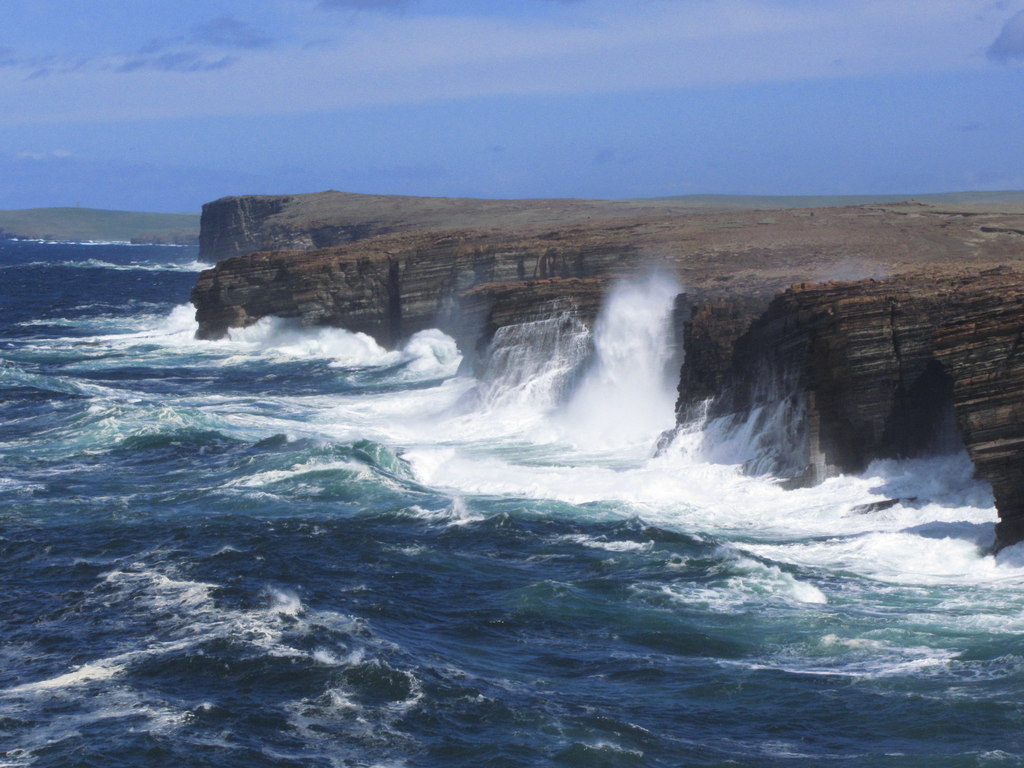 🇬🇧 Orkney, United KingdomNuckelaveeknoggelvi
A horse-like sea demon of Orkney folklore, blamed for drought, plague and sick livestock.Folklore
🇬🇧 Orkney, United KingdomNuckelaveeknoggelvi
A horse-like sea demon of Orkney folklore, blamed for drought, plague and sick livestock.Folklore
The same idea elsewhere
Healing, luck and protection compared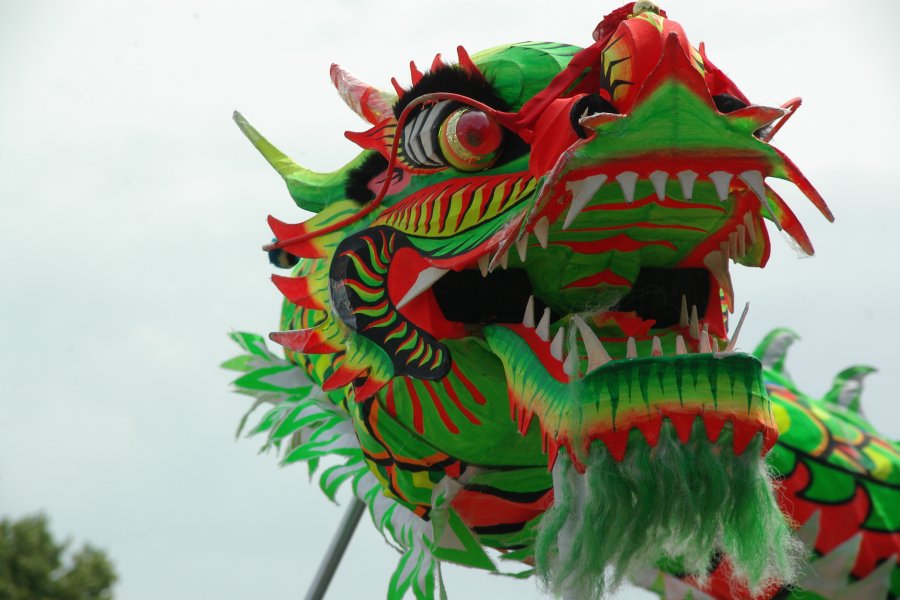 🇨🇳 China and 3 moreDragon dance舞龍 / 舞龙
A long dragon puppet on poles, danced by a team at Chinese New Year and other festivalsPerformance
🇨🇳 China and 3 moreDragon dance舞龍 / 舞龙
A long dragon puppet on poles, danced by a team at Chinese New Year and other festivalsPerformance
 🇺🇸 United States and 4 moreFriday the 13th
A Western folk superstition regarding the unluckiness of a Friday falling on the 13th.Folklore
🇺🇸 United States and 4 moreFriday the 13th
A Western folk superstition regarding the unluckiness of a Friday falling on the 13th.Folklore
 🇮🇳 India and 4 moreWater lantern
Small lamps floated on water to honour the dead and ask for good fortuneFestival
🇵🇬 Trobriand Islands, Papua New GuineaTrobriand cricket
Cricket as played in the Trobriand Islands, with chants, dances and a feastGame
🇮🇳 India and 4 moreWater lantern
Small lamps floated on water to honour the dead and ask for good fortuneFestival
🇵🇬 Trobriand Islands, Papua New GuineaTrobriand cricket
Cricket as played in the Trobriand Islands, with chants, dances and a feastGame