Festivals and celebrationsMiddle East
Beirut Pride
In its own language: فخر بيروت
An annual LGBTQIA+ march and festival in Lebanon advocating for decriminalization and visibility.

Beirut Pride is an annual event held in Beirut, the capital of Lebanon. It began in 2017 to advocate for the decriminalization of homosexuality and to foster visibility for the queer community. The event includes marches, conferences, and cultural gatherings, serving as a major platform for equality in the region.
When is Beirut Pride kept?
Beirut Pride is kept on annually since 2017, typically in May or September/October.
Beirut Pride stands as Lebanon's annual gathering for LGBTQIA+ rights and visibility. Held in the capital city, it combines public marches with educational seminars and cultural events. The initiative seeks legal reform and social acceptance for queer individuals within the broader society.
Origins and history
The movement began in August 2016 when founder Hadi Damien started organizing the first edition. The inaugural event took place from May 14 to 21, 2017, aligning with the International Day Against Homophobia. It attracted thousands of attendees and featured legal seminars, art exhibitions, and nightlife celebrations in Mar Mikhaël. The second edition in 2018 faced police intervention and the arrest of its organizer after authorities suspended activities. Despite these challenges, the event continued, adapting to online formats during the 2020 pandemic and economic crisis.
Events and activities
The festival spans several days and includes a variety of programs. Past editions have hosted brunches honoring supportive families, fashion shows, and musical performances by local and international artists. Conferences address topics such as trans-identity and migrant workers' rights. In 2020, the event shifted to digital platforms, collaborating with InterPride for a global online celebration. Participants from across the Middle East contributed to this virtual format, sharing stories and artistic expressions related to their experiences.
Advocacy and initiatives
Beyond the annual festival, organizers engage in year-round advocacy. They lobby political parties and religious authorities for the decriminalization of homosexuality. Collaborations with universities like the American University of Beirut support research and media coverage on LGBTQIA+ issues. The group also launched campaigns focused on HIV/AIDS awareness, working with UNAIDS to promote prevention and combat discrimination against people living with HIV. These efforts aim to build long-term structural change and community support networks.
How Beirut Pride is kept
Participants gather for marches, seminars, and cultural performances throughout the week. Activities range from legal workshops to drag shows and art exhibitions. Organizers coordinate with embassies and international groups to amplify messages of solidarity. The event adapts its format based on security concerns and external circumstances, sometimes moving indoors or shifting to digital platforms to ensure safety and accessibility for all attendees.
When and where
It occurs annually, usually in May or September/October. The dates often align with international observances like the International Day Against Homophobia. Specific timing varies each year depending on organizational planning and local conditions.
The primary location is Beirut, Lebanon. Events take place in various venues across the city, including bars in Mar Mikhaël and outdoor spaces. Some activities have been held in alternative locations due to logistical or security constraints.
What Beirut Pride means
The rainbow flag serves as a central symbol of diversity and pride. The logo features a playful design incorporating the initials B and P, using the colors of the rainbow flag. These symbols represent visibility, resistance, and the desire for equality within Lebanese society.
Questions people ask about Beirut Pride
When is Beirut Pride kept?
Beirut Pride is kept on annually since 2017, typically in May or September/October.
Where is Beirut Pride kept?
Beirut Pride belongs to the traditions of Lebanon, and is tied most closely to Beirut.
Who keeps Beirut Pride?
As our sources describe it, Beirut Pride is kept by The LGBTQIA+ community in Lebanon. Many other communities and families now share it too.
See also
 AnnunciationA Christian feast marking the angel Gabriel's message to Mary about bearing Jesus, kept on 25 March.ZaffaA musical wedding procession common in Arab cultures, featuring music and dancing.
 Eid il-BurbaraA winter feast of costumes, sweet boiled wheat, and sprouting seeds across the Levant
 ZajalHalf-sung Arabic poetry in colloquial speech, traded as a duel between improvising poets
Good reading and sources
- Beirut Pride: Organisers say clerics forced cancellation of opening concertBBC, Article
- Beirut Pride: Organisers say clerics forced cancellation of opening concertBBC, Article
The facts on this page come from the Wikipedia article "Beirut Pride", written by its contributors and used under the CC BY-SA 4.0 licence, and from its Wikidata record (CC0). EveryParampara rewrote the text in its own words, with AI assistance, and compares every page with the article to make sure no passage is copied. It may be reused under the same CC BY-SA 4.0 licence with a link back.
It may contain mistakes. Traditions differ from one family, village and community to the next, and the people who keep them know them best. If something is wrong, tell us. Last refreshed 2026-10-05.
More from Lebanon
All the traditions of Lebanon
🇱🇧 Beirut, Lebanon and 7 moreEid il-Burbaraعيد البربارة
A winter feast of costumes, sweet boiled wheat, and sprouting seeds across the LevantFestival · Feasts and festival meals
🇱🇧 Lebanon and 2 moreAnnunciationΟ Ευαγγελισμός της Θεοτόκου
A Christian feast marking the angel Gabriel's message to Mary about bearing Jesus, kept on 25 March.Festival
🇱🇧 Byblos, LebanonByblos International Festival
An annual summer music and arts festival held in the historic port town of Byblos, Lebanon.Festival
The same idea elsewhere
All of this kind 🇮🇹 Rome, Italy and 4 moreChristmas
A festival of Jesus's birth, kept on 25 December with gifts, lights and shared mealsFestival
🇮🇹 Rome, Italy and 4 moreChristmas
A festival of Jesus's birth, kept on 25 December with gifts, lights and shared mealsFestival
 🇮🇪 Ireland and 5 moreHalloween
An annual observance on 31 October marking the eve of All Saints' Day, rooted in Christian tradition and Celtic heritageFestival · Sweets given and shared
🇮🇪 Ireland and 5 moreHalloween
An annual observance on 31 October marking the eve of All Saints' Day, rooted in Christian tradition and Celtic heritageFestival · Sweets given and shared
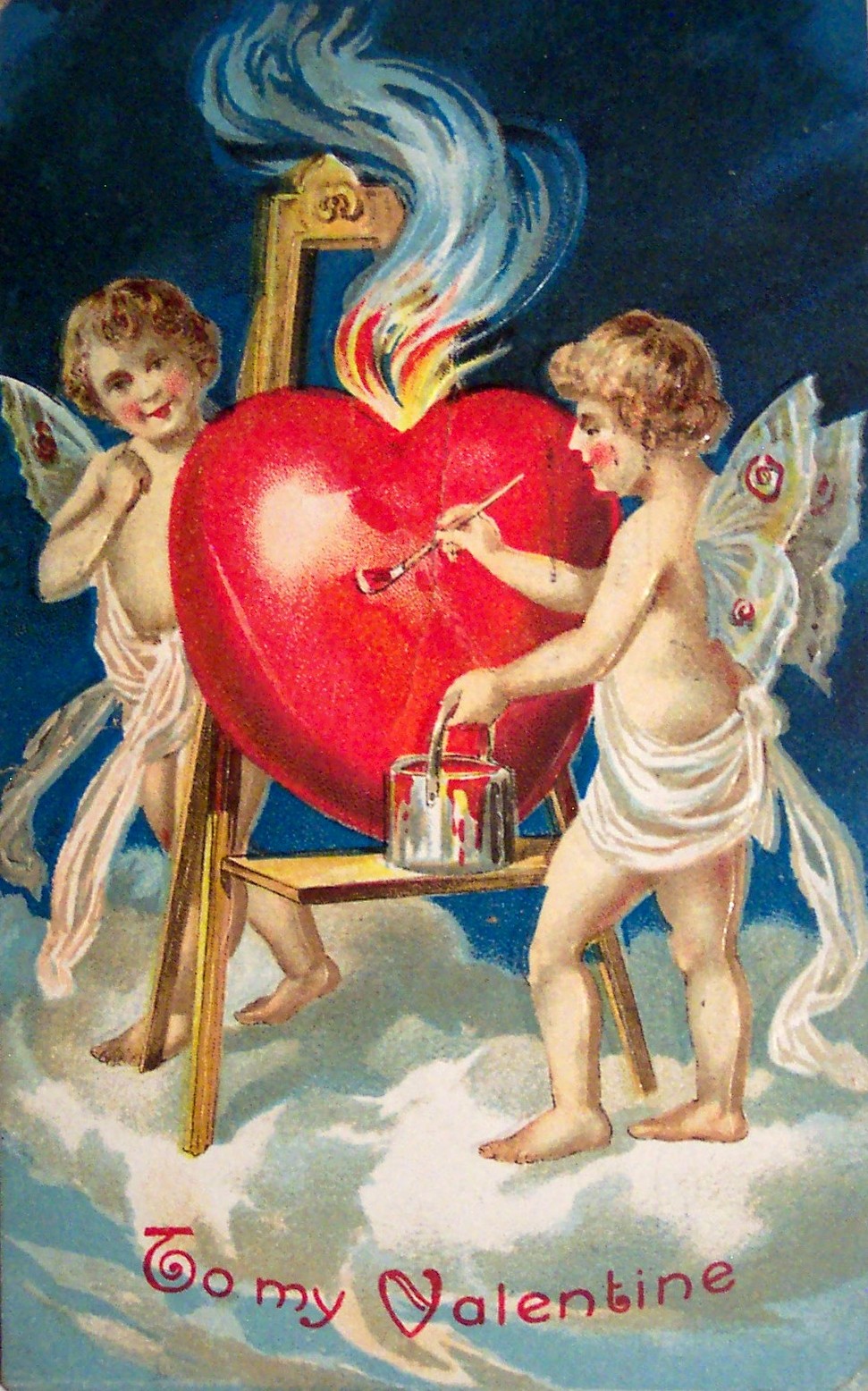 🇬🇧 United Kingdom and 4 moreValentine's Day
A Christian feast day and cultural celebration of love kept on February 14 in many countries.Festival
🇬🇧 United Kingdom and 4 moreValentine's Day
A Christian feast day and cultural celebration of love kept on February 14 in many countries.Festival
 🇩🇪 Germany and 5 moreChristmas tree
A decorated evergreen or artificial tree placed indoors to mark the Christmas season.Festival
🇩🇪 Germany and 5 moreChristmas tree
A decorated evergreen or artificial tree placed indoors to mark the Christmas season.Festival