Royal, civic and national ceremonyNorth AmericaSecular and civicChristian
Columbus Day
An annual autumn holiday marking the 1492 arrival of Christopher Columbus in the Americas
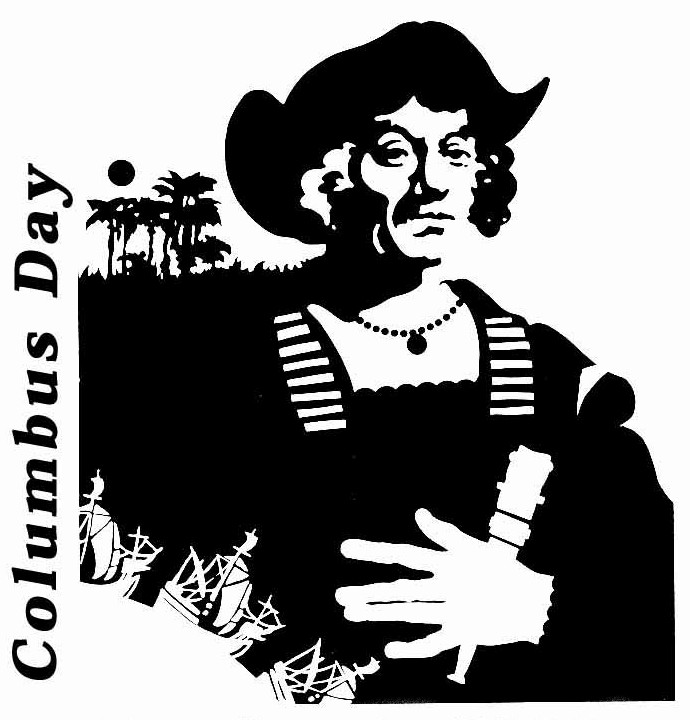
Columbus Day marks the 1492 landing of Christopher Columbus in the Americas. Kept every October across the United States, parts of Latin America, and Italy, it is observed with parades, civic commemorations, and celebrations of Italian American or Hispanic cultural heritage.
When is Columbus Day kept?
Columbus Day is kept every year on the second Monday in October in the United States, or on October 12.
Columbus Day marks the October 1492 landing of Italian navigator Christopher Columbus in the Americas. In the United States and several other nations across the Atlantic, people observe the occasion each October. Many communities use the day to celebrate Italian American ancestry, while others reflect on the broad cultural interactions set in motion by the voyages.
Origins and history
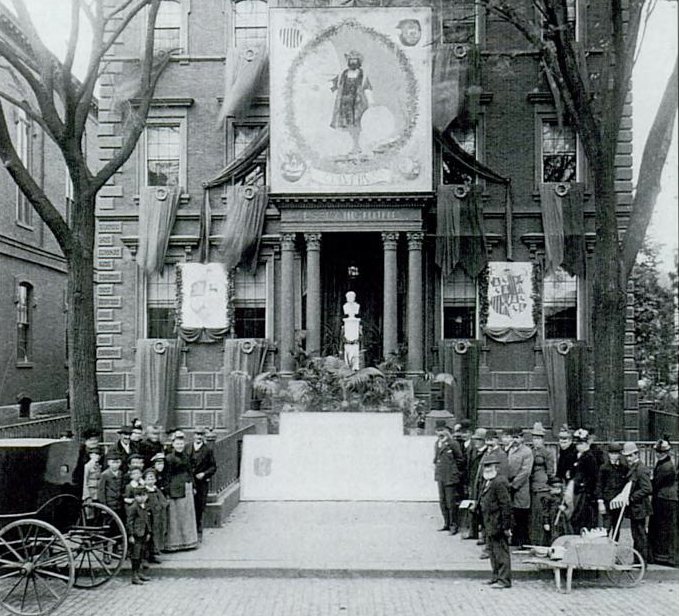
Commemorations began in New York in 1792 when the Tammany Society marked the three-hundredth anniversary of the landing. A century later, President Benjamin Harrison proclaimed a nationwide observance in 1892 to soothe diplomatic friction after eleven Italian immigrants were lynched in New Orleans. Italian immigrant Angelo Noce successfully campaigned to create Colorado's first statutory holiday in 1907. Further lobbying by civic groups, including the Knights of Columbus, prompted President Franklin Roosevelt to issue annual proclamations starting in 1934. In 1968, President Lyndon Johnson signed legislation establishing Columbus Day as an official federal holiday, which took effect in 1971.
Parades and public observance
Across the United States, celebrations center on civic events and street parades. San Francisco hosts the oldest continuous parade, organized by Italian Americans since 1868, while New York City organizes the largest procession with thousands of participants. Government buildings fly the national flag, and public agencies, banks, and schools frequently close. For many people of Italian descent, the holiday serves as a tribute to their community's immigrant journey and cultural contributions rather than a focus on the navigator himself. The United States Navy and Marine Corps also link the weekend to their service anniversary with extended leave.
International observances and alternatives
The anniversary is recognized under varied titles across the globe. Spain celebrates it as the National Day and the Day of Hispanicity, aligning with the religious feast of Our Lady of the Pillar. In several Latin American nations, it originated as Día de la Raza, while Peru marks it as a day of intercultural dialogue. In Italy, it is honored as a national day named after Columbus. Within the United States, numerous states and municipalities have replaced the holiday or paired it with Indigenous Peoples' Day, honoring Native American history and culture on the same date.
How Columbus Day is kept
Across the United States, major cities hold street parades, notably large processions in San Francisco and New York City. Government buildings fly the national flag, while banks, postal facilities, and schools often close for the federal holiday. Many Italian Americans gather to honor their cultural roots and community history. In some regions, civic ceremonies honor historical ties, while other municipalities mark alternative holidays dedicated to Indigenous heritage.
When and where
In the United States, the federal holiday takes place on the second Monday of October. Historically, and in many other nations such as Italy and Spain, the traditional date is fixed to October 12, marking the calendar day when Columbus first sighted land in 1492.
The holiday is observed across the United States, Puerto Rico, and parts of the Caribbean, as well as in Italy and Spain. Within the United States, participation varies by state and city, with major public parades held in New York and California.
What Columbus Day means
For many participants, especially within Italian American communities, the day represents pride in ancestral heritage and recognition of their historic contributions. Nationally, it has historically symbolized the initial maritime connection between the Old and New Worlds. Over time, meanings have shifted, leading some communities to refocus the date on Indigenous history and cultural resilience.



Questions people ask about Columbus Day
When is Columbus Day kept?
Columbus Day is kept every year on the second Monday in October in the United States, or on October 12.
What is Columbus Day?
It is an annual holiday commemorating Christopher Columbus's 1492 arrival in the Americas. In many communities, especially in the United States, it also serves as a celebration of Italian American heritage and immigrant history.
How do communities observe the day?
Celebrations include large civic parades, cultural festivals, and patriotic ceremonies. In the United States, federal offices, post offices, and banks often close, and government buildings display the national flag.
Why does the day have different names in other countries?
Different nations celebrate different aspects of the date. Spain observes it as the National Day and Día de la Hispanidad, while several Latin American countries know it as Día de la Raza or designate it for Indigenous remembrance.
See also
 Independence DayThe United States' national day of parades, barbecues and fireworks, kept each July 4
 Bastille DayFrance's national day marking the storming of the Bastille and the unity of the people on 14 July.
 Martin Luther King Jr. DayAn American federal holiday honouring the civil rights leader with service and remembrance
 Labor DayA national American holiday honouring the working class with parades and picnics
Good reading and sources
- Encyclopaedia BritannicaArticle
- ¿Dónde está la estatua de Cristóbal Colón que fue juzgada, condenada y colgada el 12 de octubre de 2004 en Caracas?BBC, Article
- Columbus Day 2026: Date, Facts & ControversyHistory.com, Article
- Alfred W. Crosby on the Columbian ExchangeSmithsonian Magazine, Article
- ¿Dónde está la estatua de Cristóbal Colón que fue juzgada, condenada y colgada el 12 de octubre de 2004 en Caracas?BBC, Article
- Columbus Day 2026: Date, Facts & ControversyHistory.com, Article
- Alfred W. Crosby on the Columbian ExchangeSmithsonian Magazine, Article
- Columbus Day on WikipediaEncyclopedia
- More photos on Wikimedia CommonsPhotos and video
- Wikidata recordOpen data
The facts on this page come from the Wikipedia article "Columbus Day", written by its contributors and used under the CC BY-SA 4.0 licence, and from its Wikidata record (CC0). EveryParampara rewrote the text in its own words, with AI assistance, and compares every page with the article to make sure no passage is copied. It may be reused under the same CC BY-SA 4.0 licence with a link back.
It may contain mistakes. Traditions differ from one family, village and community to the next, and the people who keep them know them best. If something is wrong, tell us. Last refreshed 2026-10-04.
More from the United States
All the traditions of the United States
🇺🇸 Philadelphia, United States and 1 moreIndependence Day
The United States' national day of parades, barbecues and fireworks, kept each July 4Ceremony
 🇺🇸 New York, United StatesFlag Day
An annual American observance marking the 1777 adoption of the national flagCeremony
🇺🇸 New York, United StatesFlag Day
An annual American observance marking the 1777 adoption of the national flagCeremony
 🇺🇸 Washington, United StatesState of the Union address
The US president's yearly report to Congress and the nation, given in the House chamberCeremony
🇺🇸 Washington, United StatesState of the Union address
The US president's yearly report to Congress and the nation, given in the House chamberCeremony
 🇺🇸 United StatesTalking stick
A carved staff that shows who may speak at a Northwest Coast gatheringCeremony
🇺🇸 United StatesTalking stick
A carved staff that shows who may speak at a Northwest Coast gatheringCeremony
The same idea elsewhere
All of this kind 🇬🇷 Olympia, Greece and 1 moreOlympic torch relay
The ceremonial journey of the flame from Olympia to each host city of the Olympic GamesCeremony
🇬🇷 Olympia, Greece and 1 moreOlympic torch relay
The ceremonial journey of the flame from Olympia to each host city of the Olympic GamesCeremony
 🇮🇳 Kolkata, IndiaJana Gana Mana
India's national anthem, from a Bengali hymn of 1911, sung at civic occasionsCeremony
🇮🇳 Kolkata, IndiaJana Gana Mana
India's national anthem, from a Bengali hymn of 1911, sung at civic occasionsCeremony
 🇵🇱 Auschwitz-Birkenau, Poland and 1 moreMarch of the LivingMarsz Żywych (Polish) · מצעד החיים (Hebrew)
An annual two-week journey to Poland ending in a silent walk from Auschwitz to BirkenauCeremony
🇵🇱 Auschwitz-Birkenau, Poland and 1 moreMarch of the LivingMarsz Żywych (Polish) · מצעד החיים (Hebrew)
An annual two-week journey to Poland ending in a silent walk from Auschwitz to BirkenauCeremony
 🇳🇴 Bergen, NorwayBuekorps
Youth marching groups of Bergen's neighbourhoods, with drums, banners and a May paradeCeremony
🇳🇴 Bergen, NorwayBuekorps
Youth marching groups of Bergen's neighbourhoods, with drums, banners and a May paradeCeremony