🇨🇴 Traditions of Colombia
19 traditions from Colombia, best known first, across 7 cities and towns.
Colombian traditions emerge from the deep confluence of Indigenous civilisations, Spanish settlers, and African communities across six distinct geographical regions. Everyday life is shaped by dramatic mountain and coastal climates, producing rich regional cooking, distinct woven crafts, and community carnivals that bring people together across all backgrounds.
Life across Colombia adapts closely to altitude and geography, from humid coasts and lowland jungles to chilly Andean plateaus. Its cultural landscape was formed as Indigenous societies met Spanish customs and African ways of life. Today, these historical encounters endure in communal celebrations, cherished culinary staples like the corn arepa, and everyday crafts such as the woven Zenú hat. Each natural territory maintains its own distinct dishes, customs, and rhythms of daily life.
Life across climatic zones
Colombians understand their country through distinct elevation belts. The hot lowlands, known as the tierra caliente, cover most of the land and hold the main river valleys. Coffee thrives higher up in the temperate middle zone, where much of the population settles. Above that, the cold Andean belt supports wheat, potatoes, and high-altitude farming, ending in open moorlands and glacial peaks. Six separate geographic regions, ranging from the Pacific and Caribbean shores to the Amazon and Orinoco lowlands, create stark environmental contrasts. These diverse zones dictate daily routines, clothing needs, and the crops grown for local kitchens.
Carnivals and shared gatherings
Historical encounters between native peoples, Spanish colonisers, and enslaved African populations produced a blended society. For generations, social rules separated people along ancestral lines, while the Catholic Church directed public schooling and civic life. Communal festivities and carnivals arose as important spaces where these social boundaries softened. During these celebrations, citizens of every background and status gathered openly in public streets. Although historical tensions lingered after the abolition of slavery in the mid-nineteenth century, communal festival gatherings continue to serve as moments of mutual expression, shared music, and collective identity across the towns and cities.
Handcrafts and ancestral wear
Indigenous heritage remains an active part of daily expression through traditional clothing and handmade items. The national hat, known as the sombrero vueltiao, originated with the Zenú people and has been crafted since pre-Hispanic times. Native groups across different territories maintain their own distinct weaving techniques and material arts, such as the sturdy Arhuaca mochila shoulder bags. From the Muisca heritage of the central highlands to the coastal Zenú and Tairona communities, these craft methods are passed down through families. They provide functional wear for rural workers and serve as recognisable symbols of regional belonging across the nation.
Soups and daily staples
Ground corn forms the bedrock of daily nourishment, anchored by the arepa, a flatbread prepared in the region for roughly three millennia. Breakfast in chilly mountain settlements often features caldo de costilla, a warm broth of beef ribs and potatoes. Midday meals center on comforting bowls such as ajiaco, a thick soup made with chicken, local potatoes, and the guasca herb, or sancocho stew enriched with root vegetables and plantains. Cheesy baked breads like pandebono and fried dough buñuelos accompany hot coffee, known locally as tinto, or warm sugarcane drinks like aguapanela throughout the day.
Regional flavours and feasts
Cooking changes noticeably between territories. In the Paisa region around Medellín, diners eat the bandeja paisa, a hearty platter featuring beans, rice, fried pork rinds, grilled meats, eggs, and avocado. Coastal communities along the Caribbean incorporate seafood, coconut rice, and savory fried snacks, alongside Middle Eastern influences like kibbeh brought by nineteenth-century immigrants. In the valleys of Cali, cooks fry sweet plantains filled with cheese and prepare crispy plantain balls filled with pork. Further east in Santander, local specialties include hearty mute stew, dried culona ants, and fresh river fish caught in the Magdalena basin.
The facts in this overview come from the Wikipedia article "Culture of Colombia", written by its contributors and used under the CC BY-SA 4.0 licence. EveryParampara rewrote the text in its own words, with AI assistance, and compares every page with the article to make sure no passage is copied. It may be reused under the same CC BY-SA 4.0 licence with a link back.
The table in Colombia
Foods and drinks by the moment they belong to.
| Tea-time and snacking customs | Elevenses |
|---|---|
| Tea, coffee and drinking ceremonies | Elevenses |
Cities, towns and villages of Colombia
 🇺🇸 New York, United States and 2 moreSalsa
A lively Latin partner dance rooted in Afro-Caribbean rhythms and social dance traditionsPerformance
🇺🇸 New York, United States and 2 moreSalsa
A lively Latin partner dance rooted in Afro-Caribbean rhythms and social dance traditionsPerformance
 🇪🇸 Ronda, Spain and 5 moreBullfightingCorrida de toros
A ritual contest between a bullfighter and a bull, kept in Spain and Latin AmericaGame
🇪🇸 Ronda, Spain and 5 moreBullfightingCorrida de toros
A ritual contest between a bullfighter and a bull, kept in Spain and Latin AmericaGame
 🇻🇪 Venezuela and 1 moreColeo
A Venezuelan and Colombian sport where riders chase cattle to snatch tails and pull them down.Game
🇻🇪 Venezuela and 1 moreColeo
A Venezuelan and Colombian sport where riders chase cattle to snatch tails and pull them down.Game
 🇵🇭 Manila, Philippines and 5 moreNovena
A nine-day Christian prayer tradition for petitions, feasts, or mourning.Spiritual
🇵🇭 Manila, Philippines and 5 moreNovena
A nine-day Christian prayer tradition for petitions, feasts, or mourning.Spiritual
 🇨🇴 Barranquilla, ColombiaBarranquilla CarnivalCarnaval de Barranquilla
A four-day street festival of music, masquerade and dance in coastal ColombiaFestival
🇨🇴 Barranquilla, ColombiaBarranquilla CarnivalCarnaval de Barranquilla
A four-day street festival of music, masquerade and dance in coastal ColombiaFestival
 🇨🇴 Pasto, ColombiaBlacks and Whites' CarnivalCarnaval de Negros y Blancos
A week of street games, parades and music held every January in Pasto, ColombiaFestival
🇨🇴 Pasto, ColombiaBlacks and Whites' CarnivalCarnaval de Negros y Blancos
A week of street games, parades and music held every January in Pasto, ColombiaFestival
 🇬🇧 United Kingdom and 5 moreElevenses
A short mid-morning pause for a drink and a small bite, kept in many countriesTable custom · Tea-time and snacking customs
🇬🇧 United Kingdom and 5 moreElevenses
A short mid-morning pause for a drink and a small bite, kept in many countriesTable custom · Tea-time and snacking customs
 🇨🇴 Cali, ColombiaCali FairLa Feria de Cali
A six-day Colombian celebration of salsa music, street parades, and regional cultureFestival
🇨🇴 Cali, ColombiaCali FairLa Feria de Cali
A six-day Colombian celebration of salsa music, street parades, and regional cultureFestival
 🇨🇴 Medellín, ColombiaFestival of the FlowersFeria de las Flores
An annual week-long celebration of floral craft and regional culture in MedellínFestival
🇨🇴 Medellín, ColombiaFestival of the FlowersFeria de las Flores
An annual week-long celebration of floral craft and regional culture in MedellínFestival
 🇪🇸 Spain and 5 moreMoors and ChristiansMoros y Cristianos
Theatrical parades and mock battles staging historic clashes across Spain and beyondFestival
🇪🇸 Spain and 5 moreMoors and ChristiansMoros y Cristianos
Theatrical parades and mock battles staging historic clashes across Spain and beyondFestival
 🇨🇴 Valledupar, ColombiaVallenato Legend FestivalFestival de la Leyenda Vallenata
An annual gathering in Valledupar celebrating Colombian vallenato music and verseFestival
🇨🇴 Valledupar, ColombiaVallenato Legend FestivalFestival de la Leyenda Vallenata
An annual gathering in Valledupar celebrating Colombian vallenato music and verseFestival
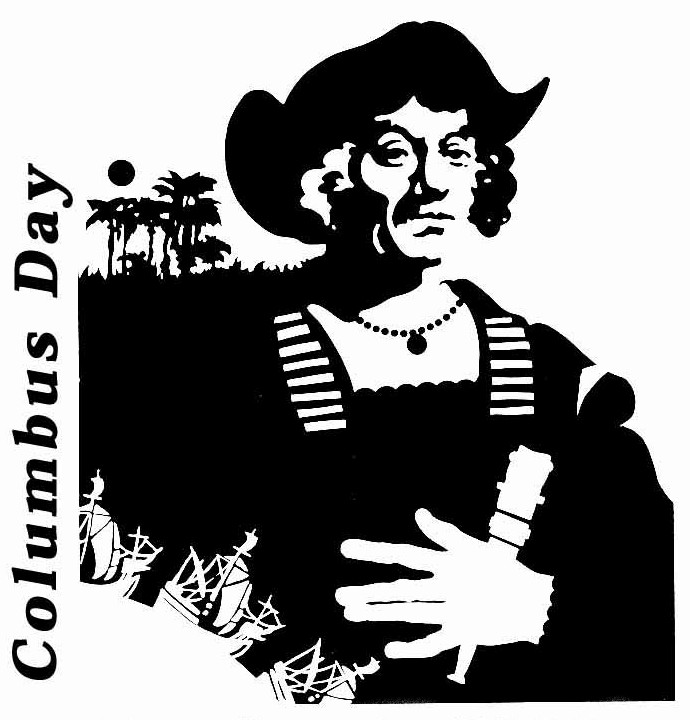 🇺🇸 United States and 5 moreColumbus Day
An annual autumn holiday marking the 1492 arrival of Christopher Columbus in the AmericasCeremony
🇺🇸 United States and 5 moreCyber Monday
An annual online shopping observance held on the Monday following American Thanksgiving.Seasonal
🇺🇸 United States and 5 moreColumbus Day
An annual autumn holiday marking the 1492 arrival of Christopher Columbus in the AmericasCeremony
🇺🇸 United States and 5 moreCyber Monday
An annual online shopping observance held on the Monday following American Thanksgiving.Seasonal
 🇪🇸 Spain and 4 moreDay of the Holy InnocentsDía de los Santos Inocentes
A 28 December day of pranks and fake news, kept in the Spanish-speaking worldFestival
🇪🇸 Spain and 4 moreDay of the Holy InnocentsDía de los Santos Inocentes
A 28 December day of pranks and fake news, kept in the Spanish-speaking worldFestival
 🇺🇸 United States and 5 moreArmed Forces Day
A civic holiday honouring national military services, their history and active personnelCeremony
🇺🇸 United States and 5 moreArmed Forces Day
A civic holiday honouring national military services, their history and active personnelCeremony
 🇨🇴 ColombiaLittle Candles DayDía de las velitas
Candles and paper lanterns across Colombia on the night before the Immaculate ConceptionSpiritual
🇪🇸 Spain and 5 moreInternet DayDía de Internet
An annual May observance dedicated to digital access, education and online community.Ceremony
🇨🇴 ColombiaLittle Candles DayDía de las velitas
Candles and paper lanterns across Colombia on the night before the Immaculate ConceptionSpiritual
🇪🇸 Spain and 5 moreInternet DayDía de Internet
An annual May observance dedicated to digital access, education and online community.Ceremony
 🇵🇪 Peru and 5 moreMinka
Shared unpaid work for community projects and for families who need many handsCeremony
🇵🇪 Peru and 5 moreMinka
Shared unpaid work for community projects and for families who need many handsCeremony
 🇨🇴 ColombiaFestival of Industry, Trade and Culture
An eight-day celebration in Itagüí, Colombia, for local music, art, dance and tradeFestival
🇨🇴 ColombiaFestival of Industry, Trade and Culture
An eight-day celebration in Itagüí, Colombia, for local music, art, dance and tradeFestival
Photo credits on this page
The small pictures above come from Wikimedia Commons under free licences. Some are cropped to fit.
- Barranquilla Carnival: el heraldo, Public domain, source
- Blacks and Whites' Carnival: camiloAndres, CC BY 2.0, source
- Cali Fair: Jyon, CC BY-SA 3.0, source
- Festival of the Flowers: SajoR, CC BY-SA 2.5, source
- Moors and Christians: No machine-readable author provided. Jarke assumed (based on copyright, CC BY-SA 3.0, source
- Vallenato Legend Festival: Jdvillalobos, CC BY 3.0, source
- Columbus Day: Unknown author, Public domain, source
- Salsa: Edil Villa, CC BY-SA 3.0, source
- Bullfighting: No machine-readable author provided. Manuel González Olaechea assumed, CC BY 3.0, source
- Elevenses: Sam Hood, Public domain, source
- Coleo: Alorenz, Public domain, source
- Novena: Catedrales e Iglesias/Cathedrals and Churches, CC BY 2.0, source
- Day of the Holy Innocents: Attributed to Pieter Brueghel the Younger, Public domain, source
- Little Candles Day: CarUno, CC BY-SA 4.0, source
- Minka: Tobias Deml, CC BY-SA 4.0, source
- Festival of Industry, Trade and Culture: Jameseventzx, CC BY-SA 3.0, source
- Armed Forces Day: Presidential Press and Information Office, CC BY 4.0, source