🇻🇪 Traditions of Venezuela
12 traditions from Venezuela, best known first, across 10 cities and towns.
Venezuelan traditions blend Indigenous, African, and Spanish roots into a distinct mestizo identity. The culture emphasizes music, festive dance, and shared meals as expressions of national pride and community.
Venezuela’s way of life grows from the mixing of native peoples, Spanish settlers, and enslaved Africans. This blending created a society that values companionship and strong local bonds. Most people live in cities along the northern coast, while the vast southern lands remain sparsely populated. Faith plays a central role, with Catholicism shaping many rituals and holidays. Daily life moves to the rhythm of folk music and seasonal festivals.
The year and its festivals
The calendar turns on Corpus Christi, where participants wear masks and uniforms while dancing through streets. This custom dates back to the colonial era. Christmas brings the Zulian gaita style, which fills homes and plazas with song. The national dance, the joropo, marks celebrations across the country. These events gather neighbors to share joy and reinforce community ties. Music drives these gatherings, turning ordinary days into occasions for collective memory.
Faith and ritual
Most citizens identify as Catholic, with many others following Protestant denominations. Religious observance shapes family routines and public holidays. The Church remains a pillar of social life, offering structure to moral and communal expectations. Rituals often merge indigenous and African elements with Catholic doctrine, reflecting the deep mestizaje history. Prayer and feast days provide moments for reflection and gathering. These practices anchor individuals within their broader cultural and spiritual lineage.
The table and what is eaten when
Food here belongs to the wider Latin American world, yet carries unique local flavors. Ingredients reflect both continental influences and regional availability. Meals often serve as social glue, bringing families together after church or work. Cooking styles vary by area, but hospitality dictates generous portions. Shared dishes celebrate harvests and holidays. The kitchen remains a space where tradition meets daily necessity, preserving tastes passed down through generations.
Music and dance
The cuatro serves as the national instrument, defining the sound of the llanos region. Songs like Alma Llanera evoke the plains and rural life. Groups such as Un Solo Pueblo keep folk traditions alive. Teresa Carreño’s legacy as a piano virtuoso highlights classical influence alongside popular forms. The Simon Bolivar Youth Orchestra performs internationally, showcasing technical excellence. Dance and music are inseparable, moving bodies to ancient rhythms and modern beats alike.
Art and literature
Visual art shifted from religious themes to historical scenes under Martín Tovar y Tovar. Modernism later dominated, featuring artists like Armando Reverón and Manuel Cabré. Kinetic works by Jesús-Rafael Soto and Carlos Cruz-Díez explore movement and light. Literature began with Spanish conquest records, evolving into Romanticism through writers like Juan Vicente González. Novelists such as Rómulo Gallegos and Teresa de la Parra captured national identity. Poetry by Andrés Eloy Blanco added lyrical depth to the literary landscape.
The facts in this overview come from the Wikipedia article "Culture of Venezuela", written by its contributors and used under the CC BY-SA 4.0 licence. EveryParampara rewrote the text in its own words, with AI assistance, and compares every page with the article to make sure no passage is copied. It may be reused under the same CC BY-SA 4.0 licence with a link back.
Cities, towns and villages of Venezuela
 🇻🇪 Venezuela and 1 moreColeo
A Venezuelan and Colombian sport where riders chase cattle to snatch tails and pull them down.Game
🇻🇪 Venezuela and 1 moreColeo
A Venezuelan and Colombian sport where riders chase cattle to snatch tails and pull them down.Game
 🇪🇸 Spain and 5 moreMidnight MassMissa in nocte
The first service of Christmas, kept late on Christmas Eve in many Western churchesSpiritual
🇪🇸 Spain and 5 moreMidnight MassMissa in nocte
The first service of Christmas, kept late on Christmas Eve in many Western churchesSpiritual
 🇩🇴 Santiago, Dominican Republic and 3 moreMerengue
A fast-paced folk dance and music tradition born in the Dominican RepublicPerformance
🇩🇴 Santiago, Dominican Republic and 3 moreMerengue
A fast-paced folk dance and music tradition born in the Dominican RepublicPerformance
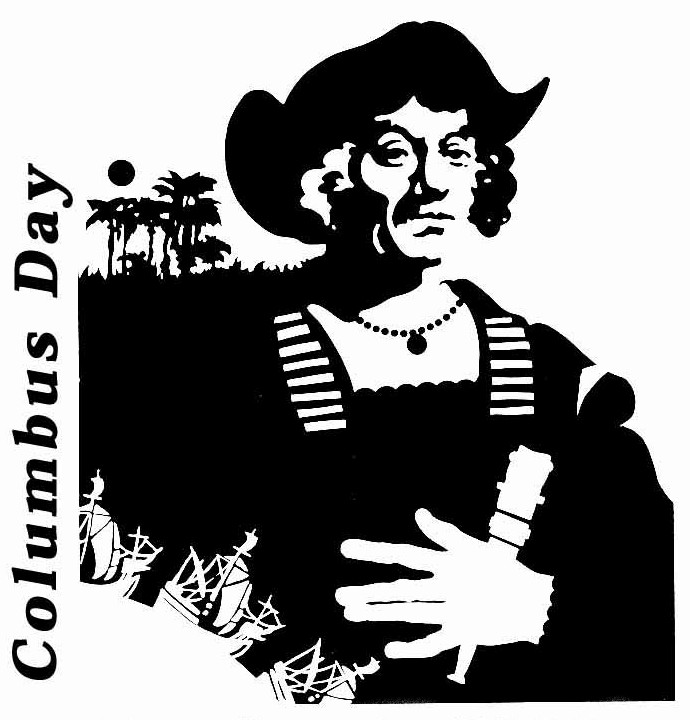 🇺🇸 United States and 5 moreColumbus Day
An annual autumn holiday marking the 1492 arrival of Christopher Columbus in the AmericasCeremony
🇺🇸 United States and 5 moreColumbus Day
An annual autumn holiday marking the 1492 arrival of Christopher Columbus in the AmericasCeremony
 🇻🇪 Mérida, VenezuelaFeria del Sol
Mérida's February fair: bullfights, parades, concerts and the Queen of the SunFestival
🇻🇪 Mérida, VenezuelaFeria del Sol
Mérida's February fair: bullfights, parades, concerts and the Queen of the SunFestival
 🇪🇸 Spain and 4 moreDay of the Holy InnocentsDía de los Santos Inocentes
A 28 December day of pranks and fake news, kept in the Spanish-speaking worldFestival
🇪🇸 Spain and 4 moreDay of the Holy InnocentsDía de los Santos Inocentes
A 28 December day of pranks and fake news, kept in the Spanish-speaking worldFestival
 🇪🇸 Spain and 5 moreCavalcade of Magi
A parade of the Three Magi through town on Epiphany Eve, with sweets thrown to the crowdFestival
🇪🇸 Spain and 5 moreCavalcade of Magi
A parade of the Three Magi through town on Epiphany Eve, with sweets thrown to the crowdFestival
 🇪🇸 Córdoba, Spain and 5 moreFiesta de las Cruces
A May festival where communities decorate crosses with flowers and crafts to celebrate faith and local heritage.Festival
🇻🇪 El Callao, VenezuelaCalypso de El Callao
Calypso sung at carnival in El Callao, Venezuela, with yearly king and queen contestsFestival
🇻🇪 Caracas, VenezuelaCaracas Pride
An annual pride march in Venezuela calling for equal rights for LGBTQ communitiesCeremony
🇪🇸 Spain and 5 moreCabañuelasLas cabañuelas
A traditional weather forecasting method using the first thirty-one days of January to predict the rest of the year.Folklore
🇪🇸 Córdoba, Spain and 5 moreFiesta de las Cruces
A May festival where communities decorate crosses with flowers and crafts to celebrate faith and local heritage.Festival
🇻🇪 El Callao, VenezuelaCalypso de El Callao
Calypso sung at carnival in El Callao, Venezuela, with yearly king and queen contestsFestival
🇻🇪 Caracas, VenezuelaCaracas Pride
An annual pride march in Venezuela calling for equal rights for LGBTQ communitiesCeremony
🇪🇸 Spain and 5 moreCabañuelasLas cabañuelas
A traditional weather forecasting method using the first thirty-one days of January to predict the rest of the year.Folklore
 🇨🇺 Cuba and 5 moreLetra del Año
Annual prophecies and guidance proclaimed by babalawo priests for the coming yearSpiritual
🇨🇺 Cuba and 5 moreLetra del Año
Annual prophecies and guidance proclaimed by babalawo priests for the coming yearSpiritual
Photo credits on this page
The small pictures above come from Wikimedia Commons under free licences. Some are cropped to fit.
- Letra del Año: Ìṣẹ̀ṣeAssembly, CC BY-SA 4.0, source
- Merengue: Unknown author, CC BY-SA 3.0, source
- Columbus Day: Unknown author, Public domain, source
- Midnight Mass: Atleett, CC0, source
- Coleo: Alorenz, Public domain, source
- Fiesta de las Cruces: Michelangelo-36, Public domain, source
- Feria del Sol: Original uploader was MeridaItalia at it.wikipedia, CC BY-SA 4.0, source
- Day of the Holy Innocents: Attributed to Pieter Brueghel the Younger, Public domain, source
- Cavalcade of Magi: Diario de Madrid, CC BY 4.0, source