Spiritual and religiousLatin America and the CaribbeanChristian
Festival of San Lorenzo
An annual festival of religious dance and pilgrimage honoring Saint Lawrence in Tarapacá

The Festival of San Lorenzo is an annual religious celebration held in Tarapacá, Chile, in honor of the town's patron saint, Saint Lawrence. Beginning each year on August 6, thousands of pilgrims and Catholic dance troupes gather from across northern Chile to honor the martyr with devoted dancing and worship.
When is Festival of San Lorenzo kept?
Festival of San Lorenzo is kept on annually starting August 6, with a smaller observance on the last Sunday of April.
The Festival of San Lorenzo is a major religious gathering held each August in the northern Chilean town of Tarapacá. It honors Saint Lawrence, a third-century Spanish deacon and martyr who is venerated as the town's patron saint. Catholic dance troupes and devoted pilgrims travel from surrounding cities to pray, camp in the streets, and stage elaborate devotional dances in front of the rebuilt parish temple.
Honoring the patron saint
Saint Lawrence served as a deacon in Spain before his martyrdom in Rome during the persecutions of Emperor Valerian in the year 258. Today, he stands as the patron saint of the Chilean village of Tarapacá. Local faithful view the saint as a welcoming host who brings pilgrims together to encounter Jesus Christ. In addition to the main August festival, the community marks a secondary religious event known as the feast of La Reliquia on the final Sunday of April, established after the town received a relic of the saint in 1995.
Pilgrimage and religious dance
Festivities commence on August 6 as hundreds of costumed performers enter the town. Dance groups arrive from urban centres across northern Chile, including Iquique, Alto Hospicio, Calama, Tocopilla, and Arica. Many visitors from Antofagasta pitch tents across public spaces to stay for the duration of the event. Elaborate performances by Catholic dance troupes form the focal point of the gathering. Dancers dedicate their intricate choreographies directly to Saint Lawrence as a vibrant demonstration of their faith and personal devotion.
Resilience through disruptions
The annual observance has occasionally had to adapt to unforeseen crises. In 2005, a powerful earthquake inflicted severe structural damage on the town, disrupting the usual festivities before the historic temple of San Lorenzo was subsequently restored. By 2011, participation had expanded significantly, drawing an estimated 70,000 visitors. Outbreaks have also shaped the event: health officials enforced infection control measures during an influenza wave in 2013, and Bishop Guillermo Vera of the diocese of Iquique cancelled the festival entirely in 2020 amid the COVID-19 pandemic.
How Festival of San Lorenzo is kept
The celebration commences on August 6 as pilgrims and Catholic dance troupes converge on Tarapacá from cities across northern Chile. Visitors set up tents around the settlement for temporary lodging. Throughout the festival, costumed troupes present ornate religious dances in honor of Saint Lawrence, expressing Catholic faith through collective performance. In addition to the principal August gathering, locals observe the feast of La Reliquia on the final Sunday in April to commemorate the arrival of a sacred relic.
When and where
The main festival opens every year on August 6. A second, smaller celebration known as the feast of La Reliquia takes place annually on the final Sunday of April.
The festival is held in the town of Tarapacá in northern Chile, drawing participants from regional cities such as Iquique, Arica, Calama, Alto Hospicio, Tocopilla, and Antofagasta.
What Festival of San Lorenzo means
Devotees honor Saint Lawrence, a Spanish deacon martyred in Rome under Emperor Valerian in 258, as the patron saint of Tarapacá. Believers describe the saint as an inviter who gathers people to meet Jesus Christ. The lively dance performances serve as visible declarations of Catholic faith and expressions of gratitude to the patron.

Questions people ask about Festival of San Lorenzo
When is Festival of San Lorenzo kept?
Festival of San Lorenzo is kept on annually starting August 6, with a smaller observance on the last Sunday of April.
What is the Festival of San Lorenzo?
It is an annual Catholic religious festival in Tarapacá, Chile, where pilgrims and dance troupes gather to honor Saint Lawrence, the patron saint of the town.
Who takes part in the celebration?
Catholic dance troupes and pilgrims journey from northern Chilean cities, including Iquique, Calama, Arica, Alto Hospicio, Tocopilla, and Antofagasta, often camping in tents across the town.
Why do people dance during the festival?
Troupes stage elaborate religious dances as a public expression of their Catholic faith and as a personal act of devotion to honor Saint Lawrence.
See also
 PassoverA Jewish spring festival celebrating freedom from slavery with ritual meals
 SukkotA seven-day autumn Jewish festival of temporary booths, harvest prayers and hospitality
 Kailash Mansarovar YatraA high-altitude pilgrimage to Mount Kailash and Lake Manasarovar in Tibet
Good reading and sources
The facts on this page come from the Wikipedia article "Festival of San Lorenzo", written by its contributors and used under the CC BY-SA 4.0 licence, and from its Wikidata record (CC0). EveryParampara rewrote the text in its own words, with AI assistance, and compares every page with the article to make sure no passage is copied. It may be reused under the same CC BY-SA 4.0 licence with a link back.
It may contain mistakes. Traditions differ from one family, village and community to the next, and the people who keep them know them best. If something is wrong, tell us. Last refreshed 2026-10-05.
More from Chile
All the traditions of Chile 🇵🇪 Cusco, Peru and 4 moreIntiinti (Quechua)
The Inca sun deity, honoured with temples, offerings and the June festival Inti RaymiSpiritual
🇵🇪 Cusco, Peru and 4 moreIntiinti (Quechua)
The Inca sun deity, honoured with temples, offerings and the June festival Inti RaymiSpiritual
 🇨🇱 ChileNgillatun
A communal Mapuche rite of prayer, sacrifice and dance to maintain cosmic balanceSpiritual
🇨🇱 ChileNgillatun
A communal Mapuche rite of prayer, sacrifice and dance to maintain cosmic balanceSpiritual
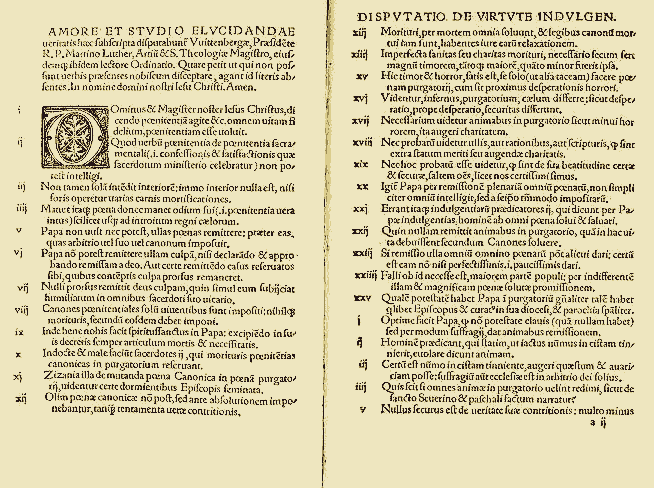 🇩🇪 Wittenberg, Germany and 5 moreReformation Day
An annual Christian observance marking the start of the Protestant ReformationSpiritual
🇨🇱 ChileFiesta de La Tirana
A week-long pilgrimage and dance festival in northern Chile honoring the Virgin of Mount Carmel.Festival
🇩🇪 Wittenberg, Germany and 5 moreReformation Day
An annual Christian observance marking the start of the Protestant ReformationSpiritual
🇨🇱 ChileFiesta de La Tirana
A week-long pilgrimage and dance festival in northern Chile honoring the Virgin of Mount Carmel.Festival
The same idea elsewhere
Pilgrimage compared 🇺🇸 United States and 5 moreMother's Day
A worldwide annual celebration dedicated to mothers, maternal bonds and family careHome
🇮🇱 Jerusalem, IsraelPassoverפסח
A Jewish spring festival celebrating freedom from slavery with ritual mealsSpiritual · Dinner
🇺🇸 United States and 5 moreMother's Day
A worldwide annual celebration dedicated to mothers, maternal bonds and family careHome
🇮🇱 Jerusalem, IsraelPassoverפסח
A Jewish spring festival celebrating freedom from slavery with ritual mealsSpiritual · Dinner
 🇵🇱 Poland and 5 moreChristmas Eve
The evening before Christmas, marked by church services, family meals, and gift preparations across Christian cultures.Festival · Dinner
🇮🇱 Jerusalem, IsraelSukkotסוכות
A seven-day autumn Jewish festival of temporary booths, harvest prayers and hospitalitySpiritual
🇵🇱 Poland and 5 moreChristmas Eve
The evening before Christmas, marked by church services, family meals, and gift preparations across Christian cultures.Festival · Dinner
🇮🇱 Jerusalem, IsraelSukkotסוכות
A seven-day autumn Jewish festival of temporary booths, harvest prayers and hospitalitySpiritual