Spiritual and religiousLatin America and the CaribbeanIndigenous and traditionalChristian
Ngillatun
A communal Mapuche rite of prayer, sacrifice and dance to maintain cosmic balance

The ngillatun is a central religious ceremony of the Mapuche people in Chile. Held in sacred fields around a carved wooden altar, the gathering brings together the whole community for prayer, animal offerings and ritual dances to preserve balance and ask for blessings.
When is Ngillatun kept?
Ngillatun is kept on typically held over two or more days, often before and after the harvest.
The ngillatun is the central sacred ceremony of the Mapuche people of Chile. Rooted in petitions for communal wellbeing, vitality and health, this gathering brings people together over multiple days in consecrated outdoor grounds. Through shared prayers, symbolic dances, sacrificial gifts and food offerings, the ritual seeks to preserve harmony between human life, the spirit realm and natural forces.
Sacred grounds and altars
The ceremony unfolds in designated open fields that remain unploughed and holy. At the focal point stands the ngillatuwe, a tall wooden post that serves as a communal altar and represents the central axis of the cosmos. Facing toward the east, this pole features carvings of ancestral figures or the creator deity Ngünechen. White and blue crosses flank the main pillar to embody the celestial powers. Destroying or damaging this altar is believed to invite great misfortune upon both the perpetrator and the wider community. In some localities, a Catholic priest is invited to bless the pole after its construction.
Ritual actions and offerings
Over the course of more than two days, participants dressed in traditional Mapuche attire gather to petition Ngünechen for protection, health and community strength. Many wear facial paint during the observances. Offerings such as beans, maize and the fermented beverage muday are laid at the foot of the carved pole. Communal rites also involve the sacrifice of an animal, typically a sheep, to restore equilibrium to universal energies. When a settlement faces crisis or seeks divine guidance, spiritual practitioners may enter a trance state to convey messages from the unseen world.
Leadership and regional roles
Authority over the proceedings has shifted over time and differs across landscapes. In earlier generations, respected male orators known as ngenpin guided the rituals. While ngenpin continue to direct ceremonies among Pewenche and Williche populations, spiritual healers known as machi have assumed primary leadership in the Andean foothills and south-central valleys. The name of the event itself may also shift, being referred to as a lepún or camaricún under specific local circumstances, or described in Spanish as a rogativa, meaning a solemn prayer request.
Movement and music
Physical choreography is integral to the entire gathering. Community members dance together in disciplined rows and form circular paths surrounding the sacred post. Alongside the foot dancers, mounted horsemen perform a circling rite called the awün. These riders gallop in loops around the dancing circle to mirror the trajectory of the sun. The cultural prominence of this ceremony was brought to broader international attention in 1966 when the Chilean musician Violeta Parra released her folk piece Guillatún, embedding indigenous cosmology and Mapudungun expressions into popular Latin American song.
How Ngillatun is kept
The community convenes in an uncultivated sacred field around the eastern-facing ngillatuwe altar. Participants in traditional dress and painted faces present offerings of maize, beans and muday, followed by the sacrifice of a sheep. Community members dance in rows and concentric circles near the altar. Meanwhile, horsemen enact the awün by riding in wide circles to imitate the sun's passage. Prayers are addressed to Ngünechen, and machi leaders may enter trances if critical guidance is required.
When and where
The rite lasts for at least two days. Communities frequently stage the gathering around the agricultural cycle, particularly during the periods immediately preceding or following the seasonal harvest.
The tradition is practiced by Mapuche communities across Chile, including the southern-central valleys, the foothills of the Andes, and specific Pewenche and Williche territories.
What Ngillatun means
The ngillatun is rooted in maintaining equilibrium across the universe and averting catastrophe. The central ngillatuwe acts as a cosmic axis connecting earthly life to ancestral spirits and Ngünechen, while adjacent blue and white crosses evoke the powers of the sky. Circling horsemen mimic solar motion, reinforcing cosmic wholeness.
Questions people ask about Ngillatun
When is Ngillatun kept?
Ngillatun is kept on typically held over two or more days, often before and after the harvest.
What is the Ngillatun?
The ngillatun is a multi-day spiritual ceremony of the Mapuche people in Chile. It brings the community together to offer prayers, sacrifices and dances to ask for health, strength and cosmic balance.
Where and when does the ceremony take place?
It is held in consecrated, uncultivated fields across Mapuche areas in Chile. The ceremony typically lasts for more than two days and is often held before and after the harvest.
Who leads the ritual?
Historically, male elders known as ngenpin directed the ceremony. Today, ngenpin still lead in Pewenche and Williche communities, while spiritual healers called machi direct ceremonies in the Andean foothills and south-central valleys.
What happens during the dance rituals?
Participants dance in lines and circles around a carved wooden altar, while men on horseback ride in circles around them in a rite called the awün to imitate the movement of the sun.
See also
 Eid al-FitrThe feast that ends Ramadan, opened with morning prayers, sweets and visits home
 PassoverA Jewish spring festival celebrating freedom from slavery with ritual meals
 SukkotA seven-day autumn Jewish festival of temporary booths, harvest prayers and hospitality
 CandlemasA Christian feast of candle blessings marking the end of the Christmas season
Good reading and sources
The facts on this page come from the Wikipedia article "Ngillatun", written by its contributors and used under the CC BY-SA 4.0 licence, and from its Wikidata record (CC0). EveryParampara rewrote the text in its own words, with AI assistance, and compares every page with the article to make sure no passage is copied. It may be reused under the same CC BY-SA 4.0 licence with a link back.
It may contain mistakes. Traditions differ from one family, village and community to the next, and the people who keep them know them best. If something is wrong, tell us. Last refreshed 2026-10-04.
More from Chile
All the traditions of Chile 🇵🇪 Cusco, Peru and 4 moreIntiinti (Quechua)
The Inca sun deity, honoured with temples, offerings and the June festival Inti RaymiSpiritual
🇵🇪 Cusco, Peru and 4 moreIntiinti (Quechua)
The Inca sun deity, honoured with temples, offerings and the June festival Inti RaymiSpiritual
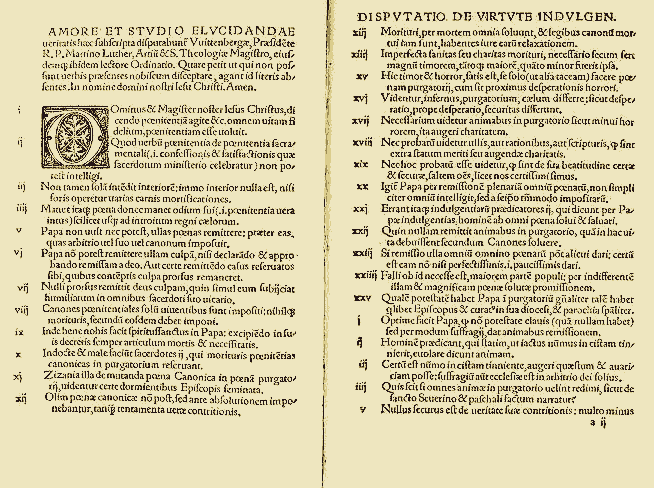 🇩🇪 Wittenberg, Germany and 5 moreReformation Day
An annual Christian observance marking the start of the Protestant ReformationSpiritual
🇩🇪 Wittenberg, Germany and 5 moreReformation Day
An annual Christian observance marking the start of the Protestant ReformationSpiritual
 🇨🇱 Tarapacá, ChileFestival of San Lorenzo
An annual festival of religious dance and pilgrimage honoring Saint Lawrence in TarapacáSpiritual
🇨🇱 Tarapacá, ChileFestival of San Lorenzo
An annual festival of religious dance and pilgrimage honoring Saint Lawrence in TarapacáSpiritual
 🇵🇪 Peru and 5 moreMinka
Shared unpaid work for community projects and for families who need many handsCeremony
🇵🇪 Peru and 5 moreMinka
Shared unpaid work for community projects and for families who need many handsCeremony
The same idea elsewhere
Harvest and thanksgiving compared 🇮🇪 Ireland and 2 moreJack-o'-lantern
A carved pumpkin lantern lit with a candle to brighten and protect Halloween nightsFolklore
🇨🇳 Beijing, ChinaLaba Festival臘八節
A winter porridge festival marking the start of the Chinese New Year seasonFestival · Feasts and festival meals
🇮🇪 Ireland and 2 moreJack-o'-lantern
A carved pumpkin lantern lit with a candle to brighten and protect Halloween nightsFolklore
🇨🇳 Beijing, ChinaLaba Festival臘八節
A winter porridge festival marking the start of the Chinese New Year seasonFestival · Feasts and festival meals
 🇮🇳 India and 1 moreNaraka Chaturdashi
The dawn festival of oil baths, ancestor lamps, and harvest foods during DiwaliFestival · Breakfast
🇮🇳 India and 1 moreNaraka Chaturdashi
The dawn festival of oil baths, ancestor lamps, and harvest foods during DiwaliFestival · Breakfast
 🇬🇭 Cape Coast, GhanaFetu Afahye
A harvest festival of cleansing, boat races and royal durbars in Cape Coast, GhanaFestival · Feasts and festival meals
🇬🇭 Cape Coast, GhanaFetu Afahye
A harvest festival of cleansing, boat races and royal durbars in Cape Coast, GhanaFestival · Feasts and festival meals